Magnolia x loebneri ‘Merrill’: A Comprehensive Guide
Magnolia trees are well-loved for their stunning beauty and graceful elegance. Among the many cultivars of magnolia, Magnolia x loebneri ‘Merrill’ is particularly renowned for its outstanding qualities. In this comprehensive guide, we will delve into the characteristics, care, and uses of the Magnolia x loebneri ‘Merrill’, also known as Merrill Magnolia.
What is Magnolia x loebneri ‘Merrill’?
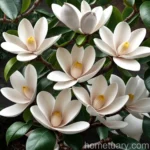
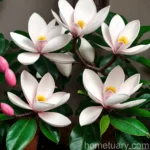
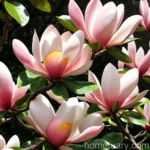
Magnolia x loebneri ‘Merrill’ is a hybrid magnolia tree renowned for its beautiful white blossoms and distinctive pyramidal shape. This deciduous tree is a result of a cross between Magnolia kobus and Magnolia stellata, and it inherits some of the best attributes from both parent species. The name “Merrill” honors Elmer D. Merrill, an influential American botanist with a notable contribution to the study of Asian plants.
Key Takeaways
Here are some key points that will be explored in detail:
- Magnolia x loebneri ‘Merrill’: An Overview
- Cultivation and Culture
- Uses in Landscaping
- Watering Needs
- Sunlight Requirements
- Fertilization Tips
- Soil Preferences
- Pruning Techniques
- Propagation Methods
- Container Gardening
- Popularity and Common Uses
- Common Diseases and Their Diagnosis
- Management of Pests
- Expert Tips and Fun Facts
- Links to External Resources
Let’s dive deeper into the world of Magnolia x loebneri ‘Merrill’.
Cultivation and Culture
Water
Magnolia x loebneri ‘Merrill’ prefers moist, well-drained soil. Although it is essential to ensure adequate soil moisture, the tree can withstand brief periods of drought once established. When planting or transplanting, it is crucial to provide sufficient water to support root establishment and growth.
Sunlight
As for sunlight, this magnolia variety thrives in locations with full sun to partial shade. When planted in a sunny spot, it generally produces more profuse blossoms, while partial shade can help protect the tree from scorching during hot summers.
Fertilizer
Fertilizing should be done sparingly and ideally in early spring before new growth begins. A slow-release, balanced fertilizer can be applied around the root zone, taking care to avoid direct contact with the trunk. Over-fertilization should be avoided as it can lead to excessive foliage at the expense of flower production.
Soil
Magnolia x loebneri ‘Merrill’ favors slightly acidic to neutral soil with good drainage. Amending the soil with organic matter such as compost can improve its texture and nutrient content, creating an optimal environment for the tree’s roots.
Pruning Techniques
Pruning is an essential aspect of magnolia tree care, and it is crucial to understand the specific requirements of Magnolia x loebneri ‘Merrill’ to ensure healthy growth and abundant flowering. Pruning is typically carried out after the tree has finished blooming to shape the tree, remove dead or crowded branches, and encourage air circulation.
Common Diseases
Magnolia x loebneri ‘Merrill’ is generally resistant to many common diseases and pests, especially when grown in suitable conditions. However, like other magnolia varieties, it can be susceptible to issues such as powdery mildew, leaf spots, and blights under unfavorable environmental conditions. Timely and proper care, including adequate spacing, proper pruning, and sanitation, can help prevent these issues from becoming significant problems.
Disease Diagnosis
Proper diagnosis of any disease affecting the tree is crucial for effective treatment. Identifying the specific symptoms and signs such as leaf discoloration, wilting, or unusual growths can aid in determining the appropriate course of action. Seeking guidance from a plant health specialist or extension service can be beneficial in accurately diagnosing and managing any disease issues.
Uses in Landscaping
Magnolia x loebneri ‘Merrill’ is a versatile tree that can be utilized in various settings and landscaping designs. Its elegant form, abundant blooms, and attractive foliage make it a wonderful focal point in gardens, parks, and larger landscapes. Whether used as a standalone specimen tree or incorporated into mixed borders, the tree lends a sense of timeless beauty to any setting.
Propagation Methods
Propagation of Magnolia x loebneri ‘Merrill’ can be achieved through various methods such as softwood cuttings, hardwood cuttings, and grafting. Each technique requires careful attention to timing, environmental conditions, and proper handling of plant material to achieve successful propagation. For home gardeners, softwood cuttings taken in early summer and rooted under favorable conditions can be an effective way to propagate this magnolia variety.
Container Gardening
While magnolias are often associated with large gardens and landscapes, some cultivars, including Magnolia x loebneri ‘Merrill’, can be cultivated in containers. Container-grown magnolias can thrive on patios, decks, and balconies, provided they receive adequate sunlight, water, and proper care. Selecting a large container, using quality potting mix, and regular maintenance are crucial for the success of magnolias in containers.
Popularity and Common Uses
Magnolia x loebneri ‘Merrill’ has garnered popularity among gardeners and landscapers for its refined beauty and exceptional qualities. Its use as a specimen tree, accent plant, or focal point in garden designs is widespread, and it is often selected for its captivating spring display of white, star-like blossoms. The tree’s moderate size also makes it suitable for urban landscapes and smaller gardens, where its ornamental value can be fully appreciated.
Expert Tips and Fun Facts
- To enhance the visual impact of Magnolia x loebneri ‘Merrill’ in the landscape, consider pairing it with plants that complement its form and color scheme. Diverse perennials, flowering shrubs, and ground covers can be strategically arranged to create a visually appealing and dynamic setting.
- Magnolia x loebneri ‘Merrill’ is known for its captivating fragrance, which adds an extra dimension to its appeal. Planting it near outdoor seating areas or along pathways can allow the enticing scent of its blossoms to be enjoyed to the fullest.
Links to External Resources
For additional information on Magnolia x loebneri ‘Merrill’, consider exploring the following resources:
- The Magnolia Society International
- Royal Horticultural Society – Magnolia Care
- United States National Arboretum – Magnolia Collection
In conclusion, Magnolia x loebneri ‘Merrill’ stands out as a remarkable choice for anyone seeking to introduce a touch of elegance and natural beauty to their outdoor spaces. Its exquisite blossoms, ornamental foliage, and overall resilience make it a valuable addition to gardens, parks, and landscapes, where it commands attention and admiration. With proper care and appreciation for its unique qualities, this magnificent magnolia variety can grace our surroundings with its allure for many years to come.