Umbrella Tree (Magnolia Tripetala)
Plants have always played a crucial role in our lives, from providing us with oxygen to adding natural beauty to our surroundings. One such fascinating.
Plants have always played a crucial role in our lives, from providing us with oxygen to adding natural beauty to our surroundings. One such fascinating plant is the umbrella tree (Magnolia tripetala). In this comprehensive guide, we will delve into the various aspects of this unique plant, including its culture, uses, care requirements, and much more.
What is the Umbrella Tree (Magnolia tripetala)?
The umbrella tree, scientifically known as Magnolia tripetala, is a deciduous tree that belongs to the Magnoliaceae family. This native North American plant is also commonly referred to as the umbrella magnolia due to its large, umbrella-like leaves. These leaves can grow up to 24 inches in length and provide a lush, tropical appearance.
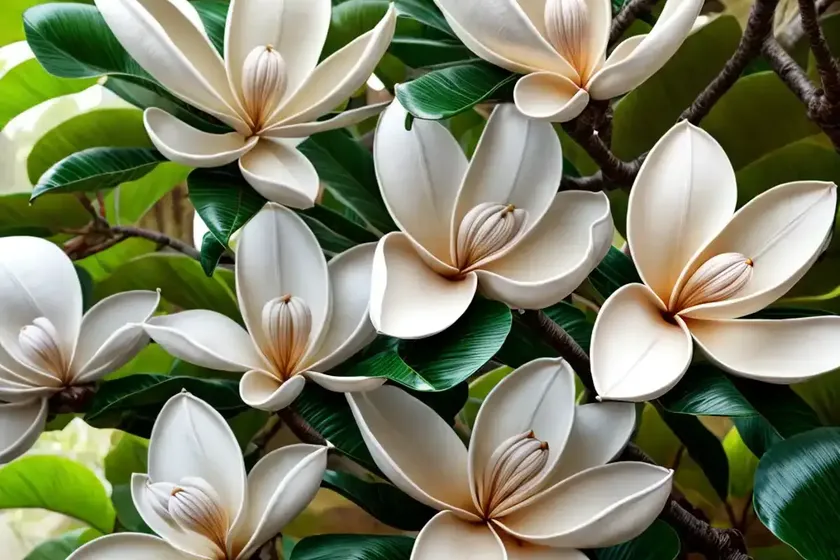
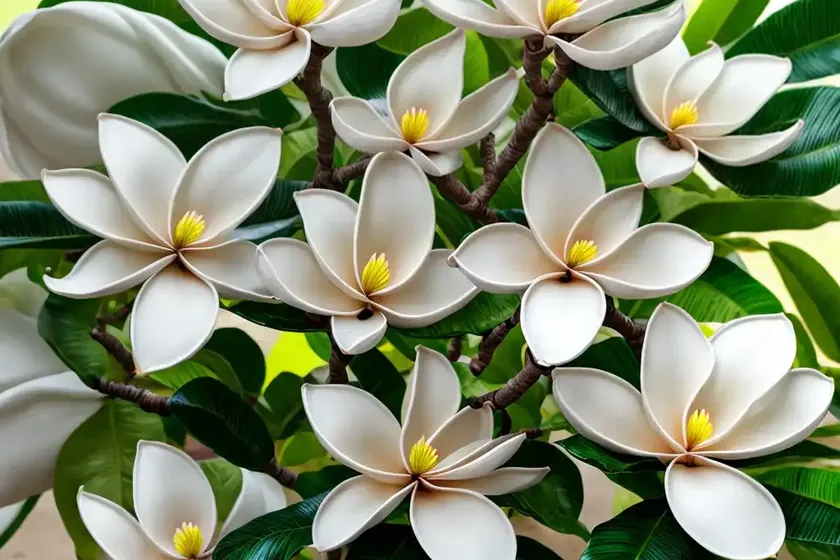
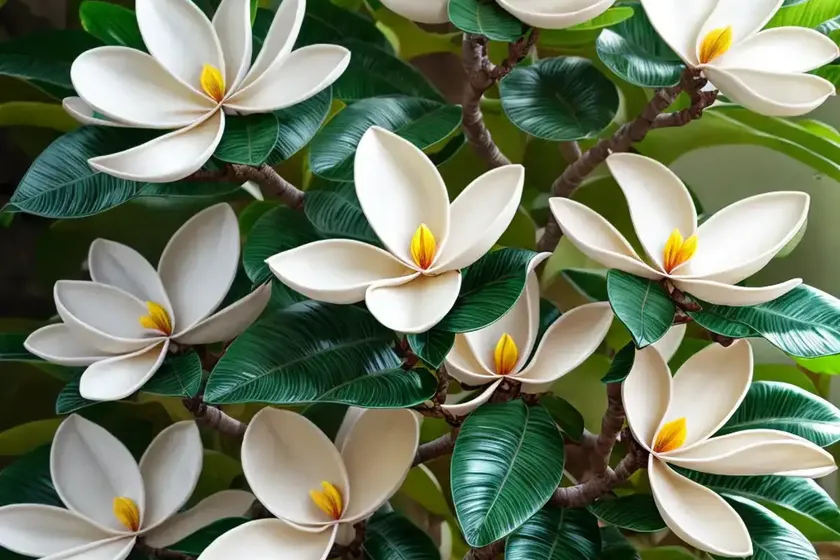
The umbrella tree is known for its spectacular spring blooms, boasting creamy white, fragrant flowers that can measure up to 10 inches in diameter. The plant’s unique features, including its large leaves and showy flowers, make it a standout addition to any garden or landscape.
Key Takeaways – Umbrella Tree (Magnolia tripetala)
- Scientific Name: Magnolia tripetala
- Common Name: Umbrella tree, umbrella magnolia
- Family: Magnoliaceae
- Native: North America
- Key Features: Large, umbrella-like leaves, creamy white flowers
- Uses: Ornamental, landscaping
Now that we have an overview of the plant, let’s explore the various aspects of caring for the umbrella tree.
Culture
Cultivating the umbrella tree requires an understanding of its native habitat and growth requirements. By replicating its natural environment, we can ensure optimal growth and a thriving plant.
Uses
The umbrella tree serves both ornamental and landscaping purposes, thanks to its striking foliage and impressive blooms. It is often used as a focal point in gardens, parks, and natural areas, where its large leaves and eye-catching flowers can create a tropical ambiance.
Water
Proper watering is essential for the health and vitality of the umbrella tree. It is important to maintain consistent moisture levels in the soil, ensuring that it is neither waterlogged nor excessively dry. During the plant’s active growing season, regular watering is necessary, while adjustments can be made during periods of dormancy.
Sunlight
Magnolia tripetala thrives in partial to full shade, making it a suitable choice for shaded gardens and woodland areas. While it prefers dappled sunlight, it should be protected from harsh afternoon sun, which can scorch its delicate leaves. When grown in a suitable location, the umbrella tree can display vigorous growth and abundant flowering.
Fertilizer
Applying a balanced fertilizer in spring can promote healthy growth and flowering in the umbrella tree. A slow-release fertilizer that is rich in nitrogen can encourage lush foliage, while phosphorus can aid in flower and root development. It is important to follow the recommended dosage and application guidelines to avoid over-fertilization.
Soil
The umbrella tree thrives in well-draining, rich, and slightly acidic soil. Loamy or sandy soils with good fertility and organic content can provide an ideal growing medium for this plant. Additionally, maintaining a slightly acidic soil pH in the range of 5.5 to 6.5 can support optimal nutrient uptake and overall plant health.
Pruning
Pruning the umbrella tree should be undertaken with care to maintain its natural form and promote healthy growth. While the plant generally requires minimal pruning, removing any dead, damaged, or overcrowded branches can enhance its vigor and appearance. Pruning is best carried out during the plant’s dormant season to minimize stress.
Propagation
Propagating Magnolia tripetala can be achieved through various methods such as seed propagation, softwood cuttings, and layering. Each technique has its own set of requirements and challenges, but with proper care and attention, successful propagation can be attained.
Container Popularity
The umbrella tree is well-suited for container gardening, allowing individuals with limited space or specific growing conditions to enjoy its beauty. When grown in containers, the plant can be placed on patios, balconies, or even indoors, providing a touch of elegance and greenery to any space.
Common Diseases
While the umbrella tree is relatively resilient, it can be susceptible to certain diseases that may affect its overall health. Understanding these diseases and their symptoms is crucial for implementing timely and effective management strategies.
Disease Diagnosis
Diagnosing plant diseases can be challenging, but it is essential for implementing appropriate treatments. By closely observing the plant and being aware of common disease symptoms, such as leaf spots, wilting, or unusual growths, gardeners can identify potential issues and seek professional assistance if needed.
Common Pests
Pest infestations can also pose a threat to the umbrella tree, potentially causing damage to its foliage, flowers, or overall health. Recognizing common pests and their impact on the plant is essential for preventing and addressing infestations.
Botanist’s Tips
Drawing from the expertise of botanists and horticulturists can provide valuable insights into caring for the umbrella tree. Their knowledge and experience can offer practical tips and recommendations for ensuring the plant’s well-being and long-term growth.
Fun Facts
- The umbrella tree is often admired for its large, umbrella-shaped leaves, which can create a striking visual effect in landscapes and gardens.
- In addition to its ornamental value, the umbrella tree holds cultural significance and has been used in traditional medicine by Native American communities.
Now that we have explored the various aspects of the umbrella tree, let’s delve into some external resources that provide additional insights and information about this unique plant.
Links to External Resources
- Missouri Botanical Garden – Magnolia tripetala
- North Carolina State Extension – Growing Magnolias in North Carolina
- The Spruce – Umbrella Magnolia Profile
- Royal Horticultural Society – Magnolia tripetala
In conclusion, the umbrella tree (Magnolia tripetala) offers a captivating blend of beauty and botanical interest, making it a valuable addition to gardens, landscapes, and indoor spaces. By understanding its culture, care requirements, and unique features, individuals can cultivate and appreciate this remarkable plant to the fullest. I hope this comprehensive guide has provided you with valuable insights and inspiration for exploring the world of Magnolia tripetala.


