All About Magnolia Grandiflora: Southern Magnolia
Magnolia grandiflora, commonly known as Southern Magnolia, is a stunning and iconic evergreen tree that has been adored for centuries. With its large, glossy leaves and beautiful, fragrant flowers, it’s no wonder why this tree has become a staple in the landscape of the Southern United States and beyond. In this comprehensive guide, we will delve into the characteristics, care, and cultivation of the magnificent Magnolia grandiflora.
What is Magnolia Grandiflora?
Magnolia grandiflora is a large, striking tree native to the southeastern United States, specifically the coastal plains from North Carolina to Texas. Belonging to the Magnoliaceae family, this species is revered for its large, showy, fragrant flowers and shiny, leathery leaves. It is often grown as an ornamental tree in gardens and parks, appreciated for its aesthetic appeal, shade provision, and wildlife attraction.
Magnolia Grandiflora Characteristics
Magnolia grandiflora is distinguished by the following key characteristics:
- Scientific Name: Magnolia grandiflora
- Common Name: Southern Magnolia, Bull Bay
- Foliage: Evergreen, leathery, glossy dark green leaves with a brown, fuzzy underside
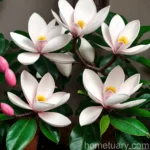
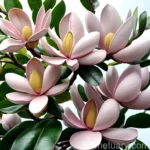
- Flowers: Large, white, fragrant flowers with a prominent cone-like center
- Fruit: Reddish-brown, cone-shaped aggregate of follicles containing bright red seeds
- Size: 60-80 feet in height, with a spread of 30-40 feet
- Growth Rate: Moderate
- Hardiness Zones: 6 to 10
- Fragrance: Sweet, lemony scent
- Landscape Use: Specimen tree, shade tree, windbreak, privacy screen, and wildlife habitat
These distinct features make Magnolia grandiflora a standout species in any landscape. Now, let’s explore the key takeaways, growing tips, and maintenance guidelines for this magnificent tree.
Key Takeaways – Magnolia Grandiflora (Southern Magnolia)
Culture
Magnolia grandiflora is deeply ingrained in the culture of the southeastern United States, capturing the hearts of many with its timeless beauty and significance in numerous literary works, paintings, and gardens. Its cultural importance extends not only to the Southern states but also to various regions where it has been cultivated for its ornamental value and symbolic representation.
Uses
The uses of Magnolia grandiflora are diverse, ranging from its ornamental significance in landscaping to its potential medicinal properties. The durable wood of the tree has historically been used for furniture, veneer, and interior finishes, while the flowers have been utilized in traditional medicine for their aromatic and therapeutic properties. Additionally, the tree serves as an essential component in wildlife habitats, providing shelter and sustenance to various animals.
Now, let’s delve into the essential care requirements for the successful cultivation of Southern Magnolia.
Water
Proper watering is crucial for the establishment and sustained health of Magnolia grandiflora. While it is relatively drought-tolerant once established, consistent watering, especially during the initial years, is essential for promoting healthy root development and growth. During periods of extended drought, supplemental watering is recommended to support the tree’s vitality.
Sunlight
Magnolia grandiflora thrives in full sun to partial shade, requiring at least six hours of direct sunlight daily for optimal growth and flowering. When selecting a planting site, it is essential to provide the tree with adequate exposure to sunlight while also considering potential protection from intense afternoon sun in hotter climates.
Fertilizer
Fertilization plays a vital role in supporting the vigor and blooming of Magnolia grandiflora. A balanced, slow-release fertilizer formulated for acid-loving plants is recommended to provide essential nutrients while maintaining the slightly acidic soil pH preferred by the tree. Fertilization should be carried out in early spring as new growth begins and may be repeated in late spring or early summer if necessary.
Soil
Magnolia grandiflora thrives in well-drained, acidic to slightly acidic soil with a pH range of 5.0 to 6.5. The soil should be rich in organic matter and loamy in texture to ensure proper aeration and moisture retention. Additionally, mulching with organic matter helps maintain soil moisture, suppress weed growth, and improve overall soil quality.
Pruning
Pruning is an essential aspect of Magnolia grandiflora maintenance, primarily focused on shaping the tree, removing dead or diseased branches, and promoting overall structural integrity. Pruning is best carried out during the late winter or early spring to minimize the risk of interfering with the tree’s flowering potential.
Propagation
Magnolia grandiflora can be propagated through various methods, including seed propagation and vegetative propagation using cuttings. While seed propagation is possible, it often requires stratification and may result in variable offspring. Vegetative propagation, particularly using semi-hardwood cuttings, is a preferred method for preserving the characteristics of select cultivars.
Container Popularity
The relatively slow growth and ornamental appeal of Magnolia grandiflora make it a desirable candidate for container cultivation. When grown in containers, the tree can be effectively utilized as a focal point in outdoor spaces or as an ornamental feature on patios, decks, and balconies.
Common Diseases
Magnolia grandiflora is susceptible to certain diseases, including:
- Anthracnose: A fungal disease causing leaf spots and defoliation, prevalent in humid conditions
- Canker Diseases: Various canker pathogens may affect the branches and stems of the tree, leading to dieback and decline
- Leaf Spot Diseases: Several fungal pathogens may cause unsightly leaf spots, affecting the tree’s aesthetic appeal
Disease Diagnosis
Early detection and accurate diagnosis of diseases are essential for implementing effective management strategies. Regular inspection of the tree for symptoms such as leaf spots, cankers, dieback, and abnormal growth can aid in timely intervention to prevent the spread of diseases and minimize their impact on the tree’s health.
Common Pests
Magnolia grandiflora may encounter pest issues such as:
- Scale Insects: Various scale species can infest the tree, causing yellowing of foliage and weakened growth
- Spider Mites: These tiny pests may induce stippling and discoloration of leaves, especially under hot and dry conditions
- Magnolia Serpentine Leaf Miner: The larvae of this leaf-mining moth species can cause aesthetic damage by creating meandering tunnels in the leaves
Regular monitoring and proactive pest management are essential for mitigating the impact of pests on the tree’s overall health and appearance.
Botanist’s Tips
To ensure the successful cultivation and longevity of Magnolia grandiflora, consider the following tips from a botanical perspective:
- Mulch Mindfully: Apply a layer of organic mulch around the base of the tree, ensuring it does not directly touch the trunk, to conserve soil moisture and enhance soil fertility.
- Monitor Moisture: Regularly check the soil moisture levels, especially during periods of drought, and water the tree as needed to prevent stress and dehydration.
- Support Structural Integrity: Prune the tree to maintain a strong central leader and well-spaced, sturdy branches, reducing the risk of damage from strong winds and storms.
Fun Facts
- The flowers of Magnolia grandiflora are not only visually captivating but also have historical and cultural significance, symbolizing beauty, perseverance, and purity.
- The tree’s aromatic flowers have been traditionally used in the production of perfumes and fragrances, highlighting its enduring appeal beyond ornamental purposes.
Now that we’ve covered the essential aspects of Magnolia grandiflora, including its care, diseases, pests, and intriguing facts, let’s explore additional resources and expert insights to further enhance our understanding.
Links to External Resources
With the wealth of knowledge and insights gained from this guide, you are well-equipped to embark on a remarkable journey of cultivating and appreciating the timeless beauty of Magnolia grandiflora, the captivating Southern Magnolia. Whether you are seeking to enhance your garden, contribute to wildlife habitats, or simply revel in the splendor of this iconic tree, the allure and enduring charm of Magnolia grandiflora are sure to leave a lasting impression on both your landscape and your heart.