Saucer Magnolia (Magnolia x soulangeana ‘Picture’): A Complete Guide
Saucer magnolia, scientifically known as Magnolia x soulangeana ‘Picture’, is a popular ornamental tree loved for its stunning flowers and overall charm. In this comprehensive guide, we will delve into the various aspects of this beautiful plant, discussing its culture, uses, care requirements, and much more.
What is Saucer Magnolia?
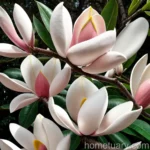
Saucer magnolia, or Magnolia x soulangeana ‘Picture’, is a deciduous tree renowned for its early spring blooms. Belonging to the Magnoliaceae family, this hybrid plant is a cross between Magnolia denudata and Magnolia liliiflora. It is characterized by large, saucer-shaped flowers that appear in various shades of white, pink, and purple, adding a delightful touch to the landscape.
Key Takeaways
Before we dive deeper into the specifics of saucer magnolia, let’s highlight some key takeaways to set the stage for a comprehensive understanding of this plant.
Saucer Magnolia (Magnolia x soulangeana ‘Picture’)
- Common Name: Saucer Magnolia
- Scientific Name: Magnolia x soulangeana ‘Picture’
- Family: Magnoliaceae
- Cultivar: ‘Picture’
- Hybrid of: Magnolia denudata and Magnolia liliiflora
- Characteristics: Large, saucer-shaped flowers in white, pink, and purple hues
Now that we have a brief introduction, let’s delve into different aspects of saucer magnolia, ranging from its culture and uses to care tips and common diseases.
Culture
Uses
Saucer magnolia is widely used in landscaping and gardening to add ornamental value to outdoor spaces. The tree’s striking blooms make it a standout feature in gardens and parks, often serving as a focal point due to its early spring flowering.
Water
Proper watering is crucial for the healthy growth and development of saucer magnolia. Newly planted trees require consistent moisture to establish a strong root system. Once established, they are moderately drought-tolerant but benefit from regular watering during dry periods, especially in the summer months.
Sunlight
Saucer magnolias thrive in full to partial sunlight. They prefer a location with at least 6 hours of direct sunlight daily for optimal flowering and overall growth. However, they can also tolerate partial shade, especially in regions with intense summer heat.
Fertilizer
Applying a balanced, slow-release fertilizer in early spring can support the growth and bloom production of saucer magnolia. A fertilizer specifically formulated for flowering trees and shrubs is ideal for providing the necessary nutrients for robust flowering.
Soil
Saucer magnolias prefer well-draining, slightly acidic soil. A pH range of 5.5 to 6.5 is considered optimal for these trees. Amending the soil with organic matter such as compost or peat moss can improve its texture and fertility, creating an ideal environment for saucer magnolia roots.
Pruning
Pruning is best carried out immediately after flowering to avoid cutting off potential flower buds for the following year. The removal of dead, damaged, or crossing branches contributes to the overall health and appearance of the tree. Additionally, shaping and thinning out the canopy can enhance air circulation and sunlight penetration.
Propagation
Saucer magnolia can be propagated through various methods, including:
- Seeds: Collecting and sowing fresh seeds in a suitable growing medium
- Softwood Cuttings: Taking softwood cuttings in early summer and providing the right conditions for rooting
- Grafting: Using grafting techniques to grow new plants with the desired characteristics
Container Popularity
While saucer magnolias are typically planted in the ground, they can also thrive in containers under the right conditions. This is especially beneficial for gardeners with limited space or those looking to enjoy the beauty of saucer magnolia on patios, balconies, or other confined areas.
Container Common Diseases
When grown in containers, saucer magnolias may be susceptible to certain diseases, including:
- Root Rot: Excessive moisture and poor drainage can lead to the development of root rot in container-grown magnolias.
- Powdery Mildew: Fungal infections such as powdery mildew can affect the foliage of saucer magnolia, particularly in humid conditions.
Disease Diagnosis
Timely diagnosis of diseases is crucial for implementing appropriate management strategies. Regular inspection of the tree’s foliage, stems, and overall health can help detect early signs of diseases, enabling prompt intervention to prevent further spread.
Common Pests
Saucer magnolias may attract certain pests, including:
- Scale Insects: These small, immobile insects can infest the branches and leaves of magnolia trees, often leading to honeydew secretion and sooty mold development.
- Weevils: Some species of weevils can feed on saucer magnolia leaves, causing damage to the foliage.
Botanist’s Tips
Here are some expert tips for growing and caring for saucer magnolia:
- Mulching: Apply a layer of organic mulch around the base of the tree to conserve moisture, regulate soil temperature, and suppress weed growth.
- Protection from Cold: In regions with harsh winters, providing frost protection for young saucer magnolia trees can prevent damage from freezing temperatures.
- Air Circulation: Ensuring adequate air circulation around the tree by proper spacing and selective pruning can minimize the risk of fungal diseases.
Fun Facts
- The saucer magnolia is also known as the tulip tree due to the shape and color of its blossoms, which resemble tulip flowers.
- The hybrid nature of saucer magnolia results in a wide range of flower colors, from white to various shades of pink and purple, adding diversity to its visual appeal.
Links to External Resources
Explore the following resources for further information on saucer magnolia:
- Missouri Botanical Garden – Magnolia x soulangeana
- The Plant Encyclopedia – Magnolia x soulangeana ‘Picture’
- Royal Horticultural Society – Saucer Magnolia Care Guide
As we conclude, it’s evident that saucer magnolia, or Magnolia x soulangeana ‘Picture’, is a captivating tree that adds a touch of elegance to any landscape. By understanding and implementing the appropriate care practices, individuals can fully appreciate the beauty and resilience of this remarkable ornamental plant. Whether in a garden bed or a container, the saucer magnolia’s enchanting blooms and graceful form are sure to captivate the admiration of all who encounter it.