Magnolia denudata (Yulan Magnolia)
Magnolia denudata, commonly known as Yulan Magnolia, is a stunning flowering plant that belongs to the Magnoliaceae family. This plant is native to China and has a rich history of cultivation and appreciation for its ornamental value. Its delicate, fragrant flowers and attractive foliage make it a popular choice for gardens, parks, and landscapes.
In this comprehensive guide, we will delve into the various aspects of Magnolia denudata, including its description, characteristics, growth habits, uses, care tips, flowering season, planting guide, varieties, symbolism, cultivation, pruning techniques, landscape design, diseases, pests, pollination, propagation methods, habitat, historical significance, facts, climate requirements, shade tolerance, wildlife benefits, container gardening, medicinal properties, folklore, fall foliage, bonsai techniques, pest control, winter care, popular cultivars, leaf shape, endangered status, root system, cultural uses, landscape trees, fragrance, soil requirements, flower arrangement, garden design ideas, leaf arrangement, companion plants, ornamental value, water requirements, bark texture, leaf color, wildlife gardens, pollinator-friendly nature, seed collection, and outdoor landscaping.
Key Takeaways – Magnolia denudata (Yulan Magnolia)
Before we explore the various facets of Magnolia denudata, let’s summarize the key takeaways of this magnificent plant.
- Scientific Name: Magnolia denudata
- Common Name: Yulan Magnolia
- Family: Magnoliaceae
- Origin: China
- Uses: Ornamental, Cultural
- Features: Fragrant flowers, Attractive foliage
- Hardiness Zones: 4-8
- Best Suited For: Gardens, Parks, Landscapes
- Notable Trait: Rich historical significance
- Challenges: Susceptible to certain diseases and pests
Magnolia denudata Description
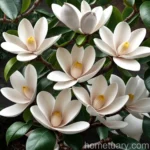
Magnolia denudata, commonly known as Yulan Magnolia, is a deciduous tree that can reach a height of 30 to 40 feet. Its smooth, gray bark offers an interesting textural contrast to the landscape, especially during the winter months when the tree is devoid of leaves. The tree features large, showy flowers that are typically white, waxy, and pleasantly fragrant. The flowers bloom before the foliage emerges, creating a striking visual display and infusing the air with their delightful scent.
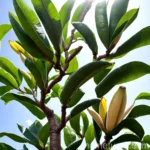
The leaves of Magnolia denudata are ovate and can grow up to 15 centimeters in length. They are a rich, glossy green color, providing an attractive backdrop to the beautiful blossoms. As the season progresses, the leaves turn a lovely golden yellow before falling in the autumn, adding another layer of visual interest to the tree.
Yulan Magnolia Characteristics
The Yulan Magnolia is renowned for its stunning and fragrant bloom, which typically occurs in early spring. The large, tulip-shaped blossoms are a defining feature of the tree, often reaching diameters of 3 to 4 inches. Each flower consists of nine tepals and exudes a sweet, citrus-like scent that is particularly noticeable during the warmer hours of the day.
Aside from its ornamental value, the Yulan Magnolia also has historical significance. It has been cultivated in China for centuries and holds a revered status in Chinese culture and art. Its association with purity and nobility has led to its widespread use in traditional Chinese gardens and landscapes.
Magnolia denudata Growth Habits
Understanding the growth habits of Magnolia denudata is essential for successfully cultivating and caring for this tree. Yulan Magnolias thrive in moist, well-drained soil, preferably with a slightly acidic pH. They prefer to be planted in a location that receives full sun or partial shade. The tree develops a broad, spreading canopy as it matures, creating a majestic presence in the landscape.
Yulan Magnolia Species
Magnolia denudata belongs to the Magnoliaceae family and is one of the many species within the magnolia genus. This species is particularly admired for its ornamental value and has several cultivated varieties that showcase different flower colors, sizes, and growth habits. Its close relatives within the Magnoliaceae family include Magnolia grandiflora, Magnolia stellata, and Magnolia liliiflora.
Magnolia denudata Uses
The primary use of Magnolia denudata is as an ornamental tree. Its stunning flowers and attractive foliage make it a popular choice for gardens, parks, and landscapes. Additionally, the Yulan Magnolia holds cultural significance, particularly in traditional Chinese gardens and art. Its historical uses include being featured in paintings, poetry, and other forms of artistic expression.
Yulan Magnolia Care Tips
To ensure the healthy growth and blooming of Yulan Magnolia, it is important to provide the proper care and maintenance. Below are some essential care tips for cultivating Magnolia denudata:
Water
- Hydration: Young trees may need to be watered regularly, particularly during dry spells, to establish a strong root system.
- Soil Moisture: Ensure that the soil remains consistently moist but not waterlogged, especially during the flowering and leafing period.
Sunlight
- Positioning: Plant the Yulan Magnolia in a location that receives full sun or partial shade.
- Sunlight Requirements: The tree thrives in sunlight but can also tolerate some shade, particularly during the hottest part of the day.
Fertilizer
- Nutrient Boost: Consider applying a balanced, slow-release fertilizer in the early spring to provide essential nutrients for healthy growth and abundant blossoms.
Soil
- Soil Type: Plant Magnolia denudata in moist, well-drained soil with a slightly acidic pH.
- Amendment: If the soil is lacking in nutrients, consider enriching it with organic matter such as compost or well-rotted manure.
Pruning
- Timing: Prune Yulan Magnolia immediately after flowering to maintain its desired shape and remove any dead or damaged branches.
- Cautions: Avoid heavy pruning, as Magnolia denudata does not respond well to severe cutting back.
Magnolia denudata Flowering Season
The flowering season of Magnolia denudata typically occurs in early spring, around March to April, depending on the regional climate. The large, white blossoms create a breathtaking display, especially when they emerge before the foliage, accentuating the tree’s elegant silhouette.
Yulan Magnolia Planting Guide
When planting Yulan Magnolia, it is crucial to consider its specific requirements to ensure successful establishment and growth. Follow these guidelines for a successful planting process:
- Location: Choose a site that offers well-drained soil and receives sufficient sunlight.
- Preparation: Dig a hole that is as deep and twice as wide as the root ball to accommodate the tree’s root system.
- Positioning: Place the tree in the hole, ensuring that the top of the root ball is level with the soil surface.
- Backfilling: Fill the hole with soil and tamp it down gently to remove air pockets.
- Watering: Water the newly planted tree thoroughly and add a layer of mulch to conserve soil moisture and regulate soil temperature.
Magnolia denudata Varieties
There are several notable varieties and cultivars of Magnolia denudata, each offering unique traits and characteristics. Some popular varieties include:
- ‘Fei Huang’: Known for its large, fragrant flowers with a creamy white hue.
- ‘Forrest’s Pink’: Features delicate, blush-pink blossoms and a compact growth habit.
- ‘Yellow River’: Stands out for its creamy yellow flowers that add a vibrant touch to the landscape.
Yulan Magnolia Symbolism
In Chinese culture, Yulan Magnolia symbolizes purity, nobility, and perseverance. It is often associated with the concept of purity and has been featured in traditional Chinese gardens, art, and literature as a representation of elegance and refinement.
Magnolia denudata Cultivation
Cultivating Magnolia denudata involves providing the tree with the necessary care, optimal growing conditions, and periodic maintenance to support healthy growth and prolific blooming.
Yulan Magnolia Pruning Techniques
Pruning Yulan Magnolia is essential for maintaining its shape, removing dead or damaged branches, and promoting overall health. It is recommended to prune the tree immediately after flowering to avoid disrupting the formation of next year’s blossoms.
Magnolia denudata Landscape Design
Yulan Magnolia can be incorporated into various landscape designs to add a touch of elegance and natural beauty. Its stunning blossoms and attractive foliage make it a desirable choice for creating focal points, accentuating garden features, and enhancing the overall aesthetics of the landscape.
Yulan Magnolia Diseases
While Yulan Magnolia is generally resilient, it can be susceptible to certain diseases if not properly cared for. Common diseases that may affect Magnolia denudata include:
- Leaf Spot: Caused by various fungal pathogens, resulting in the formation of dark spots on the leaves.
- Powdery Mildew: Characterized by a powdery white growth on the leaves and shoots, often caused by specific fungi.
Magnolia denudata Pests
Yulan Magnolia may also attract certain pests that can impact its health and vitality. Some common pests that may affect Magnolia denudata include:
- Scale Insects: These small, sap-feeding insects can attach themselves to the branches and leaves, potentially causing damage and affecting the tree’s overall vigor.
- Spider Mites: These tiny arachnids can infest the undersides of the leaves, causing stippling and discoloration.
Yulan Magnolia Pollination
Magnolia denudata relies on pollinators, particularly beetles, to facilitate the pollination process. The fragrant flowers and nectar attract these beneficial insects, contributing to successful pollination and the development of seeds within the blossoms.
Magnolia denudata Propagation Methods
Propagating Yulan Magnolia can be achieved through various methods, including:
- Seeds: Harvesting seeds from mature fruits and sowing them in a suitable growing medium.
- Cuttings: Taking softwood or hardwood cuttings and encouraging root development under controlled conditions.
Yulan Magnolia Habitat
The natural habitat of Magnolia denudata includes regions of China, where it thrives in woodland areas, riverbanks, and forest edges. The tree prefers moist, well-drained soil and can tolerate varying levels of sunlight and shade.
Magnolia denudata Historical Significance
Due to its rich history of cultivation and its association with Chinese culture, the Yulan Magnolia holds significant historical importance. It has been cherished for centuries in China and has influenced various artistic and cultural traditions.
Yulan Magnolia Facts
Here are some interesting facts about Magnolia denudata:
- The species name “denudata” refers to the tree’s habit of flowering before producing leaves, leaving the branches “denuded” of foliage during the bloom.
- Yulan Magnolia is the official city flower of Shanghai, where it holds cultural and symbolic significance.
Magnolia denudata Climate Requirements
Magnolia denudata thrives in temperate climates with moderately warm summers and cold winters. It is well-suited for hardiness zones 4-8 and can tolerate a range of climatic conditions, provided the soil is well-drained and the tree receives adequate sunlight.
Yulan Magnolia Shade Tolerance
While Yulan Magnolia prefers full sun, it can also tolerate partial shade, particularly during the hottest part of the day. However, to ensure abundant blooming and healthy growth, it is advisable to provide the tree with sufficient sunlight.
Magnolia denudata Wildlife Benefits
The fragrant flowers of Yulan Magnolia attract pollinators such as beetles, contributing to the ecological diversity of the surrounding environment. Additionally, the tree provides shelter and nesting sites for birds and other small wildlife.
Yulan Magnolia Container Gardening
For individuals with limited outdoor space or those interested in showcasing Yulan Magnolia on a patio or balcony, container gardening is a viable option. Select a large container with adequate drainage and provide the tree with the necessary care and conditions for successful growth.
Magnolia denudata Medicinal Properties
In traditional Chinese medicine, certain parts of Magnolia denudata, including the bark and flower buds, are used for their potential medicinal properties. These parts are believed to have various therapeutic applications, although it is essential to consult a healthcare professional before using them.
Yulan Magnolia Folklore
The Yulan Magnolia has been an integral part of Chinese folklore, often associated with purity, beauty, and resilience. Its presence in traditional tales, poems, and cultural practices underscores its revered status in Chinese society.
Magnolia denudata Fall Foliage
During the autumn season, the leaves of Magnolia denudata undergo a striking transformation, turning into a rich golden yellow before eventually falling from the tree. This change in foliage adds a vibrant burst of color to the landscape, enhancing the tree’s visual allure.
Yulan Magnolia Bonsai Techniques
Given its elegant and ornamental nature, Yulan Magnolia lends itself well to bonsai cultivation. By practicing appropriate pruning, wiring, and care techniques, enthusiasts can create stunning Yulan Magnolia bonsai specimens.
Magnolia denudata Pest Control
Ensuring the overall health and vigor of Magnolia denudata involves implementing effective pest control measures, such as regular inspection, natural predators, and selective treatment to address and mitigate pest infestations.
Yulan Magnolia Winter Care
During the winter months, it is important to provide adequate protection and care for Magnolia denudata to safeguard it from potential cold damage. Strategies such as mulching, proper hydration, and wind protection can help the tree withstand harsh winter conditions.
Magnolia denudata Popular Cultivars
Several popular cultivars of Magnolia denudata have been developed to showcase distinct flower colors, sizes, and growth habits, offering enthusiasts a wide range of options to choose from based on their preferences and gardening objectives.
Yulan Magnolia Leaf Shape
The leaves of Yulan Magnolia are ovate in shape, with a glossy, deep green color that provides an attractive backdrop to the stunning white blossoms. The rounded leaf form and rich foliage enhance the tree’s overall visual appeal.
Magnolia denudata Endangered Status
While Magnolia denudata is not currently classified as endangered, conservation efforts are important to protect and preserve its natural habitat, particularly in regions where it is native, to ensure its continued survival and ecological balance.
Yulan Magnolia Root System
The root system of Yulan Magnolia is generally shallow and broad, spreading out to anchor the tree and efficiently absorb water and nutrients from the surrounding soil.
Magnolia denudata Cultural Uses
Magnolia denudata holds cultural significance, particularly in traditional Chinese gardens, art, and literature. Its association with purity, elegance, and nobility has made it an integral part of cultural practices and expressions.
Yulan Magnolia Landscape Trees
Yulan Magnolia is a sought-after choice for landscaping, as it offers a captivating visual display, fragrant blossoms, and an overall elegant presence that enhances the aesthetics of the outdoor environment.
Magnolia denudata Fragrance
The fragrance of Yulan Magnolia is a defining feature, exuding a sweet, citrus-like scent that permeates the air and adds a delightful olfactory dimension to the landscape.
Yulan Magnolia Soil Requirements
The ideal soil for Yulan Magnolia is moist, well-drained, and slightly acidic. Providing the tree with the appropriate soil conditions is crucial for supporting healthy root development and overall growth.
Magnolia denudata Flower Arrangement
The large, white blossoms of Yulan Magnolia are prized for their ornamental value in floral arrangements, adding a touch of elegance and natural beauty to various floral compositions.
Yulan Magnolia Garden Design Ideas
Yulan Magnolia can be incorporated into diverse garden designs to create focal points, accentuate specific areas, and enhance the overall visual appeal of the landscape. Its striking blossoms and attractive foliage make it a versatile and attractive addition to garden layouts.
Magnolia denudata Leaf Arrangement
The leaves of Magnolia denudata are arranged alternately along the branches, forming an attractive and well-spaced foliage pattern that complements the elegant form of the tree.
Yulan Magnolia Companion Plants
When selecting companion plants for Yulan Magnolia, consider species that thrive in similar growing conditions and harmonize with the tree’s visual characteristics. Suitable companion plants can enhance the overall appeal of the landscape and create a balanced and cohesive garden environment.
Magnolia denudata Ornamental Value
The ornamental value of Yulan Magnolia lies in its stunning blossoms, attractive foliage, and elegant form, which collectively contribute to its desirability as a landscape tree and garden focal point.
Yulan Magnolia Water Requirements
Maintaining adequate soil moisture is crucial for the health and vitality of Yulan Magnolia. Providing the tree with consistent hydration and ensuring proper drainage is essential for supporting its growth and overall well-being.
Magnolia denudata Bark Texture
The bark of Yulan Magnolia is smooth and gray, providing an interesting textural element that adds visual interest, especially during the winter months when the tree is without leaves.
Yulan Magnolia Leaf Color
The leaves of Magnolia denudata are a rich, glossy green color during the growing season. As the autumn approaches, the foliage transitions to a vibrant golden yellow, enhancing the tree’s visual allure.
Magnolia denudata Wildlife Gardens
The fragrant flowers of Yulan Magnolia attract beneficial pollinators and contribute to the ecological diversity of wildlife gardens, supporting a healthy and balanced ecosystem.
Yulan Magnolia Pollinator-Friendly
Yulan Magnolia’s fragrant blooms and nectar serve as a magnet for pollinators, particularly beetles, which play a crucial role in facilitating the pollination process and contributing to the tree’s reproductive success.
Magnolia denudata Seed Collection
Harvesting seeds from mature Magnolia denudata fruits allows for the propagation and cultivation of new trees. Taking care to collect and store the seeds properly is essential for ensuring their viability for future planting.
Yulan Magnolia Outdoor Landscaping
In outdoor landscaping, Yulan Magnolia can be strategically positioned to create focal points, enhance visual interest, and infuse the environment with its delightful fragrance and elegant presence.
Conclusion
Magnolia denudata, or Yulan Magnolia, is a captivating tree that offers an array of ornamental, cultural, and ecological benefits. Its stunning blossoms, attractive foliage, and rich historical significance make it a cherished addition to gardens, landscapes, and outdoor environments. By understanding its growth habits, care requirements, uses, and cultural significance, enthusiasts and horticulturalists can appreciate and cultivate the beauty of Yulan Magnolia while contributing to the conservation and appreciation of this remarkable species.