Madagascar Jasmine Stephanotis floribunda: A Complete Guide
Madagascar Jasmine (Stephanotis floribunda) is a stunningly beautiful and fragrant flowering plant that has captured the hearts of many plant enthusiasts around the world. With its delicate white blossoms and glossy leaves, it adds a touch of elegance to any indoor or outdoor space. In this comprehensive guide, we will delve into all aspects of caring for and cultivating Stephanotis floribunda, from its cultural significance and traditional uses to its specific requirements for water, sunlight, fertilizer, soil, and pruning. We will also explore propagation methods, container gardening, common diseases and pests, and provide expert tips for successfully nurturing this enchanting plant. Whether you’re a seasoned gardener or a beginner exploring the world of exotic flora, this guide aims to equip you with the knowledge and insights needed to foster healthy and thriving Madagascar Jasmine plants.
What is Madagascar Jasmine Stephanotis floribunda?
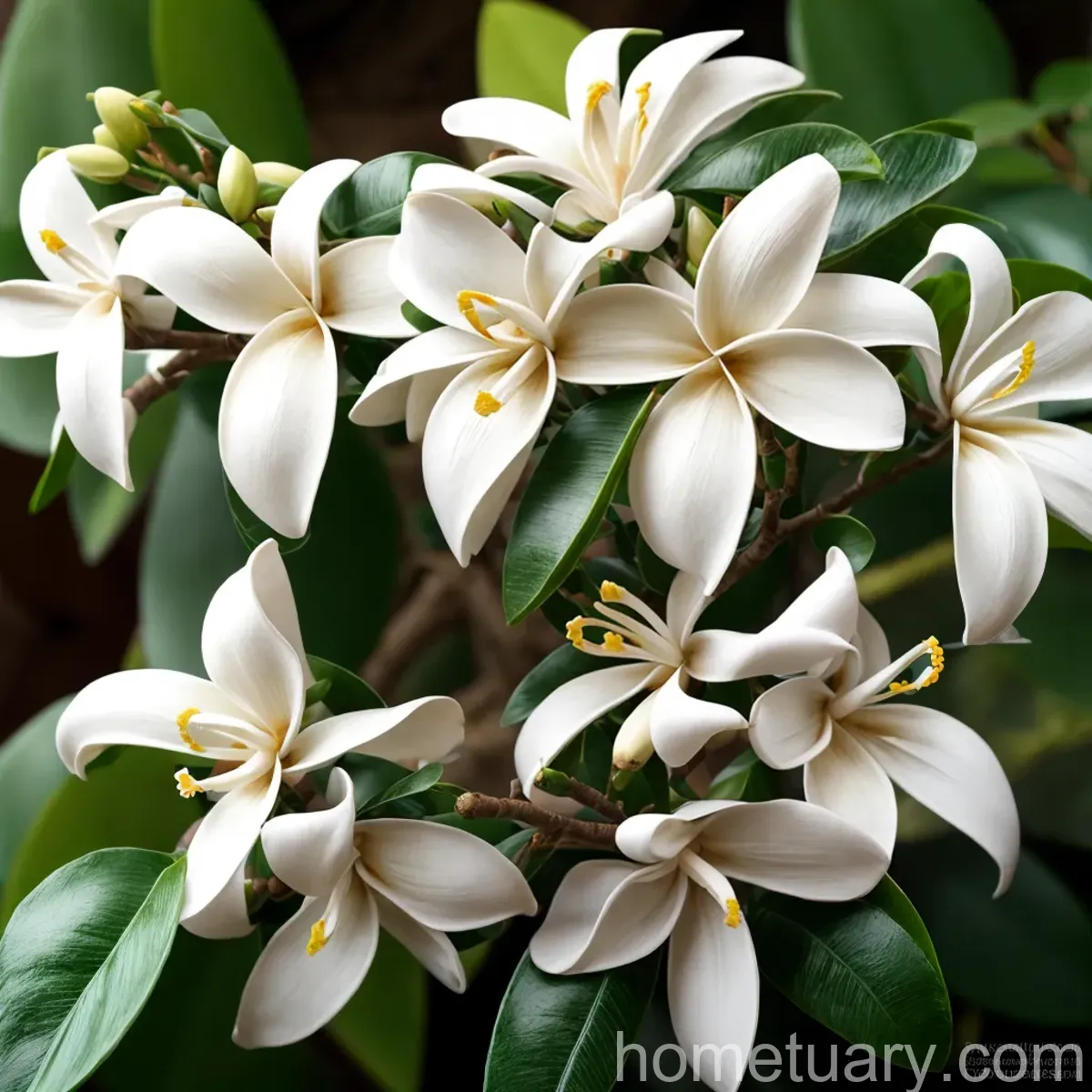
Madagascar Jasmine, scientifically known as Stephanotis floribunda, is a species of flowering plant in the family Apocynaceae. Originating from Madagascar and other regions of Madagascar, it is renowned for its fragrant, waxy flowers and lush, dark green foliage. This evergreen climber is characterized by its twining growth habit, making it an ideal choice for trellises, arbors, and pergolas, where it can gracefully climb and showcase its abundant blooms.
Plant Features:
- Foliage: Stephanotis floribunda is adorned with leathery, oblong, or oval-shaped leaves that are arranged oppositely along the stem. The leaves are glossy and deep green in color, providing an attractive backdrop for the striking white flowers.
- Flowers: The flowers of Madagascar Jasmine are tubular and waxy, comprising five distinct lobes that form a star shape when fully open. They release a sweet, intoxicating fragrance that intensifies during the evening, attracting pollinators and admirers alike.
- Growth Habit: As a climbing plant, Madagascar Jasmine exhibits a vigorous climbing habit, producing long, trailing vines lined with leaves and clusters of flowers.
Stephanotis floribunda is revered for its ornamental value and aromatic allure, making it a sought-after choice for bridal bouquets, floral adornments, and indoor décor. Beyond its aesthetic appeal, this plant has also been traditionally valued for its medicinal properties and cultural significance in various societies.
Key Takeaways – Madagascar Jasmine Stephanotis floribunda
Before diving into the specific care requirements of Madagascar Jasmine, let’s outline some key takeaways about this enchanting plant:
- Botanical Name: Stephanotis floribunda
- Common Names: Madagascar Jasmine, Bridal Wreath, Hawaiian Wedding Flower
- Origin: Madagascar, regions of East Africa and Australasia
- Plant Type: Evergreen twining vine
- Foliage: Glossy, dark green leaves
- Flowers: Fragrant, waxy, white star-shaped blossoms
- Growth Habit: Climbing and trailing
- Cultural Uses: Wedding decorations, floral arrangements, traditional medicine
- Indoor/Outdoor: Suitable for both indoor and outdoor cultivation
- Fragrance: Sweet, intoxicating aroma, especially prominent in the evening
- Popularity: Highly sought after for its beauty and fragrance
- Special Feature: Attracts pollinators and admirers with its scented blossoms
Now, let’s explore the specific care requirements for nurturing Stephanotis floribunda, encompassing its needs for water, sunlight, fertilizer, soil, pruning, and propagation, as well as insights into container gardening and common diseases and pests that may affect this delightful plant.
Culture
Understanding the cultural significance and traditional uses of Madagascar Jasmine provides valuable context for appreciating its unique characteristics and the role it plays in various customs and traditions.
Traditional and Cultural Significance:
Madagascar Jasmine has been woven into the cultural tapestry of several regions, where it holds symbolic and practical significance:
- Wedding Traditions: The delicate, aromatic flowers of Madagascar Jasmine have been cherished for centuries in wedding ceremonies and celebrations. They are often featured in bridal bouquets, worn as floral adornments, and used to create decorative wreaths, symbolizing purity, love, and the beauty of marriage.
- Traditional Medicine: In certain cultures, various parts of the plant, including the leaves and flowers, have been used for their medicinal properties. Infusions and extracts have been utilized to alleviate ailments and promote well-being, reflecting the plant’s multifaceted value beyond its ornamental allure.
Symbolism and Iconography:
Madagascar Jasmine is intricately linked with symbolism and iconography in diverse contexts:
- Love and Romance: The fragrant blossoms of Stephanotis floribunda are often associated with expressions of love, romance, and devotion. They are viewed as symbols of affection and commitment in the language of flowers.
- Purity and Innocence: The pristine, white flowers of Madagascar Jasmine convey a sense of purity and innocence, making them a fitting choice for commemorating significant life events, particularly weddings and anniversaries.
- Celebratory Flourishes: Whether adorning ceremonial spaces or serving as part of festive decorations, the flowers of Madagascar Jasmine add a touch of elegance and charm to special occasions, signifying beauty and joy.
Understanding the cultural context and symbolism associated with Madagascar Jasmine enriches our perception of this exceptional plant and its enduring allure.
Uses
Madagascar Jasmine serves a range of practical and decorative purposes, adding beauty and fragrance to various settings and applications.
Decorative and Ornamental Uses:
- Floral Arrangements: The long-lasting blooms and enchanting fragrance make Madagascar Jasmine a prized addition to floral arrangements, bridal bouquets, and decorative displays, infusing spaces with a sense of elegance and romance.
- Interior Décor: Whether grown as a potted plant or trained to climb on trellises, Madagascar Jasmine enhances indoor spaces with its lush foliage and scented blossoms, creating a captivating ambiance.
- Outdoor Landscaping: When cultivated outdoors, Madagascar Jasmine contributes to the beauty of gardens, courtyards, and verandas, offering a verdant backdrop and creating a delightful focal point with its profusion of flowers.
Traditional and Medicinal Uses:
- Herbal Remedies: In certain cultures, Madagascar Jasmine has been utilized for its medicinal properties, with preparations made from its leaves and flowers, believed to impart various health benefits and alleviate common ailments.
- Ceremonial Significance: The fragrant flowers of Stephanotis floribunda are integral to traditional customs and celebrations, particularly in the context of weddings and other significant life events, where they symbolize love, purity, and new beginnings.
Madagascar Jasmine’s versatility in serving both decorative and traditional functions underscores its enduring appeal and cultural relevance.
Water
Proper watering is fundamental to maintaining the health and vigor of Madagascar Jasmine, ensuring that it receives the moisture it needs to thrive while avoiding waterlogged conditions that can lead to root rot and other issues.
Watering Guidelines:
- Frequency: Water Madagascar Jasmine regularly, allowing the soil to partially dry out between waterings. Aim for a consistent moisture level without letting the soil become excessively dry or excessively wet.
- Soil Moisture: Check the moisture level of the soil by inserting your finger into the top inch of the soil. If it feels dry to the touch, it’s time to water the plant. Avoid letting the soil dry out completely, as this can stress the plant and lead to leaf drop.
- Water Quality: Use room-temperature water when watering Madagascar Jasmine, and avoid using water that is high in salts or minerals, as this can damage the plant’s roots over time.
Watering Methods:
- Direct Watering: Apply water directly to the soil around the base of the plant, ensuring that it permeates the root zone. Watering from below by allowing the plant to sit in a tray of water for a short period can also facilitate thorough hydration.
- Avoiding Overwatering: Be cautious not to overwater Madagascar Jasmine, as excessive moisture can lead to root rot and other fungal diseases. Always allow excess water to drain away from the pot or container to prevent waterlogging.
Proper watering practices are essential for sustaining the health and vitality of Madagascar Jasmine, contributing to robust growth and abundant flowering.
Sunlight
Providing appropriate levels of sunlight is crucial for Madagascar Jasmine to flourish and produce an abundance of fragrant, waxy flowers. By understanding its sunlight requirements, you can ensure that the plant receives the right amount of light to support its growth and blooming cycles.
Sunlight Needs:
- Indoor Placement: Place Madagascar Jasmine in a brightly lit location indoors, where it can receive bright, indirect sunlight for several hours each day. A north or east-facing window is typically suitable for providing the necessary light levels without exposing the plant to direct, intense sun.
- Outdoor Exposure: If cultivating Madagascar Jasmine outdoors, position it in a location that offers dappled sunlight or partial shade, protecting it from prolonged exposure to intense midday sun. A sheltered spot with gentle morning or late afternoon sun is often ideal for outdoor cultivation.
Light Intensity:
- Balanced Exposure: Madagascar Jasmine thrives in moderate to bright light conditions, benefiting from a balance of light and shade to support healthy growth and vigorous flowering.
- Avoiding Direct Sun: Protect the plant from direct sunlight during the hottest part of the day, especially in warmer climates, as prolonged exposure to intense sun can scorch the leaves and affect the plant’s overall health.
By carefully managing the plant’s exposure to sunlight, you can create an optimal environment that encourages robust growth and bountiful blooming.
Fertilizer
Fertilizing Madagascar Jasmine is essential for providing it with the nutrients it needs to sustain its growth, develop strong foliage, and produce an abundance of fragrant flowers. Understanding the appropriate fertilization regimen is key to promoting the plant’s overall health and vitality.
Fertilizer Selection:
- Balanced Formula: Choose a balanced, water-soluble fertilizer with a formulation such as 10-10-10 or 20-20-20, providing equal proportions of nitrogen, phosphorus, and potassium, along with essential micronutrients.
- Liquid vs. Granular: Liquid fertilizers are often preferable for Madagascar Jasmine, as they can be easily incorporated into the watering routine and absorbed by the plant’s roots. Granular fertilizers can also be applied, ensuring they are well-mixed into the soil during potting or repotting.
Fertilizing Schedule:
- Active Growing Season: During the active growing season, which typically spans spring and summer, fertilize Madagascar Jasmine every two to four weeks, providing a diluted solution of the chosen fertilizer as part of the regular watering routine.
- Resting Period: Reduce or suspend fertilization during the plant’s resting period in fall and winter, as its growth rate slows down and it requires fewer nutrients. Resume regular fertilization when the plant shows signs of renewed growth in the following spring.
Application Method:
- Dilution and Application: Dilute the fertilizer according to the manufacturer’s instructions and apply it to moist soil, allowing it to be absorbed by the plant’s root system. Avoid applying fertilizer to dry soil, as this can lead to root burn and potential damage to the plant.
By adhering to a consistent fertilization schedule and providing Madagascar Jasmine with the necessary nutrients, you can promote lush foliage and prolific flowering, ensuring the plant’s overall well-being.
Soil
Choosing the right type of soil for Madagascar Jasmine is essential for fostering healthy growth and ensuring proper drainage and aeration. By selecting a suitable soil mix and understanding the plant’s soil requirements, you can create an optimal growing environment for Stephanotis floribunda.
Soil Characteristics:
- Well-Draining Composition: Use a well-draining, porous potting mix that allows excess moisture to flow through and prevents waterlogging. A combination of peat moss, perlite, and coarse sand can create a balanced, moisture-retentive medium with good drainage.
- pH Level: Aim for a slightly acidic to neutral soil pH ranging from 6.0 to 7.0, providing a favorable environment for nutrient uptake and root health. Optimal pH levels support the plant’s overall vitality and robust growth.
Soil Amendments:
- Organic Matter: Incorporate organic matter such as compost, leaf mold, or well-rotted manure into the potting mix, enriching the soil with essential nutrients and improving its texture and structure.
- Aeration and Drainage: Adding perlite or coarse sand to the soil mix enhances aeration and drainage, preventing waterlogging and promoting healthy root development.
Container Considerations:
- Potting Containers: Choose pots or containers with drainage holes to facilitate proper drainage and prevent water accumulation at the bottom. Ensure that excess water can freely escape from the container, promoting a healthy root environment.
- Size and Depth: Select a pot that provides ample space for root growth, with a depth that accommodates the plant’s root system and allows for sufficient soil volume to sustain the plant’s growth.
By selecting a suitable soil mix, incorporating organic amendments, and ensuring proper drainage, you can create an optimal soil environment that supports Madagascar Jasmine’s growth and vitality.
Pruning
Pruning Madagascar Jasmine is an essential aspect of its care regimen, promoting healthy growth, enhancing its appearance, and managing its vigorous climbing habit. By understanding the principles of pruning and the specific techniques applicable to Stephanotis floribunda, you can cultivate a well-maintained and vibrant plant.
Pruning Objectives:
- Shape and Appearance: Prune Madagascar Jasmine to maintain a neat, well-groomed appearance, preventing excessive growth and maintaining an attractive form. Regular pruning helps manage the plant’s size and shape, ensuring it remains manageable and visually appealing.
- Encouraging Bloom: Pruning can stimulate flowering and enhance blooming, as it prompts the plant to channel its energy into producing new growth and blossoms. Trimming back overgrown or older growth can facilitate vigorous new shoots and abundant flowering.
Pruning Techniques:
- Deadheading Spent Flowers: Remove spent or faded flowers to promote continuous blooming and prevent the plant from expending energy on seed production. Deadheading encourages the plant to focus on new growth and subsequent flower production.
- Thinning and Shaping: Thin out overcrowded or tangled stems and branches to improve air circulation and sunlight exposure. Additionally, shape the plant by selectively trimming back wayward growth, enhancing its overall appearance and structure.
Timing and Frequency:
- Post-Bloom Pruning: After the main blooming period, typically in late summer or early fall, conduct a thorough post-bloom pruning session to remove any spent blossoms, shape the plant, and encourage rejuvenated growth for the following season.
- Maintenance Pruning: Throughout the year, perform periodic maintenance pruning to trim back excessive growth, remove damaged or diseased branches, and maintain the plant’s size and shape.
Propagation Pruning:
- Propagation Cuttings: Pruning also serves as a means of obtaining propagation cuttings, enabling you to propagate new plants from the trimmed stems. Select healthy, non-flowering stems for propagation and trim them to prepare the cuttings for rooting.
By incorporating regular pruning into the care routine for Madagascar Jasmine, you can manage its growth, improve its appearance, and stimulate prolific flowering, ensuring the plant remains an enchanting centerpiece in your indoor or outdoor garden.
Propagation
Propagating Madagascar Jasmine through various methods allows you to expand your collection of these charming plants and share their beauty with fellow gardening enthusiasts. Understanding the principles of propagation and the specific techniques applicable to Stephanotis floribunda enables you to successfully propagate new plants from existing specimens.
Propagation Methods:
- Stem Cuttings: Propagation from stem cuttings is a commonly used and effective method for propagating Madagascar Jasmine. Select healthy, non-flowering stems and take cuttings with at least two leaf nodes. Dip the cut ends in rooting hormone and place them in a moist, well-draining rooting medium to encourage root formation.
- Layering: Air layering can be employed to propagate Madagascar Jasmine by inducing roots to form on a stem while it is still attached to the parent plant. This method allows for the development of a new plant that can later be separated and potted individually.
- Division: In some cases, Madagascar Jasmine can be propagated through division by carefully separating the root ball into multiple sections, each containing viable roots and shoots. This method is typically used when repotting mature plants to create new specimens.
Propagation Considerations:
- Seasonal Timing: Choose the appropriate season for propagation, typically during the active growing phase in spring or early summer when the plant is actively producing new growth and the environmental conditions are conducive to root development.
- Rooting Environment: Provide the ideal rooting environment for stem cuttings, layering, or division, ensuring adequate humidity, warmth, and moisture to support the formation of new roots and the establishment of young plants.
Care for New Plants:
- Root Development: Once the new plants have established roots, carefully transplant them into individual pots or containers filled with well-draining potting mix. Provide appropriate watering and light conditions to support their continued growth and development.
- Acclimatization: Gradually acclimate the newly propagated plants to their growing environment, shielding them from direct sunlight and extreme temperatures during the initial phase to reduce transplant shock and promote successful establishment.
By mastering the art of propagating Madagascar Jasmine, you can expand your collection of these delightful plants, share their beauty with others, and perpetuate their charming presence in your botanical ensemble.
Container Popularity
Madagascar Jasmine’s versatility as a container plant has made it a popular choice for indoor and outdoor cultivation, offering an enchanting presence and a delightful fragrance in a compact, manageable form. Its widespread appeal as a container plant is underscored by its adaptability to diverse growing environments and its ornamental and aromatic allure.
Indoor Container Gardening:
- Potted Elegance: Madagascar Jasmine thrives as an indoor potted plant, adorning living spaces with its glossy foliage and fragrant blossoms, creating an inviting atmosphere and adding a touch of natural beauty to interior décor.
- Climbing Containers: Select climbing or trellised containers to accommodate the plant’s twining growth habit, enabling it to climb and flourish within confined indoor spaces while showcasing its trailing vines and abundant blooms.
Outdoor Container Cultivation:
- Porch or Patio Accent: When grown in containers outdoors, Madagascar Jasmine lends a charming presence to porches, patios, and balconies, enhancing outdoor settings with its lush foliage and aromatic flowers.
- Container Climbing Frames: Utilize trellises and climbing frames within outdoor containers to support the upward growth of Madagascar Jasmine, creating a captivating vertical display and maximizing the use of limited outdoor space.
Benefits of Container Cultivation:
- Manageable Size: Growing Madagascar Jasmine in containers enables you to control its size and growth, making it suitable for small gardens, urban spaces, and indoor environments where space is limited.
- Portability: Container-grown Madagascar Jasmine can be repositioned as needed, allowing for flexibility in optimizing light exposure and accommodating seasonal changes in temperature and sunlight.
Madagascar Jasmine’s popularity as a container plant stems from its adaptability, ornamental appeal, and delightful fragrance, making it a beloved choice for both indoor and outdoor gardening enthusiasts.
Common Diseases
Despite its resilience, Madagascar Jasmine is susceptible to certain diseases and disorders that can affect its overall health and vitality. Recognizing the signs of common diseases and understanding how to manage and prevent them is essential for safeguarding the well-being of Stephanotis floribunda.