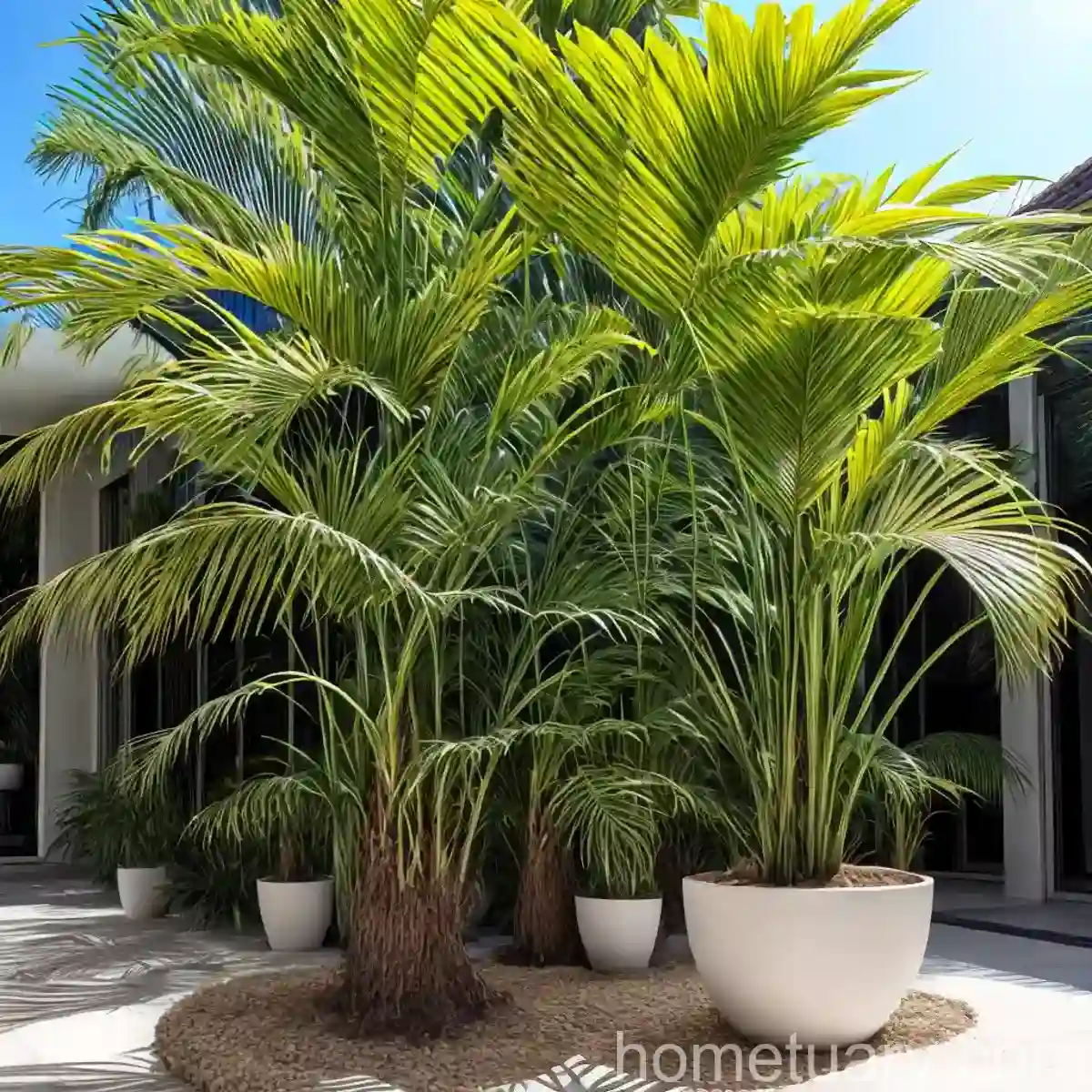
Kentia Palm Plant (Howea forsteriana): A Comprehensive Guide
As a plant scientist, I am often asked about the most elegant and low-maintenance indoor plants, and one of my top recommendations is the Kentia Palm. Known botanically as Howea forsteriana, this graceful plant is a species of flowering plant in the palm family Arecaceae, endemic to Lord Howe Island in Australia. Its stunning appearance and undemanding nature have made it a popular choice for indoor decoration and landscaping around the world. In this comprehensive guide, I will delve into the captivating world of the Kentia Palm, covering everything from its basic characteristics to care tips, propagation, and common issues.
What is the Kentia Palm Plant (Howea forsteriana)?
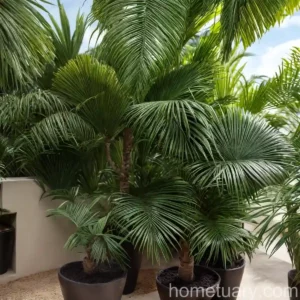
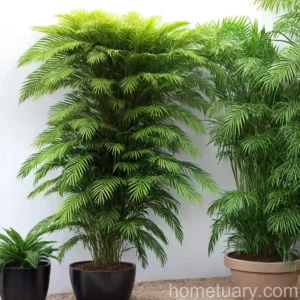
The Kentia Palm (Howea forsteriana) is a slow-growing, graceful palm that can add a touch of tropical elegance to any indoor space. Its slender, arching, dark green fronds, and slender trunk make it a luxurious and visually appealing addition to homes, offices, and public spaces.
Key Takeaways – Kentia Palm Plant (Howea forsteriana)
- Scientific Name: Howea forsteriana
- Common Name: Kentia Palm
- Family: Arecaceae
- Genus: Howea
- Origin: Lord Howe Island, Australia
- Growth: Slow
- Use: Indoor plant, landscaping
- Special Feature: Air-purifying
Now, let’s dive into the specifics of caring for the Kentia Palm.
Culture
The cultural requirements of the Kentia Palm make it an attractive choice for both novice and experienced plant enthusiasts. Its adaptability to indoor environments along with its easy-going nature make it a popular choice.
Uses
- Indoor Plant: Kentia palm is widely used as an indoor ornamental plant, especially in homes and offices. Its graceful fronds add a touch of sophistication to any space.
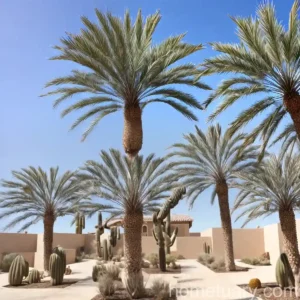
- Landscaping: In suitable climates, the Kentia Palm is also used in outdoor landscaping, adding a tropical touch to gardens, resorts, and public spaces.
Water
Kentia Palms are not demanding when it comes to watering. One of the key factors to remember is that they do not appreciate being overwatered, which can lead to root rot.
- Frequency: Water the palm when the top inch of soil feels dry.
- Amount: Water thoroughly, allowing excess water to drain from the container or soil.
- Preference: They prefer being kept slightly on the drier side than overwatered.
- Signs of Overwatering: Yellowing or browning of lower fronds, soft or rotting stems.
Sunlight
Light is an essential factor for the growth and appearance of the Kentia Palm. While it can tolerate low light conditions, it thrives in bright, indirect light.
- Preference: Bright, indirect light is ideal. Direct sunlight can scorch the leaves.
- Low-light Tolerance: Can tolerate low light, but growth may slow down.
- Indoor Placement: Place it near a window with sheer curtains or in a well-lit room away from direct sunlight.
Fertilizer
Proper fertilization is essential to support the growth and health of the Kentia Palm.
- Frequency: Fertilize every 2-3 months during the growing season (spring and summer).
- Type: Use a balanced, water-soluble fertilizer diluted to half-strength.
- Application: Apply the fertilizer to moist soil to prevent root burn.
- Avoidance: Do not fertilize in winter when growth slows down.
Soil
The right soil composition is crucial for the well-being of the Kentia Palm.
- Type: Well-draining, rich potting mix, such as a mixture of peat, perlite, and compost.
- Acidity: Slightly acidic to neutral soil pH is preferred.
- Moisture-retention: Should retain some moisture but not become waterlogged.
Pruning
Pruning helps maintain the appearance and health of the Kentia Palm.
- Dead Frond Removal: Remove any yellowing, curled, or dead fronds. Cut them off at the base, making sure not to damage the trunk.
- Trimming: Prune brown or yellow leaf tips to maintain a tidy appearance.
- Sterilization: Use clean, sharp pruning shears to prevent disease transmission.
Propagation
While Kentia Palms can be propagated, it may not be a common practice for average indoor gardeners due to the slow growth of the plant.
- Method: Propagation is mainly achieved through seeds, which require patience and specialized conditions for germination.
- Seed Source: Collect seeds from the fruit produced by mature Kentia Palms.
- Timeframe: Growing a Kentia Palm from seed to a substantial size can take several years.
Container Popularity
Container Choices
Kentia Palms are often used in decorative containers or planters to enhance their visual appeal.
- Material: Decorative ceramic, terracotta, or fiberglass containers are popular choices.
- Size: Choose a container that allows for some room for root expansion.
- Drainage: Ensure the container has drainage holes to prevent waterlogging.
Common Diseases
Like all plants, Kentia Palms are susceptible to certain diseases and conditions.
Disease Diagnosis
- Root Rot: Overwatering or waterlogged soil can lead to root rot, causing wilting and yellowing of fronds.
- Leaf Spot: Fungal infections can cause brown or black spots on the leaves.
- Pest Attraction: Stressed or weakened plants are more susceptible to pests such as spider mites and mealybugs.
Common Pests
Kentia Palms are relatively resistant to pests but can occasionally fall victim to a few common insect intruders.
- Spider Mites: These tiny pests can cause stippling and webbing on leaves.
- Mealybugs: These sap-sucking insects can infest the underside of fronds, leading to yellowing and stunted growth.
Botanist’s Tips
- Observation: Regularly check the soil moisture and overall condition of the plant.
- Watering: Allow the soil to dry slightly between waterings to prevent overwatering.
- Light: Provide bright, indirect light to encourage healthy growth.
- Maintenance: Regularly remove spent fronds to maintain the plant’s appearance and health.
Fun Facts
- Kentia Palms are known for their air-purifying capabilities, making them an excellent choice for indoor spaces.
- The fronds of the Kentia Palm, when dried, can be used to weave hats and baskets on Lord Howe Island.
Links to External Resources
For more information on Kentia Palm care, propagation, and common issues, I recommend exploring the following resources:
In conclusion, the Kentia Palm (Howea forsteriana) is a remarkable plant that can bring a touch of the tropics into any indoor setting. With its minimal maintenance needs and air-purifying qualities, it is not surprising that this palm has become a favorite for indoor decoration. By understanding its cultural requirements and being attentive to its needs, plant enthusiasts can enjoy the beauty and elegance of the Kentia Palm for many years to come.
I hope this comprehensive guide has provided valuable insights into the world of Kentia Palms and will assist you in successfully nurturing these elegant plants in your own spaces. If you have further questions or insights to share, feel free to connect and share your experiences with this captivating palm species.
Happy planting!
References
- “Kentia Palm care” – https://www.thespruce.com/kentia-palm-growing-tips-1902555
- “Howea forsteriana plant” – https://www.gardeningknowhow.com/houseplants/kentia-palm/growing-kentia-palms.htm