Plumeria Rubra (Frangipani)
Plumeria rubra, commonly known as Frangipani, is a delightful and exotic plant that is celebrated for its vibrant and aromatic flowers. This tropical.
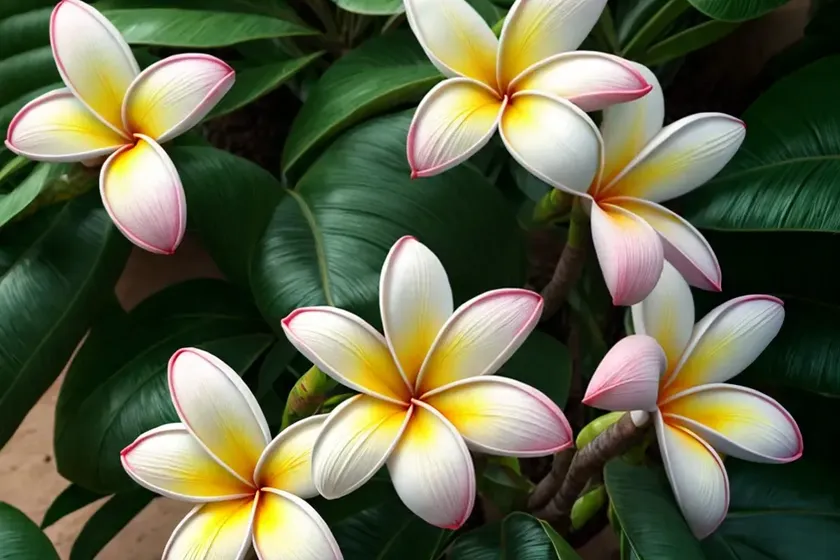
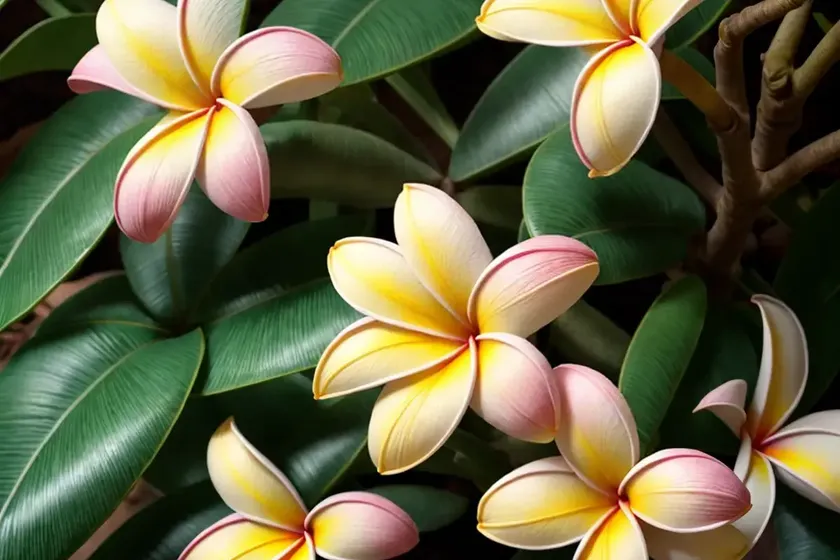
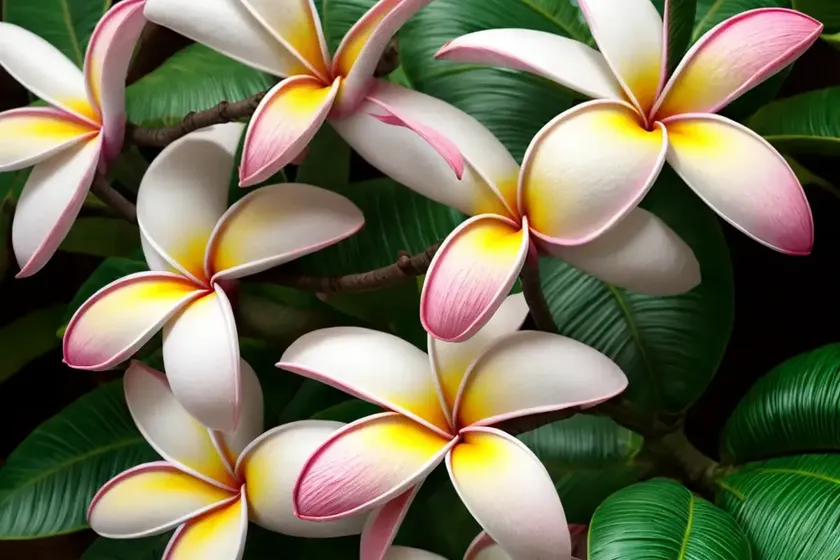
Plumeria rubra, commonly known as Frangipani, is a delightful and exotic plant that is celebrated for its vibrant and aromatic flowers. This tropical beauty has captured the hearts of plant enthusiasts and gardeners around the world, and for good reason. In this comprehensive guide, we will delve into the world of Plumeria rubra, exploring its culture, uses, care requirements, and propagation techniques.
What is Plumeria rubra (Frangipani)?
Plumeria rubra, a member of the Apocynaceae family, is native to Central America, Mexico, the Caribbean, and South America. This striking plant is characterized by its thick, succulent stems and its showy, fragrant flowers. The flowers appear in an array of colors, including vibrant shades of pink, yellow, red, and white, often with a yellow throat and highly fragrant scent. The plant is well-known for its use in traditional Hawaiian leis and is often associated with tropical landscapes and warm, sunny climates.
Key Takeaways – Plumeria rubra (Frangipani)
Before we delve into the comprehensive care guide for Plumeria rubra, let’s take a look at some of the key takeaways about this enchanting plant.
-
Plumeria rubra Varieties: There are numerous Plumeria rubra varieties, each showcasing a unique color palette and distinguishing features in their flowers.
-
Frangipani Tree: Plumeria rubra is often referred to as the Frangipani tree due to its tree-like growth habit and remarkable, fragrant flowers.
-
Plumeria rubra Care: Providing the right care, including proper watering, sunlight, and soil conditions, is essential for the health and blooming of Plumeria rubra.
-
Frangipani Flower Symbolism: In various cultures, the Frangipani flower holds symbolic significance, representing love, beauty, and positivity.
-
Plumeria rubra NZ: Enthusiasts in New Zealand seek specific guidance on growing and caring for Plumeria rubra in their unique climate.
-
Frangipani Tree Facts: Learning about the fascinating facts, growth habits, and natural history of the Frangipani tree adds to the allure of this captivating plant.
-
Plumeria rubra Propagation: Understanding the propagation methods allows for the expansion of Plumeria rubra in both gardens and collections.
-
Frangipani Tree Care: Proper care practices, including pruning and fertilization, are crucial for maintaining healthy and blooming Frangipani trees.
-
Plumeria rubra Seeds: The propagation of Plumeria rubra often involves the use of its seeds, and understanding the seed characteristics is essential for successful propagation.
-
Frangipani Flower Meaning: The significance and symbolism of Frangipani flowers in various cultures spark intrigue and appreciation for this plant.
Now, let us explore the various aspects of cultivating and caring for Plumeria rubra, including its culture, uses, and specific care requirements.
Culture
Water
Proper watering is essential for the health and vitality of Plumeria rubra. It is important to establish a balanced watering routine, ensuring that the plant receives adequate moisture without becoming waterlogged. During the active growing season, which typically spans spring and summer, it is recommended to water the plant when the soil becomes almost dry. This allows the roots to have access to moisture while preventing waterlogging, which can lead to root rot.
In contrast, during the plant’s dormant period, which typically occurs in fall and winter, it is advisable to reduce watering frequency. This mimics the natural precipitation patterns in its native habitat and helps prevent overwatering, which can be detrimental to the plant’s health during dormancy.
Plumeria rubra Water Needs
- During Active Growth: Water when the top inch of soil is dry
- Dormant Period: Reduce watering frequency to mimic seasonal rainfall patterns
Sunlight
Plumeria rubra thrives in bright, direct sunlight, and it is essential to provide it with at least 6 hours of sunlight daily. In regions with cooler climates, positioning the plant in a sunny, sheltered spot can aid in maximizing sunlight exposure and enhancing its growth and blooming potential. Ensuring ample sunlight is particularly crucial for inducing prolific flowering and maintaining the health and vigor of the plant.
Plumeria rubra Sun Requirements
- Sun Exposure: Provide at least 6 hours of direct sunlight daily
- Sheltered Spots: In cooler climates, position the plant in a sunny, sheltered area
Fertilizer
Applying a balanced fertilizer can significantly contribute to the overall health and flowering capacity of Plumeria rubra. During the growing season, the application of a high-phosphorus fertilizer can help promote the development of robust roots and prolific flowering. A fertilizer with a formulation such as 10-30-10 or 5-50-17 is often recommended for ensuring an ample supply of phosphorus for the plant’s flowering needs.
Additionally, it is essential to avoid fertilizing the plant during its dormant period, as the reduced metabolic activity during this time diminishes the plant’s ability to utilize nutrients effectively. Fertilization should be resumed only when the plant re-enters its active growing phase in the subsequent season.
Plumeria rubra Soil Requirements
- High-Phosphorus Fertilizer: Use a formulation such as 10-30-10 or 5-50-17 to support flowering
- Avoid Dormant Period Fertilization: Resume fertilization when the plant enters its active growing phase
Soil
Plumeria rubra thrives in well-draining soil with a slightly acidic to neutral pH range. It is advisable to use a coarse, well-draining potting mix that allows excess water to escape freely, preventing waterlogging and potential root rot. A combination of perlite, coarse sand, and organic matter can be employed to create an ideal growing medium for Plumeria rubra, ensuring adequate aeration and drainage for the roots.
Plumeria rubra Soil pH
- Slightly Acidic to Neutral: Aim for a soil pH range of 6.1 to 7.5
- Well-Draining Mix: Utilize a combination of perlite, coarse sand, and organic matter
Pruning
Pruning is an important aspect of Plumeria rubra care, contributing to its overall appearance, health, and flowering potential. Regular pruning helps maintain the plant’s shape, removes dead or diseased branches, and promotes the development of new growth. When pruning, it is important to use clean, sterilized pruning tools to minimize the risk of transmitting diseases to the plant.
Plumeria rubra Pruning
- Shape Maintenance: Regular pruning helps in shaping the plant and removing dead or diseased branches
- New Growth Promotion: Pruning stimulates the development of new growth and enhances flowering potential
Propagation
Propagation of Plumeria rubra can be achieved through various methods, including stem cuttings, seeds, and grafting. Stem cuttings are a popular and reliable method for propagating Plumeria rubra, allowing enthusiasts to create new plants with characteristics identical to the parent plant. The process involves selecting a healthy stem cutting, allowing it to callus, and then planting it in a well-draining potting mix to encourage root development.
Plumeria rubra Cutting Propagation
- Select Healthy Stem Cuttings: Choose stem cuttings with no signs of disease or damage
- Allow Callusing: Let the cut end callus before planting to prevent rotting
- Plant in Well-Draining Mix: Utilize a well-draining potting mix to encourage root development
Container Popularity
Plumeria rubra is a popular choice for container gardening, allowing enthusiasts to cultivate and appreciate its beauty in a controlled environment. The use of containers provides the flexibility to position the plant in optimal sunlight conditions, protect it from adverse weather, and create an inviting display on patios, decks, and balconies.
Plumeria rubra Container Gardening
- Optimal Sunlight Placement: Position the container to maximize sunlight exposure
- Decorative Displays: Create attractive and inviting displays on patios, decks, or balconies
Common Diseases
Disease Diagnosis
Plumeria rubra is susceptible to various diseases, including fungal infections and bacterial rots. Common diseases that affect this plant include powdery mildew, sooty mold, and stem rot. It is crucial to regularly inspect the plant for any signs of disease, including discolored or wilting foliage, unusual growths, or visible mold. Prompt diagnosis and intervention are essential for managing and preventing the spread of diseases.
Plumeria rubra Common Diseases
- Powdery Mildew: White, powdery spots on leaves and stems
- Sooty Mold: Black, sooty growth on the surface of leaves
- Stem Rot: Soft, discolored areas on stems and branches
Common Pests
Plumeria rubra is also susceptible to infestations by common garden pests, including aphids, scale insects, and spider mites. These pests can affect the plant’s overall health and flowering capacity if left unchecked. Regular monitoring and the application of appropriate pest management practices, such as insecticidal soaps or horticultural oils, are essential for keeping pest populations under control.
Plumeria rubra Common Pests
- Aphids: Small, sap-sucking insects found on foliage and stems
- Scale Insects: Hard or soft scale insects that attach to stems and leaves
- Spider Mites: Tiny mites that cause stippling and webbing on the foliage
Botanist’s Tips
To ensure the successful cultivation and care of Plumeria rubra, it is beneficial to keep the following tips in mind:
- Provide Adequate Sunlight: Position the plant in an area that receives ample sunlight to encourage robust growth and prolific flowering.
- Monitor Watering Carefully: Strike a balance in watering, allowing the soil to dry slightly before watering during the active growing season and reducing frequency during dormancy.
- Use Well-Draining Soil: Employ a well-draining potting mix to prevent waterlogging and maintain root health.
- Regularly Inspect for Pests and Diseases: Keep a close eye on the plant for any signs of infestations or diseases, addressing them promptly to prevent widespread damage.
Fun Facts
Here are some intriguing and delightful facts about Plumeria rubra:
- The fragrance of Plumeria rubra flowers is often used in the production of perfumes and scented oils.
- In various cultures, Frangipani flowers are associated with symbolism related to love, beauty, and positivity.
- Some species of Plumeria rubra, such as the “Singapore White,” are known for their exceptionally fragrant and showy flowers.
- The plant’s milky sap contains alkaloids and can cause skin irritation, necessitating caution when handling the plant.
Links to External Resources
For further information on Plumeria rubra, including cultivation tips, care guides, and species-specific details, refer to the following resources:
- The Plumeria Society of America
- Royal Horticultural Society: Plumeria rubra
- University of Florida IFAS Extension: Growing Plumeria in Florida
As we conclude our comprehensive guide to Plumeria rubra, it is evident that this enchanting plant holds a special place in the hearts of plant enthusiasts and gardeners worldwide. By understanding its culture, care requirements, and uses, we can appreciate and cultivate the beauty of Plumeria rubra, adding a touch of tropical elegance to our homes and gardens. Whether it’s the vibrant hues of its flowers, the rich symbolism they carry, or the captivating fragrance they emit, Plumeria rubra continues to captivate and inspire nature lovers around the globe.
References:
1. “Plumeria rubra (Frangipani) – University of Florida IFAS Extension: Growing Plumeria in Florida.” University of Florida IFAS Extension, ufl.zoom.us/webinar/register/WN_IfhU5fisiNbq2xuftitimeQ.
2. “I Plumeria Rubra I.” The Royal Horticultural Society, www.rhs.org.uk/plants/86872/i-plumeria-rubra-i/details.
3. “The Plumeria Society of America.” The Plumeria Society of America, www.theplumeriasociety.org/.