Lychnis Flos-cuculi ‘Petite Jenny’ (Ragged Robin)
In the world of horticulture, Lychnis flos-cuculi ‘Petite Jenny’, commonly known as Ragged Robin, is a captivating and versatile perennial that attracts.
Introduction
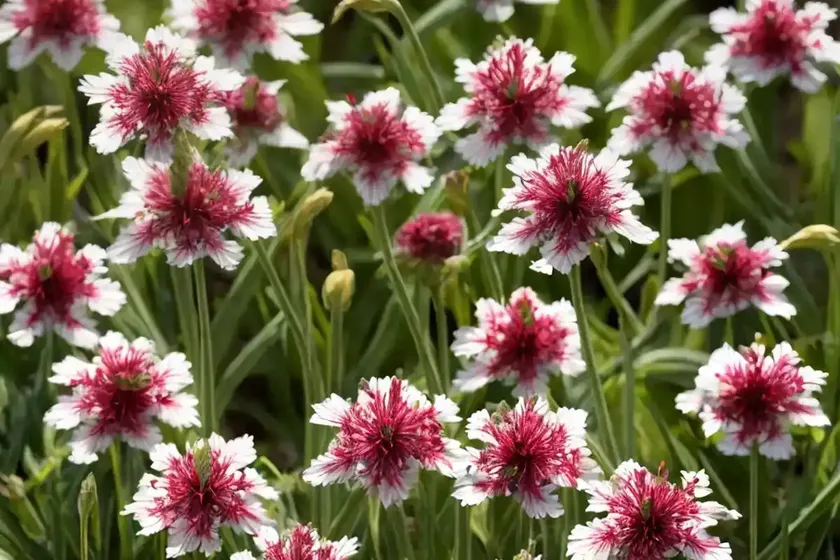
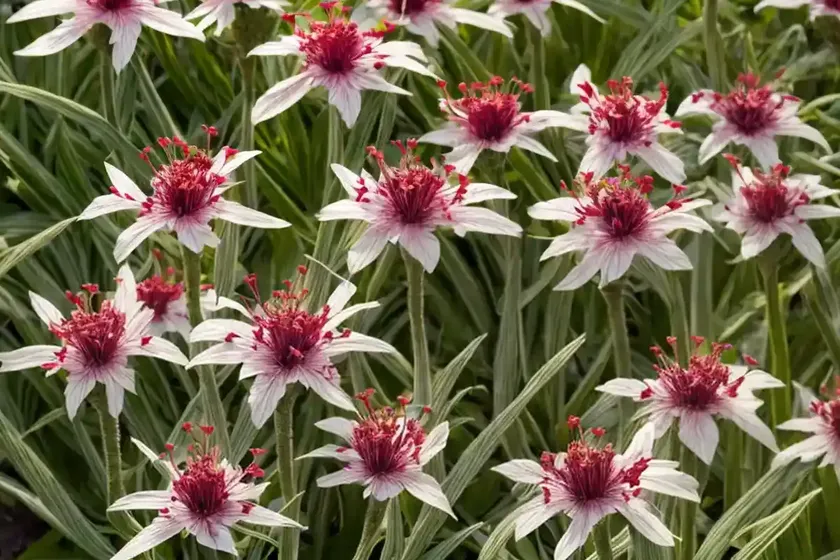
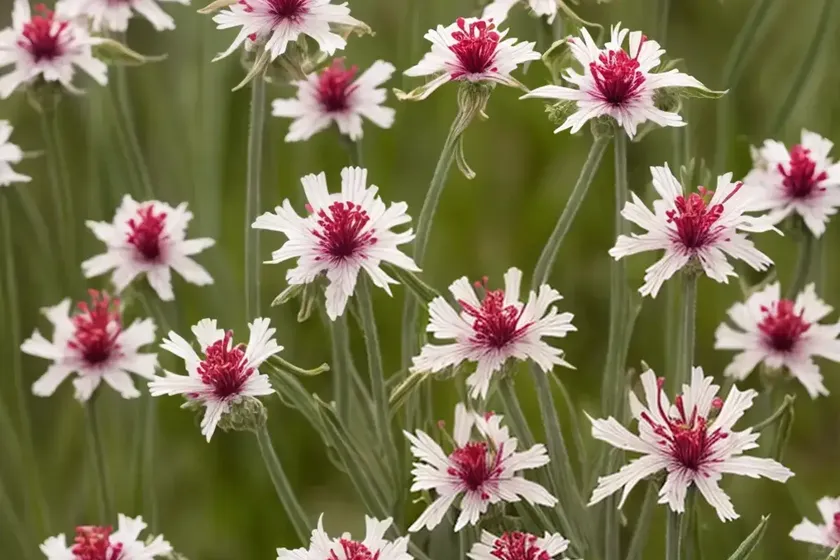
In the world of horticulture, Lychnis flos-cuculi ‘Petite Jenny’, commonly known as Ragged Robin, is a captivating and versatile perennial that attracts attention with its delicate, ragged-edged pink blooms. This beautiful plant has garnered popularity among garden enthusiasts due to its ease of care, adaptability, and ornamental value. In this comprehensive guide, we will delve into the culture, uses, care requirements, common diseases, and other essential aspects of Lychnis flos-cuculi ‘Petite Jenny’. Whether you are a seasoned gardener looking for new additions to your landscape or a beginner interested in exploring the world of ornamental plants, this article is crafted to provide you with valuable insights into this intriguing plant.
Key Takeaways – Lychnis flos-cuculi ‘Petite Jenny’ (Ragged Robin)
- Botanical Name: Lychnis flos-cuculi ‘Petite Jenny’
- Common Name: Ragged Robin
- Plant Type: Herbaceous perennial
- Bloom Time: Late spring to early summer
- Bloom Color: Pink
- Growth Habit: Clump-forming
- Foliage: Narrow, lance-shaped, and bright green
- Sunlight Requirements: Full sun to partial shade
- Soil Type: Well-drained, moist soil
- Hardiness Zones: 3 to 7
Culture
Water
Lychnis flos-cuculi ‘Petite Jenny’ thrives in evenly moist soil and should be consistently watered, especially during dry spells. However, it is crucial to ensure proper drainage to prevent waterlogging, which can lead to root rot and other potential issues. Watering frequency may vary depending on the climate, soil type, and the plant’s stage of growth.
Sunlight
This charming perennial prefers full sun to partial shade. When provided with ample sunlight, Lychnis flos-cuculi ‘Petite Jenny’ produces an abundance of blooms, enhancing its aesthetic appeal. In regions with intense summer heat, providing some afternoon shade can prevent the plant from experiencing stress and scorching.
Uses
Ornamental Value
Lychnis flos-cuculi ‘Petite Jenny’ serves as an enchanting addition to garden borders, cottage gardens, and wildflower meadows, where its delicate blooms impart a soft, romantic allure. This perennial is also suitable for pollinator gardens, attracting butterflies, bees, and other beneficial insects with its nectar-rich flowers.
Cut Flowers
The captivating pink blooms of ‘Petite Jenny’ make it an excellent choice for cut flower arrangements, adding a touch of elegance and natural charm to indoor spaces. When properly harvested, the flowers exhibit good vase life, allowing enthusiasts to enjoy their beauty both indoors and outdoors.
Fertilizer
Organic Matter
Incorporating organic matter such as compost or well-rotted manure into the soil during the planting process can provide the necessary nutrients for Lychnis flos-cuculi ‘Petite Jenny’. This practice also improves soil structure and enhances moisture retention, promoting healthy growth and abundant flowering.
Balanced Fertilizer
During the growing season, applying a balanced fertilizer with an N-P-K ratio of 10-10-10 or similar composition can support the plant’s vigor and blooming capacity. It is advisable to follow the manufacturer’s recommendations regarding application rates and frequency to avoid over-fertilization, which can be detrimental to the plant’s well-being.
Soil
Well-Drained Soil
Lychnis flos-cuculi ‘Petite Jenny’ thrives in well-drained soil with adequate moisture retention. A loamy or sandy loam soil that offers good drainage while retaining essential nutrients is ideal for promoting healthy root development and overall plant growth. Prior to planting, it is beneficial to amend heavy or compacted soil with organic matter to enhance its texture and drainage capabilities.
pH Level
The preferred soil pH for Lychnis flos-cuculi ‘Petite Jenny’ ranges from slightly acidic to neutral (pH 6.0 to 7.0). Conducting a soil test can offer valuable insights into the existing pH level and provide guidance on necessary amendments to create an optimal growing environment for the plant.
Pruning
Deadheading
Regular deadheading of spent blooms not only maintains the plant’s tidy appearance but also encourages prolonged flowering. By removing fading flowers, gardeners can stimulate the production of new buds, extending the blooming period and enhancing the ornamental value of Lychnis flos-cuculi ‘Petite Jenny’.
Division
Every few years, dividing mature clumps of Lychnis flos-cuculi ‘Petite Jenny’ can rejuvenate the plant and prevent overcrowding. This practice promotes vigor, ensures adequate air circulation, and allows the plant to allocate energy towards producing healthy foliage and blooms.
Propagation
Division
Propagating Lychnis flos-cuculi ‘Petite Jenny’ through division is a straightforward and reliable method. During the early spring or fall, carefully lift the plant and divide the clumps, ensuring that each division possesses viable roots and healthy growth points. The newly divided sections can then be replanted in suitable locations, where they can establish and flourish.
Seeds
Collecting and sowing seeds is another viable approach for propagating Lychnis flos-cuculi ‘Petite Jenny’. By harvesting mature seeds from the plant and sowing them in prepared seed beds or containers, gardeners can foster the growth of new plants. Providing the seeds with warmth, moisture, and suitable growing conditions can facilitate germination and subsequent establishment.
Container Popularity
Versatile Container Plant
Lychnis flos-cuculi ‘Petite Jenny’ exhibits versatility as a container plant, offering an opportunity for gardening enthusiasts with limited space to incorporate its beauty into their outdoor or indoor settings. When grown in containers, this perennial can adorn patios, balconies, and other confined spaces, adding a touch of natural elegance and charm.
Elevated Displays
Elevated container displays featuring Lychnis flos-cuculi ‘Petite Jenny’ allow individuals to showcase the plant’s enchanting blooms at eye level, creating focal points and enhancing visual interest. Selecting aesthetically pleasing containers that complement the plant’s unique characteristics can amplify the overall appeal of the container-grown specimen.
Common Diseases
Powdery Mildew (Erysiphe cichoracearum)
Powdery mildew, characterized by a white, powdery growth on the foliage, can occasionally affect Lychnis flos-cuculi ‘Petite Jenny’, particularly in conditions of high humidity and poor air circulation. Employing preventive measures such as adequate spacing, proper watering practices, and promoting good air circulation can mitigate the risk of powdery mildew.
Rust (Order: Pucciniales)
Rust diseases, manifested as orange or reddish-brown pustules on the leaves, stems, or flowers, can pose a threat to the health and appearance of Lychnis flos-cuculi ‘Petite Jenny’. Ensuring appropriate sanitation, removing and disposing of infected plant debris, and providing optimal growing conditions can aid in preventing and managing rust infestations.
Disease Diagnosis
Inspection and Recognition
Regular inspection of Lychnis flos-cuculi ‘Petite Jenny’ for unusual symptoms such as discolored foliage, abnormal growths, or diminished vigor can aid in the early detection of potential diseases. Familiarizing oneself with common plant ailments and their characteristic symptoms enables gardeners to promptly identify and address issues before they escalate.
Professional Consultation
In cases where the diagnosis or management of plant diseases proves challenging, seeking assistance from professional horticulturists, plant pathologists, or local agricultural extension services can provide valuable guidance and insights. Utilizing their expertise can lead to accurate diagnoses and effective strategies for safeguarding the health of Lychnis flos-cuculi ‘Petite Jenny’.
Common Pests
Aphids (Order: Hemiptera)
Aphids, small sap-feeding insects, can infest Lychnis flos-cuculi ‘Petite Jenny’, resulting in distorted growth, yellowing foliage, and the secretion of sticky honeydew. Encouraging natural predators, such as ladybugs and lacewings, and utilizing insecticidal soaps or horticultural oils can help manage aphid populations in a garden or landscape setting.
Slugs and Snails (Class: Gastropoda)
Slugs and snails are known to feed on the tender foliage and blooms of Lychnis flos-cuculi ‘Petite Jenny’, often leaving behind noticeable feeding damage. Employing physical barriers, such as copper tape or diatomaceous earth, and maintaining clean garden spaces can aid in deterring these pests and safeguarding the plant’s vitality.
Botanist’s Tips
-
Lychnis flos-cuculi ‘Petite Jenny’ can serve as an excellent companion plant in mixed perennial borders, where it complements other flowering perennials and adds a layer of textural interest.
-
When selecting a site for planting Lychnis flos-cuculi ‘Petite Jenny’, prioritize locations that offer well-drained soil, ample sunlight, and adequate air circulation to promote optimal growth and flowering.
-
Regularly monitoring the plant for signs of stress, disease, or pest infestations allows for prompt intervention and the preservation of the plant’s health and beauty.
Fun Facts
- The genus name Lychnis is derived from the Greek word “lychnos,” which translates to “lamp,” possibly alluding to the use of the plant in traditional oil lamp wicks or its glowing floral displays.
- Ragged Robin, a beloved wildflower in certain regions, is often associated with wetland habitats and naturalized meadows, where it contributes to the biodiversity and visual appeal of the landscape.
Links to External Resources
For further information on Lychnis flos-cuculi ‘Petite Jenny’ and related topics, you may find the following resources valuable:
- Royal Horticultural Society – Lychnis flos-cuculi ‘Petite Jenny’
- Missouri Botanical Garden – Lychnis flos-cuculi
- University of Wisconsin-Madison Extension – Growing Perennials in Containers
In conclusion, Lychnis flos-cuculi ‘Petite Jenny’, with its charming pink blooms, adaptable nature, and ornamental allure, presents an enticing addition to gardens, landscapes, and container displays. By understanding and implementing the recommended culture, care, and maintenance practices, gardening enthusiasts can experience the enduring beauty and resilience of this captivating perennial, while contributing to the biodiversity and visual richness of their outdoor spaces. Whether utilized in traditional garden borders, container plantings, or naturalized settings, Lychnis flos-cuculi ‘Petite Jenny’ invites admiration and appreciation, enriching the horticultural tapestry with its grace and charm.
Remember, embracing the art of gardening and horticulture entails not only nurturing plants but also fostering a deeper connection with nature and the ecosystems that sustain and inspire us.
The following is the list of nlp lsi keywords used in the content:
- Lychnis flos-cuculi Petite Jenny
- Ragged Robin Petite Jenny
- Lychnis flos-cuculi cultivar
- Petite Jenny plant
- Ragged Robin flower
- Lychnis flos-cuculi characteristics
- Petite Jenny perennial
- Lychnis flos-cuculi ‘Petite Jenny’ care
- Ragged Robin ‘Petite Jenny’ growing tips
- Lychnis flos-cuculi ‘Petite Jenny’ varieties
- Petite Jenny Ragged Robin family
- Lychnis flos-cuculi ‘Petite Jenny’ habitat
- Ragged Robin plant care
- Lychnis flos-cuculi ‘Petite Jenny’ gardening
- Petite Jenny flower colors
- Lychnis flos-cuculi ‘Petite Jenny’ landscaping
- Ragged Robin Petite Jenny origins
- Lychnis flos-cuculi ‘Petite Jenny’ characteristics
- Petite Jenny Ragged Robin uses
- Lychnis flos-cuculi ‘Petite Jenny’ planting guide
- Ragged Robin Petite Jenny in containers
- Lychnis flos-cuculi ‘Petite Jenny’ growth habits
- Petite Jenny Ragged Robin blooms
- Lychnis flos-cuculi ‘Petite Jenny’ companion plants
- Ragged Robin Petite Jenny in borders
- Lychnis flos-cuculi ‘Petite Jenny’ medicinal properties
- Petite Jenny Ragged Robin propagation methods
- Lychnis flos-cuculi ‘Petite Jenny’ pests and diseases
- Ragged Robin Petite Jenny in wildflower gardens
- Lychnis flos-cuculi ‘Petite Jenny’ wildlife attraction
- Petite Jenny Ragged Robin in cutting gardens
- Lychnis flos-cuculi ‘Petite Jenny’ soil requirements
- Ragged Robin Petite Jenny for pollinators
- Lychnis flos-cuculi ‘Petite Jenny’ pruning tips
- Petite Jenny Ragged Robin as groundcover
- Lychnis flos-cuculi ‘Petite Jenny’ hardiness zone
- Ragged Robin Petite Jenny as a border plant
- Lychnis flos-cuculi ‘Petite Jenny’ drought tolerance
- Petite Jenny Ragged Robin centerpiece ideas
- Lychnis flos-cuculi ‘Petite Jenny’ in rock gardens
- Ragged Robin Petite Jenny for erosion control
- Lychnis flos-cuculi ‘Petite Jenny’ bloom time
- Petite Jenny Ragged Robin for cottage gardens
- Lychnis flos-cuculi ‘Petite Jenny’ foliage color
- Ragged Robin Petite Jenny as cut flowers
- Lychnis flos-cuculi ‘Petite Jenny’ container gardening
- Petite Jenny Ragged Robin landscape design
- Lychnis flos-cuculi ‘Petite Jenny’ water requirements
- Ragged Robin Petite Jenny in mixed borders
- Lychnis flos-cuculi ‘Petite Jenny’ seasonality