

Lycaste Orchid: A Comprehensive Guide to Care, Cultivation, and Maintenance

Lycaste orchids are exquisite and fascinating plants that have captured the hearts of many plant enthusiasts. Known for their stunning blooms and unique characteristics, these orchids have become popular choices for both indoor and outdoor cultivation. In this comprehensive guide, we will delve deep into the world of Lycaste orchids, exploring their care requirements, growing tips, common diseases, and much more. Whether you’re a seasoned orchid enthusiast or a beginner looking to expand your plant collection, this guide will provide you with valuable insights into the world of Lycaste orchid care and cultivation.
What is a Lycaste Orchid?
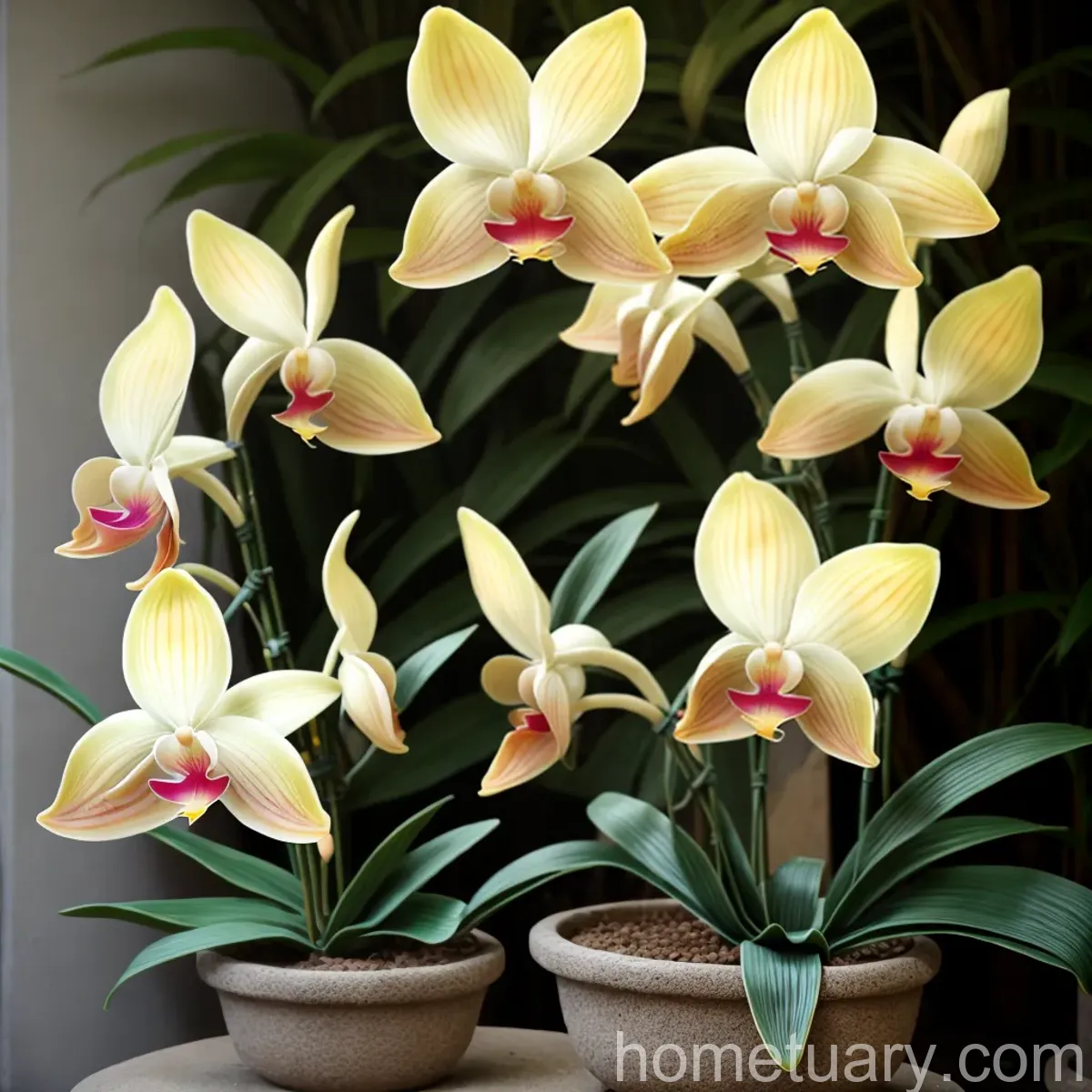
Lycaste orchids belong to the Orchidaceae family and are renowned for their large, showy flowers and distinct pseudobulbs. They are native to Central and South America, with their natural habitats ranging from cloud forests to mountainous regions. Lycaste orchids are known for their elegant, waxy blooms that come in a variety of colors, including shades of white, pink, and yellow. Their unique fragrance and striking appearance make them a sought-after addition to any orchid collection.
Key Takeaways
Before we begin our in-depth exploration of Lycaste orchids, let’s highlight some key takeaways that will guide us through this comprehensive guide.
- Lycaste orchid care: Understanding the fundamental care requirements for Lycaste orchids is essential for their successful cultivation.
- Lycaste orchid species: Exploring the diverse species and varieties of Lycaste orchids will provide valuable insights into their unique characteristics.
- Lycaste orchid growing tips: Learning effective growing tips will help ensure the health and vitality of Lycaste orchids in any environment.
- Lycaste orchid propagation: Understanding the propagation techniques for Lycaste orchids will enable enthusiasts to expand their orchid collection.
- Lycaste orchid diseases and pests: Recognizing common diseases and pests that affect Lycaste orchids is crucial for their long-term well-being.
Now, let’s delve into the intricate world of Lycaste orchids, beginning with their cultural requirements.
Culture
Cultivating Lycaste orchids requires careful attention to their specific cultural preferences. Proper understanding of their needs for water, sunlight, temperature, and humidity is essential for creating an environment conducive to their growth and blooming.
Uses
Lycaste orchids are primarily cultivated for their beautiful and fragrant blooms, making them popular choices for adding elegance and charm to indoor and outdoor settings. Their striking flowers have also been used in floral arrangements and decorative displays, adding a touch of exotic beauty to any environment.
Water

Proper watering is crucial for the health and vitality of Lycaste orchids. These plants prefer a consistent watering schedule, allowing the roots to partially dry out between waterings. Overwatering can lead to root rot and other moisture-related issues, while underwatering can result in desiccation and wilting. It is essential to strike a balance and monitor the moisture levels in the growing medium to ensure optimal hydration.
- Watering guidelines:
- Water Lycaste orchids thoroughly when the growing medium approaches dryness.
- Allow excess water to drain freely from the pot to prevent waterlogging.
- Adjust the watering frequency based on environmental conditions and seasonal changes.
Sunlight
Proper sunlight exposure is vital for the growth and blooming of Lycaste orchids. These plants thrive in bright, indirect light, mimicking their natural habitat in shaded forest environments. While they require ample light to support flowering, direct sunlight should be avoided, as it can cause leaf burn and heat stress.
- Sunlight requirements:
- Place Lycaste orchids in locations with bright, filtered light, such as near east or west-facing windows.
- Shield plants from direct sun exposure during peak afternoon hours to prevent leaf damage.
- Monitor plant responses to light levels and adjust positioning as needed to maintain ideal growing conditions.
Fertilizer
Fertilizing Lycaste orchids is an essential aspect of their care, providing them with the necessary nutrients to support healthy growth and vibrant blooms. A balanced orchid fertilizer with a formulation suited for epiphytic orchids is recommended for optimal results.
- Fertilizer application:
- Use a diluted orchid fertilizer at half-strength to avoid the risk of fertilizer burn.
- Apply fertilizer during the plant’s active growth phase, typically from spring to early autumn.
- Adjust the fertilization frequency based on plant growth and overall vigor.
Soil

Lycaste orchids thrive in well-draining potting mixes that mimic their natural epiphytic growing conditions. A suitable potting mix for these orchids should provide sufficient aeration and moisture retention to support healthy root development.
- Recommended potting mix:
- Use a blend of fine-grade orchid bark, sphagnum moss, and perlite for a well-balanced potting mix.
- Ensure adequate air circulation within the potting medium to prevent waterlogged conditions.
- Repot orchids when the growing medium breaks down or becomes overly compacted.
Pruning
Pruning Lycaste orchids is typically limited to the removal of spent flower spikes and dead or decaying growth. Regular inspection of the plant will help identify areas that require pruning, promoting overall plant health and tidiness.
- Pruning guidelines:
- Trim back faded flower spikes at their base to encourage new bloom development.
- Remove any yellowing or desiccated pseudobulbs to maintain plant vitality.
- Sterilize pruning tools before and after use to prevent the spread of infections.
Propagation

Propagating Lycaste orchids allows enthusiasts to expand their collection and share these exquisite plants with fellow orchid enthusiasts. While division and seed propagation are common methods, division is often preferred for its simplicity and reliability.
- Propagation methods:
- Division: Divide mature Lycaste orchids during repotting to create new individual plants.
- Seed propagation: Propagate Lycaste orchids from seeds, although this method requires specialized techniques and patience.
Container
Selecting the right container for Lycaste orchids is crucial for their overall growth and well-being. Choosing a container that provides ample drainage and accommodates the plant’s root system is essential for preventing moisture-related issues and root suffocation.
- Container considerations:
- Use well-draining plastic or clay pots that allow excess water to escape freely.
- Select containers with sufficient depth to accommodate the orchid’s pseudobulbs and root system.
- Monitor the condition of containers and repot orchids as needed to prevent overcrowding.
Popularity
Lycaste orchids have gained popularity among orchid enthusiasts and collectors for their alluring blooms, distinct pseudobulbs, and captivating fragrance. Their unique appearance and manageable care requirements make them desirable additions to both indoor and outdoor settings.
Common Diseases
While Lycaste orchids are generally resilient plants, they can be susceptible to certain diseases and infections if their cultural requirements are not met. Recognizing common orchid diseases and their symptoms is essential for prompt intervention and effective treatment.
Disease Diagnosis

Diagnosing orchid diseases in Lycaste orchids involves careful observation of their foliage, roots, and overall vigor. Common symptoms such as leaf spotting, yellowing, and wilting can provide valuable insights into the underlying issues affecting the plant’s health.
- Common diseases:
- Root rot: Caused by overly moist growing conditions, leading to root suffocation and decay.
- Bacterial and fungal infections: Manifest as leaf spots, discoloration, and overall decline in plant vigor.
- Viral diseases: Result in distorted growth and mottled foliage, often challenging to treat effectively.
Common Pests

Pests can also pose a threat to the well-being of Lycaste orchids, and prompt detection and control measures are essential for preventing infestations from causing significant damage.
- Common orchid pests:
- Aphids: Small, sap-sucking insects that can cause leaf distortion and wilting.
- Thrips: Tiny, slender insects that feed on plant sap, leading to silvering of leaves and buds.
- Scale insects: Hard-bodied pests that attach to plant surfaces, depleting their resources and weakening the plant.
Botanist’s Tips
As a plant scientist and botanist, I have gathered valuable insights and tips for successful Lycaste orchid cultivation. These tips are based on years of research and hands-on experience, providing enthusiasts with practical advice for nurturing these elegant plants.
- Botanist’s recommendations:
- Monitor environmental conditions: Regularly assess temperature, humidity, and light levels to ensure they meet the orchid’s requirements.
- Inspect plants thoroughly: Routinely examine Lycaste orchids for signs of pests, diseases, and cultural inconsistencies.
- Maintain optimal growing conditions: Strive to create an environment that closely resembles the natural habitat of Lycaste orchids, promoting their overall well-being.
Fun Facts
- The name “Lycaste” is derived from Greek mythology, where Lycaste was a nymph known for her beauty and grace, reflecting the allure of these orchids.
- Many Lycaste orchids are renowned for their captivating fragrance, often described as sweet and intoxicating, adding to their mystique and appeal.
- Lycaste orchids are known for their endurance, with some species thriving at high altitudes and enduring challenging growing conditions in their natural habitats.
Links to External Resources
For further information on Lycaste orchids and related topics, consider exploring the following external resources:
In conclusion, Lycaste orchids represent a captivating and enchanting addition to any orchid collection, with their stunning blooms, unique pseudobulbs, and alluring fragrance. By understanding their specific care requirements, enthusiasts can cultivate these remarkable plants with confidence, knowing that they are providing the optimal conditions for their growth and blooming. Whether you are a seasoned orchid enthusiast or a beginner venturing into the world of orchid cultivation, Lycaste orchids are sure to captivate and inspire with their timeless elegance and natural charm.
For more in-depth information about Lycaste orchid care, propagation, and cultivation, refer to reputable resources such as orchid societies, botanical gardens, and specialized orchid forums, where you can engage with fellow enthusiasts and experts to further enrich your knowledge and appreciation of these exquisite plants.




