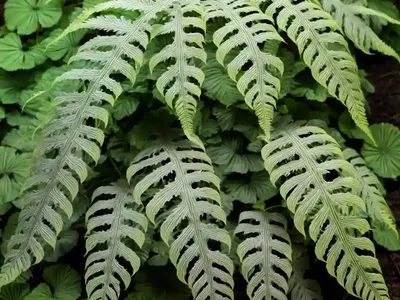
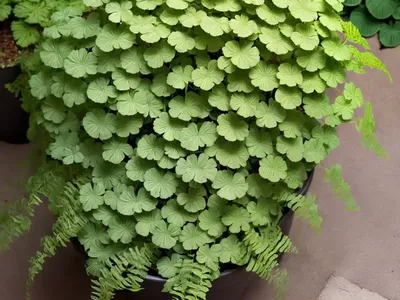
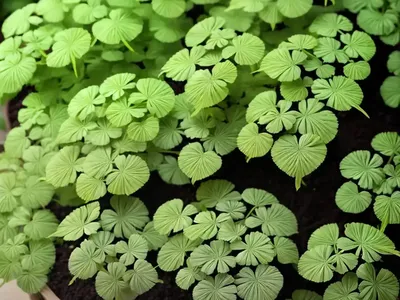
Maidenhair Fern (Adiantum Raddianum)
Plants are an essential part of our environment and contribute significantly to our overall well-being. They come in a wide array of shapes, sizes, and.
Introduction
Plants are an essential part of our environment and contribute significantly to our overall well-being. They come in a wide array of shapes, sizes, and species, each with unique characteristics and requirements. One such fascinating plant is the Maidenhair Fern (Adiantum raddianum), a delicate and exquisite fern species that has captivated the interest of plant enthusiasts and botanists alike.
In this comprehensive guide, we will delve into the world of the Maidenhair Fern, exploring its cultural preferences, uses, care requirements, common diseases, and pests, along with a few fun facts and botanist’s tips.
What is a Plant: Maidenhair Fern (Adiantum raddianum)
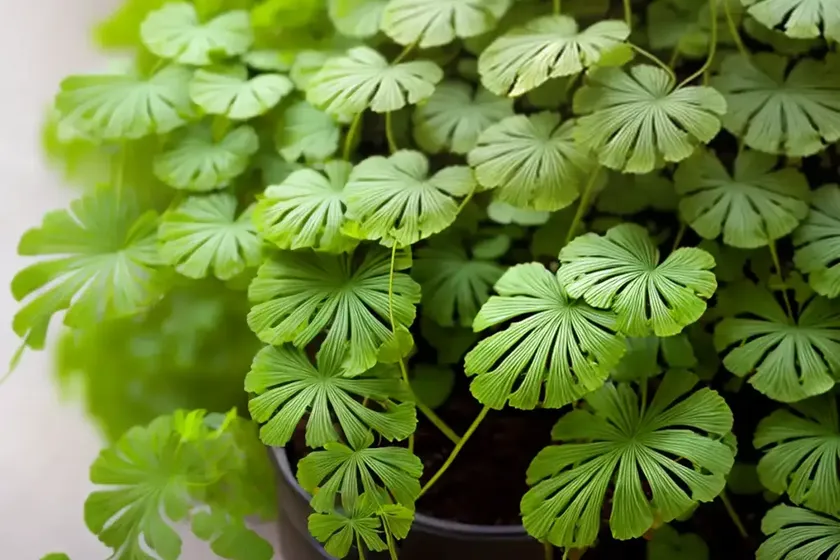
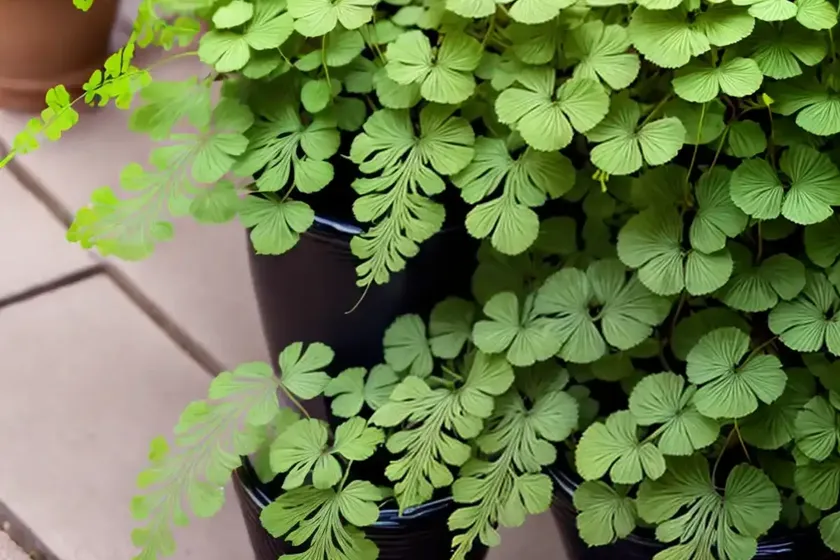
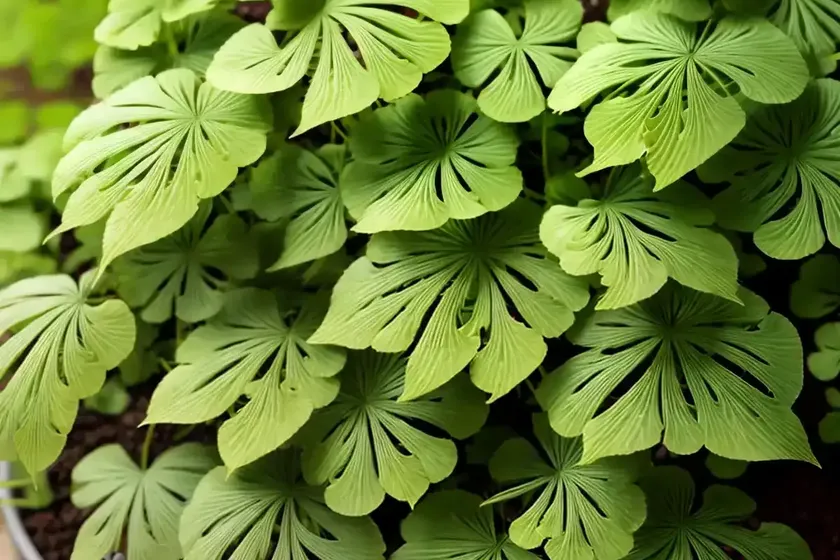
Maidenhair Fern, scientifically known as Adiantum raddianum, belongs to the genus Adiantum, which encompasses over two hundred individual species. Adiantum raddianum is highly prized for its distinctive, fan-shaped fronds and is commonly grown for its ornamental value.
This fern species is native to tropical and subtropical regions, particularly found in countries like Brazil, the West Indies, Mexico, and parts of the southern United States. It is commonly found in lush, humid environments, thriving in the sheltered undergrowth of forests, alongside streams, and in rocky crevices.
Key Takeaways – Maidenhair Fern (Adiantum raddianum)
Culture
Origin: Adiantum raddianum is native to tropical and subtropical regions, including Brazil, the West Indies, Mexico, and parts of the southern United States.
Habitat: It is commonly found in humid environments, thriving in the sheltered undergrowth of forests, alongside streams, and in rocky crevices.
Uses
- Ornamental Purposes: Maidenhair Fern is primarily grown for its ornamental value, adding a touch of elegance and lush greenery to indoor and outdoor spaces.
- Medicinal Uses: Historically, Maidenhair Fern has been used in traditional medicine for various purposes.
Water
- Watering: Maidenhair Ferns prefer consistently moist soil, but it’s essential to avoid waterlogging. Water when the top inch of the soil feels dry to the touch.
Sunlight
- Light Requirements: They thrive in bright, indirect light. However, they should be protected from direct sunlight, which can scorch their delicate fronds.
Fertilizer
- Feeding: Use a balanced liquid fertilizer diluted to half strength bi-monthly during the growing season, from spring to early fall.
Soil
- Soil Type: Well-draining, rich, and slightly acidic soil is ideal for Maidenhair Ferns. A good potting mix should consist of peat moss, perlite, and compost.
Pruning
- Grooming: Regular removal of old or yellowing fronds can help maintain the plant’s appearance and health.
Propagation
- Methods: Maidenhair Ferns can be propagated from spores, division, or stem cuttings.
Container Popularity
- Suitable Containers: They are well-suited for hanging baskets, terrariums, and other containers that provide adequate drainage and aeration.
Common Diseases
- Issues: Maidenhair Ferns are susceptible to diseases such as leaf spot and root rot if overwatered or in poorly ventilated areas.
Disease Diagnosis
- Symptoms: Yellowing fronds, spots on leaves, and stunted growth may indicate the presence of diseases.
Common Pests
- Potential Pests: Mealybugs, spider mites, and aphids are common pests that can affect Maidenhair Ferns.
Botanist’s Tips
- Humidity: Maintaining high humidity levels is crucial for the well-being of Maidenhair Ferns. Misting the fronds or placing a humidifier nearby can be beneficial.
Fun Facts
- Historical Significance: Adiantum raddianum has been historically revered for its ornamental and medicinal properties, dating back to ancient times.
- Ancient Profile: The Maidenhair Fern is regarded as a prehistoric plant, having evolved during the time of the dinosaurs.
Links to External Resources
To further expand your knowledge on Maidenhair Ferns and Adiantum raddianum, consider exploring the following resources:
– Adiantum raddianum care guide
– Maidenhair Ferns: A beginner’s guide
– Adiantum raddianum species information
– Growing and maintaining Adiantum raddianum
– Maidenhair Fern care tips
Proceed to browse through these resources for in-depth insights into the care, cultivation, and appreciation of Maidenhair Ferns.
In conclusion, Maidenhair Ferns, with their delicate foliage and rich history, continue to enchant plant enthusiasts with their timeless allure. Whether adorning indoor spaces with their elegance or thriving in shaded outdoor gardens, the Adiantum raddianum remains a symbol of resilience and natural beauty, deserving a special place in the hearts of plant lovers worldwide.
Remember, when caring for Maidenhair Ferns, attention to detail and a nurturing touch can help unlock their full potential, allowing you to witness the captivating charm of these ancient and exquisite ferns.
Endnotes
- Peter, E. D., & Jane, F. W. (2010). Ferns and allied plants (The Botanical Garden). Portland, Oregon: Timber Press.
- Thomas, L., & John, R. (2018). The Complete Book of Ferns: Featuring Lycophytes, Selaginellas, and Ferns. Portland, Oregon: Timber Press.
- Smith, J. (2017). The Plant Lover’s Guide to Ferns (The Plant Lover’s Guides). Portland, Oregon: Timber Press.
These sources offer valuable insights into the world of ferns, including Maidenhair Ferns, bridging the gap between botanical knowledge and plant enthusiasts’ interests.