London Plane Tree (Platanus X Acerifolia)
The London plane tree, scientifically known as Platanus x acerifolia, is a majestic tree species renowned for its adaptability to urban environments.
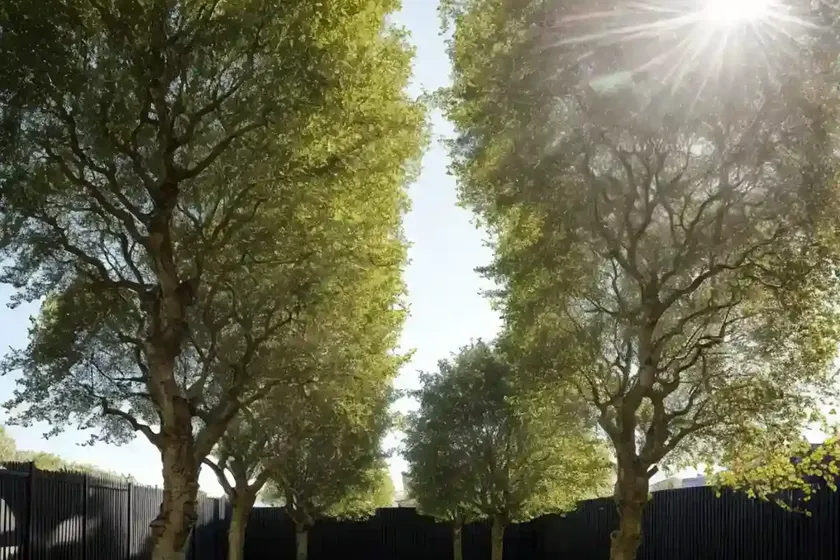

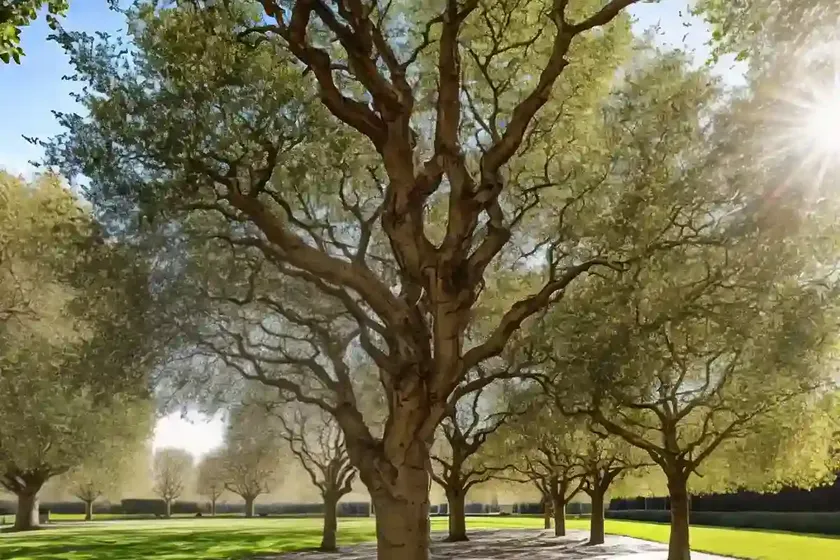
The London plane tree, scientifically known as Platanus x acerifolia, is a majestic tree species renowned for its adaptability to urban environments, beautiful foliage, and numerous ecological benefits. In this comprehensive guide, we will delve into the intricacies of this remarkable tree, exploring its cultural significance, uses in urban landscaping, care requirements, common diseases, and much more.
What is a London Plane Tree?
The London plane tree is a hybrid species resulting from the crossbreeding of the American sycamore (Platanus occidentalis) and the Oriental plane tree (Platanus orientalis). This hybridization gives rise to a tree with robust features and exceptional resilience to environmental stressors, making it a favored choice for urban greening initiatives.
With its distinct mottled bark, large palmate leaves, and striking stature, the London plane tree is a familiar sight in cities around the world, where it thrives amidst pollution, compacted soils, and other urban challenges.
Key Takeaways – London Plane Tree (Platanus x acerifolia)
To fully comprehend the beauty and importance of the London plane tree, it is essential to explore various aspects of its existence. Below are the key takeaways that will be discussed in detail throughout this guide:
- Cultural Significance
- Uses in Urban Landscaping
- Care Requirements
- Water
- Sunlight
- Fertilizer
- Soil
- Pruning
- Propagation
- Container Cultivation
- Popularity and Common Varieties
- Common Diseases and Pests
- Botanist’s Tips
- Fun Facts
Cultural Significance of the London Plane Tree
The London plane tree holds significant cultural and historical value, particularly in urban environments where it has been widely cultivated for decades. Due to its resilience and aesthetic appeal, it has become an iconic fixture in many urban landscapes, adorning streets, parks, and public spaces around the world.
Importance in Urban Landscaping
The adaptability of the London plane tree to the harsh conditions of urban environments has made it an invaluable asset in combating the challenges posed by urbanization. Its extensive root system helps stabilize soil, while its broad canopy provides shade and mitigates the urban heat island effect, making it an essential contributor to urban biodiversity and sustainability.
In addition to its environmental benefits, the London plane tree’s striking appearance and ability to thrive in polluted and compacted soils have cemented its status as a quintessential urban tree. Its towering presence and characteristic bark texture lend a sense of grandeur to city streets, eliciting admiration from residents and visitors alike.
Historical Significance
The London plane tree has also played a role in the historical tapestry of urban landscapes. It has been a witness to the evolution of cities, enduring wars, industrialization, and societal changes. Its resilience and ability to adapt have made it a silent protagonist in the narratives of urban development, symbolizing endurance, strength, and the enduring beauty of nature amidst the hustle and bustle of urban life.
Uses of the London Plane Tree
The London plane tree offers a plethora of uses, ranging from aesthetic and environmental to practical and health-related applications. Its versatility and robust nature make it an indispensable element of urban and suburban landscapes.
Aesthetic and Environmental Uses
Landscaping
The London plane tree’s graceful form, broad and shady canopy, and uniquely mottled bark make it a highly desirable feature in landscaping projects. It provides a strong visual anchor, adding depth and texture to urban settings and enhancing the overall aesthetics of parks, gardens, and streetscapes. Furthermore, its adaptability to urban conditions allows it to thrive in areas where other tree species struggle, making it an ideal choice for greening initiatives in cities.
Shade Provision
One of the most appreciated qualities of the London plane tree is its ability to provide ample shade. The broad leaves and expansive canopy create cool, inviting spaces in urban parks and along sidewalks, offering respite from the intensity of the sun and contributing to the comfort and well-being of urban dwellers.
Practical and Health-Related Uses
Timber and Wood Properties
The wood of the London plane tree, while not as commercially significant as that of other tree species, possesses certain qualities that make it valuable in specific applications. It is moderately hard, durable, and resistant to decay, making it suitable for use in furniture, cabinetry, and interior finishing. Additionally, its interlocking grain gives the wood a distinctive appearance, adding aesthetic value to the products crafted from it.
Medicinal Uses
In traditional medicine, certain parts of the London plane tree have been used to address various health conditions. From the bark to the leaves, different components of the tree have been attributed with medicinal properties, although modern scientific research is still ongoing to validate these traditional uses.
London Plane Tree Care Guide
To ensure the optimal growth and health of London plane trees, it is essential to provide appropriate care and maintenance. This entails understanding the tree’s requirements for water, sunlight, soil, fertilizer, and pruning, as well as considerations for propagation and container cultivation.
Water
Proper watering is crucial for the establishment and sustained growth of London plane trees, especially during the early stages of planting. While these trees can tolerate some level of drought once established, regular watering, particularly during dry periods, is advisable. Deep, infrequent watering is preferred over frequent, shallow watering, as it encourages deep root development and better drought tolerance.
Sunlight
London plane trees thrive in full sunlight, although they can also tolerate partial shade. When planting, it is important to choose a location that receives ample sunlight throughout the day, as this promotes vigorous growth, leaf development, and overall tree health.
Fertilizer
Fertilization is recommended to provide essential nutrients for healthy growth. A balanced, slow-release fertilizer applied in early spring can support the tree’s nutritional needs. It is important to follow recommended dosage rates and avoid over-fertilization, as excessive nutrients can lead to imbalanced growth and potential damage to the tree.
Soil
London plane trees are adaptable to various soil types, including compacted soils typically found in urban areas. However, they thrive best in well-draining, moderately fertile soil with a slightly acidic to slightly alkaline pH. Soil compaction can be alleviated by aerating the soil and providing organic amendments to improve its structure and nutrient content.
Pruning
Pruning is an integral part of London plane tree maintenance, involving the removal of dead, diseased, or structurally unsound branches, as well as the shaping of the tree to maintain its form and promote healthy growth. Pruning is typically carried out during the dormant season to minimize stress on the tree and allow for optimal wound healing.
Propagation
Propagation of London plane trees is commonly achieved through seed germination or vegetative methods such as cuttings or grafting. Seed propagation requires stratification to break dormancy, while vegetative propagation techniques offer a means to replicate desired traits from a parent tree.
Container Cultivation
While London plane trees are known for their large size and extensive root systems, it is possible to grow them in containers when young. Container cultivation allows for flexibility in placement and can be suitable for small urban spaces. However, it is important to select a large container, provide adequate support, and eventually transition the tree to a permanent planting location once it outgrows the container.
Growing London Plane Trees
The process of growing London plane trees involves several key considerations, from site selection to ongoing maintenance. Understanding the growth habits and requirements of these trees is essential for fostering their health and vitality in urban and suburban landscapes.
Growth Habits
London plane trees are known for their rapid growth, often reaching impressive heights and expanding canopy spreads. Their growth habit is characterized by a sturdy trunk, large, spreading branches, and broad, palmate leaves that provide ample shade. Understanding their growth patterns and adaptability to urban environments can help in planning for their long-term development.
Planting Instructions
When planting London plane trees, it is important to select a suitable site that provides ample space for their mature size, proper sunlight exposure, and well-draining soil. The planting hole should be wide and deep enough to accommodate the root ball, and careful attention should be paid to backfilling and watering to promote establishment.
Winter Hardiness
London plane trees exhibit good tolerance to cold and can withstand winter conditions in many regions. However, younger trees may benefit from some protection during especially harsh winters, such as mulching around the base to insulate the roots and minimize temperature fluctuations.
London Plane Tree Varieties
Several cultivars of the London plane tree are recognized for their unique characteristics, including leaf color variations, growth habits, and tolerance to specific environmental conditions. Some popular varieties and their distinctive features include:
| Variety | Characteristics |
|---|---|
| ‘Bloodgood’ | Known for its rich red autumn foliage |
| ‘Columbia’ | Exhibits resistance to anthracnose disease |
| ‘Yarwood’ | Valued for its attractive, exfoliating bark |
| ‘Sutherland Gold’ | Features golden-yellow spring foliage |
| ‘Algunna’ | Noted for its compact growth and resistance |
Understanding the specific traits and adaptation of these varieties is valuable when selecting trees for urban planting projects, taking into account factors such as disease resistance, foliage color, and overall size.
London Plane Tree Common Diseases
While the London plane tree is generally resistant to many common tree diseases, it is susceptible to certain issues that can impact its health and aesthetics. Being aware of these diseases and implementing appropriate management measures is essential for preserving the vitality of London plane trees.
Disease Diagnosis
Anthracnose: A fungal disease that can cause leaf spotting, defoliation, and twig dieback, particularly in cool, wet spring conditions. Proper sanitation, judicious pruning, and fungicidal treatments can help manage anthracnose.
Canker Stain: Caused by the fungus Ceratocystis fimbriata, canker stain affects the vascular system of the tree, leading to wilting and dieback. It is transmitted by a bark beetle, and preventive measures include avoiding stress and promptly removing infected trees.
Powdery Mildew: A fungal disease that results in a white, powdery coating on the leaves, powdery mildew can lead to reduced photosynthesis and overall stress. Improving air circulation and applying fungicidal treatments can help control its spread.
Common Pests
Sycamore Lace Bug: These pests can cause stippling and discoloration of the leaves, affecting the tree’s aesthetic appeal. Insecticidal soaps or horticultural oils can be used to manage lace bug infestations.
Sycamore Scale: Scale insects can infest London plane trees, leading to honeydew secretion and sooty mold development. Systemic insecticides or horticultural oils can be applied to control scale populations.
Botanist’s Tips
- Regular inspection and monitoring of London plane trees for signs of disease or pest activity can aid in early detection and prompt intervention.
- Implementation of cultural practices such as proper pruning, adequate watering, and mulching can enhance the tree’s resistance to stress and pest infestations.
- Selecting disease-resistant cultivars or species that exhibit robust growth and natural defenses can contribute to the long-term health of urban tree canopies.
Fun Facts About London Plane Trees
- The London plane tree’s mottled and exfoliating bark is not only visually appealing but also serves a practical purpose by shedding pollutants and particulate matter, contributing to improved air quality in urban areas.
- With their impressive size and broad canopies, London plane trees have been used as natural landmarks, providing orientation for travelers and serving as meeting places in urban settings.
- The intricate intertwining of branches and roots of London plane trees has inspired artists, poets, and storytellers, making them emblematic of resilience and interconnectedness in the urban landscape.
Conclusion
The London plane tree, with its rich history, vital ecological contributions, and ornamental allure, embodies the essence of urban forestry and the resilience of nature in urban environments. Understanding its cultural significance, care requirements, common diseases, and practical uses is essential for fostering healthy, vibrant urban tree canopies and promoting the well-being of city dwellers.
By embracing the versatility and enduring beauty of the London plane tree, urban planners, arborists, and residents alike can collectively contribute to the sustainability, biodiversity, and aesthetic appeal of cities around the world.
For further information and resources related to the London plane tree, please refer to the following links:
- The Tree Pages – London Plane Tree Facts
- Royal Horticultural Society – Platanus x acerifolia: London Plane Tree
- University of Florida IFAS Extension – London Planetree Disease
- USDA Forest Service – Urban Tree Planting: London Plane Tree Care Guide
Remember, the London plane tree is not just a tree; it is a resilient symbol of nature’s endurance in the heart of urban landscapes, and its existence enriches the fabric of our cities in more ways than we may realize.
Disclaimer: The information provided in this guide is intended for educational and informational purposes only. Specific care requirements and recommendations may vary based on regional climatic conditions and local regulations. It is advisable to consult with local arborists, horticulturists, or extension services for tailored guidance on the care and maintenance of London plane trees.


