American Sycamore (Platanus Occidentalis)
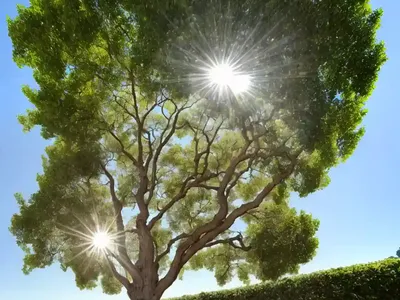
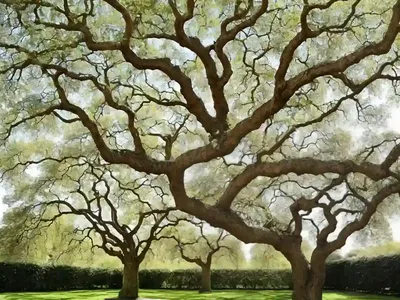
The American sycamore, scientifically known as Platanus occidentalis, is a grand and imposing tree native to North America. Its striking appearance, robust.
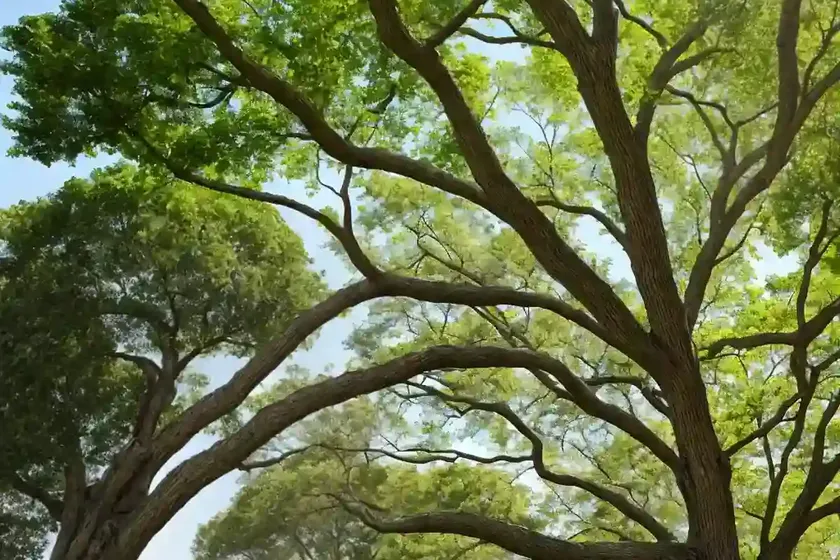
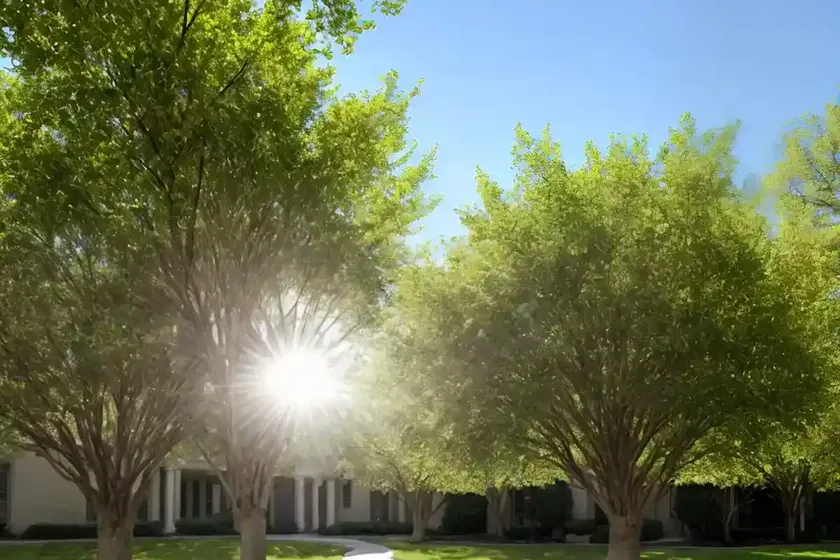
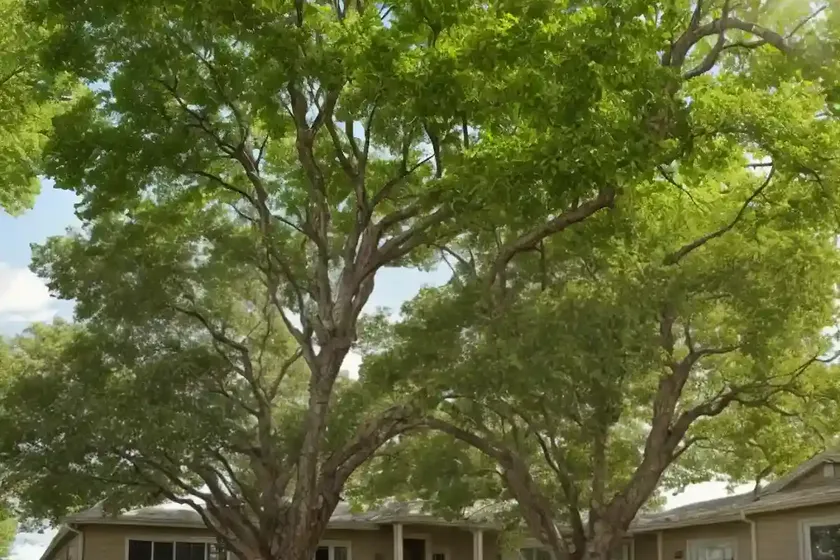
The American sycamore, scientifically known as Platanus occidentalis, is a grand and imposing tree native to North America. Its striking appearance, robust size, and many practical applications make it an invaluable component of various ecosystems and landscapes. This article will delve into the deep-rooted world of the American sycamore, exploring its characteristics, cultural significance, uses, and providing valuable tips on its care and maintenance.
American Sycamore (Platanus occidentalis)
The American sycamore, also referred to as the American planetree, is a deciduous tree belonging to the Platanaceae family. It is native to the Eastern United States and Canada, thriving in riparian environments, along stream banks, and in rich, moist soils. This majestic tree is distinguishable by its striking mottled bark, large palmate leaves, and towering stature. The American sycamore is a long-lived tree, known for its resilience and adaptability to various growing conditions.
Key Takeaways – American Sycamore (Platanus occidentalis)
Let’s start by exploring the key takeaways regarding the American sycamore, including its cultural significance, uses, and essential care requirements.
Culture
The cultural significance of the American sycamore encompasses historical, ecological, and practical aspects. Understanding its cultural importance helps in appreciating its value in different contexts and landscapes.
Uses
The American sycamore serves a multitude of purposes, ranging from environmental conservation to practical applications in various industries. Exploring its diverse uses sheds light on its economic and ecological significance.
Water
Water plays a crucial role in the growth and health of the American sycamore. Understanding its water requirements is essential for cultivating and maintaining this tree in different environments.
Sunlight
Sunlight is a primary source of energy for the American sycamore, influencing its growth, photosynthesis, and overall well-being. Knowing its sunlight preferences is vital for its successful cultivation.
Fertilizer
Fertilization can significantly impact the growth and vitality of the American sycamore. Learning about its fertilizer needs and application methods is vital for nurturing this tree.
Soil
The soil provides essential nutrients and support for the American sycamore’s root system. Understanding its soil preferences and requirements is crucial for its successful establishment and growth.
Pruning
Pruning is an important aspect of American sycamore maintenance, influencing its form, health, and longevity. Learning about proper pruning techniques is critical for its well-being.
Propagation
Understanding the propagation methods of the American sycamore is essential for its conservation, cultivation, and propagation efforts.
Container Popularity
The American sycamore’s suitability for container cultivation opens up new possibilities for incorporating this tree into various landscapes and urban environments.
Container Common Diseases
Identifying and managing common diseases of the American sycamore in container cultivation is crucial for its long-term health and vigor.
Disease Diagnosis
Recognizing and addressing diseases that may afflict the American sycamore is essential for preserving the health and vitality of this majestic tree.
Common Pests
Dealing with common pests that can impact the American sycamore’s well-being is vital for maintaining its vigor and ensuring its long-term survival.
Botanist’s Tips
Insights and tips from botanists and horticulturists can provide valuable guidance for cultivating, managing, and appreciating the American sycamore.
Fun Facts
Exploring the fascinating and unique aspects of the American sycamore’s biology, ecology, and cultural significance adds depth to our understanding and appreciation of this tree.
Links to External Resources
External resources provide valuable information and insights into the American sycamore’s cultivation, care, and conservation.
Plant Name: American Sycamore (Platanus occidentalis)
The scientific name of the American sycamore, “Platanus occidentalis,” encapsulates its taxonomic classification and geographical distribution. Understanding the significance of its scientific name provides valuable insights into its identity and relationships within the plant kingdom.
American Sycamore Tree
Image Source: American Forests
The American sycamore, with the botanical name Platanus occidentalis, is a grand and imposing tree that holds a significant place in North American landscapes. Characterized by its distinctive mottled bark, broad palmate leaves, and massive size, the American sycamore is esteemed for its ecological importance, practical uses, and cultural significance. Let’s delve into the fascinating world of the American sycamore, exploring its distinctive attributes, habitat, uses, and ecological roles.
Sycamore Tree Facts
- The American sycamore is one of the largest native trees of North America, capable of reaching towering heights of up to 100 feet or more.
- Its distinctive mottled bark, featuring white, green, and brown patches, peels away in irregular fragments, adding to its iconic appearance.
- The broad, palmate leaves of the American sycamore can span up to 10 inches in width, providing ample shade and visual appeal.
- It is a deciduous tree, shedding its leaves in the fall to reveal its intricate branching structure during the winter months.
- The American sycamore is known for its resilience and adaptability, thriving in a range of environments, from wet riverbanks to upland forests.
- It has a long lifespan, with some specimens living for hundreds of years, bearing witness to the evolution of landscapes and human history.
Platanus Occidentalis Habitat
The natural habitat of Platanus occidentalis encompasses the Eastern United States and parts of Canada, where it is commonly found along riverbanks, floodplains, and in moist, fertile soils. It is well-adapted to riparian environments, benefiting from the periodic flooding and rich sediments carried by rivers and streams. The American sycamore’s ability to thrive in such habitats contributes to the stability and ecological balance of these dynamic ecosystems.
Sycamore Tree Characteristics
The American sycamore exhibits several distinctive characteristics that contribute to its ecological significance and aesthetic appeal. Its notable features include:
-
Bark: The mottled bark of the American sycamore is one of its most distinctive traits, providing textural and visual interest throughout the year. As the tree matures, its bark takes on a rugged, picturesque appearance, creating a timeless charm.
-
Leaves: The large, palmate leaves of the American sycamore offer ample shade and contribute to its lush, verdant canopy. Their broad, lobed structure adds to the tree’s visual impact, especially during the growing season.
-
Size: As one of the largest native trees in North America, the American sycamore commands attention with its towering height and expansive crown. Its size makes it an influential presence in various landscapes and ecosystems.
-
Adaptability: The American sycamore’s adaptability to different soil types and moisture levels enhances its ecological value, allowing it to thrive in diverse environments and contribute to ecosystem resilience.
American Sycamore Uses
The American sycamore serves a myriad of practical and ecological purposes, making it a valuable tree in various contexts. Its uses encompass environmental, commercial, and cultural realms, contributing to the well-being of both natural and human-made landscapes. Some of its key uses include:
-
Environmental Conservation: The American sycamore plays a vital role in stabilizing riverbanks and floodplains, reducing erosion and offering habitat for diverse wildlife. Its extensive root system helps anchor soil and prevent water-induced damage.
-
Shade and Ornamental Value: Due to its large size and broad canopy, the American sycamore is prized for its shade-providing qualities, making it a favored choice for parks, urban areas, and residential landscapes. Its aesthetic appeal adds to its desirability in ornamental plantings.
-
Timber and Wood Products: The wood of the American sycamore is utilized in various woodworking applications, including furniture, veneer, and specialty items. Its distinct grain patterns and durability make it a sought-after material for fine woodworking.
-
Wildlife Habitat: The American sycamore offers critical habitat for numerous species of birds, insects, and mammals, contributing to biodiversity and ecological balance in riparian environments.
-
Historical and Cultural Significance: Throughout history, the American sycamore has been intertwined with human cultures, symbolizing strength, endurance, and natural beauty. It holds significance in folklore, art, and literature, reflecting its enduring impact on human perceptions of nature.
Platanus Occidentalis Cultivation
Cultivating the American sycamore requires an understanding of its environmental preferences, growth habits, and care requirements. Whether for conservation, landscaping, or commercial purposes, successful cultivation of Platanus occidentalis contributes to the preservation and appreciation of this iconic tree species.
Sycamore Tree Care Tips
Proper care is essential for maintaining the health and vigor of the American sycamore, ensuring its longevity and ecological contributions. Some key care tips for cultivating and managing this tree include:
-
Watering: The American sycamore benefits from regular watering, especially during its establishment phase. Adequate soil moisture is crucial for its growth and survival, particularly in drier or urban environments.
-
Sunlight: Full to partial sunlight is preferable for the American sycamore, allowing it to photosynthesize effectively and develop a strong, well-structured canopy.
-
Soil Requirements: Rich, moist, well-draining soils are ideal for the American sycamore. It thrives in fertile soils, particularly those found in riparian and floodplain environments.
-
Pruning and Maintenance: Periodic pruning and maintenance help shape the canopy, remove dead or diseased wood, and promote healthy growth. Care should be taken to avoid over-pruning, which can stress the tree.
-
Fertilization: While mature American sycamores may not require fertilization in natural settings, younger or container-grown specimens may benefit from balanced fertilization to support their initial growth.
-
Pest and Disease Management: Monitoring for common pests and diseases, such as anthracnose and sycamore lace bugs, is essential for maintaining the tree’s health. Early intervention can prevent significant damage.
American Sycamore Diseases
The American sycamore is susceptible to certain diseases that can impact its health and appearance. Some common diseases affecting Platanus occidentalis include:
-
Anthracnose: This fungal disease can cause defoliation, twig dieback, and aesthetic damage to the tree’s canopy, particularly during periods of moist weather.
-
Powdery Mildew: Powdery mildew can affect the foliage of the American sycamore, leading to the development of white, powdery patches on the leaves.
-
Leaf Spot Diseases: Various fungal pathogens can cause leaf spotting and discoloration, impacting the tree’s overall vigor and aesthetic appeal.
-
Canker Diseases: Canker-causing fungi can lead to the formation of sunken lesions on the tree’s trunk and branches, potentially affecting the tree’s structural integrity.
Understanding the symptoms, triggers, and management strategies for these diseases is essential for preserving the health of the American sycamore.
Disease Diagnosis
Accurately diagnosing diseases affecting the American sycamore involves careful observation, symptom recognition, and, when necessary, professional assistance. Prompt and accurate diagnosis allows for timely intervention and management, preventing extensive damage to the tree’s health and overall well-being.
Common Pests
In addition to diseases, the American sycamore can be affected by various pests that may impact its growth and vitality. Identifying and managing these pests is vital for maintaining the tree’s health. Common pests that can affect Platanus occidentalis include:
-
Sycamore Lace Bug (Corythucha ciliata): These small, winged insects can cause stippling and discoloration of the sycamore’s leaves, affecting its photosynthetic capacity.
-
Sycamore Scale (Aulacaspis yasumatsui): Scale insects can infest the branches and trunk of the American sycamore, leading to reduced vigor and aesthetic damage.
-
Borers: Several species of borers can target the wood of the American sycamore, leading to structural damage and potential decline in the tree’s health.
-
Leafminers and Caterpillars: Various leaf-feeding insects can affect the foliage of the American sycamore, impacting its visual appeal and overall vitality.
Monitoring for these pests and implementing appropriate management practices is essential for protecting the American sycamore from detrimental infestations.
Botanist’s Tips
Insights from botanists and horticulturists can offer valuable guidance for growing and caring for the American sycamore. Their expertise and hands-on experience provide practical tips for cultivating and appreciating this iconic tree species.
Fun Facts
Uncovering the intriguing and unique aspects of the American sycamore adds depth to our appreciation of this remarkable tree. From its ecological contributions to its historical significance, the following fun facts shed light on the fascinating world of Platanus occidentalis:
-
Autumn Color: The American sycamore displays beautiful autumn foliage, transitioning to hues of yellow, orange, and brown, adding seasonal interest to landscapes.
-
Riverbank Stabilization: The extensive root system of the American sycamore helps stabilize eroding riverbanks, reducing the impacts of flooding and promoting riparian habitat stability.
-
Wildlife Habitat: The large, hollow cavities of mature sycamores provide nesting sites for various bird species and shelter for wildlife, enriching riparian ecosystems.
-
Historic Significance: The American sycamore holds cultural and historical significance, with references in indigenous traditions, early American settlements, and regional folklore.
The diverse array of remarkable attributes and contributions of the American sycamore underscores its importance in both natural and cultural contexts.
Links to External Resources
For further exploration and learning, the following external resources offer valuable information and insights into the American sycamore’s cultivation, care, and ecological roles:
- USDA Plants Database – Platanus occidentalis
- Missouri Botanical Garden – American Sycamore
- Virginia Tech Dendrology – American Sycamore
- The Morton Arboretum – Sycamore Species Profile
- TreesAreGood – American Sycamore Care Information
- UC Master Gardener Program – American Sycamore Growing Guide
- Forest Service Research – Sycamore Tree Ecology
- Arbor Day Foundation – Sycamore Tree Benefits
- Royal Botanic Gardens, Kew – Sycamore Conservation
These resources offer a wealth of knowledge and practical insights into the American sycamore, serving as valuable references for enthusiasts, professionals, and conservationists alike.
In conclusion, the American sycamore stands as a testament to nature’s resilience, providing valuable ecological services, practical uses, and timeless beauty. Its enduring presence in North American landscapes and cultural heritage underscores its significance as a symbol of strength, adaptability, and natural splendor. By understanding and appreciating the unique attributes and contributions of the American sycamore, we can foster a deeper connection with this iconic tree and advocate for its conservation and sustainable management.
As a plant scientist, my goal is to provide comprehensive and insightful information about the American sycamore, enabling enthusiasts, conservationists, and horticultural professionals to deepen their understanding and appreciation of this remarkable tree species. I hope this article serves as a valuable resource for all those interested in the captivating world of Platanus occidentalis. Thank you for exploring the rich tapestry of the American sycamore with me!