Liriope Muscari (Blue Lily Turf)
Liriope muscari, commonly known as Blue Lily Turf, is a perennial evergreen plant that belongs to the Asparagaceae family. It is native to East Asia and.
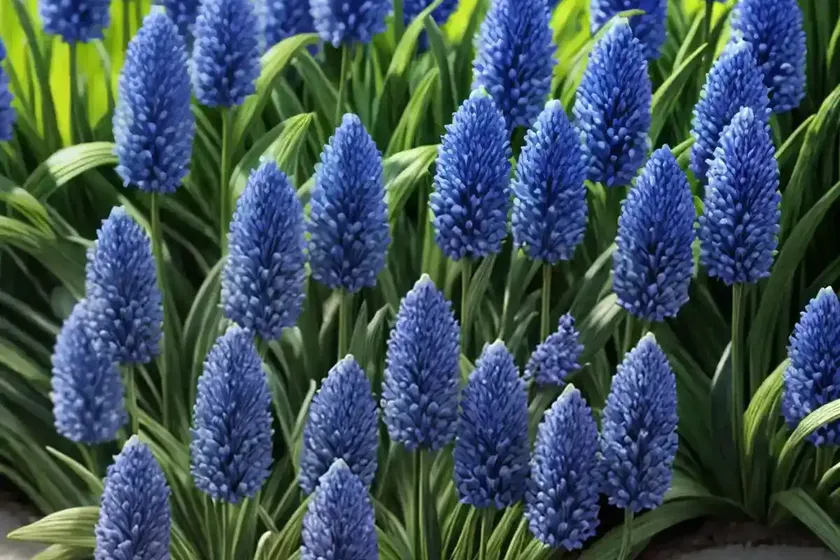

Liriope muscari, commonly known as Blue Lily Turf, is a perennial evergreen plant that belongs to the Asparagaceae family. It is native to East Asia and thrives in a variety of conditions, making it a popular choice for gardeners and landscapers alike. In this comprehensive guide, we will explore the various aspects of caring for Liriope muscari, its uses, cultivation, maintenance, and much more.
What is Liriope Muscari (Blue Lily Turf)?
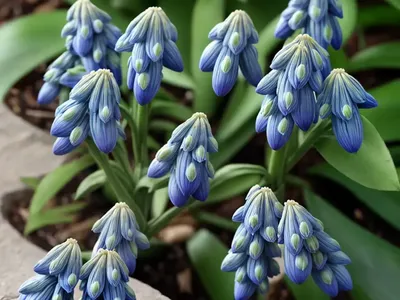
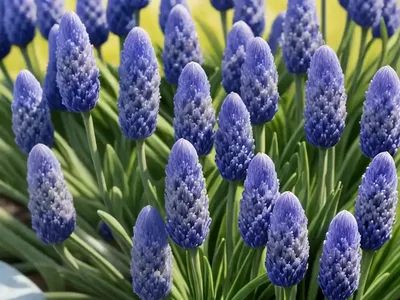
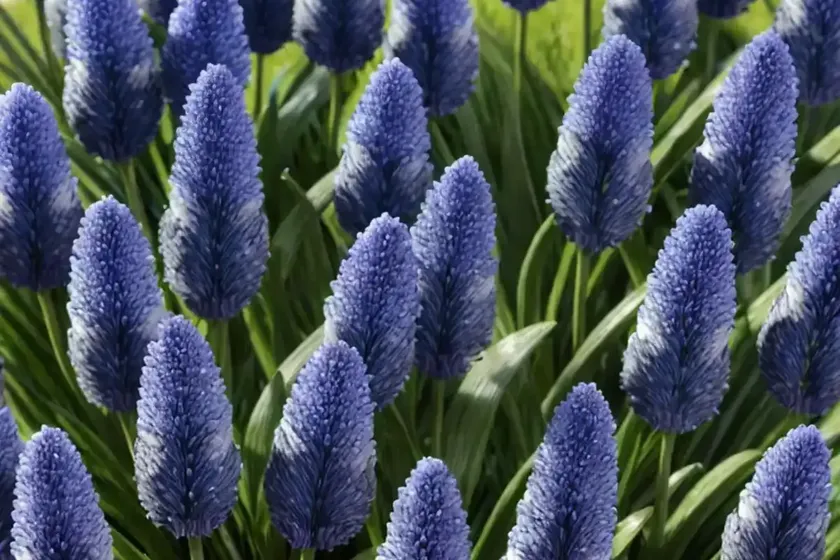
Liriope muscari is a versatile and low-maintenance plant that is prized for its grass-like foliage and delicate purple-blue flowers. It is often used as a ground cover, border plant, or accent plant in gardens and landscapes. The plant is known for its ability to thrive in diverse environments, making it suitable for a wide range of gardening applications. Additionally, Blue Lily Turf is known for its resilience and ability to withstand challenging conditions such as drought, shade, and poor soil.
Key Takeaways – Liriope Muscari (Blue Lily Turf)
Before delving into the specifics of cultivating and caring for Liriope muscari, let’s quickly summarize the key takeaways associated with this plant:
- Scientific Name: Liriope muscari
- Common Name: Blue Lily Turf
- Family: Asparagaceae
- Plant Type: Perennial
- Uses: Ground cover, border plant, accent plant
- Key Features: Grass-like foliage, purple-blue flowers
- Hardiness Zones: 5 to 10
Now, let’s explore the various aspects of cultivating and caring for Blue Lily Turf in greater detail.
Culture
Uses
Liriope muscari is a versatile plant with numerous uses in landscaping and gardening. Some of its key uses include:
- Ground Cover: Blue Lily Turf is often used as a ground cover to create lush and uniform expanses of foliage in gardens and landscapes.
- Border Plant: Its clumping growth habit and attractive flowers make it an excellent choice for bordering flower beds, walkways, or driveways.
- Accent Plant: The grass-like foliage and vibrant flowers of Liriope muscari make it a popular choice for adding visual interest and texture to garden designs.
Water
Blue Lily Turf is known for its ability to withstand periods of drought once established. However, during the initial establishment phase and in periods of prolonged dryness, regular watering is essential to ensure the plant’s health and vitality. When watering Liriope muscari, it is important to provide deep, thorough irrigation to encourage the development of a robust root system.
Sunlight
Liriope muscari is adaptable to a variety of light conditions, ranging from full sun to partial shade. However, in hot climates, providing some afternoon shade can help prevent the foliage from becoming scorched. In contrast, in cooler regions, the plant can thrive in full sun, provided an adequate water supply is maintained.
Fertilizer
Blue Lily Turf is not particularly demanding when it comes to fertilization. However, applying a balanced, slow-release fertilizer in the spring can help promote healthy growth and abundant flowering. It is important to follow the manufacturer’s instructions regarding the application rates and frequency of fertilization to avoid overfeeding the plant.
Soil
Liriope muscari is adaptable to a wide range of soil types, provided they are well-draining. It can thrive in sandy, loamy, or clay soils, making it suitable for various garden settings. When planting Blue Lily Turf, amending the soil with organic matter can help improve its texture, fertility, and moisture retention capabilities.
Pruning
Pruning Liriope muscari is relatively simple and primarily involves the removal of old or damaged foliage and spent flower stalks. This can be done with a sharp pair of garden shears, and the plant typically responds well to rejuvenation pruning if necessary. Additionally, dividing the clumps every few years can help rejuvenate the plant and promote healthy growth.
Propagation
Division: Liriope muscari can be easily propagated through division, making it an ideal option for increasing plant numbers or establishing new plantings. The ideal time for division is in the spring before new growth emerges, or in the early fall when temperatures begin to cool.
Seeds: While Blue Lily Turf can also be propagated from seeds, this method is less common and may take longer to produce mature, flowering plants.
Container Popularity
Blue Lily Turf is well-suited to container cultivation, allowing it to be showcased on patios, balconies, or other outdoor living spaces. When growing Liriope muscari in containers, it is essential to select a well-draining potting mix and to ensure that the plants receive adequate moisture and light.
Common Diseases
While Liriope muscari is generally resistant to most pests and diseases, it can occasionally be affected by certain issues. Some common diseases that may affect Blue Lily Turf include:
- Anthracnose: This fungal disease can cause leaf spots and blighting, particularly in wet and humid conditions.
- Root Rot: Prolonged periods of waterlogged soil can lead to root rot, causing the plant to wilt and decline.
Disease diagnosis
Diagnosing diseases in Liriope muscari involves observing the symptoms and signs present on the plant. In cases of suspected disease, it is advisable to consult with a plant health specialist or extension service to identify the specific issue and determine an appropriate course of action.
Common pests
Blue Lily Turf is relatively resistant to pests, but certain insects may occasionally pose a threat to its health. Some common pests that may affect Liriope muscari include:
- Spider Mites: These tiny pests can cause stippling and webbing on the foliage, leading to a decline in plant vigor.
- Snails and Slugs: These mollusks can feed on the foliage, leaving behind ragged edges and holes.
Botanist’s Tips
To ensure the successful cultivation and care of Liriope muscari, consider the following tips from botanists and plant experts:
- Selecting Varieties: When choosing Blue Lily Turf for a specific application, consider the various available varieties, such as ‘Big Blue’ or ‘Silver Dragon,’ which offer distinct foliage colors and growth habits.
- Companion Planting: Pair Liriope muscari with complementary plants that share similar cultural requirements, such as hostas, ferns, or coral bells, to create visually appealing and harmonious garden compositions.
Fun Facts
As we explore the world of Liriope muscari, it’s interesting to note some fun and lesser-known facts about this beloved plant:
- In some cultures, Liriope muscari is believed to bring good luck and prosperity, making it a popular choice for gardens and landscapes as a symbolic plant.
- Blue Lily Turf is an excellent choice for erosion control due to its extensive root system and robust growth habit, making it an ideal option for stabilizing slopes and embankments.
Links to External Resources
For further information on Liriope muscari, propagation, and gardening techniques, consider exploring the following external resources:
- The American Society for the Prevention of Cruelty to Animals (ASPCA) – Liriope muscari
- The National Gardening Association – Liriope muscari
- The Royal Horticultural Society – Blue Lily Turf Plant Profile
In conclusion, Liriope muscari, or Blue Lily Turf, is a valuable and versatile plant that adds beauty and functionality to gardens and landscapes. With its adaptability, low-maintenance nature, and ornamental appeal, it continues to be a popular choice for both novice and experienced gardeners. By understanding the specific cultural requirements and best practices for caring for Liriope muscari, enthusiasts can enjoy the many benefits this exceptional plant has to offer.
Keywords: Liriope muscari care, Blue Lily Turf plant, Growing Liriope muscari, Liriope muscari propagation, Blue Lily Turf plant care, Liriope muscari varieties, How to plant Blue Lily Turf, Liriope muscari landscaping, Blue Lily Turf ground cover, Liriope muscari maintenance, Liriope muscari planting tips, Blue Lily Turf flower, Liriope muscari watering requirements, Liriope muscari in garden design, Blue Lily Turf in containers, Liriope muscari as border plant, Liriope muscari sunlight needs, Blue Lily Turf maintenance, Liriope muscari accent plant, Liriope muscari seasonal care, Blue Lily Turf groundcover options, Liriope muscari shade tolerance, How to divide Blue Lily Turf, Liriope muscari soil requirements, Liriope muscari planting guide, Blue Lily Turf landscaping ideas, Liriope muscari fertilizer needs, Liriope muscari winter care, Blue Lily Turf for erosion control, Liriope muscari drought-tolerant, Liriope muscari companion plants, Blue Lily Turf in flower beds, Liriope muscari disease prevention, Liriope muscari pruning techniques, Blue Lily Turf in rock gardens, Liriope muscari container gardening, Liriope muscari pest control, Blue Lily Turf edging options, Liriope muscari water-wise plant, Liriope muscari for pollinators, Blue Lily Turf in full sun, Liriope muscari seasonal color, Liriope muscari mulching tips, Blue Lily Turf evergreen plant, Liriope muscari resistant to deer, Liriope muscari as a low-maintenance plant, Blue Lily Turf for ground erosion, Liriope muscari in shady areas, Liriope muscari in coastal gardens, Blue Lily Turf as a border edging