Limonium Platyphyllum (Sea Lavender)
Limonium platyphyllum, commonly known as Sea Lavender, is a stunning perennial plant that adds beauty and charm to any garden or landscape. This resilient.
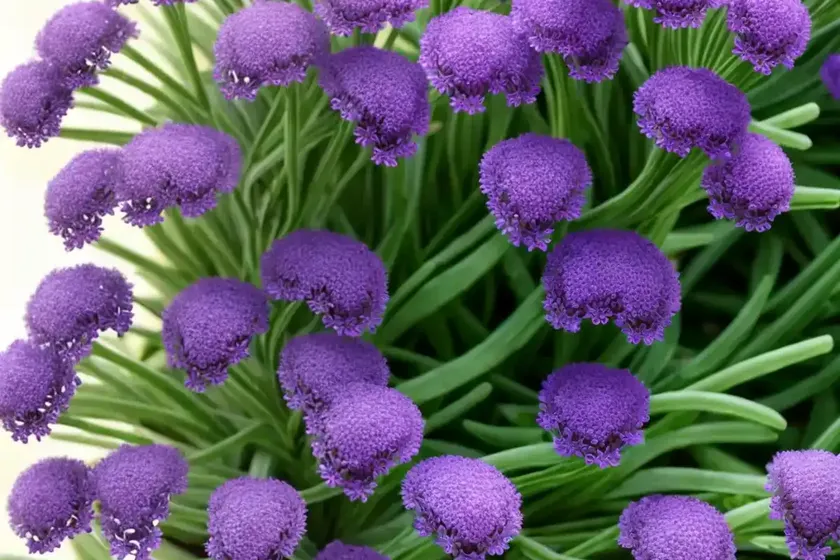
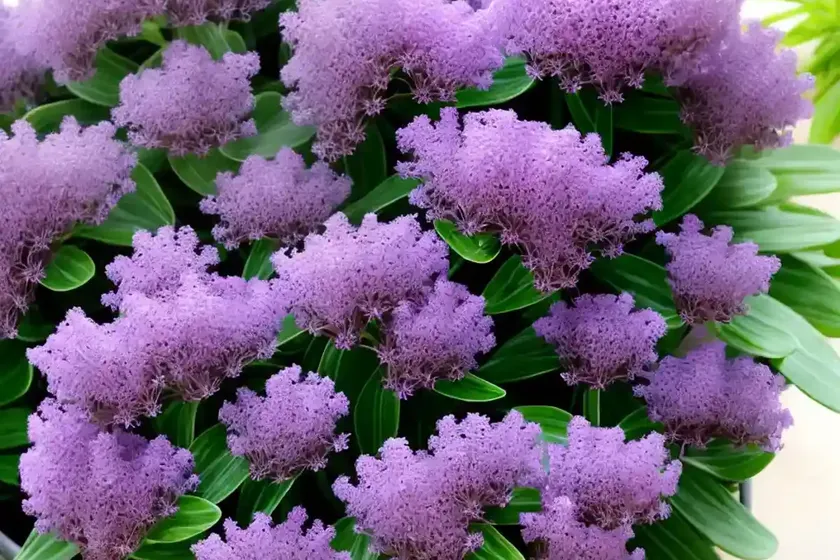
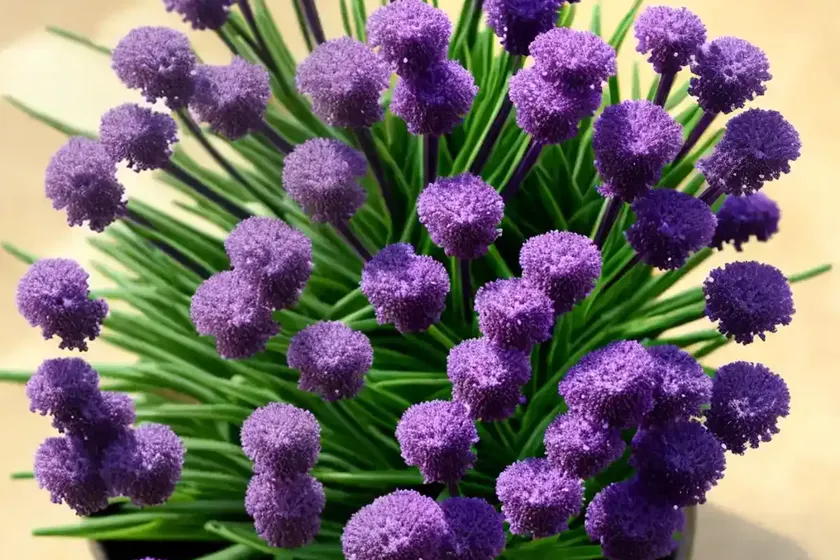
Limonium platyphyllum, commonly known as Sea Lavender, is a stunning perennial plant that adds beauty and charm to any garden or landscape. This resilient plant is well-known for its delicate clusters of tiny flowers and its ability to thrive in coastal environments. In this in-depth guide, we will explore the various aspects of maintaining and nurturing Limonium platyphyllum, from its cultural requirements to its common uses, growth habits, and more.
What is Limonium platyphyllum (Sea Lavender)?
Limonium platyphyllum is a species of flowering plant in the Plumbaginaceae family, which is native to coastal regions of Europe and parts of Asia. This plant is characterized by its narrow, lance-shaped leaves and its intricate flower clusters that appear in various shades of purple, blue, and pink. The Sea Lavender plant is highly valued for its ornamental appeal and its ability to thrive in challenging coastal conditions, making it a popular choice among gardeners and landscapers alike.
Key Takeaways – Limonium platyphyllum (Sea Lavender)
Culture
- Origin: Coastal regions of Europe and parts of Asia
- Type: Perennial flowering plant
- Hardiness Zones: USDA Zones 4-8
- Mature Height: 12-18 inches
- Bloom Time: Late spring to early summer
- Foliage: Narrow, lance-shaped leaves
- Flowers: Delicate clusters in shades of purple, blue, and pink
Uses
- Ornamental: Adds beauty to garden borders, coastal landscapes, and rock gardens
- Attracts Wildlife: Draws butterflies and bees with its nectar-rich flowers
- Dried Arrangements: Retains its color and shape when dried, making it ideal for floral arrangements
- Erosion Control: Helps stabilize soil in coastal and sandy areas
Water
- Watering: Moderately drought-tolerant once established
- Water Requirements: Prefers well-drained soil; avoid overwatering
- Coastal Environments: Withstands salt spray and saline soils
Sunlight
- Light Needs: Full sun to partial shade
- Coastal Adaptability: Thrives in bright sunlight and coastal conditions
Fertilizer
- Minimal Requirements: Does not require heavy feeding
- Organic Matter: Incorporate organic mulch or compost to improve soil fertility
Soil
- Preferred Soil: Sandy or loamy soil with good drainage
- Alkaline or Neutral pH: Tolerant of a wide range of soil pH levels
- Coastal Soils: Adaptable to sandy and saline soils
Pruning
- Deadheading: Remove spent flower clusters to encourage new growth
- Cutting Back: Prune back leggy growth to maintain a compact shape
- Winter Pruning: Trim back in late winter to promote new spring growth
Propagation
- Division: Divide mature plants in early spring or fall
- Seed Sowing: Propagate from seeds, but may require stratification
- Root Cuttings: Root stem cuttings in well-draining soil
Container Popularity
- Container Planting: Well-suited for containers and coastal gardens
- Balcony and Patio: Adds color and charm to small outdoor spaces
- Salt-Tolerant: Thrives in coastal or beach-themed container gardens
Common Diseases
- Powdery Mildew: Can be susceptible in humid conditions
- Root Rot: Avoid overwatering and ensure good soil drainage
- Aphid Infestations: Monitor for aphids, especially in early spring
Disease Diagnosis
- Symptoms: White powdery spots on leaves; yellowing or wilting foliage
- Preventative Measures: Proper air circulation and watering practices
Common Pests
- Aphids: Feed on new growth and can distort leaves and stems
- Spider Mites: Tiny pests that may cause stippling on leaves
- Slugs and Snails: Feed on foliage and flowers, especially in damp conditions
Botanist’s Tips
- Coastal Landscapes: Ideal for seaside gardens and erosion-prone areas
- Companion Plants: Pair with other salt-tolerant perennials and ornamental grasses
- Wildlife Habitat: Attracts pollinators and beneficial insects
Fun Facts
- Olympian Inspiration: Named after the Greek sea deity, Lympha
- Drought-Tolerant: Thrives in challenging coastal and sandy environments
- Long-Lasting Cut Flowers: Holds its color and shape when dried for arrangements
Links to External Resources
- Royal Horticultural Society – Limonium
- University of Florida IFAS Extension – Sea Lavender
- Missouri Botanical Garden – Limonium platyphyllum
- American Meadows – Growing Sea Lavender
- Gardening Know How – Tips for Growing Limonium Plants
Conclusion
Limonium platyphyllum, or Sea Lavender, is a versatile and visually captivating plant that thrives in coastal environments and adds a touch of elegance to any garden or landscape. By understanding its cultural requirements, uses, and maintenance tips, gardeners and plant enthusiasts can successfully cultivate and enjoy the beauty of this resilient seaside plant. Whether used in perennial borders, container gardens, or coastal landscapes, Sea Lavender stands out as a valuable ornamental addition with its vibrant flowers and adaptability to challenging environmental conditions.
By following the guidelines provided in this comprehensive care guide, individuals can cultivate thriving Sea Lavender plants and appreciate their natural charm, all while contributing to the biodiversity and beauty of their outdoor spaces. With its role in attracting wildlife, resisting coastal challenges, and serving as a source of inspiration and admiration, Limonium platyphyllum continues to be a beloved choice for both experienced and novice gardeners seeking to enhance their outdoor environments with a touch of coastal allure.
Remember to explore the links to external resources for additional information on growing Sea Lavender and integrating this captivating plant into various garden and landscape settings. Whether you are looking to plant it in a coastal garden, design a seaside landscape, or simply appreciate its delightful blooms, Sea Lavender offers an array of possibilities for enhancing and elevating outdoor spaces with its unique charm and resilience.


