African Lily (Agapanthus Africanus)
Agapanthus africanus, commonly known as African lily or lily of the Nile, is a stunning perennial plant that belongs to the Agapanthaceae family. This.
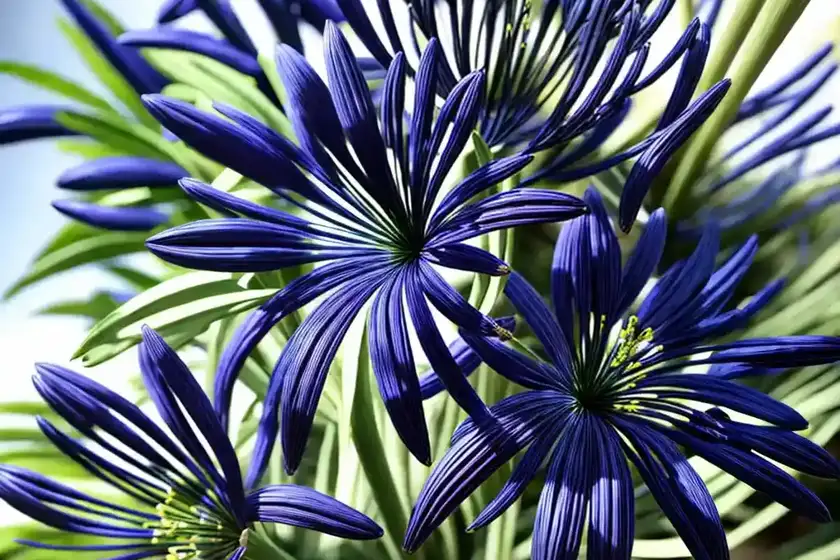
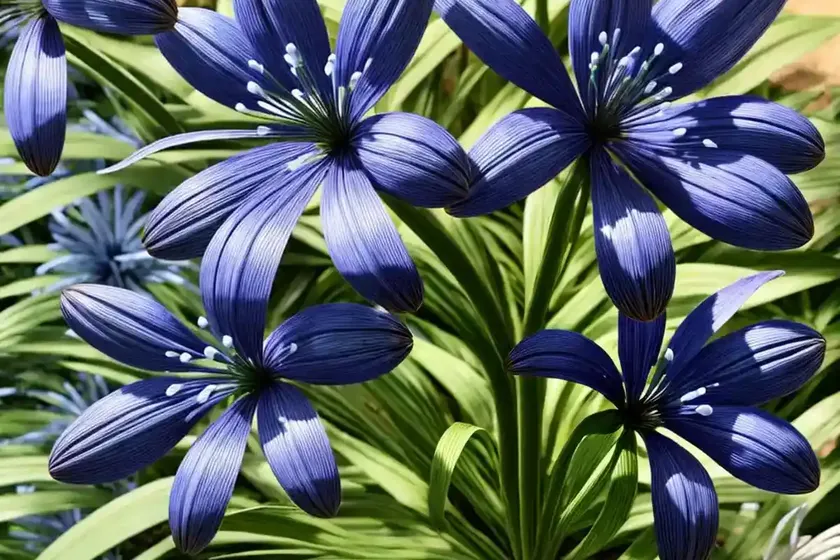
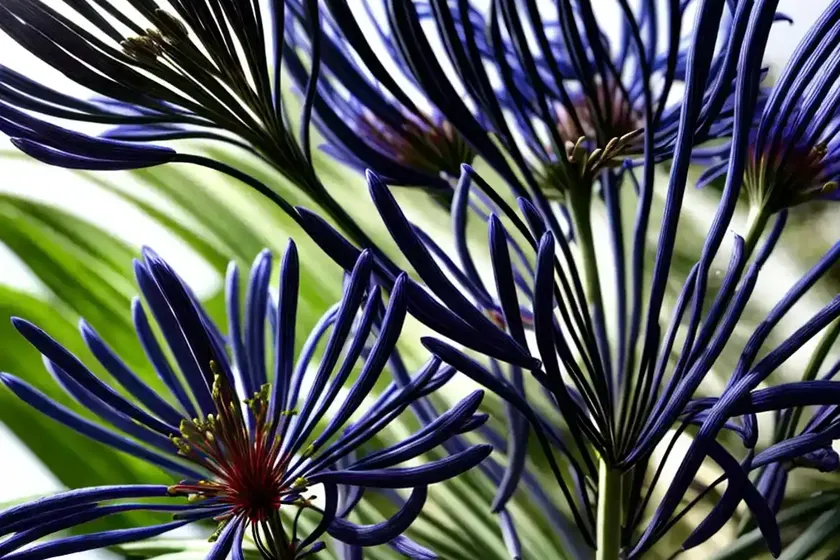
Agapanthus africanus, commonly known as African lily or lily of the Nile, is a stunning perennial plant that belongs to the Agapanthaceae family. This native South African plant is widely recognized for its striking blue or white, trumpet-shaped flowers, and strappy green leaves. In this comprehensive guide, we will delve into the various aspects of African lily, including its culture, uses, care requirements, propagation, common diseases, and much more.
What is African Lily (Agapanthus africanus)?
Description
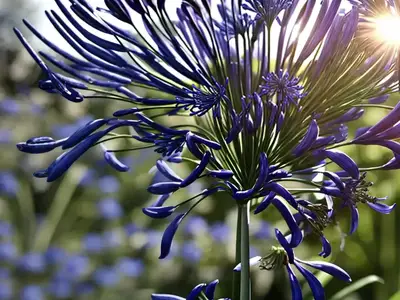
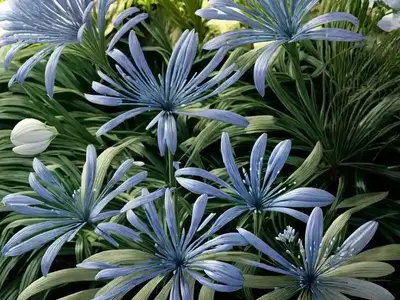
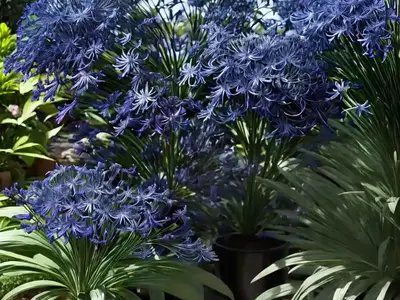
The African lily, Agapanthus africanus, is a clump-forming, herbaceous perennial that boasts attractive, strap-shaped, glossy, dark green leaves. The plant typically reaches a height of 1 to 3 feet and forms dense clusters of showy, trumpet-shaped flowers atop long, sturdy stems. These stunning blooms are available in various shades of blue and white, with some varieties even exhibiting subtle hints of violet and purple.
Natural Habitat
African lilies are native to South Africa, where they thrive in a variety of habitats, from open grasslands to forest margins. They are often found in clusters or large colonies, adding vibrant splashes of color to the landscape.
Growing Season
The typical growing season for Agapanthus africanus depends largely on the climate. In temperate regions, they bloom during the summer months, while in warmer climates, flowering can extend from late spring to early fall.
Hardy Zones
African lilies are well-suited for USDA hardiness zones 8 to 11, where they can be grown as perennials and thrive in warm, frost-free conditions.
Key Takeaways – African Lily (Agapanthus africanus)
- Agapanthus africanus is a striking perennial plant known for its trumpet-shaped flowers and strap-shaped leaves.
- Native to South Africa, it thrives in a variety of habitats and is well-suited for USDA hardiness zones 8 to 11.
- African lilies are available in shades of blue, white, violet, and purple, and typically bloom during the summer months.
- They are commonly used in landscapes, containers, and floral arrangements, adding an elegant touch to gardens and outdoor spaces.
Now that we have gained a basic understanding of African lily, let’s explore key aspects related to its culture, care, and maintenance.
Culture
Uses
Agapanthus africanus is revered for its versatile uses, including:
- Landscaping: African lilies are popularly used in landscape designs, adding color, texture, and visual interest to gardens, borders, and edging.
- Containers: Due to their aesthetic appeal, they are commonly planted in containers, which can be placed on patios, decks, or even indoors.
- Cut Flowers: The stunning blooms make excellent cut flowers and are often used in floral arrangements, bouquets, and centerpieces.
Water
Watering Requirements
Proper watering is essential for the health and vitality of African lilies. Here are some key points to keep in mind:
- Established Plants: Once established, African lilies are relatively drought-tolerant and can withstand moderate dry spells. However, they benefit from regular watering during prolonged periods of drought to promote healthy growth and flowering.
- Newly Planted: Newly planted African lilies require consistent moisture to aid in the establishment of their root systems. Regular watering in the initial growth stages is essential for their long-term health and development.
- Container-Grown: When planted in containers, African lilies may require more frequent watering, especially during hot, dry weather. It’s important to monitor the moisture levels and adjust the watering frequency based on the specific environmental conditions.
Sunlight
Sun Requirements
Proper sunlight is crucial for the overall performance and flowering of African lilies. Consider the following points when determining their sun requirements:
- Full Sun: African lilies thrive in full sun to partial shade conditions. Adequate sunlight is necessary to stimulate robust flowering and maintain the plant’s overall vigor.
- Partial Shade: While the plants do well in full sun, they can also tolerate partial shade, particularly in regions with intense heat or during the hottest part of the day.
Fertilizer
Feeding Schedule
Fertilizing African lilies at the appropriate times and with suitable nutrients is vital for ensuring healthy growth and abundant flowering. Here are some considerations pertaining to the fertilization of African lilies:
- Frequency: Apply a balanced, slow-release fertilizer in spring to provide the necessary nutrients for robust growth and flowering throughout the season.
- Nutrient Requirements: Select a fertilizer specifically formulated for flowering plants or ornamentals. This will help ensure that the plant receives the essential macronutrients and micronutrients required for optimal performance.
Soil
Soil Requirements
The right soil conditions lay the foundation for the successful growth and development of African lilies. Consider the following soil requirements when planting or maintaining these stunning perennials:
- Well-Draining: African lilies thrive in well-draining soils that do not retain excess moisture. Soil with good drainage is vital for preventing waterlogged conditions, which can be detrimental to the plants.
- Nutrient-Rich: Incorporate organic matter, such as compost or well-rotted manure, into the soil to enhance its fertility and structure. Nutrient-rich soil provides the necessary elements for healthy growth and robust flowering.
Pruning
Pruning plays a critical role in maintaining the health, appearance, and flowering capacity of African lilies. Here are some key points related to the pruning of these striking perennials:
- Deadheading: To encourage prolonged flowering and prevent the plant from expending energy on seed production, promptly deadhead spent blooms as they fade.
- Post-Flowering Pruning: After the blooming period, consider pruning faded flower stalks and removing any damaged or wilted leaves to maintain the plant’s neat appearance.
- Division: Every three to five years, consider dividing overgrown clumps to rejuvenate the plants, improve their vigor, and stimulate new growth and flowering.
Propagation
Agapanthus africanus can be propagated through various methods, including division, seeds, and tissue culture. Each propagation method offers distinct advantages and requires specific considerations for successful implementation. Let’s explore some key aspects related to the propagation of African lilies:
Division
When to Divide: African lilies are best divided in early spring, just before the onset of new growth. This timing allows the plants to recover swiftly from the division process and establish themselves before the harsh conditions of summer.
Division Steps:
1. Carefully dig up the plant, taking care to preserve the root system.
2. Gently separate the rhizomes into smaller sections, ensuring that each division has a healthy root system and sufficient foliage.
3. Replant the divisions at the appropriate spacing, ensuring that the soil is well-prepared and adequately watered.
Seeds
Seed Harvesting: Collect mature seed pods from the plants once they have dried and started to split open. Remove the seeds from the pods and allow them to air dry thoroughly before storage or propagation.
Sowing Seeds:
1. Fill small pots or seed trays with a seed-starting mix that provides good drainage.
2. Sow the seeds on the surface of the soil and lightly press them in, ensuring good seed-to-soil contact.
3. Water the seeds gently and provide the appropriate conditions for germination, including warmth and consistent moisture.
Tissue Culture
Tissue Propagation: Tissue culture is a reliable method for propagating African lilies on a larger scale. It involves the production of new plants from small sections of the parent plant’s tissue, such as stem, leaf, or root cells, under aseptic laboratory conditions.
Advantages of Tissue Culture:
– Rapid multiplication of plants
– Production of disease-free and genetically identical plants
– Conservation of rare or endangered species
Container Popularity
African lilies are highly sought after for container gardening due to their stunning blooms and suitability for various growing environments. Planting Agapanthus africanus in containers offers several advantages, including:
- Versatility: They can be easily incorporated into a range of container styles, from traditional terracotta pots to modern, decorative planters.
- Portability: Containers allow for the easy movement and repositioning of the plants, making it convenient to optimize their exposure to sunlight and aesthetics.
- Space Utilization: Ideal for small gardens, balconies, or urban spaces where garden beds may be limited, container-grown African lilies provide an opportunity to enjoy their beauty and elegance in a confined area.
Container Common Diseases
While container gardening offers numerous benefits, it is important to be mindful of potential diseases that may affect plants grown in containers. African lilies are susceptible to certain common diseases when grown in containers, including:
- Root Rot: Overwatering or poor drainage can lead to root rot, causing the plant to wilt, display yellowing foliage, and exhibit overall poor growth.
- Leaf Spot: Fungal diseases, such as leaf spot, can occur in containers with high humidity or moisture levels. Symptoms include the development of brown or black spots on the leaves, which may gradually enlarge and affect plant vigor.
Disease Diagnosis
Diagnosing and addressing diseases promptly is essential for maintaining the health and vitality of African lilies. When observing any abnormal symptoms or changes in the plants’ appearance, consider the following steps for accurate disease diagnosis:
- Visual Inspection: Carefully examine the plants for any signs of wilting, discoloration, lesions, or abnormal growth.
- Symptom Description: Note the specific symptoms observed, such as leaf spotting, wilting, or unusual markings on the foliage.
- Consultation: Seek advice from a local horticulturist or plant pathologist to accurately identify the disease and determine the most effective management strategies.
Common Pests
Maintaining vigilance and promptly addressing potential pest infestations is crucial for safeguarding the health and vigor of African lilies. Some common pests that may affect Agapanthus africanus include:
- Aphids: These small, sap-sucking insects can infest the foliage and flower buds, causing distorted growth and the development of sticky honeydew.
- Thrips: Thrips can cause stippling, silvering, or distorted growth on the leaves and petals, affecting the overall aesthetics of the plants.
- Snails and Slugs: These pests are known to feed on the leaves and flowers of African lilies, leaving behind telltale slime trails and unsightly damage.
Botanist’s Tips
To ensure the successful growth and cultivation of African lily, consider implementing the following tips from experienced botanists and horticulturists:
- Mulching: Apply a layer of organic mulch, such as shredded bark or compost, around the base of the plants to conserve moisture, suppress weeds, and enhance the soil structure.
- Support Stakes: In windy locations or areas with tall cultivars, provide adequate support by using stakes or ring supports to prevent the flower stalks from bending or breaking.
- Overwintering: In cooler climates, consider applying a layer of protective mulch or straw around the base of the plants to insulate them during the winter months and aid in their survival.
Fun Facts
Exploring intriguing and fascinating facts about African lilies enhances our appreciation for these striking plants. Here are some fun facts about Agapanthus africanus:
- The name “Agapanthus” is derived from the Greek words ‘agape,’ meaning love, and ‘anthos,’ which translates to flower, symbolizing the plant’s association with love and beauty.
- While commonly known as the African lily, Agapanthus africanus is also referred to as lily of the Nile, due to its native range along the southern regions of the Nile River in Africa.
- African lilies are known for their attraction to pollinators, particularly bees and butterflies, making them valuable contributors to the ecological balance of natural habitats.
Links to External Resources
For further information on African lilies, their cultivation, and usage, refer to the following external resources:
- Royal Horticultural Society – Agapanthus Care
- University of Florida IFAS Extension – Agapanthus Production Guide
With its stunning blooms, versatile uses, and adaptability to various growing conditions, African lily (Agapanthus africanus) continues to captivate gardeners, landscapers, and plant enthusiasts around the world. By understanding its cultural requirements, propagation methods, and potential challenges, enthusiasts can cultivate and appreciate the beauty of this remarkable perennial with confidence and enthusiasm. Whether showcased in garden beds, containers, or floral arrangements, the elegance and allure of African lilies never fail to leave a lasting impression.