Agapanthus (Agapanthus)
Agapanthus, commonly known as Lily of the Nile, is a stunningly beautiful and versatile plant that has captured the hearts of many gardeners and plant.
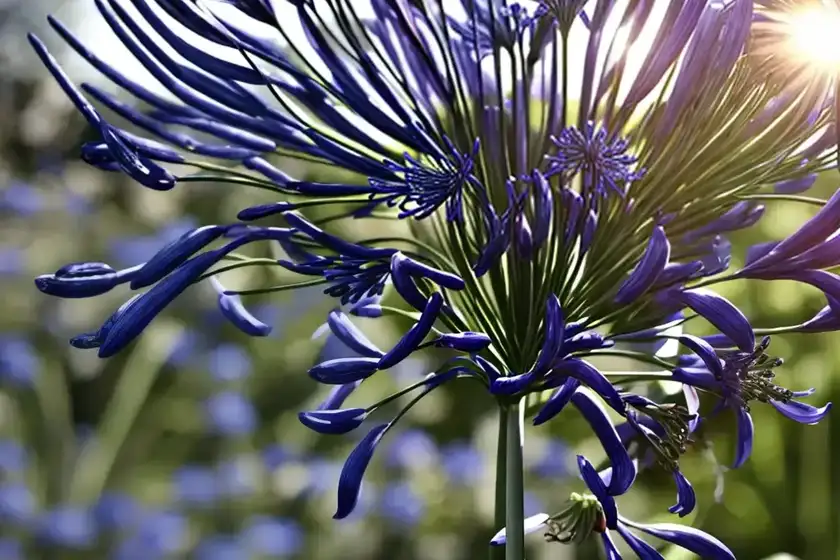
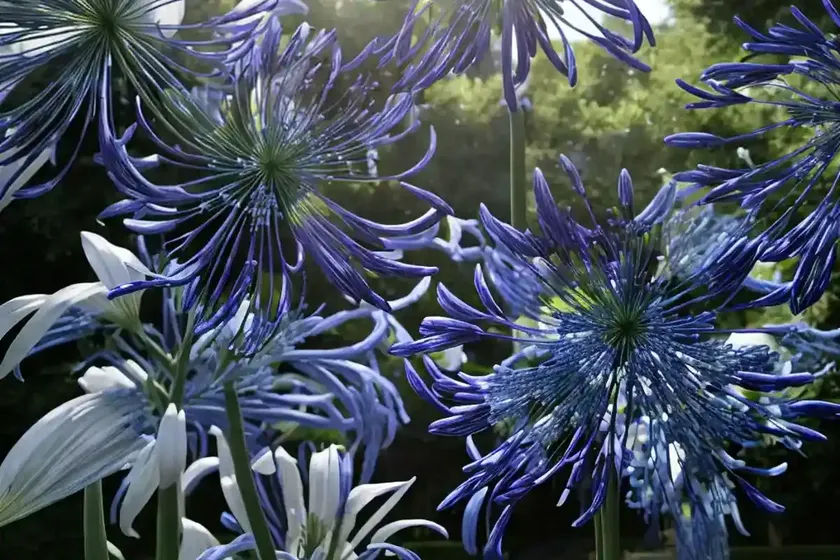
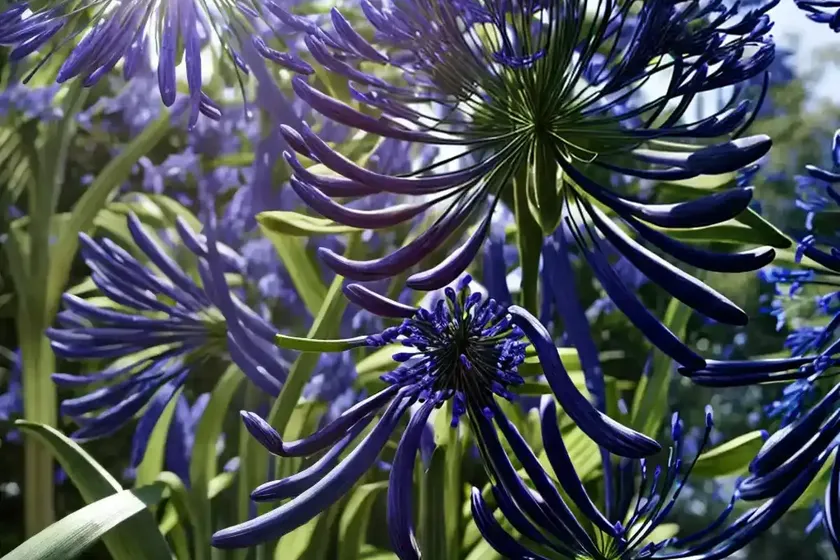
Agapanthus, commonly known as Lily of the Nile, is a stunningly beautiful and versatile plant that has captured the hearts of many gardeners and plant enthusiasts. With its striking blue or white flowers and lush, grass-like foliage, Agapanthus adds a touch of elegance and charm to any garden or landscape. In this comprehensive guide, we will delve into the fascinating world of Agapanthus, exploring its cultural significance, uses, care requirements, propagation methods, common diseases and pests, and much more. Whether you are a seasoned gardener or a beginner looking to enrich your green thumb, this guide will provide you with valuable insights into all things Agapanthus.
What is Agapanthus?
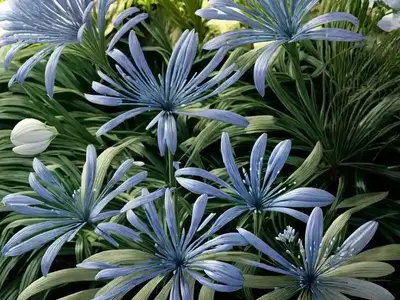
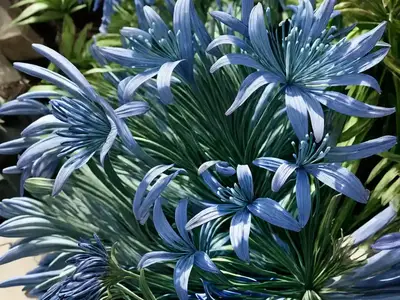
Agapanthus is a genus of flowering plants native to southern Africa, belonging to the family Amaryllidaceae. The name “Agapanthus” is derived from the Greek words “agape,” meaning love, and “anthos,” meaning flower. This name perfectly captures the exquisite beauty and allure of the plant’s flowers, which are characterized by spherical clusters of trumpet-shaped blooms atop tall, sturdy stems.
The most commonly cultivated species is Agapanthus africanus, which is known for its striking blue flowers, although white varieties are also popular. Agapanthus plants are valued not only for their aesthetic appeal but also for their adaptability to various growing conditions, making them a favorite among gardeners seeking low-maintenance yet visually stunning additions to their landscapes.
Key Takeaways – Agapanthus (Agapanthus)
Before we delve deeper into the world of Agapanthus, let’s take a moment to highlight some key takeaways that will guide our exploration of this captivating plant:
– Agapanthus are known for their striking blue or white flowers and lush, grass-like foliage, making them a popular ornamental plant in gardens and landscapes.
– These plants are versatile and can be grown in containers, borders, mass plantings, or as focal points in the garden.
– Agapanthus require well-draining soil, regular watering, and adequate sunlight to thrive, making them suitable for a wide range of climatic conditions.
– Propagation of Agapanthus can be achieved through seed starting, division, or tissue culture, offering various options for expanding your Agapanthus collection.
– While relatively resistant to pests and diseases, Agapanthus may still be susceptible to certain issues that require attention and proper management.
By keeping these key takeaways in mind, we can now delve into the various aspects of Agapanthus cultivation and care, equipping ourselves with the knowledge needed to cultivate and enjoy these magnificent plants to their fullest potential.
Agapanthus Culture
Uses
Agapanthus is primarily valued for its ornamental qualities, serving as a captivating addition to gardens, landscapes, and outdoor spaces. Its stunning flowers and lush, grass-like foliage make it a popular choice for various landscaping purposes, including but not limited to:
– Borders and Edging: Agapanthus can be used to create visually striking borders along pathways, driveways, or garden beds, adding a touch of elegance and structure to the landscape.
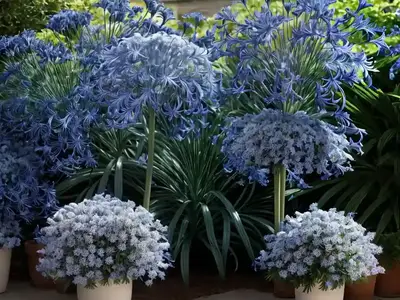
– Container Gardens: Due to their adaptability to container cultivation, Agapanthus are often featured in patio containers, providing a burst of color and vibrancy to outdoor living spaces.
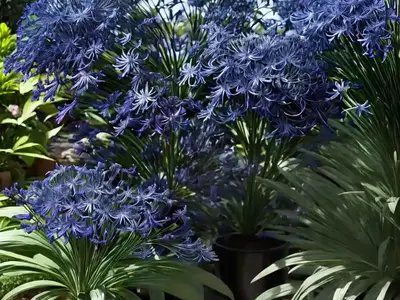
– Mass Plantings: When planted in groups or clusters, Agapanthus creates a captivating display of color and texture, making it an ideal choice for mass plantings in larger garden areas.
– Focal Points: The tall, graceful flower stems of Agapanthus make them well-suited for use as focal points in the garden, drawing attention and creating visual interest.
Beyond their decorative utility, Agapanthus also holds cultural and symbolic significance in different traditions and contexts. In some cultures, the plant is associated with love, purity, or even prosperity, adding layers of meaning to its already enchanting presence.
Water
The water requirements of Agapanthus are relatively moderate, with an emphasis on consistent moisture during the growing season. While the plants have some tolerance to drought once established, they perform best in evenly moist, well-drained soil. Here are some guidelines to ensure proper watering for Agapanthus:
– Establishment Phase: Newly planted Agapanthus should be watered regularly to encourage root establishment and minimize transplant shock. Keep the soil consistently moist but not waterlogged during the first few months after planting.
– Growing Season: During the active growing period, typically spring through summer, water the plants thoroughly whenever the top inch of soil feels dry to the touch. Deep, infrequent watering is preferable to frequent, shallow watering, as it encourages robust root development.
– Reduced Watering: In regions experiencing hot, dry summers, Agapanthus may benefit from supplementary watering during prolonged periods of drought. Mulching the soil surface can help conserve soil moisture and reduce the frequency of watering.
By monitoring soil moisture levels and adjusting watering practices based on environmental conditions, gardeners can ensure that their Agapanthus plants receive the optimal amount of water to support healthy growth and flowering.
Sunlight
Agapanthus thrives in full sun to partial shade, offering flexibility in terms of light requirements. The ideal placement for Agapanthus in the landscape is a location that receives:
– Full Sun: In regions with mild summers and ample sunlight, planting Agapanthus in full sun promotes vigorous growth and abundant flowering. Provide at least 6-8 hours of direct sunlight for optimal performance, especially in cooler climates.
– Partial Shade: In hotter climates or areas with intense sunlight, partial shade during the hottest part of the day can help protect Agapanthus from excessive heat and sunburn, particularly in the afternoon. Morning sun combined with dappled shade or filtered light in the afternoon is ideal in such conditions.
By understanding the sunlight requirements of Agapanthus, gardeners can strategically position their plants to maximize their potential and adapt to the specific light conditions of their garden or outdoor space.
Fertilizer
Proper fertilization is essential for promoting healthy growth and prolific flowering in Agapanthus. While these plants are not heavy feeders, they can benefit from occasional applications of balanced fertilizer to provide essential nutrients. Here are some guidelines for fertilizing Agapanthus:
– Timing: Apply a balanced, slow-release fertilizer in early spring as new growth emerges, providing the plants with the necessary nutrients to support robust flowering and foliage development throughout the growing season.
– Frequency: A single application of fertilizer in spring is generally sufficient for Agapanthus. Avoid over-fertilizing, as this can lead to excessive leafy growth at the expense of flowering.
– Application Method: Distribute the fertilizer evenly around the base of the plant, following the recommended dosage outlined on the product label. Water the plants thoroughly after fertilization to help incorporate the nutrients into the soil.
By adhering to a consistent fertilization schedule and using the appropriate type of fertilizer, gardeners can enhance the overall health and vigor of their Agapanthus plants, resulting in more abundant and long-lasting blooms.
Soil
The key to successful Agapanthus cultivation lies in providing well-draining, fertile soil that supports healthy root growth and development. Consider the following soil requirements when establishing or caring for Agapanthus plants:
– Drainage: Ensure that the soil provides excellent drainage to prevent waterlogging, as Agapanthus are susceptible to root rot in soggy or poorly drained conditions. Amending heavy or compacted soils with organic matter, such as compost or aged manure, can improve drainage and enhance soil structure.
– Fertility: Agapanthus thrive in nutrient-rich soil with a slightly acidic to neutral pH. Incorporating organic amendments into the soil, such as compost or well-decomposed organic matter, can enrich the fertility of the soil and provide essential nutrients for the plants.
– Container Cultivation: When growing Agapanthus in containers, use a high-quality, well-draining potting mix formulated for outdoor container plants. Ensure that the containers have drainage holes to prevent water accumulation at the bottom.
By selecting and preparing the appropriate soil medium, gardeners can create an optimal growing environment for their Agapanthus plants, setting the stage for healthy and vigorous growth.
Pruning
Proper pruning plays a crucial role in maintaining the health, aesthetics, and flowering performance of Agapanthus. Pruning tasks for Agapanthus primarily include the following:
– Deadheading: Remove spent flower stalks after the blooming period to prevent the plant from expending energy on seed production. Deadheading also enhances the plant’s appearance and encourages the development of new flower buds for the following season.
– Foliage Maintenance: Trim back any damaged, yellowing, or brown foliage to promote a tidy and attractive appearance. Regular removal of dead or decaying leaves can help prevent disease and maintain the plant’s overall vitality.
Consistent pruning and maintenance practices contribute to the long-term health and beauty of Agapanthus, ensuring that the plants remain in peak condition and continue to grace the garden with their striking presence.
Propagation
Agapanthus can be propagated through various methods, offering opportunities for gardeners to expand their plant collection and share the beauty of these remarkable flowers with others. The following propagation techniques are commonly used for Agapanthus:
– Division: Division involves separating the plant’s rhizomes or offsets to create new, individual plants. This method is typically carried out during the dormant or early growth phase, with the divided segments replanted into prepared soil or containers for further growth.
– Seed Starting: Agapanthus can be propagated from seeds, although this method requires patience and time for the seeds to germinate and develop into mature plants. Sow the seeds in well-draining, moist soil and provide the necessary warmth and light for successful germination.
– Tissue Culture: In commercial settings or specialized laboratories, tissue culture techniques may be employed to propagate Agapanthus on a large scale. This method allows for the rapid multiplication of plants under controlled conditions, ensuring genetic uniformity and high-quality plants.
By exploring different propagation methods, gardeners can expand their Agapanthus collection while gaining valuable insights into the plant’s growth and development from its early stages.
Agapanthus in Containers
The adaptability of Agapanthus to container cultivation makes it a versatile and popular choice for creating vibrant and colorful displays in outdoor living spaces. When growing Agapanthus in containers, consider the following guidelines for optimal performance:
– Container Selection: Choose a spacious, sturdy container with adequate drainage holes to accommodate the plant’s root system and prevent waterlogging. Select a container that complements the size and growth habit of the Agapanthus variety.
– Potting Mix: Use a well-draining, high-quality potting mix formulated for outdoor container plants. Consider adding a slow-release fertilizer to the potting mix to provide essential nutrients for the plants.
– Watering: Container-grown Agapanthus may require more frequent watering compared to plants in the ground, especially during hot, dry periods. Monitor soil moisture levels and water the plants when the top inch of soil feels dry to the touch.
– Winter Protection: In regions with cold winters, provide winter protection for container-grown Agapanthus by moving the pots to a sheltered location or insulating them with mulch or protective coverings to prevent frost damage.
With proper care and attention, Agapanthus can thrive and produce stunning displays when cultivated in containers, offering a vibrant and eye-catching addition to outdoor patios, balconies, and garden spaces.
Popularity
The popularity of Agapanthus has surged in recent years, driven by its captivating beauty, versatility, and ease of cultivation. This surge in popularity is evidenced by the plant’s widespread use in gardens, public landscapes, and various horticultural settings. Whether utilized as a striking border plant, an eye-catching container specimen, or a mass planting for landscape impact, Agapanthus continues to capture the imagination of gardeners and plant enthusiasts alike.
The plant’s versatility and adaptability to a wide range of growing conditions, combined with its stunning floral display, have contributed to its increased popularity as a go-to choice for adding visual impact and elegance to outdoor spaces. Additionally, the availability of various cultivars and hybrids with different flower colors, sizes, and growth habits has further enhanced the appeal of Agapanthus, providing options to suit different preferences and design needs.
As Agapanthus continues to gain traction in both contemporary and traditional garden settings, its popularity shows no sign of waning, cementing its status as a beloved ornamental plant with timeless charm and allure.
Common Diseases
While Agapanthus is generally resilient and disease-resistant, it may still be susceptible to a few common issues that can affect its overall health and vigor. Understanding these potential diseases and their management is essential for maintaining thriving Agapanthus plants. Some common diseases that may impact Agapanthus include:
– Root Rot: This fungal disease can occur in waterlogged or poorly drained soil, leading to the deterioration of the plant’s roots and overall decline. Prevention is key, with measures such as improving soil drainage and avoiding overwatering to minimize the risk of root rot.
– Leaf Spot: Leaf spot diseases, caused by various fungal pathogens, can manifest as circular or irregularly shaped spots on the foliage, leading to discoloration and reduced aesthetic appeal. Proper sanitation, removal of affected leaves, and avoiding overhead watering can help manage leaf spot diseases.
– Botrytis Blight: Also known as gray mold, botrytis blight can affect Agapanthus during periods of high humidity or excessive moisture, resulting in the development of fuzzy gray mold on the plant’s flowers and foliage. Adequate air circulation, reduced humidity, and careful handling of plants can help prevent botrytis blight.
By remaining vigilant and proactive in monitoring the health of Agapanthus plants, gardeners can implement preventive measures and early intervention to minimize the impact of common diseases and preserve the vitality of their cherished plants.
Disease Diagnosis
Diagnosing diseases in Agapanthus involves careful observation of the plant’s symptoms and an understanding of the prevalent disease issues that can affect it. When assessing potential diseases in Agapanthus, consider the following diagnostic steps:
– Symptom Identification: Look for specific symptoms such as leaf discoloration, wilting, spotting, or unusual growth patterns on the plant’s foliage, stems, or flowers. Note any changes in the overall appearance and vigor of the plant.
– Environmental Conditions: Assess the prevailing environmental factors such as moisture levels, temperature, and air circulation, as these can influence the development and spread of diseases in Agapanthus.
– Pathogen Analysis: If possible, examine affected plant parts under a magnifying glass to identify signs of fungal growth, spores, or other pathogens. Additionally, research common diseases that affect Agapanthus to determine potential causes based on symptomatology.
By conducting a thorough assessment of the plant’s condition and considering the factors that contribute to disease development, gardeners can make informed decisions regarding disease management and intervention strategies to protect their Agapanthus plants.
Common Pests
Agapanthus is relatively resistant to pest infestations, thanks to its natural defenses and robust growth habits. However, certain pests may still pose occasional challenges to the plant’s health and vitality. Common pests that may affect Agapanthus include:
– Aphids: These small, soft-bodied insects can congregate on the tender foliage and flower buds of Agapanthus, causing damage by sucking sap and excreting honeydew. Regular inspection and the use of natural predators or insecticidal soap can help control aphid infestations.
– Snails and Slugs: These mollusks are notorious for feeding on the lush foliage and tender shoots of Agapanthus, leaving behind ragged edges and unsightly damage. Implementing physical barriers, such as copper tape or diatomaceous earth, can deter snails and slugs from reaching the plants.
Vigilance, early detection, and prompt intervention are vital for effectively managing pest issues in Agapanthus, ensuring that the plants remain robust and pest-free throughout the growing season.
Botanist’s Tips
Drawing on insights from botanists and horticultural experts, here are some valuable tips for cultivating and caring for Agapanthus:
– Choose the Right Variety: When selecting Agapanthus for your garden or landscape, consider the available varieties and hybrids to find the perfect fit for your design vision and growing conditions. Explore different flower colors, heights, and flowering times to create an enchanting display.
– Plant in Groups: For a striking visual impact, consider planting Agapanthus in clusters or drifts, allowing their beautiful blooms to create a seamless flow of color and texture in the landscape. Groupings of Agapanthus can create a captivating focal point and enhance the overall aesthetics of the garden.
– Enhance Soil Drainage: Prioritize soil drainage when establishing Agapanthus, as this is crucial for preventing root rot and maintaining the overall health of the plants. Amending heavy soils with organic matter and creating raised beds can improve drainage and foster optimal growth.
– Mulching Benefits: Apply a layer of organic mulch around Agapanthus plants to help retain soil moisture, suppress weed growth, and regulate soil temperature. Organic mulch also enriches the soil as it breaks down, contributing to a healthier growing environment for the plants.
By incorporating these expert tips into your Agapanthus gardening practices, you can maximize the aesthetic appeal and horticultural performance of these captivating flowering plants, creating a garden oasis that exudes beauty and vitality.
Fun Facts
Uncover the fascinating world of Agapanthus with these captivating fun facts and trivia:
– Symbolic Meanings: In the language of flowers, Agapanthus has been associated with notions of love, adoration, and the power of unity. This symbolism adds a deeper layer of sentiment to the plant’s already captivating presence in gardens and floral arrangements.
– Native Habitat: Agapanthus is native to the southern regions of Africa, where it thrives in diverse climates and habitats, from coastal areas to inland regions. Its adaptability to different environments reflects its resilience and widespread appeal.
– Global Presence: The allure of Agapanthus has led to its cultivation and appreciation in various parts of the world, from Europe and North America to Australasia and beyond. Its popularity transcends geographical boundaries, resonating with plant lovers and horticultural enthusiasts worldwide.
These fun facts offer a glimpse into the rich and intriguing history of Agapanthus, shedding light on its cultural, botanical, and symbolic significance across different traditions and landscapes.
Links to External Resources
For further exploration and in-depth information about Agapanthus, consider delving into the following external resources:
– Royal Horticultural Society – Agapanthus
– University of California Agriculture & Natural Resources – Agapanthus spp.
– American Society for the Prevention of Cruelty to Plants – Agapanthus Plant Care
By referencing reputable external sources, you can expand your knowledge and gain valuable insights into the cultivation, care, and appreciation of Agapanthus, enriching your gardening experience and fostering a deeper connection with these remarkable plants.
Conclusion
In conclusion, Agapanthus stands as a captivating and versatile genus of flowering plants that embodies grace, beauty, and resilience. From its striking floral displays and lush foliage to its adaptability to various growing conditions, Agapanthus continues to enchant gardeners and plant enthusiasts worldwide, offering a wealth of ornamental and horticultural possibilities.
By understanding the cultural significance, care requirements, propagation methods, and potential challenges associated with Agapanthus, we can cultivate