The Beautiful Lily of the Nile (Agapanthus Group)
Welcome to our comprehensive guide on the captivating Lily of the Nile, also known as the Agapanthus group. This stunning plant is adored by gardeners and plant enthusiasts for its majestic blooms and easy-going nature. Throughout this article, we will delve into the various aspects of the Lily of the Nile, including its culture, uses, care requirements, propagation, common diseases, and much more. By the end of this guide, you will be equipped with all the knowledge needed to cultivate and nurture these enchanting plants.
What is Lily of the Nile (Agapanthus Group)
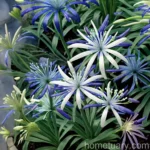
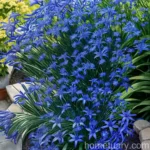
The Lily of the Nile, scientifically known as Agapanthus, is a group of flowering plants native to Southern Africa. They belong to the Amaryllidaceae family and are renowned for their striking spherical clusters of blue or white flowers which are held high on erect stems. These plants are prized for their ornamental value and are often cultivated to add a touch of elegance to gardens, landscapes, and even indoor spaces.
Key Takeaways – Lily of the Nile (Agapanthus Group)
Before diving into the specifics, let’s highlight the key takeaways of the Lily of the Nile (Agapanthus group) to give you a sneak peek of what’s to come:
- Agapanthus Flower: The striking spherical clusters of flowers are the hallmark of the Lily of the Nile.
- Cultivation: Agapanthus can be easily grown in various conditions and are particularly well-suited for garden landscapes.
- Care Tips: Providing the right balance of water, sunlight, fertilizer, and soil is essential for the health and vitality of Agapanthus plants.
- Propagation: Agapanthus can be propagated through divisions or seeds, providing opportunities for expansion and sharing with fellow enthusiasts.
- Common Pests and Diseases: Although generally hardy, Agapanthus can be susceptible to certain pests and diseases, which we will explore in detail.
- Gardening Ideas: Agapanthus offers versatility in landscaping and gardening, lending itself to various creative applications and designs.
With an overview of the key points to be discussed, let’s now delve into the intricate details of the Lily of the Nile (Agapanthus group).
Culture
Uses
Lily of the Nile, with its stunning floral displays and lush foliage, is used primarily for ornamental purposes. Whether planted in a garden bed, used in container gardening, or as cut flowers in arrangements, Agapanthus adds a touch of sophistication and charm to any setting. Additionally, the long-lasting blooms make Agapanthus an excellent choice for floral decorations and bouquets, further extending its utility.
Water
Water is an essential component of Agapanthus care. These plants thrive in moist but well-draining soil and require regular watering, especially during the growing season. However, it’s crucial to avoid waterlogging, which can lead to root rot. In winter, when the plant is dormant, reduce the frequency of watering to prevent excessive moisture in the soil.
For container-grown Agapanthus, ensure that the pots have drainage holes to facilitate proper water drainage and prevent water from accumulating at the base of the container.
Sunlight
Agapanthus plants prefer full sun to partial shade. When planted in locations with ample sunlight, they tend to produce more robust and abundant blooms. However, they can tolerate partial shade, making them adaptable to various garden settings. It’s important to note that insufficient sunlight may lead to decreased flowering and overall plant vigor.
Fertilizer
Incorporating a balanced fertilizer into the soil during the growing season can significantly enhance the growth and blooming of Agapanthus. A general-purpose, slow-release fertilizer can be applied in spring, followed by a second application in midsummer to support the plant’s nutritional needs. Opt for a fertilizer with a higher phosphorus content to promote better flower production.
Soil
Well-draining, fertile soil is crucial for the successful cultivation of Agapanthus. A loamy soil enriched with organic matter creates an ideal environment for these plants to thrive. When planting in containers, a high-quality potting mix designed for flowering plants can be used to provide the necessary nutrients and drainage.
Pruning
Pruning Agapanthus primarily involves the removal of spent flower stems and any dead or damaged foliage. This not only maintains the plant’s aesthetic appeal but also helps prevent the formation of seeds, encouraging the plant to focus its energy on producing new blooms. A gentle tug or snip at the base of the faded flower head is usually all that’s needed to remove them. Additionally, cleaning up the foliage can help reduce the risk of disease and pest infestations.
Propagation
Agapanthus can be propagated through two primary methods: division and seed propagation.
Division
Dividing established clumps of Agapanthus is a straightforward way to propagate these plants. This is typically done in early spring before new growth begins. The process involves carefully lifting the clump from the ground, separating the individual plants, and transplanting them into new locations. Divisions should be replanted at the same depth as the parent plant and watered thoroughly to promote establishment.
Seed Propagation
While less commonly practiced due to the time and effort involved, Agapanthus can also be propagated from seeds. The seeds should be sown in a well-draining soil mix and kept consistently moist until germination occurs. It’s important to note that plants grown from seed may take a few years to reach maturity and produce flowers, thus requiring patience and dedication.
Container Popularity
The Lily of the Nile is a popular choice for container gardening due to its adaptability and ornamental value. It lends itself well to being grown in pots, allowing enthusiasts to enjoy its beauty on patios, balconies, and other outdoor spaces. The vibrant blooms and graceful foliage of Agapanthus make it a standout feature in container displays, whether as a standalone specimen or as part of a mixed arrangement.
Container Care
When growing Agapanthus in containers, it’s essential to ensure proper drainage to prevent waterlogging, as excessive moisture can be detrimental to the plants. Select a container with drainage holes and use a well-draining potting mix to provide the ideal growing medium. Additionally, regular watering and occasional fertilization are crucial for maintaining the health and vitality of Agapanthus in containers.
Common Diseases
Agapanthus are generally resilient plants, but they can be vulnerable to a few common diseases, notably:
- Root and Crown Rot: This occurs as a result of waterlogged soil, leading to the decay of the roots and base of the plant. To prevent this, ensure proper drainage and avoid overwatering.
- Gray Mold (Botrytis): Especially prevalent in humid conditions, this fungal disease can cause browning and wilting of foliage. Good air circulation and avoiding overhead watering can help mitigate the risk of this disease.
- Rust: Identified by orange or brown pustules on the leaves, rust is a fungal disease that can weaken the plant. Removing and disposing of affected leaves can help prevent its spread.
Disease Diagnosis
Prompt diagnosis of diseases is essential to implement effective control measures. If you notice any unusual symptoms such as wilting, discoloration, or lesions on the foliage, it’s important to inspect the plant closely to identify the potential disease. Additionally, staying vigilant and monitoring the overall health of your Agapanthus can aid in early detection and management of any emerging issues.
Common Pests
While relatively resistant to pests, Agapanthus may occasionally encounter the following insects:
- Aphids: These small, sap-sucking insects can cluster on the tender shoots and flower buds, causing distortion and stunted growth. A forceful spray of water or insecticidal soap can help control aphid infestations.
- Snails and Slugs: These voracious feeders can cause significant damage to the foliage and flowers of Agapanthus. Physical barriers and organic slug control methods can be employed to protect the plants from these pests.
- Spider Mites: Typically found on the undersides of leaves, spider mites can cause stippling and discoloration of the foliage. Regularly hosing down the plants and maintaining adequate humidity levels can help deter spider mite infestations.
Implementing cultural practices such as maintaining plant hygiene, providing optimal growing conditions, and regular monitoring can contribute to pest prevention and management.
Botanist’s Tips
To ensure the success of your Agapanthus, consider these valuable tips from a botanist’s perspective:
- Winter Protection: In colder climates, providing winter protection such as a layer of mulch over the root zone can help insulate the plants from harsh temperatures and frost.
- Mulching: Applying a layer of organic mulch around the base of the plant helps conserve moisture, suppress weeds, and regulate soil temperature, promoting overall plant health.
- Division Timing: Divide clumps of Agapanthus every few years to prevent overcrowding and rejuvenate the plants, ideally in early spring or fall for optimal growth.
- Deadheading Flowers: Regularly removing spent flowers not only enhances the plant’s appearance but also encourages additional blooming, prolonging the flowering season.
Fun Facts
To further appreciate the allure of Agapanthus, here are some fascinating fun facts about the Lily of the Nile:
- Agapanthus is often referred to as the “African Lily,” acknowledging its origins in South Africa.
- The term “Agapanthus” is derived from the Greek words “agape,” meaning love, and “anthos,” meaning flower, reflecting the plant’s symbolism of love and beauty.
- Agapanthus is known to attract pollinators such as bees and butterflies, contributing to the biodiversity of the garden ecosystem.
- In some regions, Agapanthus is believed to bring good luck and prosperity, making it a popular choice for decorative plantings.
Links to External Resources
For additional insights and information on Agapanthus, consider exploring the following external resources:
- Royal Horticultural Society – Agapanthus: https://www.rhs.org.uk/advice/profile?pid=595
- The American Horticultural Society – Agapanthus for the Garden: https://ahsgardening.org/gardening-resources/plant-profiles/agapanthus-for-the-garden/
- University of Florida IFAS Extension – Agapanthus spp. African Lily: https://edis.ifas.ufl.edu/fp123
In conclusion, the Lily of the Nile (Agapanthus group) stands as a captivating and versatile addition to gardens and landscapes, offering a symphony of color and grace. Embracing its cultural significance, understanding its care requirements, and cherishing its ornamental value can enrich the horticultural experience for enthusiasts and cultivators alike. With the knowledge gleaned from this comprehensive guide, may you find joy in cultivating and admiring the timeless beauty of Agapanthus.