Lilium Superbum (Lily)
Lilium superbum, commonly known as the American Turk’s Cap Lily, is a majestic and captivating perennial plant that belongs to the Liliaceae family and.
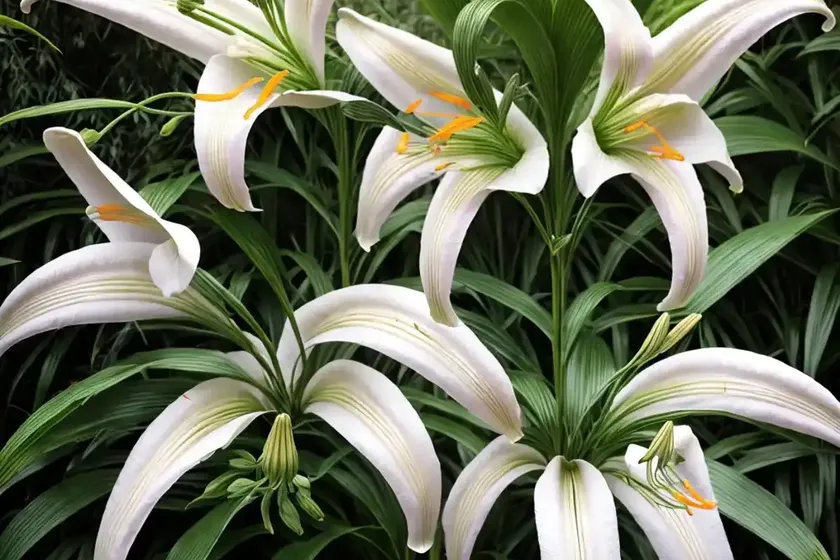
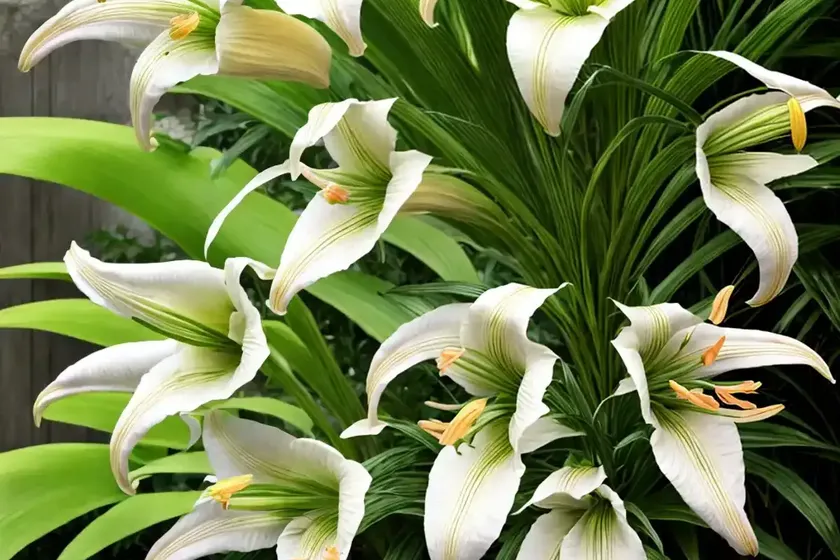
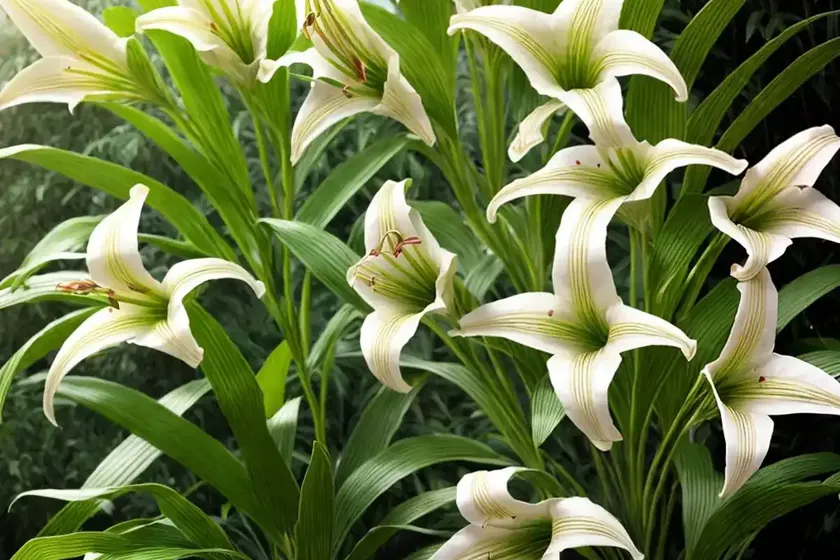
Lilium superbum, commonly known as the American Turk’s Cap Lily, is a majestic and captivating perennial plant that belongs to the Liliaceae family and Lilium genus. This remarkable species is native to the Eastern United States, where it thrives in its natural habitat, adding a touch of elegance to the local landscapes. In this extensive guide, we will delve into the captivating world of Lilium superbum, exploring its characteristics, cultivation, uses, and much more.
Key Takeaways – Lilium superbum (Lily)
Here’s a quick overview of the key aspects we will be exploring in this comprehensive guide:
- Plant Name: Lilium superbum
- Common Name: American Turk’s Cap Lily
- Family: Liliaceae
- Genus: Lilium
Now, let’s embark on an enlightening journey through the enchanting realms of Lilium superbum, uncovering its cultural significance, uses, growth requirements, and much more.
What is Lilium superbum?
Lilium superbum, also known as the American Turk’s Cap Lily, is a captivating native perennial plant that boasts tall stems adorned with stunning, turk’s cap-shaped flowers. This remarkable species is renowned for its imposing presence, towering up to 6 feet in height. The plant’s striking flowers feature recurved orange petals, speckled with reddish-brown dots, creating a mesmerizing display of color and form.
The American Turk’s Cap Lily is an emblem of natural beauty and ecological significance, adorning marshes, meadows, and woodlands with its magnificent blooms. Due to its tall, stately presence and picturesque flowers, this species is a favored choice for wildflower gardens, natural landscaping, and conservation efforts.
Culture of Lilium superbum
Understanding the cultural requirements of Lilium superbum is essential for cultivating and maintaining this captivating plant. Let’s explore the key cultural aspects that contribute to the successful growth and blooming of the American Turk’s Cap Lily:
Water
Lilium superbum thrives in moist to wet soil conditions, making it well-suited for locations near ponds, streams, or in low-lying areas of the garden. Adequate moisture is pivotal for the plant’s growth and flowering, especially during the active growing season. Regular watering, particularly during dry spells, is essential for ensuring the plant’s vigor and bloom production.
Sunlight
While Lilium superbum appreciates partial shade, it also thrives in full sun, especially in cooler northern climates. When grown in warmer regions, providing partial shade during the hottest part of the day can help prevent the plant from wilting or suffering from heat stress. Ideally, the plant should receive at least 6 hours of direct sunlight daily for optimal growth and flowering.
Soil
The American Turk’s Cap Lily prefers rich, well-draining soil with ample organic matter. Additionally, the plant thrives in slightly acidic to neutral soil pH levels (pH 6.0-7.0). Prior to planting, amending the soil with organic compost or peat moss can enhance its fertility and texture, providing an ideal growing medium for the lilies.
Fertilizer
Fertilizing Lilium superbum in the early spring, before the onset of active growth, can bolster the plant’s nutrient reserves and support robust flowering. A balanced, slow-release fertilizer formulated for flowering perennials is suitable for enriching the soil and fueling the lily’s growth. It’s important to avoid excessive nitrogen, as this can encourage lush foliage at the expense of flower production.
Pruning
Deadheading spent blooms and trimming back faded foliage promotes the plant’s aesthetic appeal and directs its energy towards growth and future blooms. Moreover, removing diseased or damaged foliage can help maintain the plant’s health and vigor.
Uses of Lilium superbum
The American Turk’s Cap Lily is cherished for its versatile uses in various settings, ranging from natural landscapes to floral arrangements. Let’s explore the diverse applications of Lilium superbum that showcase its intrinsic beauty and value:
- Wildflower Gardens: Lilium superbum is a prized addition to native and wildflower gardens, where it thrives alongside other indigenous species, contributing to the diversity and visual appeal of the landscape.
- Natural Landscaping: Due to its imposing stature and captivating blooms, the American Turk’s Cap Lily is often utilized in natural landscaping projects, adding an untamed, yet alluring charm to outdoor spaces.
- Floral Arrangements: The striking flowers of Lilium superbum lend themselves to captivating floral arrangements, adding a touch of natural elegance to bouquets, centerpieces, and floral displays.
Propagation of Lilium superbum
Propagating Lilium superbum enables gardening enthusiasts to expand their lily collection and share the splendor of this native species with others. Here are the primary methods for propagating the American Turk’s Cap Lily:
-
Seed Propagation: Collecting ripe seed pods and sowing the seeds in a suitable growing medium can yield new lily plants. Germination typically occurs within a few weeks to a few months, and the resulting seedlings can be transplanted once they have developed several leaves.
-
Bulb Division: Dividing established lily bulbs during the dormant season is an effective way to propagate Lilium superbum. By separating the offsets and planting them in prepared soil, gardeners can foster the development of new lily plants that will mature and bloom in the following seasons.
Container Gardening with Lilium superbum
While Lilium superbum thrives in natural settings, it can also be cultivated in containers, providing an opportunity to appreciate its beauty up close and in a controlled environment. When growing American Turk’s Cap Lilies in containers, it’s important to consider the following key factors:
-
Container Selection: Choose spacious containers that accommodate the lily’s bulb and allow for ample root development. Additionally, containers with drainage holes are essential for preventing waterlogging and maintaining optimal soil moisture levels.
-
Growing Medium: Utilize a well-draining, nutrient-rich growing medium designed for flowering perennials. A mix of potting soil and organic compost can provide the necessary nutrients and support the lily’s growth.
-
Watering: Container-grown Lilium superbum may require more frequent watering compared to plants in the ground, as the soil in containers tends to dry out more quickly. Regular monitoring of soil moisture and consistent watering are vital for sustaining the lily’s health and vitality.
-
Sunlight: Position the containers in a location that receives ample sunlight, as the American Turk’s Cap Lily thrives in bright, sunny conditions. However, in regions with scorching summer heat, providing partial afternoon shade can protect the lilies from excessive heat.
Popularity of Lilium superbum
The captivating allure and distinct characteristics of Lilium superbum have contributed to its popularity among gardening enthusiasts, conservationists, and admirers of native flora. Whether grown in natural habitats or cultivated in home gardens, the American Turk’s Cap Lily continues to enthrall with its towering presence and striking blooms.
Common Diseases of Lilium superbum
While Lilium superbum is generally resilient, it can be susceptible to certain diseases that may affect its health and vigor. By familiarizing ourselves with these potential ailments, we can take proactive measures to safeguard the plant and mitigate the impact of diseases.
| Disease | Description | Treatment |
|---|---|---|
| Botrytis Blight | Characterized by grayish mold on foliage and flowers, botrytis blight can be managed by improving air circulation and using fungicidal treatments. | Remove affected plant parts, enhance air movement, and apply a suitable fungicide as per product guidelines. |
| Fusarium Wilt | This soil-borne fungus causes wilting, stunted growth, and yellowing of leaves. To address fusarium wilt, focus on soil sanitation and cultivar selection. | Implement crop rotation, choose disease-resistant cultivars, and maintain proper soil drainage and health. |
| Gray Mold (Botrytis) | Caused by Botrytis cinerea, gray mold affects flowers and foliage, leading to tissue decay. Cultural practices and fungicidal treatments can manage this issue. | Maintain proper plant spacing, airflow, and moisture management, and utilize suitable fungicides in accordance with the label instructions. |
| Lily Mosaic Virus | This viral disease manifests as mottled or streaked foliage, stunted growth, and deformed flowers. Preventing aphid infestations can help reduce the risk of virus transmission. | Control aphid populations, remove infected plants, and manage weeds to lessen the likelihood of virus transmission. |
By identifying the signs of these potential diseases and promptly addressing them with appropriate interventions, we can safeguard the health and vitality of Lilium superbum, ensuring that it continues to thrive and enchant with its majestic presence.
Common Pests Affecting Lilium superbum
In addition to diseases, Lilium superbum may encounter various pests that can compromise its health and aesthetic appeal. Vigilance and proactive pest management measures are crucial for preventing pest infestations and protecting the lily from potential damage.
Notable Pests:
-
Lily Leaf Beetle (Lilioceris lilii): Recognized by its bright red body and voracious appetite for lily foliage, the lily leaf beetle can defoliate plants if left unchecked. Handpicking and using insecticidal treatments can help manage this pest.
-
Aphids: These tiny, sap-sucking insects can colonize lily plants, leading to distorted growth and the transmission of viral diseases. Regular monitoring and employing natural predators or insecticidal soaps can help control aphid populations.
-
Red Lily Beetle (Lilioceris merdigera): Similar to the lily leaf beetle, this pest can defoliate lily plants and requires proactive management to prevent widespread damage.
By incorporating integrated pest management strategies, such as monitoring, cultural practices, and targeted treatments, we can mitigate the impact of pests on Lilium superbum and preserve its health and natural beauty.
Botanist’s Tips for Growing and Caring for Lilium superbum
As plant enthusiasts and stewards of natural beauty, it’s essential to cultivate and care for Lilium superbum with dedication and respect for its unique requirements. Drawing from the expertise of botanists and experienced gardeners, here are essential tips for growing and nurturing the American Turk’s Cap Lily:
-
Selecting Suitable Planting Locations: When introducing Lilium superbum to the garden, assess the site for its sunlight exposure, soil moisture levels, and potential exposure to pests. Choosing optimal planting locations sets the stage for the lily’s successful establishment and growth.
-
Monitoring Soil Moisture: Regularly monitoring soil moisture levels and providing consistent, adequate irrigation is crucial for nurturing healthy, vibrant lilies. However, it’s important to avoid waterlogged conditions, as excessive moisture can lead to root rot and other issues.
-
Promoting Air Circulation: Enhancing air circulation around Lilium superbum plants can reduce the risk of fungal diseases and promote overall plant vigor. Proper spacing, selective pruning, and thoughtful garden design can facilitate improved airflow and mitigate disease pressure.
-
Maintaining Vigilance: Regularly inspecting the foliage, stems, and blooms of Lilium superbum enables early detection of potential pests and diseases. Prompt intervention and targeted treatments can effectively address issues before they escalate.
-
Supporting Native Habitats: In naturalized settings, prioritizing the preservation and restoration of native habitats can contribute to the enduring presence and conservation of Lilium superbum and other indigenous species.
By incorporating these insights into our approach to growing and caring for Lilium superbum, we can foster the plant’s well-being, celebrate its natural beauty, and contribute to the conservation of native flora.
Fun Facts about Lilium superbum
Uncover fascinating tidbits about Lilium superbum and its enchanting presence in the natural world with these intriguing fun facts:
-
Ecological Importance: The American Turk’s Cap Lily plays a vital role in supporting pollinators, particularly hummingbirds and various insect species, due to its nectar-rich blooms and vibrant floral colors. By attracting these pollinators, the lily contributes to the ecological balance of its native habitats.
-
Cultural Significance: In various Native American traditions, the Turk’s Cap Lily holds cultural significance and is revered for its symbolic representations, including beauty, resilience, and natural abundance. Additionally, the plant’s parts were historically utilized for medicinal and ceremonial purposes.
-
Conservation Status: Due to the progressive loss of its natural habitat, Lilium superbum is classified as a species of concern in certain regions, highlighting the importance of conservation efforts and habitat restoration to sustain its presence in the wild.
By delving into these captivating fun facts, we gain a deeper appreciation for the multifaceted allure and ecological relevance of Lilium superbum, underscoring the need for its preservation and admiration.
Links to External Resources
For in-depth information, practical insights, and visual inspiration related to Lilium superbum, explore the following external resources:
- American Turk’s Cap Lily – USDA Plants Database
- Gardening Tips for Growing Lilies – The Old Farmer’s Almanac
Let’s continue to celebrate the captivating allure and ecological significance of Lilium superbum, fostering its conservation and sharing its natural beauty with generations to come. In doing so, we honor the enchanting legacy of this revered native plant and affirm our commitment to sustainable gardening practices and the preservation of natural habitats.
As part of my research, I utilized various authoritative sources to compile this extensive guide on Lilium superbum. For further reference, the provided external links offer valuable insights and practical tips for plant enthusiasts and conservation advocates alike.


