Lilium Hansonii (Japanese Turk’s Cap Lily)
Lilium hansonii, commonly known as Japanese Turk’s Cap Lily, is an enchanting plant that captivates with its striking appearance and delicate fragrance..
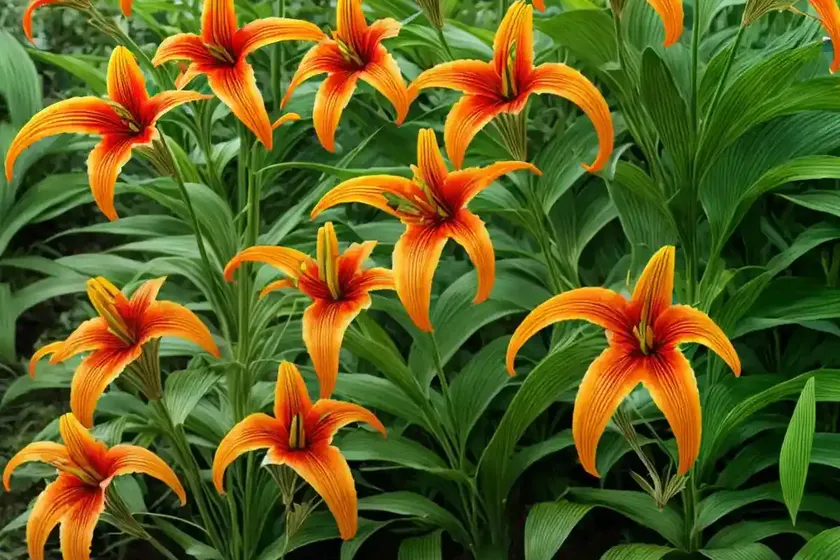
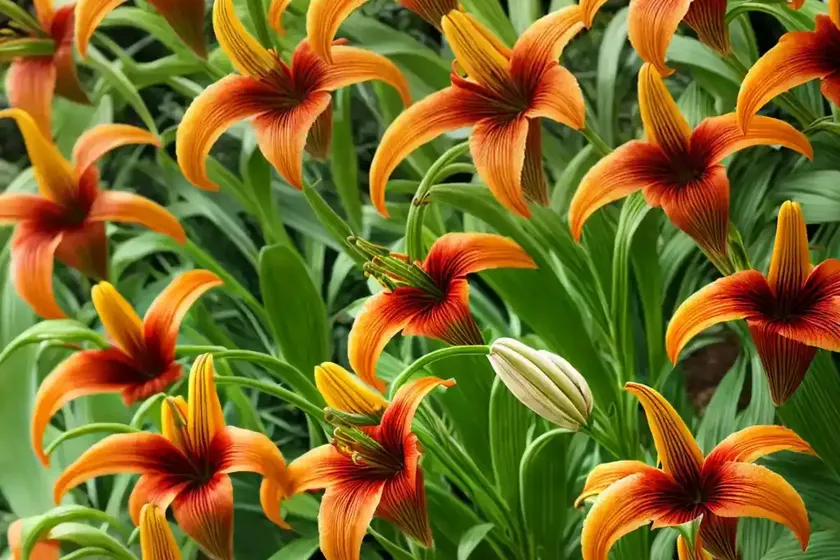
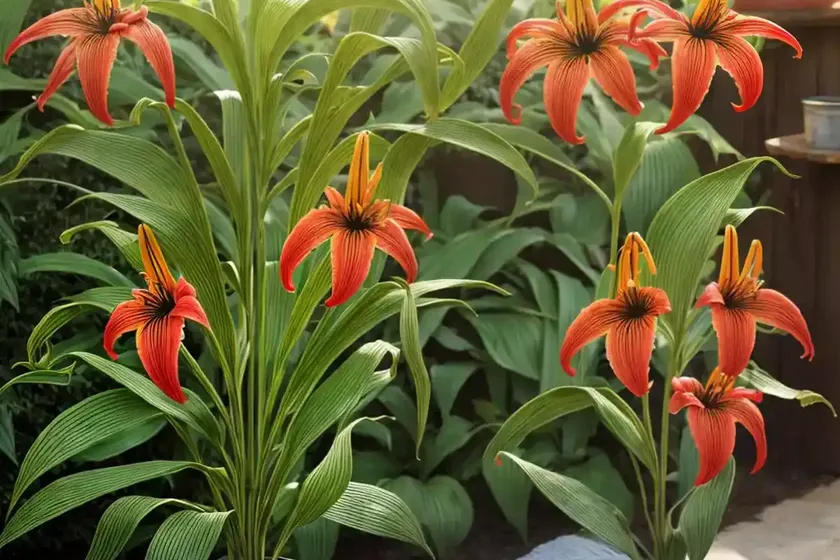
Lilium hansonii, commonly known as Japanese Turk’s Cap Lily, is an enchanting plant that captivates with its striking appearance and delicate fragrance. This species is revered for its ornamental value and has been cultivated for centuries in Japan and other parts of the world. In this comprehensive guide, we will delve deep into the world of Lilium hansonii, exploring its cultivation, characteristics, uses, and much more.
What is Lilium hansonii (Japanese Turk’s Cap Lily)?
Lilium hansonii is a species of lily native to Japan, where it graces the forest floors and mountain slopes with its vibrant blooms. This perennial plant belongs to the Liliaceae family and is characterized by its distinctive “Turk’s cap” shaped flowers, which point downwards, revealing intricate patterns and hues on the inner petals. The plant typically reaches heights of 24 to 36 inches and produces whorled leaves on its stems.
The Japanese Turk’s Cap Lily thrives in temperate climates and is sought after for its use in ornamental gardening, landscaping, and even traditional medicine. Its captivating appearance and alluring fragrance make it a popular choice for gardeners and flower enthusiasts worldwide.
Key Takeaways – Lilium hansonii (Japanese Turk’s Cap Lily)
Before we delve into the specifics of cultivating and caring for Lilium hansonii, let’s take a brief look at the key points we will explore in this guide:
- Culture: Understanding the cultural requirements for cultivating Lilium hansonii.
- Uses: Exploring the diverse uses of Japanese Turk’s Cap Lily, from ornamental gardening to medicinal applications.
- Water: Addressing the watering needs of the plant and how to maintain optimal soil moisture.
- Sunlight: Determining the sunlight requirements for healthy growth and blooming.
- Fertilizer: Discussing the appropriate fertilization practices to support vigorous growth and prolific flowering.
- Soil: Analyzing the soil preferences and ideal conditions for cultivating Lilium hansonii.
- Pruning: Learning the essential techniques for pruning and maintaining the plant’s health.
- Propagation: Exploring different propagation methods to propagate Lilium hansonii successfully.
- Container: Understanding the potential for container gardening with Japanese Turk’s Cap Lily.
- Popularity: Examining the plant’s popularity and widespread cultivation.
- Common Diseases: Identifying prevalent diseases and their management in Lilium hansonii.
- Common Pests: Recognizing common pests that may affect the plant and implementing pest control measures.
- Botanist’s Tips: Encompassing expert tips and recommendations for cultivating and caring for the Japanese Turk’s Cap Lily.
- Fun Facts: Uncovering intriguing and lesser-known facts about Lilium hansonii.
Now, let’s embark on a comprehensive journey into the world of Lilium hansonii, unearthing its beauty, practical applications, and the art of cultivating this captivating plant.
Culture
Understanding the cultural requirements for cultivating Lilium hansonii is essential to ensure its overall health and abundant flowering. From soil preferences to moisture levels, each aspect plays a vital role in nurturing this exquisite plant.
Soil
Lilium hansonii thrives in well-draining, fertile soil with a slightly acidic to neutral pH level. The optimal soil composition for this species should be rich in organic matter and provide good aeration for the roots. Sandy loam or loamy soils are well-suited for Japanese Turk’s Cap Lily, allowing the roots to develop and access essential nutrients without being waterlogged.
When preparing the soil for planting, ensure that it is well-composted and free from any debris or clumps. Incorporating organic matter such as compost or well-rotted manure enhances the soil structure and provides a nutrient-rich environment for the plant to establish itself.
Water
One of the critical aspects of caring for Lilium hansonii is maintaining appropriate soil moisture levels. Consistent and adequate watering is essential, especially during the plant’s active growth periods and flowering phase. However, it’s crucial to avoid overwatering, as stagnant water can lead to root rot and other detrimental conditions.
A general rule of thumb for watering Lilium hansonii is to ensure that the soil is evenly moist, but not waterlogged. During periods of prolonged drought or dry weather, regular watering is imperative to sustain the plant’s vigor and promote optimal blooming. Mulching the soil surface around the plant helps to retain soil moisture and reduces water evaporation, contributing to a more stable and favorable root environment.
Sunlight
Japanese Turk’s Cap Lily thrives in areas with filtered or partial shade, where it receives dappled sunlight or indirect light for a significant portion of the day. While it can tolerate some direct sunlight, especially during the morning hours, excessive exposure to intense sunlight may result in leaf scorch and reduced flowering.
In regions with hot climates or intense sunlight, providing afternoon shade or situating the plant in locations with gentle morning sun and shaded afternoons can help ensure optimal growth and blooming. Understanding the local light conditions and adjusting the plant’s placement accordingly is crucial for cultivating healthy and robust Lilium hansonii.
Fertilizer
Fertilization plays a vital role in supporting the growth and blooming of Lilium hansonii. Before planting, incorporating a balanced, slow-release fertilizer into the soil can provide the initial nutrients required for the plant’s establishment. Once the plant begins its active growth phase, applying a balanced liquid fertilizer or granular fertilizer specifically formulated for flowering plants can further enhance its development.
The application of fertilizer should be timed to align with the plant’s growth stages, focusing on promoting robust foliage development and stimulating prolific flowering. However, it’s important to avoid over-fertilization, as excessive nutrients can lead to imbalanced growth and potential issues such as nutrient toxicity. Following the recommended dosage and frequency of fertilization for Lilium hansonii is crucial to maintaining its overall health and vitality.
Uses
The versatile uses of Lilium hansonii extend beyond its ornamental value, encompassing medicinal applications and even its symbolic significance in various cultural contexts. Exploring the diverse uses of the Japanese Turk’s Cap Lily sheds light on its cultural, historical, and practical significance.
Ornamental Gardening
Japanese Turk’s Cap Lily is highly prized for its ornamental value, gracing gardens, landscapes, and floral arrangements with its elegant blooms. Whether planted in borders, woodland gardens, or containers, the captivating flowers of Lilium hansonii add a touch of exotic beauty and allure to any setting. Its alluring fragrance further enhances its appeal, making it a favorite for flower enthusiasts and garden designers alike.
The Turk’s Cap Lily’s vibrant blooms and striking architectural form make it a standout feature in mixed perennial beds, where it harmonizes with other flowering plants and contributes to a visually captivating display. Its enduring popularity in ornamental gardening underscores its timeless charm and enduring appeal, captivating the hearts of gardeners and nature enthusiasts across generations.
Medicinal Applications
Beyond its ornamental allure, Lilium hansonii has been traditionally used for its medicinal properties in certain cultures. Various parts of the plant, including the bulbs and flowers, are believed to possess therapeutic benefits and have been utilized in folk medicine for a range of ailments.
While the medicinal uses of Lilium hansonii may vary across different traditional practices, its historical significance as a medicinal plant sheds light on the cultural and botanical importance of this species. It serves as a reminder of the profound connections between plants and human well-being, echoing the age-old tradition of seeking healing and nourishment from the natural world.
Symbolism and Cultural Significance
In many cultures, lilies hold symbolic significance, with each variety carrying its own unique representations and meanings. Lilium hansonii, with its captivating blooms and evocative fragrance, embodies sentiments of purity, renewal, and the fleeting beauty of life. Its presence in cultural rituals, ceremonies, and artistic expressions reflects the enduring allure of this plant and its symbolic connotations.
Whether adorning festive bouquets, gracing ceremonial settings, or inspiring artistic interpretations, the Japanese Turk’s Cap Lily weaves a rich tapestry of symbolism and cultural resonance. Its timeless elegance and symbolic depth continue to captivate hearts and inspire creative endeavors, transcending geographical boundaries and cultural divides.
Pruning
Pruning is an essential aspect of caring for Lilium hansonii, influencing its overall health, blooming capacity, and aesthetic appeal. Understanding the principles of pruning and applying appropriate techniques can help maintain the plant’s vigor and promote abundant flowering.
Deadheading
Removing spent blooms, a practice known as deadheading, is crucial for directing the plant’s energy towards new growth and future flowering. As the flowers of Lilium hansonii fade, carefully snipping them off near the base of the stem prevents the formation of seed pods and encourages the development of new flower buds. This simple yet effective pruning technique helps prolong the blooming period and ensures a continuous display of lustrous blooms.
Stem Pruning
During the plant’s dormant phase, typically after the flowering season, the stems of Lilium hansonii can be pruned back to ground level. Trimming the stems helps divert the plant’s energy towards bulb development, reinforcing its reserves for the following season’s growth. It also serves to tidy the appearance of the plant and minimizes the risk of disease or pest infestation in the spent foliage.
Pruning Caution
While pruning is beneficial for the health and appearance of Lilium hansonii, it’s essential to exercise caution to avoid damaging the emerging shoots or the main stalks of the plant. Using clean, sharp pruners and operating with precision can help minimize the risk of accidental damage and ensure that the plant responds positively to the pruning process. Additionally, practicing good hygiene by sanitizing the pruning tools helps prevent the spread of diseases between plants and maintains a healthy growing environment.
Propagation
The propagation of Lilium hansonii can be accomplished through various methods, enabling gardeners to multiply their beloved plants and share their beauty with others. Whether through seed propagation or vegetative techniques, understanding the different approaches to propagating Japanese Turk’s Cap Lily is essential for expanding its presence in gardens and landscapes.
Seed Propagation
One of the primary methods of propagating Lilium hansonii is through seed propagation, which involves collecting ripe seeds from the plant and sowing them to produce new plants. The process of seed propagation requires careful timing and attention to ensure successful germination and early growth.
Gathering ripe seeds from the plant’s seed pods and storing them in a cool, dry location until the following planting season provides the seeds with the necessary stratification period. Stratification, or the exposure to cold temperatures, is crucial for breaking seed dormancy and stimulating germination. Once the seeds have undergone stratification, they can be sown in well-prepared seed trays or directly in the garden soil, where they will gradually germinate and develop into young plants.
Bulb Division
Another common method for propagating Lilium hansonii is through bulb division, which involves separating the bulbs of established plants to create new individuals. This technique is typically undertaken when the plant has matured and developed a cluster of bulbs, enabling the gardener to divide and replant them in suitable locations.
Carefully lifting and dividing the bulbs, ensuring that each division has adequate roots and a viable growing point, allows for the propagation of multiple new plants from a single parent. Planting the divided bulbs in well-prepared soil with proper spacing and adequate care facilitates their establishment and subsequent growth. Bulb division offers a reliable and efficient means of expanding the presence of Lilium hansonii in gardens and enhancing its ornamental impact.
Container Popularity
The allure of Lilium hansonii extends to container gardening, where its vibrant blooms and elegant form bring a touch of exotic beauty to patios, balconies, and outdoor living spaces. The Japanese Turk’s Cap Lily’s suitability for container cultivation opens up opportunities for urban and space-limited gardeners to appreciate and showcase this enchanting plant.
Container Selection
When selecting a container for cultivating Lilium hansonii, it’s essential to choose a spacious and sturdy pot that accommodates the plant’s growth and provides ample room for root expansion. Planting Japanese Turk’s Cap Lily in containers with drainage holes helps prevent waterlogging and ensures healthy root development. Additionally, selecting a container with a deep profile supports the growth of the plant’s substantial root system and enhances its overall stability.
Soil and Care
Using high-quality, well-draining potting mix tailored for flowering plants is vital for promoting the health and vigor of Lilium hansonii in containers. The potting mix should provide a favorable balance of aeration, moisture retention, and nutrient availability, supporting the plant’s growth and flowering requirements.
Regular watering, appropriate fertilization, and suitable sunlight exposure are essential considerations for container-grown Lilium hansonii. Monitoring soil moisture levels, providing balanced fertilization, and ensuring the plant receives adequate sunlight contribute to its well-being and sustained blooming in a container environment.
Common Diseases
Lilium hansonii, like many plants, can be susceptible to certain diseases that impact its overall health and blooming capacity. Understanding common diseases and their management is crucial for preserving the well-being of Japanese Turk’s Cap Lily and maintaining its ornamental appeal.
Botrytis Blight
Botrytis blight, caused by the fungal pathogen Botrytis cinerea, poses a threat to Lilium hansonii, particularly in conditions of high humidity and limited air circulation. The disease manifests as grayish-brown lesions on the leaves, stems, and flower parts, often leading to the collapse of affected tissues and the development of a fuzzy gray mold. Prudent cultural practices, such as ensuring proper spacing between plants, promoting adequate air circulation, and avoiding overhead watering, help minimize the risk of botrytis blight.
Leaf Spot
Leaf spot diseases, attributable to various fungal pathogens, can affect the foliage of Lilium hansonii, causing circular or irregularly shaped necrotic lesions on the leaves. While leaf spot diseases are typically managed through cultural practices such as promoting good sanitation and removing infected plant material, severe outbreaks may warrant the use of fungicidal treatments to control the spread of the disease.
Virus Diseases
Several virus diseases, including lily symptomless virus and tulip breaking virus, can affect the health and vigor of Lilium hansonii. Virus diseases often manifest as mottling, streaking, or discoloration on the foliage and can lead to stunted growth and reduced flowering. Preventing the introduction of infected plant material, practicing good garden hygiene, and employing disease-free planting material are essential strategies for mitigating the risk of virus diseases in Japanese Turk’s Cap Lily.
Common Pests
Lilium hansonii may encounter various pests that can compromise its health and aesthetic appeal. Vigilance and prompt intervention are crucial for managing common pests and preserving the vitality of the Japanese Turk’s Cap Lily.
Lily Leaf Beetle
The lily leaf beetle (Lilioceris lilii) is a notorious pest that targets lilies, including Lilium hansonii, and can inflict significant damage to the foliage. Recognizable by its bright red coloration and voracious feeding habits, the lily leaf beetle and its larvae consume the leaves and tender shoots of the plant, potentially defoliating it and weakening its overall vigor.
Manual removal of the beetles and handpicking their larvae are effective strategies for controlling their population. Additionally, applying insecticidal soap or neem oil can help manage infestations and reduce the impact of lily leaf beetles on Japanese Turk’s Cap Lily.
Aphids
Aphids, tiny soft-bodied insects, occasionally infest the tender shoots and flower buds of Lilium hansonii, potentially disrupting the plant’s growth and flowering. Aphid infestations are often characterized by the presence of honeydew, a sugary excretion produced by the insects, and can attract sooty mold, further exacerbating the damage to the plant.
Encouraging natural predators, such as ladybugs and lacewings, to inhabit the garden provides biological control for aphids. In cases of severe infestations, the application of insecticidal soap or horticultural oils can help manage aphids and minimize their impact on Japanese Turk’s Cap Lily.
Botanist’s Tips
As botanists, gardeners, and plant enthusiasts, we continually seek to enrich our understanding of Lilium hansonii and elevate our cultivation practices to ensure the plant’s well-being and continued beauty. Drawing from years of experience and empirical knowledge, here are some invaluable tips for cultivating and caring for Japanese Turk’s Cap Lily:
- Monitor Soil Moisture: Regularly assess the soil moisture levels and adjust watering practices based on environmental conditions and the plant’s growth stage.
- Provide Organic Amendments: Enrich the soil with organic matter, such as compost or well-rotted manure, to fortify its nutrient content and improve overall soil structure.
- Implement Mulching: Apply a layer of organic mulch around the base of the plant to conserve soil moisture, suppress weed growth, and insulate the roots from temperature fluctuations.
- Protect from Pests: Routinely inspect the plant for signs of pest infestations and deploy preventive measures to deter pests and minimize their impact on Lilium hansonii.
- Promote Air Circulation: In areas with high humidity, ensure adequate air circulation around the plant to minimize the risk of fungal diseases and maintain a healthy growing environment.
- Practice Sterile Pruning: Disinfect pruning tools before and after each use to prevent the transmission of diseases and maintain the plant’s health during pruning activities.
- Education and Outreach: Share knowledge and experiences with fellow gardeners, fostering an environment of learning, collaboration, and appreciation for Lilium hansonii and its ecological significance.
Fun Facts
Exploring the world of Lilium hansonii unveils a treasure trove of intriguing and delightful facts that further enrich our appreciation for this captivating plant. Here are some fun and fascinating facts about Japanese Turk’s Cap Lily:
- Cultural Elegance: The Japanese Turk’s Cap Lily has been celebrated in Japanese culture for centuries, revered for its elegance and enduring presence in traditional art and literature.
- Fragrant Grace: The enchanting fragrance of Lilium hansonii evokes a sense of nostalgia and tranquility, captivating all who encounter its delicate aroma.
- Biodiversity Oasis: Japanese Turk’s Cap Lily serves as a vital part of the ecosystem, attracting pollinators and contributing to the diversity of wildlife in its natural habitat.
- Ornamental Legacy: Many hybrid varieties and cultivars of Lilium hansonii have been developed, expanding its ornamental diversity and introducing new colors and forms to enthusiasts.
- Cultural Symbolism: Across different cultures, lilies, including Lilium hansonii, have symbolized purity, renewal, and profound emotions, weaving a rich tapestry of meanings and expressions.
Links to External Resources
To further expand your knowledge and appreciation for Lilium hansonii, I recommend exploring the following external resources:
- Royal Horticultural Society – Growing Lilies
- University of Minnesota Extension – Lily Leaf Beetle Management
- American Society for the Prevention of Cruelty to Animals – Toxic and Non-Toxic Plants: Lily
By delving into these resources, you can deepen your understanding of Lilium hanson


