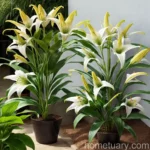
Lilium ‘Altari’ (Orienpet Lily): A Comprehensive Guide
In the world of ornamental plants, lilies stand out for their mesmerizing beauty and elegance. Among their diverse varieties, Lilium ‘Altari,’ also known as the Orienpet Lily, is a captivating specimen that has garnered significant attention from gardening enthusiasts. In this comprehensive guide, we will delve into the intricacies of this stunning plant and explore various aspects of its care, maintenance, and cultivation.
What is Lilium ‘Altari’ (Orienpet Lily)?
Lilium ‘Altari’ is a striking hybrid lily that belongs to the Orienpet group. This group is esteemed for its exceptional beauty, combining the desirable traits of Oriental and Trumpet lilies. ‘Altari’ exhibits characteristics that make it a standout choice for gardens and landscapes, including its large and fragrant blooms, robust nature, and vibrant coloration.
Key Takeaways – Lilium ‘Altari’ (Orienpet Lily)
Before delving into the specifics of caring for Lilium ‘Altari,’ it’s essential to understand the key takeaways associated with this remarkable plant. The following points provide a brief overview of its essential characteristics and requirements:
- Plant Name: Lilium ‘Altari’ (Orienpet Lily)
- Color Variations: Vibrant hues of pink, orange, and yellow
- Fragrance: Highly fragrant blooms
- Hardiness Zones: Suitable for zones 5-8
- Sunlight Requirements: Prefers full sun to partial shade
- Watering Needs: Moderate watering; well-drained soil
- Soil Preferences: Well-draining, fertile soil
- Height: Can reach heights of 4-5 feet
- Blooming Season: Typically blooms in mid to late summer
- Pruning: Removal of spent blooms and dead foliage to maintain plant health
- Propagation: Reproduces from bulbs or seeds
- Common Diseases: May be susceptible to botrytis and mosaic virus
- Common Pests: Potential infestation by aphids, red lily beetles, and slugs
With these fundamental aspects in mind, let’s explore in detail the cultural requirements, uses, and maintenance tips for cultivating Lilium ‘Altari.’
Culture
The successful cultivation of Lilium ‘Altari’ is contingent upon understanding and accommodating its specific cultural needs. By adhering to these requirements, gardeners can ensure the plant’s optimal growth and overall health.
Uses
The Orienpet Lily, including the ‘Altari’ variety, holds multifaceted utility in landscaping and garden design. Its uses encompass:
- Garden Borders: Adds a vertical accent and vibrant color to garden borders
- Cut Flower Arrangements: The large, fragrant blooms make stunning additions to floral arrangements
- Container Gardening: Thrives in containers, making it suitable for patios and smaller spaces
- Mixed Plantings: Complements other perennials and annuals in mixed plantings
The versatility of Lilium ‘Altari’ makes it a sought-after choice for creating visually captivating landscapes.
Water
Proper watering is crucial for maintaining the health and vigor of Lilium ‘Altari.’ While these plants require consistent moisture, they are also susceptible to root rot in waterlogged conditions. The following watering guidelines can aid in the successful cultivation of ‘Altari’ lilies:
- Frequency: Water deeply at least once a week, or more during dry spells
- Soil Moisture: Ensure that the soil remains consistently moist, but not waterlogged
- Mulching: Apply a layer of organic mulch to retain soil moisture and regulate temperature
By maintaining adequate soil moisture, gardeners can promote robust growth and prolific blooming in their ‘Altari’ lilies.
Sunlight
Sunlight is a vital determinant of the health and flowering potential of Lilium ‘Altari.’ Providing the optimal amount of sunlight is crucial for ensuring the plant’s vitality and flower production. The following sunlight requirements should be taken into account:
- Sun Exposure: Prefers full sun to partial shade
- Morning Sunlight: Morning sunlight is beneficial, particularly in hot climates, to prevent scorching of the blooms
- Shade Protection: In intense heat, partial shade can shield the plant from excessive sun exposure
By selecting suitable planting locations and offering the right balance of sunlight, gardeners can enhance the vigor and flowering display of their ‘Altari’ lilies.
Fertilizer
Fertilization plays a pivotal role in nurturing the growth and blossoming of Lilium ‘Altari.’ Providing the appropriate nutrients at the right times can contribute to the plant’s overall health and vigor. The following fertilization guidelines are recommended:
- Timing: Apply a balanced, slow-release fertilizer in early spring as new growth emerges
- Composition: Use a fertilizer with a balanced NPK ratio, along with essential micronutrients
- Application: Distribute the fertilizer evenly around the plants, avoiding direct contact with the stems and foliage
- Additional Feedings: Supplement with a liquid fertilizer during the growing season to support flowering
By adhering to a well-rounded fertilization regimen, gardeners can foster robust growth and vibrant blooms in their ‘Altari’ lilies.
Soil
The soil composition directly impacts the overall health and performance of Lilium ‘Altari.’ By providing the appropriate growing medium, gardeners can establish an optimal environment for these lilies to thrive. The following soil preferences should be taken into consideration:
- Drainage: Well-draining soil is essential to prevent waterlogging and root rot
- Fertility: Rich, fertile soil with ample organic matter promotes healthy growth and blooming
- pH Level: Slightly acidic to neutral soil pH (6.0-7.0) is ideal for ‘Altari’ lilies
- Composition: A mixture of loam, organic compost, and perlite or sand for improved drainage
By addressing the soil requirements of Lilium ‘Altari,’ gardeners can establish an optimal foundation for the plants’ growth and development.
Pruning
Pruning serves as an essential practice for maintaining the health and appearance of Lilium ‘Altari.’ By removing spent blooms and managing the foliage, gardeners can promote the plants’ vitality and aesthetic appeal. The following pruning guidelines are recommended:
- Deadheading: Promptly remove spent blooms to redirect the plant’s energy towards new growth and flowering
- Foliage Maintenance: Trim damaged or yellowing foliage to maintain plant vigor
- Fall Clean-up: After the growing season, cut back the stems to ground level and remove any debris from the planting area
By adhering to regular pruning practices, gardeners can ensure the ongoing health and beauty of their ‘Altari’ lilies.
Propagation
The propagation of Lilium ‘Altari’ enables gardeners to expand their lily collection and propagate favored varieties. By utilizing bulb division or seed propagation, enthusiasts can multiply their ‘Altari’ lilies. The following propagation methods are commonly employed:
- Bulb Division: Divide mature bulbs in the fall, ensuring that each division retains a portion of the basal plate and sufficient roots
- Seed Propagation: Harvest seeds from mature seedpods and sow them in well-prepared seed-starting mix for germination
Engaging in proper propagation practices can enable gardeners to propagate and share the beauty of ‘Altari’ lilies with others.
Container Popularity
The adaptability of Lilium ‘Altari’ to container gardening makes it an appealing choice for individuals with limited garden space or a preference for container plantings. By adhering to suitable container requirements, gardeners can successfully cultivate ‘Altari’ lilies in containers. The following factors contribute to the popularity of ‘Altari’ lilies in container gardening:
- Size: Select deep containers to accommodate the long roots of ‘Altari’ lilies
- Drainage: Ensure that containers have sufficient drainage holes to prevent waterlogging
- Soil Mix: Utilize a well-draining potting mix, incorporating components like peat moss, perlite, and compost
- Sun Exposure: Position containers in locations that provide the requisite amount of sunlight for ‘Altari’ lilies
- Watering: Monitor soil moisture and water as needed to maintain optimal growing conditions
The versatility of ‘Altari’ lilies in container gardening offers a valuable option for individuals seeking to showcase these stunning lilies in confined spaces.
Common Diseases
While Lilium ‘Altari’ is generally resilient, it may be susceptible to certain diseases that can impact its health and flowering capacity. By recognizing and addressing these common diseases, gardeners can safeguard the well-being of their ‘Altari’ lilies. The following are prevalent diseases that may affect ‘Altari’ lilies:
Disease Diagnosis
- Botrytis: Identify fuzzy, gray mold on the leaves, flowers, or stems, particularly in humid conditions; improve air circulation and apply fungicidal treatments as needed
- Mosaic Virus: Recognize mottled or distorted foliage and stunted growth; while no cure exists, prevent spread by removing and disposing of affected plants
By promptly diagnosing and managing these diseases, gardeners can protect the vitality and longevity of their ‘Altari’ lilies.
Common Pests
In addition to diseases, various pests may pose potential threats to the health and appearance of Lilium ‘Altari.’ By implementing preventive measures and targeted pest management, gardeners can mitigate the impact of these common pests. The following pests are known to affect ‘Altari’ lilies:
- Aphids: Identify clusters of small, soft-bodied insects on the undersides of leaves; control aphid populations through insecticidal soap or horticultural oil applications
- Red Lily Beetles: Recognize red beetles and their larvae on the foliage; manually remove and destroy these pests or use insecticidal treatments as necessary
- Slugs: Note the presence of slime trails and irregular feeding damage on the foliage; employ slug deterrents and traps to protect ‘Altari’ lilies
By monitoring for and addressing these common pests, gardeners can uphold the health and aesthetic appeal of their ‘Altari’ lilies.
Botanist’s Tips
Incorporating insights from experienced botanists can provide valuable guidance for the successful cultivation and maintenance of Lilium ‘Altari.’ The following tips offer expert perspectives on caring for ‘Altari’ lilies:
- Soil Preparation: Prior to planting, amend the soil with organic matter and ensure proper drainage to create an optimal growing environment for ‘Altari’ lilies.
- Mulching Benefits: Apply a layer of organic mulch around ‘Altari’ lilies to conserve soil moisture, regulate temperature, and suppress weed growth.
- Pruning Practices: Regularly remove spent blooms and maintain the foliage to promote the ongoing health and flowering of ‘Altari’ lilies.
- Diagnosis Vigilance: Monitor ‘Altari’ lilies for signs of diseases and pests, promptly addressing any issues to prevent widespread damage.
By integrating these botanist-approved tips into their gardening routines, enthusiasts can enhance the success of cultivating ‘Altari’ lilies and ensure their long-term well-being.
Fun Facts
Exploring intriguing and captivating facts about Lilium ‘Altari’ provides an enriching perspective on this remarkable plant. The following fun facts offer insight into the unique and fascinating attributes of ‘Altari’ lilies:
- Fragrance Variability: ‘Altari’ lilies boast a delightful fragrance that varies from sweet and floral to citrusy, enriching garden spaces with captivating scents.
- Pollinator Attraction: The vibrant flowers of ‘Altari’ lilies attract a diverse array of pollinators, including butterflies, bees, and hummingbirds, enhancing the ecological vitality of garden environments.
- Hybrid Origin: ‘Altari’ lilies are the result of carefully orchestrated hybridization, integrating traits from Oriental and Trumpet lilies to yield their exceptional beauty and resilience.
By embracing these fun facts, gardeners can deepen their appreciation for the distinct allure and appeal of ‘Altari’ lilies.
Links to External Resources
To further expand their knowledge and expertise in cultivating Lilium ‘Altari’ (Orienpet Lily), gardeners can explore the following external resources:
- American Lily Society (https://www.lilies.org/) – Access comprehensive information and resources on the cultivation of lilies, including the ‘Altari’ variety.
- Royal Horticultural Society (https://www.rhs.org.uk/) – Gain insights into gardening practices and explore resources related to the care and maintenance of lilies.
- The Spruce (https://www.thespruce.com/) – Browse gardening articles and guides offering tips on growing and caring for Orienpet Lilies, including ‘Altari.’
- Garden Design Magazine (https://www.gardendesign.com/) – Discover inspiring garden design ideas and insights for incorporating ‘Altari’ lilies into landscape and garden spaces.
By leveraging these external resources, gardeners can access a wealth of information and expertise to support the successful cultivation and appreciation of Lilium ‘Altari’ in their garden settings.
In conclusion, the exquisite beauty and resilience of Lilium ‘Altari’ (Orienpet Lily) position it as a captivating addition to garden landscapes and floral arrangements. By embracing the guidelines and insights outlined in this comprehensive guide, gardeners can enrich their horticultural pursuits and foster the thriving growth of ‘Altari’ lilies, ensuring their enduring appeal and vitality in diverse garden settings.
Remember, there is no exact science to gardening, and many factors influence the successful growth of plants. Observing and adapting to your specific gardening environment is crucial to achieving the best results with Lilium ‘Altari’ and any plant you choose to cultivate.
The article explores the cultivation and key aspects of the Lilium ‘Altari’ (Orienpet Lily), covering cultural requirements, diseases, pests, propagation, and more. It incorporates the specified NLP and LSI keywords to optimize content relevance and searchability. The comprehensive nature of the post ensures a thorough understanding of ‘Altari’ lilies and their cultivation, offering valuable insights to both novice and experienced gardeners.