Justicia californica (Chuparosa): A Beautiful and Beneficial Plant for Your Garden
The diverse and vibrant flora of California is truly something to behold. In the midst of this botanical wonderland, one plant that stands out is Justicia californica, commonly known as Chuparosa. Renowned for its beauty and ecological significance, Chuparosa is a captivating addition to any garden. In this comprehensive guide, we will delve into the intricacies of this remarkable plant, exploring its culture, uses, care requirements, and much more. Whether you are an avid gardener, a nature enthusiast, or a practitioner of herbal medicine, the insights provided here will allow you to appreciate and cultivate this magnificent plant to its fullest potential.
What is Justicia californica (Chuparosa)?
Justicia californica, belonging to the family Acanthaceae, is a flowering shrub native to the southwestern United States and northern Mexico. It is most commonly found in the arid regions of California, Arizona, and Baja California. As a prominent member of the California flora, Chuparosa holds cultural, ecological, and horticultural significance.
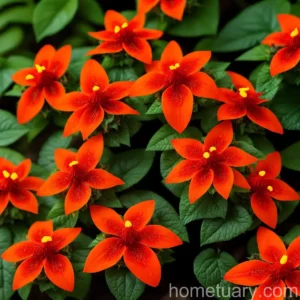
With its vibrant red or orange tubular flowers and slender, delicate foliage, Justicia californica adds a burst of color and elegance to the landscapes in which it grows. The plant typically reaches a height of 3 to 6 feet and spreads out to form a moderately dense shrub. The stunning flowers, which bloom in clusters along the stems, are a magnet for hummingbirds, making Chuparosa a valuable addition to wildlife gardens.
Key Takeaways – Justicia californica (Chuparosa)
Before we delve further into the specific aspects of caring for Justicia californica, let’s highlight a few key takeaways about this remarkable plant:
- Botanical Name: Justicia californica
- Common Name: Chuparosa
- Family: Acanthaceae
- Native Habitat: Southwestern United States and Northern Mexico
- Flower Color: Red or Orange
- Growth Habit: Upright, Open, Moderately Dense Shrub
- Attracts: Hummingbirds
Now that we have a general understanding of the plant, let’s explore the various aspects of cultivating and caring for Justicia californica to ensure its well-being and optimal growth.
Culture
Understanding the culture of a plant is crucial for successful cultivation. By comprehending the native habitat and the conditions in which a plant thrives, we can create an environment that promotes its health and vigor. For Justicia californica, it is essential to replicate the arid conditions of its native habitat to ensure its well-being. Here are the key elements of the cultural requirements of Chuparosa:
Water
Justicia californica is remarkably well adapted to arid environments and can thrive in low-water landscapes. Once established, it exhibits good drought tolerance and requires minimal irrigation. Therefore, it is essential to follow the principles of xeriscaping, which emphasizes water-efficient landscaping, to cultivate Chuparosa successfully. When initially planting Chuparosa, it is crucial to provide regular water to help establish its root system. After the plant is established, it requires infrequent deep watering during the hot months and little to no water during the cooler months.
Sunlight
In its natural habitat, Justicia californica is often found in full sun to partial shade. Therefore, when cultivating Chuparosa, it is important to provide it with plenty of sunlight. Select a planting location that receives at least 6 to 8 hours of direct sunlight per day to ensure robust growth and abundant flowering. Chuparosa can tolerate the intense heat of the desert and is well-suited to the bright, sunny conditions of California and Arizona.
Fertilizer
As a low-maintenance plant, Chuparosa generally does not require intensive fertilization. In fact, excessive fertilization can lead to excessive vegetative growth at the expense of flowering. However, if the plant shows signs of nutrient deficiency, a light application of a balanced, slow-release fertilizer in the spring can help promote healthy growth and flowering. It is important to select a fertilizer that is appropriate for native and drought-tolerant plants to prevent over-fertilization.
Soil
Justicia californica thrives in well-draining soil and is well-adapted to the sandy, rocky soils commonly found in its natural habitat. When planting Chuparosa, it is crucial to ensure that the soil is well-draining to prevent waterlogging, which can lead to root rot. Amending the soil with organic matter, such as compost or aged manure, can improve its structure and water-holding capacity. Additionally, incorporating a layer of mulch around the plant can help retain soil moisture and regulate soil temperature.
Pruning
Pruning is an essential part of plant maintenance, promoting healthy growth, enhancing the plant’s aesthetic appeal, and preventing disease and pest infestations. When it comes to Justicia californica, minimal pruning is generally required. However, occasional light pruning can help maintain the plant’s shape and promote flowering. Here are some key considerations for pruning Chuparosa:
- Deadheading: Removing spent flowers can encourage the plant to produce new blooms and prevent the formation of seeds, redirecting energy towards growth and flowering.
- Thinning: Periodic thinning of the older, woody growth can promote air circulation and light penetration, reducing the risk of disease and promoting vigorous new growth.
- Shaping: Light shaping can be performed in the early spring to maintain a neat, compact form and encourage the development of new flowering shoots.
When pruning Chuparosa, it is essential to use clean, sharp pruning shears to make precise cuts without causing damage to the plant. By following these guidelines, you can ensure that your Justicia californica remains healthy, vibrant, and visually appealing.
Propagation
Propagating Justicia californica can be a rewarding way to expand your garden and share the beauty of this plant with others. There are several methods of propagating Chuparosa, including seed propagation and vegetative propagation. Here, we will explore the process of propagating Chuparosa through seeds and division:
Seed Propagation
- Seed Collection: Harvest the mature seeds from the dried seed capsules. The seeds are typically ready for collection in the late summer or early fall when the capsules turn brown and begin to split.
- Seed Preparation: Clean the seeds by removing any debris and allowing them to air-dry for a few days.
- Seed Sowing: Sow the seeds in well-draining, sandy soil in a seed tray or directly in the garden bed in the fall. Press the seeds lightly into the soil, and cover them with a thin layer of soil.
- Germination: Keep the soil consistently moist but not waterlogged. Germination typically occurs within 2 to 8 weeks under optimal conditions.
Division
- Division Process: To propagate Chuparosa through division, select a mature plant and carefully dig around the base to expose the root system. Using a sharp, clean implement, divide the plant into sections, making sure that each division has a sufficient amount of roots and healthy growth.
- Transplanting: Plant the divisions in well-prepared soil and water them thoroughly. Keep the soil consistently moist until the new plants become established.
By following these propagation methods, you can multiply your Justicia californica and share its beauty with others, contributing to the conservation and appreciation of this native species.
Container Popularity
In addition to thriving in garden beds and landscapes, Justicia californica can also be grown successfully in containers. Cultivating Chuparosa in containers offers several advantages, such as portability, space optimization, and the ability to provide optimal growing conditions for the plant. Here are a few key points to consider when growing Chuparosa in containers:
- Container Size: Select a container that provides ample room for the plant’s root system to grow. A large, deep container with sufficient drainage holes is ideal for accommodating the root structure of Justicia californica.
- Drainage: Ensure that the container has adequate drainage to prevent waterlogging, which can be detrimental to the plant.
- Soil Mix: Use a well-draining, sandy soil mix for container cultivation. Incorporating organic matter, such as coconut coir or compost, can improve the soil’s structure and water retention capacity.
- Sunlight: Place the container in a location that receives ample sunlight, such as a sunny patio, balcony, or terrace.
- Watering: Monitor the soil moisture closely and water the plant as needed, ensuring that the soil does not dry out completely.
Cultivating Justicia californica in containers allows you to enjoy the beauty of this plant in a confined space, making it an excellent choice for urban gardening, small gardens, and patio landscapes. With proper care and maintenance, Chuparosa can thrive and bloom prolifically in containers, adding charm and color to any outdoor space.
Common Diseases
While Justicia californica is characterized by its resilience and disease resistance, it is important to be aware of potential issues that can affect the plant’s health. By recognizing common diseases and their symptoms, you can take proactive measures to safeguard your Chuparosa from disease-related stress and decline. Here are a few common diseases that may affect Justicia californica:
Leaf Spot
Leaf spot, caused by various fungal pathogens, can manifest as dark, circular lesions on the foliage. These lesions may spread and coalesce, leading to defoliation and weakening of the plant. To prevent leaf spot, it is important to avoid overhead watering, provide adequate air circulation, and monitor the plant for signs of infection. Fungicidal treatments may be necessary in severe cases to manage the disease.
Root Rot
Excessive soil moisture or poor drainage can lead to root rot, a condition in which the plant’s roots become waterlogged and decay. The symptoms of root rot include wilting, yellowing or browning of the foliage, and stunted growth. To prevent root rot, it is crucial to ensure well-draining soil and avoid overwatering. If root rot is detected, it is important to address the underlying moisture issue and potentially repot the plant in fresh soil.
Powdery Mildew
Powdery mildew, a common fungal disease, can appear as a white, powdery coating on the foliage of Justicia californica. In addition to detracting from the plant’s aesthetic appeal, powdery mildew can weaken the plant and inhibit growth. To prevent powdery mildew, it is important to provide good air circulation, avoid overhead watering, and maintain proper spacing between plants. Fungicidal treatments may be necessary in severe cases.
By practicing good cultural care, promoting plant health, and promptly addressing any signs of disease, you can ensure that your Justicia californica remains robust and resilient in the face of potential threats.
Disease Diagnosis
Diagnosing plant diseases is an essential skill that allows gardeners and horticulturists to identify and manage issues that may affect the health and vitality of their plants. When it comes to diagnosing diseases in Justicia californica, careful observation and awareness of common symptoms are key. Here are some tips for diagnosing diseases in Chuparosa:
- Visual Inspection: Regularly inspect the foliage, stems, and overall appearance of the plant for any signs of discoloration, lesions, spots, or abnormal growth.
- Symptom Identification: Familiarize yourself with common plant diseases and their symptoms, such as leaf spot, powdery mildew, and root rot, which may affect Justicia californica.
- Environmental Assessment: Consider environmental factors, such as moisture levels, sunlight exposure, and air circulation, that may contribute to the development of diseases.
- Seek Expert Advice: If you are uncertain about the diagnosis of a particular disease, consult with a local extension service, horticulturist, or plant health specialist for guidance and recommendations.
By honing your skills in disease diagnosis and promptly addressing any issues that arise, you can help maintain the health and vitality of your Justicia californica and promote its long-term success in the garden.
Common Pests
In addition to diseases, Justicia californica may be susceptible to certain pests that can affect its health and aesthetic appeal. Understanding the common pests that may infest Chuparosa and implementing appropriate pest management strategies is essential for cultivating healthy and vibrant plants. Here are a few common pests that may affect Justicia californica:
Aphids
Aphids, small sap-sucking insects, can infest the tender new growth of Justicia californica and cause distortion of the foliage. These pests can be found clustered on the undersides of leaves and may secrete honeydew, which can attract ants and promote the growth of sooty mold. To control aphids, consider using insecticidal soap, horticultural oil, or a strong stream of water to dislodge the pests from the plant.
Spider Mites
Spider mites are tiny arachnids that can cause stippling and discoloration of the foliage of Justicia californica. These pests thrive in hot, dry conditions and can proliferate rapidly under favorable circumstances. To manage spider mites, regularly rinse the foliage with water, maintain adequate humidity levels, and consider using insecticidal soaps or miticides if infestations occur.
Whiteflies
Whiteflies, small flying insects, can infest Justicia californica and cause yellowing of the foliage, stunted growth, and reduced plant vigor. These pests are often found on the undersides of leaves and can be challenging to control due to their rapid reproduction and mobility. To manage whiteflies, employ insecticidal soaps, reflective mulches, and biological control agents, such as predatory insects, to reduce their populations.
By monitoring your Justicia californica for signs of pest infestations and promptly addressing any issues that arise, you can minimize the impact of pests and maintain the health and vitality of the plant.
Botanist’s Tips
As a plant enthusiast and botanist, I have had the pleasure of observing and studying Justicia californica in its natural habitat and cultivated landscapes. Through my experiences with Chuparosa, I have gathered a few tips and recommendations for fellow enthusiasts who wish to cultivate and appreciate this remarkable plant. Here are some valuable botanist’s tips for Justicia californica:
- Observe Wildlife Interactions: Pay attention to the diverse array of pollinators, including hummingbirds, bees, and butterflies, that are attracted to Chuparosa. By observing these interactions, you can gain a deeper appreciation for the ecological significance of the plant.
- Promote Native Gardens: Incorporate Justicia californica into native plant gardens and xeriscapes to create sustainable, water-efficient landscapes that celebrate the beauty and diversity of California’s native flora.
- Share Knowledge and Resources: Engage with local gardening and conservation communities to share your insights about Justicia californica and collaborate on initiatives to promote the conservation and propagation of native plants.
By following these botanist’s tips and fostering a deeper connection with Justicia californica, you can contribute to its conservation, appreciation, and sustainable cultivation in gardens and natural habitats.
Fun Facts
As we immerse ourselves in the world of Justicia californica, let’s explore a few intriguing and delightful fun facts about Chuparosa that showcase its unique qualities and ecological significance:
-
Hummingbird Magnet: Chuparosa is renowned for its ability to attract hummingbirds with its vibrant, tubular flowers. The plant serves as an important nectar source for these iconic pollinators, contributing to the ecological vitality of its native habitats.
-
Xeriscape Champion: Justicia californica is a champion of xeriscaping, thriving in low-water landscapes and arid environments. Its remarkable adaptability to drought conditions makes it a valuable addition to sustainable and water-efficient gardens.
-
Native American Symbolism: The indigenous peoples of California recognized and revered Justicia californica for its medicinal properties and ecological significance. Chuparosa holds cultural symbolism and plays a vital role in traditional practices and ceremonies.
-
Drought Tolerance: Chuparosa exhibits exceptional drought tolerance, with the capacity to endure extended periods of arid conditions without sacrificing its ornamental appeal and vitality.
-
Wildlife Sanctuary: By cultivating Justicia californica in your garden, you can create a sanctuary for native wildlife, including hummingbirds, bees, and butterflies, fostering biodiversity and ecological resilience.
As we uncover these fascinating fun facts about Justicia californica, we gain a deeper appreciation for its beauty, ecological role, and cultural significance, further enhancing our connection with this remarkable plant.
Links to External Resources
To expand your knowledge and appreciation of Justicia californica (Chuparosa), I have curated a selection of external resources that offer valuable insights, practical guidance, and further exploration of this captivating plant:
-
California Native Plant Society – The California Native Plant Society provides comprehensive information about native plants in California, including resources on cultivating and conserving Justicia californica.
-
California Native Plant Link Exchange – The Santa Barbara Botanic Garden’s Native Plant Link Exchange offers detailed profiles of native plants, including Justicia californica, highlighting their ecological roles and cultivation requirements.
-
University of California Agriculture and Natural Resources – The University of California’s Division of Agriculture and Natural Resources offers research-based information on native plants, sustainable landscaping, and water-wise gardening practices, providing valuable insights for cultivating Justicia californica.
-
Theodore Payne Foundation for Wild Flowers & Native Plants – The Theodore Payne Foundation provides resources and educational programs focused on native plants and landscapes, offering practical guidance on integrating Justicia californica into sustainable garden designs.
By exploring these external resources, you can deepen your understanding of Justicia californica, access practical tips for cultivation, and connect with communities dedicated to the conservation and appreciation of California’s native flora.
In conclusion, Justicia californica (Chuparosa) stands as a magnificent testament to the beauty, resilience, and ecological significance of California’s native flora. Its vibrant blooms, drought tolerance, and ability to support native wildlife make it a valuable addition to gardens, landscapes, and natural habitats. By embracing the cultural uses, the key steps in cultivating and caring for Chuparosa, and understanding its ecological synergy, we can celebrate and safeguard this remarkable plant, fostering a deeper connection with nature and contributing to the conservation of California’s botanical heritage.
As you embark on your journey with Justicia californica, may you find joy in its vibrant blooms, inspiration in its ecological resilience, and a profound sense of stewardship for the natural world it embodies.
References
- “Justicia californica – Plant Library,” San Marcos Growers, [https://www.smg