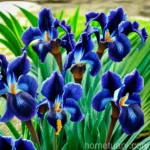
Leopard Lily (Iris domestica ‘Hello Yellow’): A Complete Guide
Iris domestica, commonly known as leopard lily, is an exquisite and resilient flowering plant that adds a touch of elegance to any garden or indoor space. With its vibrant yellow blooms and easy maintenance, this plant has gained popularity among gardeners and plant enthusiasts alike.
In this comprehensive guide, we will delve into the culture, uses, and maintenance of the leopard lily, also known as Iris domestica ‘Hello Yellow’. Whether you are a seasoned gardener or a novice plant enthusiast, this guide will provide you with the essential knowledge to cultivate and care for this stunning plant.
What is Leopard Lily (Iris domestica ‘Hello Yellow’)?
Leopard lily, scientifically known as Iris domestica ‘Hello Yellow’, is a member of the iris family, Iridaceae. It is a herbaceous perennial plant native to East Asia, including China, Japan, and Korea. This striking plant is characterized by its sword-shaped leaves and distinctive yellow flowers adorned with unique maroon speckles, resembling the spots of a leopard, hence its name.
The leopard lily is valued not only for its attractive blooms but also for its low-maintenance nature, making it an ideal choice for both indoor and outdoor cultivation. Its adaptability to various growing conditions and its ability to attract pollinators further contribute to its appeal as a garden or landscaping plant.
Let’s explore the key aspects of cultivating and caring for the leopard lily, from its cultural requirements to its uses in different settings.
Key Takeaways – Leopard Lily (Iris domestica ‘Hello Yellow’)
Before we delve deeper into the various aspects of leopard lily cultivation and maintenance, let’s highlight the key takeaways regarding this enchanting plant:
- Plant Name: Iris domestica ‘Hello Yellow’ (Leopard Lily)
- Common Names: Leopard lily, Blackberry lily, Leopard flower
- Botanical Family: Iridaceae
- Native Habitat: East Asia (China, Japan, Korea)
- Distinctive Features: Sword-shaped leaves, vibrant yellow flowers with maroon speckles
- Cultural Uses: Ornamental gardening, landscaping, indoor decoration
- Popularity: Growing interest among gardeners and horticulturists
- Maintenance Level: Low to moderate
- Versatility: Suited for both outdoor and indoor cultivation
- Special Attraction: Pollinator-friendly, adds a unique flair to garden borders and containers
Now, let’s delve into the detailed care and cultivation requirements for the leopard lily, covering aspects such as water, sunlight, soil, fertilizer, pruning, propagation, container gardening, common diseases, and more.
Culture
Cultivating the leopard lily requires an understanding of its cultural needs, including water, sunlight, fertilizer, and soil preferences. By providing the right growing conditions, you can ensure that this remarkable plant thrives and graces your garden with its stunning blooms.
Water
Proper watering is crucial for the health and vitality of leopard lilies. While they have some tolerance to dry conditions, consistent moisture is essential for robust growth and prolific flowering. Here are some key points to consider regarding the water needs of the leopard lily:
- Regular Watering: Leopard lilies benefit from consistent moisture, especially during the growing season. Adequate watering helps promote healthy foliage and abundant flower production.
- Well-Draining Soil: Ensure that the soil has good drainage to prevent waterlogging, which can lead to root rot and other moisture-related issues.
- Mulching: Applying a layer of organic mulch around the base of the plants can help retain soil moisture and regulate soil temperature, especially during hot and dry periods.
- Container-Grown Leopard Lilies: If you are growing leopard lilies in containers, monitor the soil moisture levels carefully, as pots can dry out more quickly than garden beds.
Sunlight
Leopard lilies thrive in locations that provide ample sunlight, promoting robust growth and vibrant blooms. Understanding their sunlight requirements is essential for creating an ideal growing environment for these charming plants:
- Full Sun to Partial Shade: Leopard lilies generally prefer a location with full sun exposure, where they receive at least 6 hours of direct sunlight per day. However, they can also tolerate partial shade, especially in regions with hot summers.
- Morning Sun and Afternoon Shade: In areas with intense afternoon sun and high temperatures, providing morning sunlight and afternoon shade can help protect the plants from heat stress.
- Indoor Placement: When grown indoors, place leopard lilies near a south- or west-facing window to ensure they receive adequate sunlight.
Fertilizer
Applying a balanced fertilizer can support the healthy growth and flowering of leopard lilies. Here are some key considerations for fertilizing these striking plants:
- Slow-Release Fertilizer: Prior to the growing season, apply a slow-release, balanced fertilizer to provide essential nutrients over an extended period. This can help sustain healthy growth and promote flower production.
- Organic Fertilizers: Consider using organic fertilizers, such as compost or well-rotted manure, to enrich the soil and improve its fertility. Organic amendments can also enhance the overall health of the plants and contribute to a thriving ecosystem in the garden.
- Avoid Overfeeding: Refrain from overfeeding leopard lilies, as excessive fertilizer can lead to lush foliage at the expense of bloom production. Follow the recommended application rates provided on the fertilizer label.
Soil
The choice of soil and its quality significantly impacts the growth and development of leopard lilies. Understanding their soil preferences is crucial for creating an optimal growing environment:
- Well-Drained Soil: Leopard lilies thrive in well-drained soil that allows excess moisture to escape freely. Amending heavy or clay soils with organic matter, such as compost or peat moss, can improve drainage and create a suitable growing medium.
- pH Levels: Leopard lilies prefer slightly acidic to neutral soil, with a pH range of 6.0 to 7.0. Conduct a soil test to determine the pH of your garden or container soil, and make adjustments as necessary to create a favorable growing environment.
- Container Media: When growing leopard lilies in containers, use a well-draining potting mix designed for perennial plants. Adding perlite or coarse sand to the potting mix can further enhance drainage and aeration.
Now that we have covered the cultural requirements of the leopard lily, including water, sunlight, fertilizer, and soil preferences, let’s explore essential maintenance practices such as pruning, propagation, and container gardening.
Pruning
Pruning is a valuable maintenance practice that can help enhance the appearance and performance of leopard lilies. Proper pruning techniques can promote healthy growth, control the plant’s size, and rejuvenate established clumps. Here’s an overview of pruning considerations for the leopard lily:
- Deadheading Blooms: Removing spent blooms not only maintains the plant’s aesthetic appeal but also encourages continuous flowering. When the flowers fade, prune the flower stalks down to the base to prevent seed formation and redirect the plant’s energy into new growth.
- Leaf Maintenance: Periodically trimming back damaged or unsightly foliage can improve the overall appearance of the plants. Use clean, sharp pruners to trim away yellowing or discolored leaves, promoting a tidy and healthy appearance.
- Division: Every few years, consider dividing established leopard lily clumps to rejuvenate their vigor and prevent overcrowding. Dividing the rhizomes allows for the creation of new plantings and promotes better airflow and sunlight penetration within the clumps.
By incorporating these pruning practices into your routine maintenance, you can ensure that your leopard lilies remain visually appealing and continue to thrive year after year.
Propagation
The ability to propagate leopard lilies through various methods offers gardeners the opportunity to expand their plantings and share the beauty of these striking flowers with others. Here are the primary propagation methods for leopard lilies:
- Division: Divide established clumps of leopard lilies every 3 to 4 years to maintain their vigor and promote new growth. This process involves lifting the clump, separating the individual rhizomes, and replanting them into prepared soil.
- Seed Propagation: While leopard lilies are more commonly propagated through division, they can also be grown from seeds. Collect mature seed pods from the plants, extract the seeds, and sow them in a prepared seed-starting mix. Keep the soil consistently moist and provide adequate warmth for germination to occur.
With careful attention to timing and technique, you can successfully propagate leopard lilies using these methods, contributing to a flourishing garden filled with these captivating blooms.
Container Gardening
The versatility of leopard lilies makes them well-suited for container gardening, allowing individuals to cultivate these charming plants in various outdoor and indoor settings. Here are some key considerations for growing leopard lilies in containers:
- Container Selection: Choose sturdy containers with drainage holes, as proper drainage is essential for preventing waterlogged soil and potential root rot. Consider terracotta, plastic, or glazed ceramic pots that complement the plant’s aesthetic appeal.
- Potting Mix: Use a well-draining, nutrient-rich potting mix designed for perennial plants. Incorporate perlite or coarse sand to improve aeration and prevent soil compaction.
- Size Matters: Select containers that provide ample space for the leopard lilies’ root systems to grow and expand. Avoid overcrowding multiple plants in a single container, as this can lead to competition for resources and hinder their overall growth.
- Placement: Position the containers in locations that provide adequate sunlight for the plants. If growing leopard lilies indoors, place the containers near windows where they can receive ample natural light.
By embracing container gardening, you can showcase the beauty of leopard lilies in various outdoor spaces, such as patios, balconies, and courtyards, as well as in indoor settings, adding a touch of natural elegance to your surroundings.
Popularity
The leopard lily, Iris domestica ‘Hello Yellow’, has garnered increasing popularity among gardeners, horticulturists, and landscaping enthusiasts. Its distinctive beauty, adaptability to diverse growing conditions, and low-maintenance requirements make it a sought-after choice for floral displays and garden landscapes.
As the demand for unique and visually striking plants continues to grow, the leopard lily has captured the attention of gardening enthusiasts seeking to infuse their outdoor spaces with its vibrant hues and alluring blooms. Whether used as a stand-alone focal point or integrated into mixed perennial borders, this captivating plant has earned its place in the hearts and gardens of plant lovers around the world.
Common Diseases
While the leopard lily is generally a resilient and disease-resistant plant, it can still be susceptible to certain issues, particularly in conditions of high humidity or poor air circulation. Understanding the common diseases that may affect leopard lilies can help you identify and address potential problems in a timely manner. Here are some common diseases to be mindful of:
- Leaf Spot: Fungal leaf spot diseases, characterized by the presence of dark spots and lesions on the foliage, can occur in conditions of high humidity and limited air circulation. Proper spacing, adequate watering practices, and removal of infected plant debris can help prevent and manage leaf spot diseases.
- Root Rot: Excessive moisture and poor drainage can lead to root rot, a condition caused by fungal pathogens that attack the plant’s roots. Avoid overwatering, ensure proper soil drainage, and use well-draining potting mix in container plantings to mitigate the risk of root rot.
- Powdery Mildew: Powdery mildew, a common fungal disease, can affect the foliage of leopard lilies, appearing as a powdery white coating on the leaves. Enhancing air circulation, avoiding overhead watering, and applying fungicidal sprays can help manage powdery mildew outbreaks.
By monitoring the plants regularly and implementing preventive measures, such as proper spacing, good air circulation, and balanced watering, you can minimize the risk of disease and maintain the health and vitality of your leopard lilies.
Common Pests
While leopard lilies are relatively resistant to pest infestations, they may occasionally encounter common garden pests that can impact their growth and overall appearance. Here are some pests that gardeners should be aware of when cultivating leopard lilies:
- Aphids: These small, soft-bodied insects can cluster on the undersides of leaves and succulent shoot tips, sucking sap from the plants and causing damage. Use insecticidal soap or horticultural oil to control aphid infestations and prevent their population from spreading.
- Spider Mites: Spider mites are tiny arachnids that can infest the foliage of leopard lilies, causing stippling, webbing, and overall decline in plant health. Regularly misting the plants, especially in dry indoor environments, and applying neem oil can help deter spider mite infestations.
- Snails and Slugs: These mollusks can feed on the foliage and flowers of leopard lilies, leaving behind ragged edges and holes in the leaves. Employ physical barriers, such as copper tape or diatomaceous earth, to protect the plants from snail and slug damage.
By staying vigilant and promptly addressing pest issues, you can safeguard the beauty and vitality of your leopard lilies, ensuring that they continue to thrive in your garden or indoor space.
Botanist’s Tips
As a botanist, it is essential to provide plant enthusiasts with valuable insights and recommendations for successfully cultivating and caring for leopard lilies. Here are some expert tips to support the cultivation of these captivating plants:
- Adequate Air Circulation: Promote good air circulation around leopard lilies by planting them in well-spaced beds or containers. Improved airflow can help reduce the risk of fungal diseases and pest infestations, contributing to the plants’ overall health.
- Mulching Benefits: Apply a layer of organic mulch around the base of leopard lilies to conserve soil moisture, suppress weed growth, and moderate soil temperature fluctuations. Mulching also enhances the aesthetic appeal of the planting area.
- Regular Monitoring: Conduct regular inspections of leopard lilies to identify potential issues, such as disease symptoms or pest activity. Early detection and intervention can prevent problems from escalating and support the plants’ well-being.
By sharing these botanist-approved tips, we can empower plant enthusiasts with the knowledge and tools they need to cultivate vibrant and healthy leopard lilies in their gardens and indoor settings.
Fun Facts
To further appreciate the allure of the leopard lily, here are some fascinating and noteworthy facts about this captivating plant:
- Historical Significance: Iris domestica, or the leopard lily, holds cultural and historical significance in East Asian traditions, with ancient references to its distinctive beauty and symbolism.
- Wildlife Interaction: The vibrant flowers of leopard lilies attract pollinators, such as bees and butterflies, contributing to a biodiverse and dynamic garden environment.
- Medicinal Uses: In traditional herbal medicine, certain parts of the leopard lily plant are believed to possess medicinal properties and have been utilized for various therapeutic purposes.
- Drought Tolerance: Despite its preference for consistent moisture, leopard lilies exhibit moderate tolerance to drought conditions, making them resilient in challenging environments.
- Color Variations: In addition to the ‘Hello Yellow’ variety, leopard lilies are available in various color combinations, including orange, red, and bi-colored blooms, offering diverse options for garden designs and floral arrangements.
By highlighting these fun and intriguing facts, we can deepen the appreciation for the leopard lily and inspire a greater sense of wonder and fascination with this extraordinary plant.
Links to External Resources
As we conclude our exploration of the leopard lily, Iris domestica ‘Hello Yellow’, it is beneficial to direct plant enthusiasts to reputable external resources where they can access additional information, insights, and support for cultivating, maintaining, and enjoying these captivating plants. Here are some recommended external resources for further exploration:
- The American Iris Society: An established organization dedicated to promoting the appreciation and cultivation of iris species, including resources on leopard lilies and related cultivars.
- Royal Horticultural Society (RHS): A leading authority on gardening and horticulture, offering valuable guidance on growing, caring for, and showcasing iris plants in various settings.
- University Extension Websites: Cooperative extension services and university websites provide practical and research-based information on horticulture, including specific guidelines for cultivating and maintaining iris species, such as the leopard lily.
These external resources can serve as valuable sources of knowledge and inspiration for plant enthusiasts, offering authoritative guidance and diverse perspectives on the cultivation and appreciation of leopard lilies.
In conclusion, the leopard lily, Iris domestica ‘Hello Yellow’, stands as a remarkable plant with its alluring blooms, resilience, and botanical charm. By understanding its cultural requirements, maintenance practices, and garden uses, enthusiasts can fully appreciate and cultivate this captivating plant in their outdoor landscapes, indoor spaces, and community gardens. Whether admiring its vibrant colors, attracting pollinators, or exploring its historical significance, the leopard lily invites us to embrace the wonders of horticulture and plant appreciation.
Through dedicated care, exploration, and shared knowledge, the leopard lily continues to enchant and inspire, enriching our lives with its natural elegance and timeless allure.
Keywords:
1. Iris domestica ‘Hello Yellow’ care
2. Leopard lily cultivation tips
3. How to grow Iris domestica ‘Hello Yellow’
4. Leopard lily planting guide
5. Iris domestica ‘Hello Yellow’ varieties
6. Leopard lily maintenance
7. Growing Iris domestica ‘Hello Yellow’ indoors
8. Leopard lily sunlight requirements
9. Iris domestica ‘Hello Yellow’ watering needs
10. Leopard lily soil preferences
11. Iris domestica ‘Hello Yellow’ pruning techniques
12. Leopard lily pest control
13. Iris domestica ‘Hello Yellow’ propagation methods
14. Leopard lily fertilizer recommendations
15. Iris domestica ‘Hello Yellow’ companion plants
16. Leopard lily container gardening ideas
17. Iris domestica ‘Hello Yellow’ seasonal care
18. Leopard lily disease prevention
19. Iris domestica ‘Hello Yellow’ winter protection
20. Leopard lily garden design ideas
21. Iris domestica ‘Hello Yellow’ landscaping tips
22. Leopard lily flower symbolism
23. Iris domestica ‘Hello Yellow’ medicinal uses
24. Leopard lily wildlife attractant
25. Iris domestica ‘Hello Yellow’ cutting flowers
26. Leopard lily fragrant varieties
27. Iris domestica ‘Hello Yellow’ history and origin
28. Leopard lily common problems
29. Iris domestica ‘Hello Yellow’ natural habitat
30. Leopard lily plant size and growth habit
31. Iris domestica ‘Hello Yellow’ foliage description
32. Leopard lily water conservation tips
33. Iris domestica ‘Hello Yellow’ drought tolerance
34. Leopard lily seasonal color changes
35. Iris domestica ‘Hello Yellow’ garden border ideas
36. Leopard lily unique features
37. Iris domestica ‘Hello Yellow’ common names
38. Leopard lily biodiversity importance
39. Iris domestica ‘Hello Yellow’ pollination process
40. Leopard lily wildlife habitat benefits
41. Iris domestica ‘Hello Yellow’ garden maintenance
42. Leopard lily natural insect repellent properties
43. Iris domestica ‘Hello Yellow’ urban gardening uses
44. Leopard lily plant display ideas
45. Iris domestica ‘Hello Yellow’ fall foliage colors
46. Leopard lily plant symbolism and meanings