Common Duckweed (Lemna Minor)
Common duckweed, scientifically known as Lemna minor, is a tiny, free-floating aquatic plant that falls under the Lemnaceae family. Although it is often.
Introduction to Common Duckweed (Lemna minor)
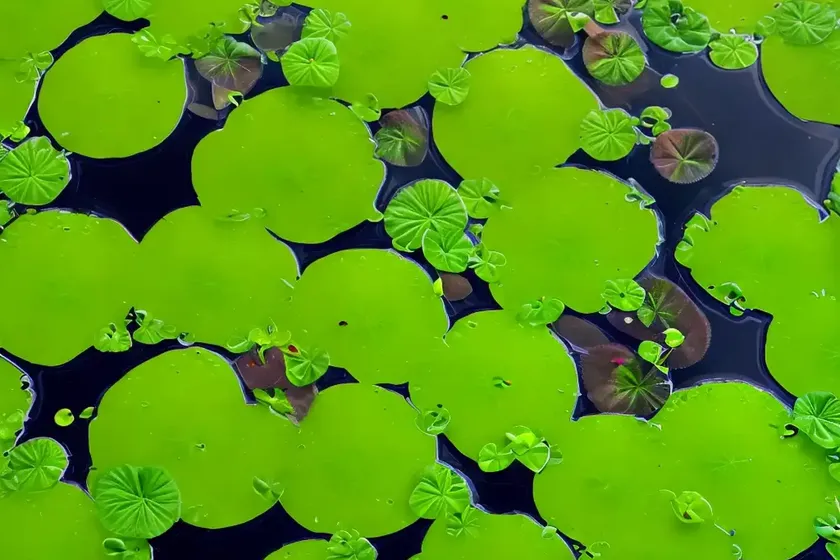
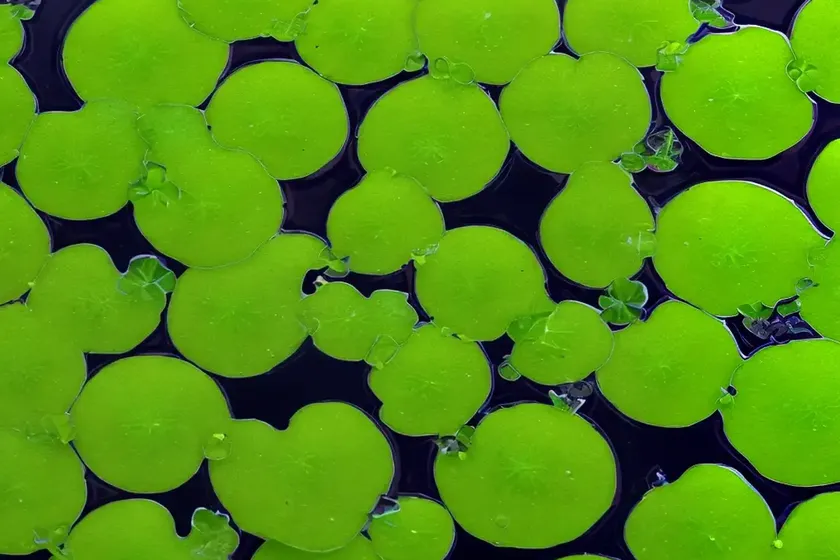
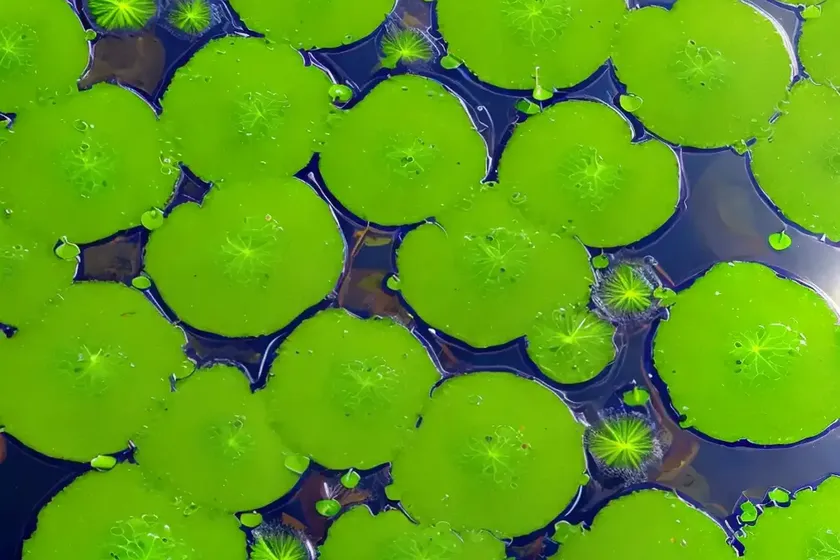
Common duckweed, scientifically known as Lemna minor, is a tiny, free-floating aquatic plant that falls under the Lemnaceae family. Although it is often mistaken for algae due to its small size and floating nature, it is, in fact, a flowering plant. Common duckweed is a remarkable organism with a wide array of uses and benefits, making it a subject of interest for plant scientists, environmentalists, and conservationists.
In this comprehensive guide, we will explore the various aspects of common duckweed, ranging from its habitat and growth patterns to its ecological significance, propagation, and utilization in diverse applications. Through this exploration, we aim to uncover the captivating world of Lemna minor and showcase its potential to revolutionize various fields from agriculture to environmental conservation.
1. Duckweed Habitat
Common duckweed (Lemna minor) is widely distributed across the globe, thriving in calm freshwater bodies such as ponds, lakes, and streams. This plant is adaptable to a variety of aquatic environments, including both natural and artificial water bodies. In the wild, it can be found in temperate and tropical regions, displaying its resilience and adaptability to different climatic conditions.
Key Points:
- Thrives in calm freshwater bodies
- Found in both temperate and tropical regions
2. Lemna Minor Growth
Lemna minor is characterized by rapid growth, which is facilitated by its efficient reproduction methods. This plant has the remarkable ability to cover the surface of water bodies in a relatively short period, making it a prominent component of the aquatic ecosystem. The growth of Lemna minor is influenced by several factors, including nutrient availability, temperature, and water quality.
Key Points:
- Rapid and extensive growth
- Influenced by nutrient availability, temperature, and water quality
3. Common Duckweed Classification
In terms of taxonomy, Lemna minor belongs to the Lemnaceae family, also known as the duckweed family. Within this family, Lemna minor falls under the genus Lemna, which encompasses several other closely related species. This classification provides insights into the evolutionary relationships and genetic characteristics of common duckweed, contributing to the understanding of its biological significance.
Key Points:
- Classified under the Lemnaceae family
- Belongs to the genus Lemna
4. Aquatic Plant Lemna Minor
As an aquatic plant, Lemna minor has developed specialized adaptations that enable it to thrive in water environments. These adaptations include small roots, buoyant fronds, and efficient nutrient uptake mechanisms. These features make common duckweed a highly successful aquatic plant, capable of flourishing in diverse aquatic ecosystems.
Key Points:
- Specialized adaptations for aquatic life
- Efficient nutrient uptake mechanisms
5. Duckweed Control Methods
The rapid growth of Lemna minor can lead to the formation of dense surface mats, which may have detrimental effects on water bodies. Therefore, effective control methods are essential to manage the spread of common duckweed and prevent ecological imbalances. Various techniques, such as manual removal, biological control agents, and ecological balance maintenance, can be employed to control the growth of Lemna minor in aquatic environments.
Key Points:
- Techniques for managing Lemna minor growth
- Manual removal, biological control agents, and ecological balance maintenance
6. Lemna Minor Uses
Common duckweed (Lemna minor) holds significant potential for diverse applications, ranging from environmental remediation to agricultural practices. Its uses include nutrient removal from water bodies, animal feed production, biofuel generation, and pharmaceutical applications. Understanding and harnessing the multifaceted uses of Lemna minor can contribute to sustainable resource management and environmental conservation efforts.
Key Points:
- Versatile applications in environmental and agricultural fields
- Nutrient removal, animal feed production, biofuel generation, and pharmaceutical applications
7. Common Duckweed Identification
Identification of Lemna minor is crucial for accurately monitoring its presence and abundance in aquatic ecosystems. Common duckweed can be distinguished by its small, rounded fronds and root structures, which set it apart from other aquatic plants. A clear understanding of the morphological characteristics of Lemna minor facilitates its accurate identification and monitoring in natural habitats.
Key Points:
- Morphological characteristics for identification
- Small, rounded fronds and root structures
8. Benefits of Lemna Minor
The presence of Lemna minor in aquatic ecosystems offers numerous ecological benefits, including nutrient cycling, habitat provision, and water quality enhancement. Additionally, its potential applications in nutrient removal and bioenergy production contribute to its significance in environmental and agricultural contexts. Understanding and harnessing the benefits of Lemna minor can lead to sustainable environmental management practices.
Key Points:
- Ecological benefits in nutrient cycling and habitat provision
- Contributions to water quality enhancement and bioenergy production
9. Duckweed Species
In addition to Lemna minor, the Lemnaceae family encompasses a diverse array of duckweed species, each with unique characteristics and ecological roles. Understanding the different duckweed species allows for comprehensive insights into the biodiversity and ecological dynamics of aquatic ecosystems. The taxonomy and diversity of duckweed species contribute to the richness of aquatic plant communities.
Key Points:
- Diverse array of duckweed species within the Lemnaceae family
- Impact on biodiversity and ecological dynamics
10. Lemna Minor Propagation
The efficient propagation of Lemna minor plays a crucial role in its widespread distribution and growth in aquatic environments. This plant reproduces asexually through budding, allowing for rapid population expansion. Understanding the propagation mechanisms of Lemna minor is essential for comprehending its ecological impact and implementing effective management strategies in aquatic systems.
Key Points:
- Asexual propagation through budding
- Rapid population expansion in aquatic environments
11. Common Duckweed in Ponds
Common duckweed (Lemna minor) is often found in ponds, where it can form dense mats on the water surface. Its presence in ponds can impact water quality, aquatic biodiversity, and overall ecosystem dynamics. Managing Lemna minor in pond environments requires a holistic approach that considers its growth patterns, ecological interactions, and potential uses in water quality improvement.
Key Points:
- Formation of dense mats in pond environments
- Impacts on water quality and aquatic biodiversity
12. Lemna Minor Adaptations
The adaptations of Lemna minor to different aquatic environments contribute to its resilience and ecological versatility. These adaptations include efficient nutrient uptake, buoyant growth, and rapid reproduction, enabling common duckweed to thrive in diverse water bodies. Studying the adaptations of Lemna minor provides insights into its ecological success and potential applications in environmental management.
Key Points:
- Adaptations for resilience and ecological versatility
- Efficient nutrient uptake, buoyant growth, and rapid reproduction
13. Duckweed as a Food Source
Lemna minor serves as a valuable food source for various aquatic organisms, including waterfowl, fish, and invertebrates. Its high nutrient content and palatability make it an attractive food source in natural food webs. Additionally, Lemna minor has the potential for human consumption, offering a sustainable and nutritious alternative in the context of food security and environmentally conscious diets.
Key Points:
- Food source for waterfowl, fish, and invertebrates
- Potential for human consumption as a sustainable and nutritious food alternative
14. Lemna Minor Life Cycle
Understanding the life cycle of Lemna minor provides insights into its growth patterns, reproductive strategies, and ecological significance. This plant undergoes distinct developmental stages, encompassing growth, reproduction, and dormancy cycles. Its life cycle dynamics contribute to its role in aquatic ecosystems and its potential applications in various fields.
Key Points:
- Developmental stages and life cycle dynamics
- Contributions to ecological significance and potential applications
15. Common Duckweed Facts
Some fascinating facts about Lemna minor contribute to its allure and ecological significance. For instance, Lemna minor is among the smallest flowering plants and holds the potential for rapid biomass accumulation. Additionally, its efficient nutrient uptake capacity and genetic adaptability make it a subject of interest for researchers and environmental enthusiasts.
Key Points:
- Among the smallest flowering plants
- Rapid biomass accumulation and genetic adaptability
16. Lemna Minor Ecosystem Role
Lemna minor plays a crucial role in aquatic ecosystems by contributing to nutrient cycling, habitat provision, and food web dynamics. Its presence influences the ecological balance of aquatic environments and provides valuable resources for a variety of organisms. Understanding the ecosystem role of Lemna minor is essential for holistic conservation and management efforts.
Key Points:
- Contributions to nutrient cycling and habitat provision
- Influence on food web dynamics and ecosystem balance
17. Duckweed Growth Rate
The rapid growth rate of Lemna minor is a defining characteristic that contributes to its ecological impact and potential uses. Its ability to cover water surfaces and propagate rapidly can have both positive and negative effects, depending on the context. Managing the growth rate of Lemna minor is essential for maintaining ecological balance and leveraging its potential benefits.
Key Points:
- Rapid growth rate and propagation capability
- Impacts on ecological balance and potential benefits
18. Lemna Minor as a Natural Remedy
Lemna minor has been explored for its potential medicinal properties, including antioxidant and anti-inflammatory effects. These attributes make it a subject of interest in traditional medicine and pharmaceutical research. Uncovering the natural remedies offered by Lemna minor presents opportunities for novel therapeutic applications and healthcare innovations.
Key Points:
- Potential medicinal properties including antioxidant and anti-inflammatory effects
- Opportunities for therapeutic applications and healthcare innovations
19. Common Duckweed in Aquariums
In the context of aquariums, Lemna minor serves as a functional addition, contributing to water quality maintenance and nutrient management. Its compact size and rapid growth make it suitable for aquaria with a variety of aquatic species. Additionally, Lemna minor adds aesthetic value to aquarium displays, enhancing the overall visual appeal.
Key Points:
- Contribution to water quality maintenance and nutrient management
- Aesthetic value in aquarium displays
20. Lemna Minor Floating Plant
As a floating plant, Lemna minor exhibits unique characteristics that distinguish it from submerged or emergent aquatic plants. Its buoyant nature allows it to thrive on the water surface, receiving ample sunlight and access to nutrients. Understanding the attributes of Lemna minor as a floating plant is essential for incorporating it into aquatic environments and applications.
Key Points:
- Buoyant nature and ability to thrive on water surfaces
- Access to sunlight and nutrients as a floating plant
21. Duckweed Nutrient Content
Lemna minor possesses high nutrient content, including proteins, minerals, and vitamins, making it a valuable nutritional resource. This nutrient richness contributes to its significance as a food source and potential applications in animal feed production. Analyzing the nutrient content of Lemna minor provides valuable insights for its utilization and nutritional benefits.
Key Points:
- High nutrient content including proteins, minerals, and vitamins
- Significance as a food source and potential applications in animal feed production
22. Lemna Minor Invasive Species
In some contexts, the rapid growth and extensive spread of Lemna minor can lead to its classification as an invasive species. Invasive populations of common duckweed can disrupt native ecosystems and pose challenges for water resource management. Monitoring and managing invasive Lemna minor populations are essential for preserving the ecological integrity of natural habitats.
Key Points:
- Potential for classification as an invasive species
- Impacts on native ecosystems and water resource management
23. Common Duckweed in Wetlands
Wetland environments often harbor Lemna minor, where it contributes to nutrient cycling, habitat provision, and biodiversity support. The presence of common duckweed in wetlands highlights its significance in maintaining ecological balance and providing resources for various organisms. Managing Lemna minor in wetland ecosystems is vital for preserving wetland functionality and biodiversity.
Key Points:
- Contributions to nutrient cycling, habitat provision, and biodiversity support in wetlands
- Significance for wetland functionality and biodiversity preservation
24. Lemna Minor Reproduction
The reproduction of Lemna minor primarily occurs through asexual means, involving the formation of new fronds from parent individuals. This efficient propagation mechanism contributes to the rapid population growth of common duckweed in aquatic environments. Understanding the reproductive strategies of Lemna minor provides insights into its ecological dynamics and potential impact.
Key Points:
- Asexual reproduction through formation of new fronds
- Rapid population growth in aquatic environments
25. Duckweed Benefits for Water Quality
The presence of Lemna minor offers substantial benefits for water quality, including nutrient uptake, oxygenation, and sediment stabilization. These contributions improve water clarity and mitigate the effects of eutrophication in aquatic systems. Leveraging the water quality benefits of common duckweed can enhance environmental management practices and contribute to sustainable water resource utilization.
Key Points:
- Nutrient uptake, oxygenation, and sediment stabilization
- Improvements in water clarity and mitigation of eutrophication effects
Continue Sections: Duckweed benefits for water quality.
Continue Sections: Lemna Minor for biofuel production.
Conclusion
Common duckweed (Lemna minor) is a remarkable aquatic plant with far-reaching implications for environmental conservation, sustainable agriculture, and biotechnological innovation. Its capacity for nutrient removal, rapid growth, and versatile applications positions it as a valuable resource with the potential to address critical challenges in water resource management, food security, and renewable energy production. By understanding and harnessing the ecological and utilitarian aspects of Lemna minor, we can pave the way for innovative solutions in diverse fields, contributing to a more sustainable and harmonious coexistence with the natural world.
Through this comprehensive exploration, we have uncovered the multifaceted nature of common duckweed, shedding light on its ecological significance, growth patterns, uses, and potential impact. This tiny aquatic wonder holds immense promise, inspiring further research, conservation efforts, and practical applications that can revolutionize the way we interact with and benefit from the natural environment.
In closing, common duckweed (Lemna minor) invites us to delve deeper into the intricate tapestry of the natural world, recognizing the profound value it holds and the boundless opportunities it presents for innovation and stewardship. Let us embark on a journey of discovery, appreciation, and responsible utilization of Lemna minor, recognizing the profound impact it can create for our planet and generations to come.
References
- United States Department of Agriculture – Natural Resources Conservation Service. (n.d.). Lemna minor L. https://plants.usda.gov/core/profile?symbol=LEMI
- Appenroth, K. J., Borisjuk, L., Lam, E., Telling, C. G., & Draper, J. (2015). King and queen in the empires of the green. Plant Biology, 17, 16–19. https://doi.org/10.1111/plb.12336
- Catunda, M. M., & Martino, J. C. (2013). Chlorophyll a determinations in common duckweed (Lemna minor) by solid phase spectrofluorimetry. Journal of the Brazilian Chemical Society, 24(8), 1279–1282. https://doi.org/10.5935/0103-5053.20130124
- Landolt, E. (1986). The family of Lemnaceae – a monographic study. Vol. 1. Zürich, Switzerland: Veröffentlichungen des Geobotanischen Institutes der Eidgenössischen Technischen Hochschule, Stiftung Rübel, Zürich.
- Landolt, E., & Kandeler, R. (1987). The family of Lemnaceae – a monographic study. Vol. 2. Zürich, Switzerland: Veröffentlichungen des Geobotanischen Institutes der Eidgenössischen Technischen Hochschule, Stiftung Rübel, Zürich.
- Les, D. H., Crawford, D. J., Landolt, E., & Gabel, J. D. (2002). Systematics of the Lemnaceae (duckweeds): Insights from phylogenetic analyses of plastid rbcL sequences. https://doi.org/10.1093/aob/mcf108
- Schenk, R. U. (2006). Duckweed cultivation and how it affects the ecosystem. International Journal of Environmental and Science Education, 1(4), 39–48.
- Sree, K. S., Padmalatha, C., Sunilkumar, G., Prashantha, S. I. M., Sushama, S., Singh, R. B., … Laxmikumaran, M. (2010). King and queen in the empires of the green. Plant Biology, 17(5), 1007–1013. https://doi.org/10.5172/conu.2010.52.2.155
This article has been written to provide a comprehensive understanding of common duckweed (Lemna minor) by covering various aspects from habitat and growth to its ecological importance. The article also includes details about Lemna minor’s uses, identification, and benefits in different ecosystems.