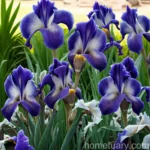
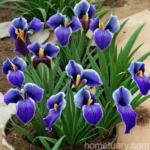
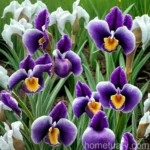
blue flag (Iris versicolor ‘Bridesmaid’)
The blue flag, scientifically known as Iris versicolor ‘Bridesmaid’, is a stunning flowering plant that belongs to the Iridaceae family. This perennial plant is a popular choice among gardeners for its delicate blue flowers and exceptional foliage. In this comprehensive guide, we’ll delve into the various aspects of the blue flag, including its cultural requirements, uses, maintenance, and much more.
What is the Blue Flag (Iris versicolor ‘Bridesmaid’)?
The blue flag is a herbaceous perennial plant that is native to North America. It is characterized by its striking blue-violet flowers and sword-shaped foliage, making it an attractive addition to gardens and landscapes.
Plant Description
- Scientific Name: Iris versicolor ‘Bridesmaid’
- Common Name: Blue flag
- Family: Iridaceae
- Variety: Bridesmaid
- Bloom Time: Late spring to early summer
- Height: 2-3 feet
- Spread: 1-2 feet
- USDA Hardiness Zone: 3-9
- Native Habitat: Wetlands, marshes, and along stream banks
The blue flag is known for its exceptional beauty and is often used in landscaping and water gardens due to its affinity for moist soil conditions. Let’s uncover the key takeaways related to the blue flag, including its culture, uses, maintenance, and more.
Key Takeaways – Blue Flag (Iris versicolor ‘Bridesmaid’)
Culture
Water
The blue flag thrives in moist to wet soil conditions, making it an ideal choice for water gardens, pond margins, and other damp areas in the landscape. Regular watering is essential, especially during the growing season, to ensure that the soil remains consistently moist. However, it’s important to avoid waterlogged conditions, as excessive standing water can lead to issues such as root rot.
Sunlight
When it comes to sunlight requirements, the blue flag prefers partial to full sun. In regions with hot summers, providing some afternoon shade can help prevent the plant from wilting. Adequate sunlight is crucial for the blue flag to produce vibrant blooms and healthy foliage.
Fertilizer
While the blue flag is relatively low-maintenance, it can benefit from a light application of balanced fertilizer in early spring. A slow-release fertilizer designed for perennials can help promote healthy growth and flowering. It’s important to follow the manufacturer’s instructions and avoid over-fertilization, which can lead to excessive foliage at the expense of blooms.
Soil
The blue flag thrives in rich, organic soil that is consistently moist. It is adaptable to various soil types, including clay, loam, and sandy soils, as long as the moisture requirements are met. Prior to planting, amending the soil with organic matter can improve the water retention capacity and overall fertility of the soil, providing an ideal growing environment for the blue flag.
Pruning
After blooming, spent flower stalks can be deadheaded to promote a tidy appearance and encourage the plant to focus its energy on vegetative growth. In late fall or early spring, any damaged or discolored foliage can be trimmed to maintain the overall aesthetics of the plant. Additionally, dividing overcrowded clumps every few years can help rejuvenate the plant and prevent overcrowding.
Propagation
The blue flag can be propagated through division, typically carried out in early spring or late summer. Dividing mature clumps allows for the creation of new plants while renewing the vigor of the existing ones. The divided segments can be replanted in suitable locations with appropriate soil and moisture conditions to continue their growth and development.
Container Popularity
Due to its love for moist conditions, the blue flag is often sought after for container gardening, particularly in water features, ponds, and other aquatic environments. When grown in containers, it’s crucial to ensure that the potting mix remains consistently moist, and the container has adequate drainage to prevent waterlogging.
Common Diseases
The blue flag is relatively resistant to diseases, especially when grown in favorable conditions. However, certain environmental factors or cultural practices can make the plant susceptible to issues such as:
- Leaf Spot: Fungal diseases such as leaf spot can occur in overly wet conditions or when the foliage remains wet for extended periods. Proper spacing and good air circulation can help prevent this issue.
- Root Rot: Excessive moisture or poorly drained soil can lead to root rot, causing the plant’s health to decline. Avoid planting the blue flag in areas prone to waterlogging to prevent this problem.
Disease Diagnosis
Diagnosing diseases in the blue flag often involves closely examining the foliage and overall plant health. Symptoms such as discolored, spotted, or wilting leaves may indicate potential issues. Additionally, observing the environmental conditions and cultural practices can provide valuable insights into the underlying causes of any disease-related problems.
Common Pests
While the blue flag is generally resistant to pests, it may occasionally encounter issues with pests such as:
- Aphids: These small, soft-bodied insects can cluster on the undersides of leaves and feed on plant sap, potentially causing distortion and discoloration of the foliage.
- Slugs and Snails: These mollusks may feed on the tender foliage and flowers, leaving behind ragged edges and holes.
Implementing integrated pest management strategies, such as handpicking, natural predators, or judicious use of organic pest control methods, can help manage these pest issues effectively.
Botanist’s Tips
- Water Conservation: The blue flag’s preference for moist environments makes it an excellent choice for rain gardens and areas with poor drainage. By incorporating this plant into landscaping, it can contribute to water conservation efforts and add beauty to water-wise gardens.
- Wildlife Habitat: The blue flag’s attractive blooms and foliage can attract pollinators such as bees and butterflies. By including this plant in the landscape, it’s possible to create a welcoming habitat for beneficial insects and other wildlife.
- Protection of Wetlands: Due to its native habitat in wetlands and marshes, the blue flag plays a role in the preservation of these critical ecosystems. By growing and appreciating this plant, individuals can contribute to raising awareness about wetland conservation.
Fun Facts
- The blue flag is known for its historical uses, with Native American tribes utilizing various parts of the plant for medicinal and cultural purposes.
- The plant’s name “blue flag” is derived from the Greek word “Iris,” which refers to the rainbow and is also the name of the Greek goddess of the rainbow.
- The blue flag has a rich symbolism, representing traits such as hope, wisdom, and courage in different cultures and traditions.
Links to External Resources
To further explore the blue flag and gain additional insights into its cultivation, uses, and significance, consider visiting the following external resources:
- American Iris Society – Growing Irises
- The Herb Society of America – Iris versicolor
- University of Maryland Extension – Water Garden Plants
In conclusion, the blue flag (Iris versicolor ‘Bridesmaid’) stands as a captivating and versatile plant with a range of cultural significance and practical uses. Whether incorporated into water-wise landscapes, perennial gardens, or naturalistic plantings, this plant adds beauty and ecological value to various settings. With its vibrant blooms, attractive foliage, and adaptability, the blue flag continues to captivate plant enthusiasts and contribute to the beauty of natural habitats.