Lenten-rose (Helleborus Orientalis)
Lenten-rose, scientifically known as Helleborus Orientalis, is a member of the Ranunculaceae family and is native to regions such as Greece and Turkey..
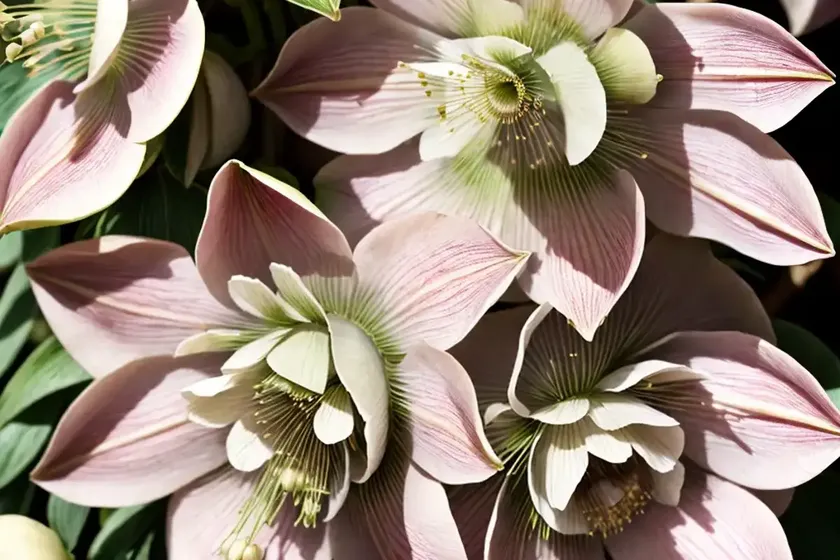
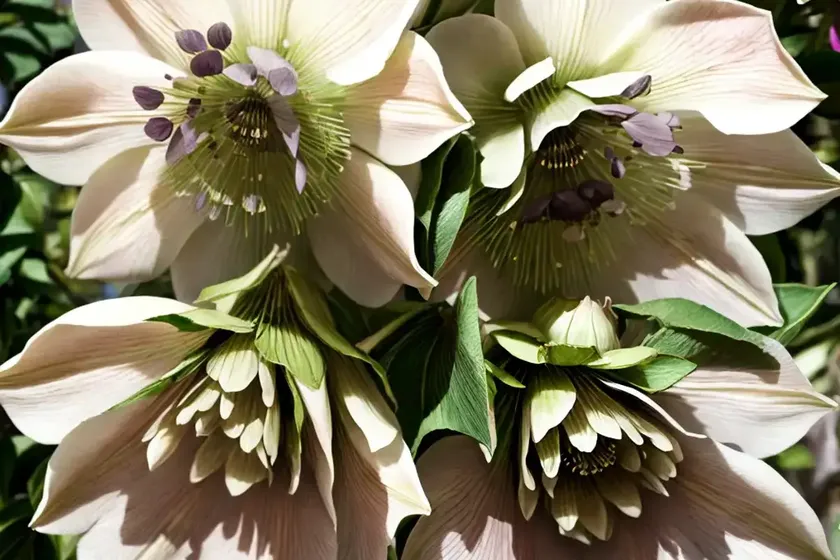
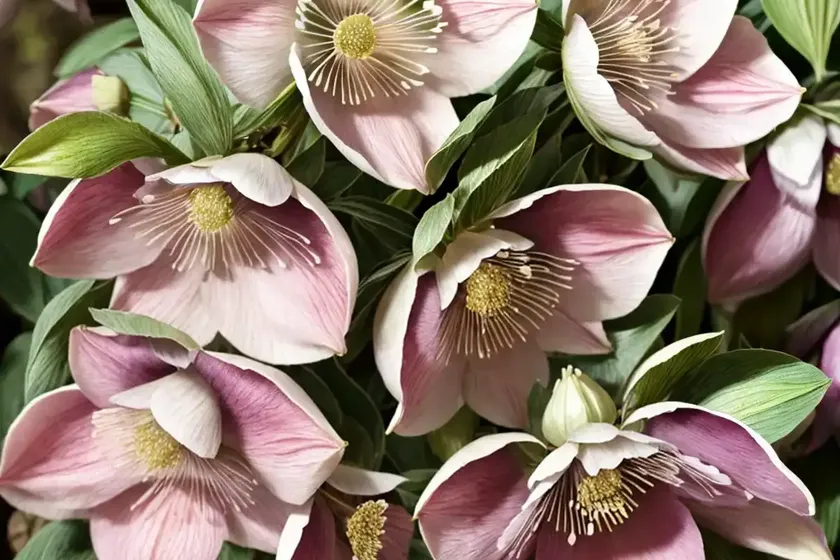
Introduction to Lenten-Rose (Helleborus Orientalis)
Lenten-rose, scientifically known as Helleborus Orientalis, is a member of the Ranunculaceae family and is native to regions such as Greece and Turkey. This evergreen perennial plant is renowned for its early blooming and ability to thrive even in the harshest winter conditions. With its exquisite blooms and robust nature, Lenten-rose has become a popular choice for gardens and landscapes, attracting horticulturists and novice gardeners alike.
In this comprehensive guide, we will explore the various aspects related to the cultivation, care, and uses of Lenten-rose. From addressing its cultural requirements to understanding its role in medicinal and companion planting, this article aims to provide valuable insights into all things Lenten-rose.
Key Takeaways – Lenten-Rose (Helleborus Orientalis)
Before delving into the intricacies of Lenten-rose care and cultivation, let’s take a look at some key takeaways:
- Common Name: Lenten-Rose
- Scientific Name: Helleborus Orientalis
- Family: Ranunculaceae
- Native Regions: Greece and Turkey
- Plant Type: Evergreen Perennial
Culture
Cultivating Lenten-rose requires an understanding of its cultural needs, including its water, sunlight, fertilizer, soil, and pruning requirements.
Water
- Lenten-rose thrives in moist but well-drained soil.
- Regular watering is essential, especially during dry spells and the flowering season.
- Watering should be done at the base of the plant to prevent waterlogging and fungal diseases.
Sunlight
- Lenten-rose flourishes in partial shade to full shade conditions.
- Morning sun and dappled shade are ideal for ensuring healthy growth and abundant flowering.
Fertilizer
- The plant benefits from a balanced, slow-release fertilizer applied in early spring.
- A top dressing of compost or well-rotted manure can be beneficial in maintaining soil fertility.
Soil
- Lenten-rose prefers rich, humus-filled soil that is slightly acidic.
- Well-draining soil is crucial to prevent root rot, especially in winter.
Pruning
- Regular deadheading of spent flowers promotes continued blooming and prevents self-seeding.
- Cut back old, tattered foliage in late winter or early spring to make way for new growth.
Uses
Lenten-rose holds significance beyond its ornamental beauty, offering diverse uses ranging from medicinal applications to landscape design.
Medicinal Uses
- Helleborus Orientalis has historical significance in traditional medicine for its purported medicinal properties.
- It is important to note that hellebores contain toxic compounds and should be used with caution and under professional guidance.
Landscape Design
- Lenten-rose adds charm to shaded gardens and woodland landscapes.
- Its early blooming nature makes it a valuable addition to winter gardens.
Propagation
Propagating Lenten-rose allows for the expansion of its presence in garden settings and offers an opportunity to share its splendor with others.
- Division: Mature clumps of Lenten-rose can be divided in early spring to create new plants.
- Seed sowing: Collect mature seeds and sow them in a well-prepared seed bed for new plant establishment.
Container Popularity
The adaptability of Lenten-rose to container gardening makes it an attractive choice for urban and small-space gardening enthusiasts.
- Selecting the right-sized pot with good drainage is crucial for successful container cultivation.
- Regular watering and nutrition are essential for the plant’s well-being in containers.
Common Diseases
Like any plant, Lenten-rose is susceptible to certain diseases that require attention and preventive measures.
Disease Diagnosis
- Black spots on leaves indicate a common fungal disease known as black spot.
- Powdery mildew can affect the plant and is recognized by the powdery white coating on the foliage.
Common Pests
Managing pests is essential to safeguard the health and vigor of Lenten-rose plants.
- Aphids and slugs are common pests that can impact the plant’s overall well-being.
- Regular inspections and prompt action are key in pest management.
Botanist’s Tips
Insights from botanists can offer valuable guidance for tending to Lenten-rose and ensuring its optimal growth.
- Monitor soil moisture levels and drainage to prevent water-related issues.
- Maintain good air circulation around the plant to deter fungal diseases.
Fun Facts
Lenten-rose has a rich history and several intriguing facts that add to its allure.
- It is also known as the Christmas rose due to its winter blooming nature.
- The plant has been a subject of folklore and symbolism throughout history, often associated with protection and warding off evil.
Links to External Resources
For further information on Lenten-rose care, cultivation, and related topics, you can explore the following resources:
- Royal Horticultural Society (RHS) – Lenten-Rose Care
- University of Maryland Extension – Helleborus Orientalis: A Beautiful Winter Bloomer
- The American Phytopathological Society – Common Diseases of Helleborus spp.
In conclusion, Lenten-rose, or Helleborus Orientalis, is a captivating plant that offers an array of benefits, from its enchanting blooms to its adaptability in various gardening situations. Understanding its unique requirements and potential challenges equips gardeners with the knowledge to cultivate and cherish this remarkable perennial. Whether as a winter garden focal point or a medicinal curiosity, Lenten-rose continues to captivate the hearts and gardens of plant enthusiasts worldwide.
By embracing the insights and practices outlined in this guide, you can embark on a rewarding journey of nurturing and reveling in the beauty of Lenten-rose, bringing its timeless allure to your own garden oasis.


