Lavender (Lavandula Spp.)
Lavender, known scientifically as Lavandula spp., is a timeless garden favorite cherished for its fragrant flowers, versatility, and myriad of uses. This.
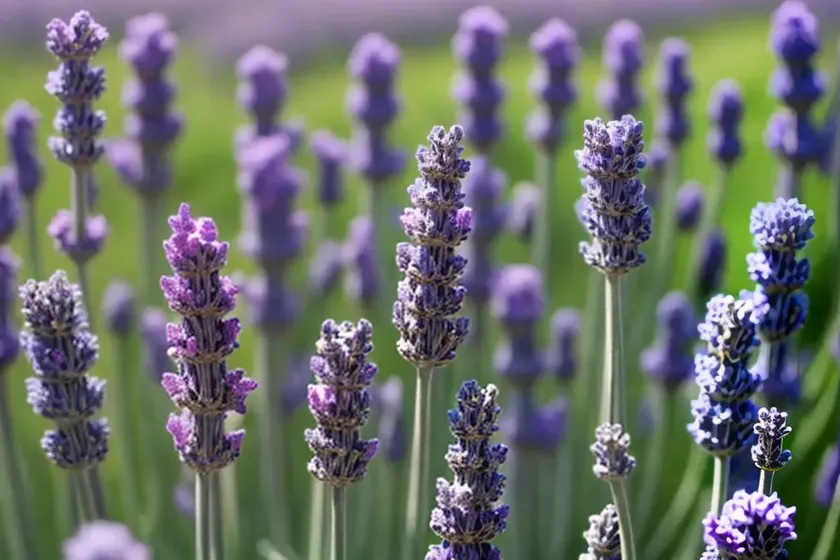
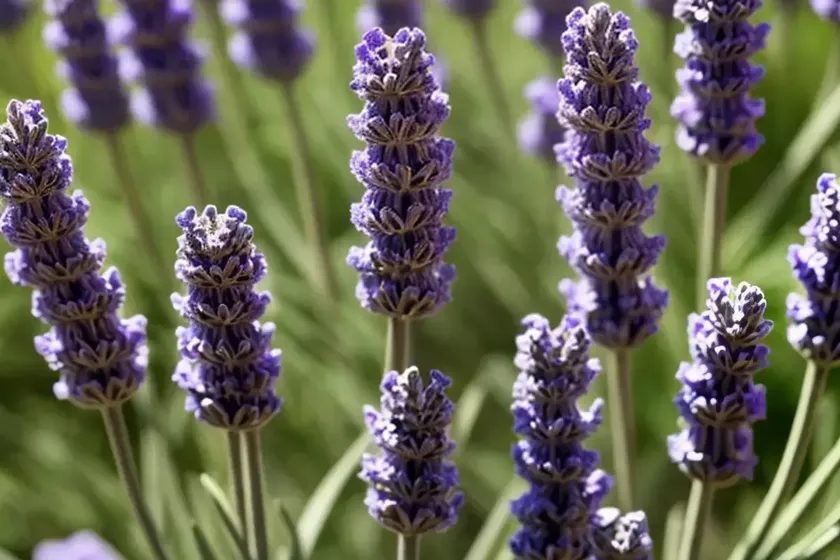
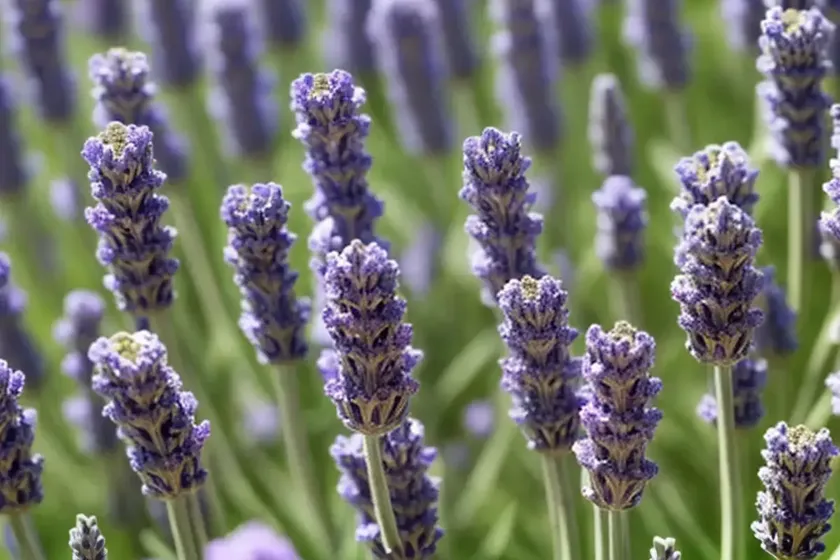
Lavender, known scientifically as Lavandula spp., is a timeless garden favorite cherished for its fragrant flowers, versatility, and myriad of uses. This charming herbaceous perennial has captured the hearts of gardeners, herbalists, and aromatherapy enthusiasts alike. In this comprehensive guide, we will delve into the culture, uses, care tips, and more for lavender. Whether you are an experienced gardener or a novice plant enthusiast, this guide will provide you with valuable insights into the world of lavender.
What is Lavender?
Lavender is a well-recognized genus in the mint family, Lamiaceae, with over 47 known species. Its aromatic blooms, typically shades of purple, and silvery-green foliage make it a sought-after ornamental plant. Native to regions surrounding the Mediterranean, lavender has spread its charm globally, thriving in various climates and conditions.
Key Takeaways – Lavender (Lavandula spp.)
Before we embark on our journey to explore the world of lavender in greater depth, let’s glance at the key takeaways of this versatile plant:
- Scientific Name: Lavandula spp.
- Family: Lamiaceae
- Types: Over 47 species
- Uses: Culinary, Aromatherapy, Medicinal, Ornamental
- Characteristic: Fragrant flowers and silvery foliage
Culture of Lavender
Understanding the cultural preferences of lavender is crucial for its successful cultivation. From water and sunlight requirements to soil and fertilizer needs, each aspect contributes to the health and vitality of this remarkable plant.
Uses
One of the most versatile plants, lavender is renowned for an array of uses:
- Culinary: Lavender is used in a variety of culinary creations, including teas, desserts, and as a seasoning in savory dishes.
- Aromatherapy: The essential oil extracted from lavender is widely utilized in aromatherapy for its calming and relaxing properties.
- Medicinal: Lavender is known for its medicinal properties, including anti-inflammatory and anti-anxiety effects, often used in herbal remedies.
- Ornamental: Lavender’s fragrant flowers and attractive foliage make it a popular choice for landscaping and home gardens.
Water
Lavender has low to moderate water needs once established, making it an excellent choice for water-wise gardens. Overly moist soil can lead to root rot, so it’s crucial to allow the soil to dry out between waterings, particularly in hot climates or containers. Rainfall can generally suffice for outdoor plants, reducing the need for supplemental watering.
Sunlight
Lavender excels in full sun conditions and requires at least 6-8 hours of direct sunlight per day. Insufficient sunlight can lead to reduced flowering and poor plant vigor. Therefore, when selecting a planting location, ensure it receives adequate sunlight throughout the day.
Fertilizer
Lavender thrives in lean, well-draining soil and generally does not require high levels of fertility. Over-fertilization can lead to excessive leaf growth at the expense of flower production and can make the plant more susceptible to certain pests and diseases. To avoid this, it’s best to refrain from applying high-nitrogen fertilizers and instead opt for a low-nutrient, balanced option sparingly.
Soil
Lavender has a preference for alkaline to neutral, well-draining soil. Heavy or waterlogged soils can lead to root rot and other issues, so it’s essential to ensure good drainage, particularly in regions with high rainfall. Amending the soil with sand, perlite, or gravel can improve drainage for better results.
Pruning
Pruning plays a vital role in the health and appearance of lavender plants. Regular pruning helps maintain a compact shape, encourage new growth, and prolong the plant’s lifespan. Here are some essential tips for pruning lavender:
- Timing: Lavender should be pruned in late spring or early summer, just as new growth begins. Avoid pruning in the fall or winter, as it may stimulate new growth that is susceptible to cold damage.
- Method: Trim back about one-third of the plant, ensuring to leave some green growth. Cut just above the woody growth, avoiding cutting into it, as lavender may struggle to regrow from old wood.
- Deadheading: Remove spent blooms regularly to encourage continuous flowering and prevent the plant from expending energy on seed production.
Propagation
Lavender can be propagated through various methods, including cuttings, layering, and seed. However, cuttings are the preferred propagation method for maintaining the desirable traits of the parent plant. Here’s a brief overview of each propagation method:
- Cuttings: Propagate lavender from semi-ripe cuttings taken in summer. Use hormone rooting powder to promote root development and provide bottom heat for better results.
- Layering: Layering involves bending a low branch to the ground, securing it, and allowing it to root before detaching it from the parent plant.
- Seeds: While lavender can be grown from seed, it is a slower and less reliable method compared to cuttings or layering. Seeds should be sown in well-draining soil and kept consistently moist until germination occurs.
Container Popularity
Lavender’s adaptability and compact growth habit make it an excellent candidate for container gardening. Whether on a patio, balcony, or windowsill, the charming aroma and visual appeal of lavender can be enjoyed in a container setting. When choosing a container for lavender, prioritize those with adequate drainage holes and a well-draining potting mix to prevent waterlogging.
Common Diseases
While lavender is relatively low-maintenance, certain diseases can affect its health and vigor. Being aware of these diseases and their symptoms can aid in timely intervention and management. Some common diseases include:
- Root Rot: Caused by overly moist conditions, leading to root decay and wilting of the plant.
- Fusarium Wilt: A soil-borne fungal disease that results in stunted growth, wilting, and yellowing of the leaves.
- Gray Mold (Botrytis): This fungal disease can cause gray mold on flowers and foliage, leading to a decline in plant health.
Disease Diagnosis
Early diagnosis of diseases in lavender can prevent the spread and minimize damage. Here are some signs and symptoms to watch for:
- Wilting: Sudden and persistent wilting, particularly in the absence of water stress, can indicate root rot or fusarium wilt.
- Leaf Discoloration: Yellowing or browning of the leaves, especially when accompanied by stunted growth, can be a sign of fungal infections.
Common Pests
Lavender plants are relatively resistant to pests, especially due to their aromatic foliage, which deters many common pests. However, there are a few pests that can occasionally pose a threat to lavender, including:
- Aphids: These small, soft-bodied insects can cluster on the new growth and flowers, sucking sap from the plant.
- Spider Mites: These tiny arachnids can cause stippling and webbing on the leaves, particularly in hot, dry conditions.
- Lavender Leafhopper: This specific pest targets lavender plants, causing stippling on the leaves and potentially transmitting phytoplasma diseases.
Botanist’s Tips
For those seeking to delve deeper into the world of lavender, consider these valuable tips from botanists and experienced gardeners:
- Companion Planting: Lavender’s strong scent can repel certain pests and attract pollinators, making it an excellent companion to various garden plants.
- Harvesting: Plan your lavender harvest when the flowers are in full bloom but before they begin to decline. This is when the essential oil content is at its peak, ideal for culinary, aromatherapy, or medicinal use.
Fun Facts
Lavender is not only a garden staple but also a plant steeped in history and folklore. Here are some intriguing fun facts about lavender:
- Symbolism: Lavender is often associated with tranquility, purity, and devotion, making it a popular choice for wedding bouquets and decorations.
- History: Lavender has been used for centuries, from ancient Egypt and Rome to medieval Europe, for its fragrance, medicinal properties, and as a strewing herb to repel insects.
Links to External Resources
For further deepening your knowledge about lavender, here are some resources you might find helpful:
- The Lavender Garden
- Lavender: History, Taxonomy, and Production
- Aromatherapy with Lavender Essential Oil
In conclusion, lavender, with its captivating fragrance and diverse uses, is a true gem in the plant kingdom. Whether adorning a garden, harvested for its essential oil, or used in culinary delights, lavender continues to captivate and inspire. By understanding its culture, care requirements, and unique characteristics, we can fully appreciate and cultivate this timeless botanical treasure.
Lavender species, Lavandula plant, Lavender varieties, Lavender cultivation, Lavender care tips, Lavender uses, Lavender essential oil, Lavender benefits, Lavender fragrance, Lavender medicinal properties, Lavender aromatherapy, Lavender gardening, Lavender pruning, Lavender propagation, Lavender growing conditions, Lavender soil requirements, Lavender water requirements, Lavender plant family, Lavender flowering season, Lavender plant characteristics, Lavender herbs, Lavender herbal remedies, Lavender culinary uses, Lavender teas, Lavender skincare, Lavender hair care, Lavender insect repellent, Lavender attracting pollinators, Lavender natural dye, Lavender plant symbolism, Lavender garden design, Lavender landscaping, Lavender farm, Lavender harvest, Lavender drying methods, Lavender plant diseases, Lavender pests, Lavender plant companions, Lavender outdoor uses, Lavender indoor cultivation, Lavender container gardening, Lavender plant photography, Lavender plant history, Lavender folklore, Lavandula angustifolia, Hybrid lavender plants, Spanish lavender, French lavender, Lavandin plants, Lavender garden projects.
This comprehensive guide aims to provide invaluable insights and practical tips for individuals interested in cultivating and appreciating lavender, building a strong foundation for successful and rewarding plant care.


