French Lavender (Lavandula Dentata)
Lavenders are known for their delightful fragrance, beautiful flowers, and various uses, making them a popular choice among gardeners and herbalists alike..
Lavenders are known for their delightful fragrance, beautiful flowers, and various uses, making them a popular choice among gardeners and herbalists alike. Among the different varieties of lavender, French lavender, scientifically known as Lavandula dentata, stands out with its unique characteristics and benefits. In this comprehensive guide, we will delve into the world of French lavender, exploring its culture, uses, maintenance, and much more. Whether you’re a seasoned gardener or just starting out, this guide will provide you with all the essential information you need to cultivate and care for this stunning plant.
Table of Contents
- What is French Lavender (Lavandula dentata)?
- Culture
- Water
- Sunlight
- Fertilizer
- Soil
- Pruning
- Propagation
- Container Popularity
- Common Diseases
- Disease Diagnosis
- Common Pests
- Botanist’s Tips
- Fun Facts
- Links to External Resources
What is French Lavender (Lavandula dentata)?
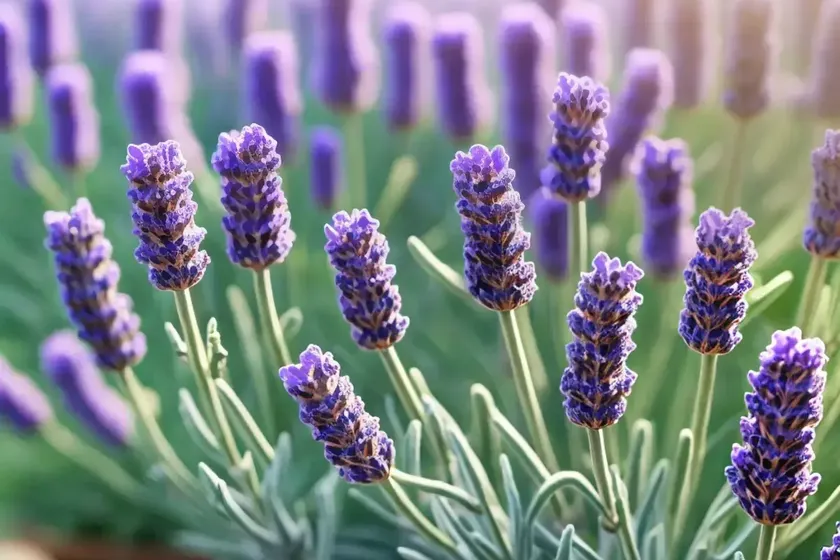
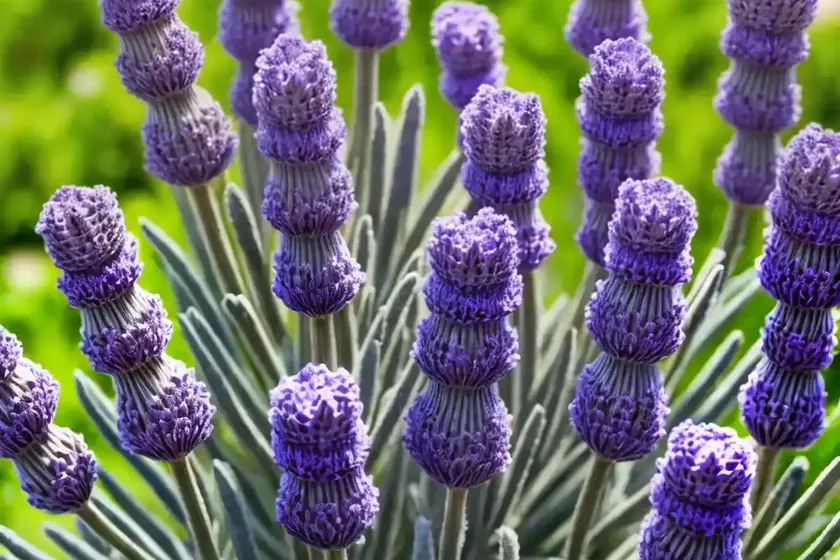
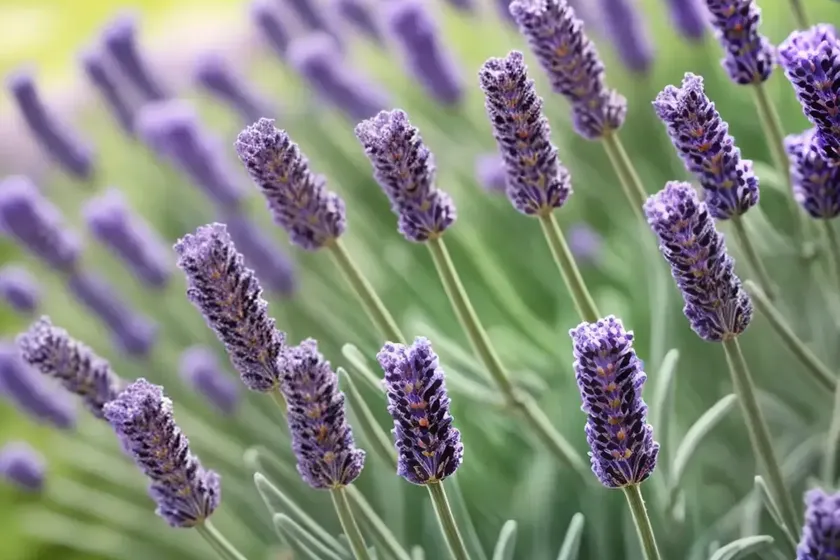
French lavender, or Lavandula dentata, is a charming evergreen shrub that belongs to the Lamiaceae family. It is native to the Mediterranean region and is characterized by its serrated, gray-green leaves and fragrant, pale purple flowers. The distinctive toothed (dentate) foliage gives this lavender species a unique appearance, setting it apart from other lavender varieties.
Key Takeaways – French Lavender (Lavandula dentata)
French lavender, also known as Lavandula dentata, is a captivating evergreen shrub native to the Mediterranean region.
Its serrated, gray-green leaves and pale purple flowers make it easily recognizable.
*The toothed (dentate) foliage is a distinguishing feature of French lavender, differentiating it from other lavender species.
Culture
Cultivating French lavender requires understanding its specific cultural requirements to ensure optimal growth and health. Let’s explore the key aspects of its culture.
Water
Lavandula dentata is known for its drought tolerance, making it suitable for dry and arid climates. While established plants can withstand periods of drought, it is crucial to provide regular moisture, especially during the initial establishment phase. However, it’s essential to avoid overwatering, as excessive moisture can lead to root rot and other issues.
French Lavender Water Requirements:
– Regular moisture during the establishment phase
– Drought-tolerant once established
– Avoid overwatering to prevent root rot
Sunlight
Like many Mediterranean plants, French lavender thrives in full sunlight. Adequate sunlight exposure is essential for its growth and flower production. It is recommended to plant French lavender in a location that receives at least six to eight hours of direct sunlight per day.
French Lavender Sunlight Needs:
– Thrives in full sunlight
– Requires at least six to eight hours of direct sunlight per day
Fertilizer
French lavender generally does not require heavy feeding. In fact, excessive fertilizer can lead to excessive foliage growth at the expense of flowers and essential oils. A balanced, low-nitrogen fertilizer can be applied sparingly in spring to support healthy growth.
Recommended Fertilization for French Lavender:
– Sparingly apply a balanced, low-nitrogen fertilizer in spring
– Avoid excessive fertilization to prevent excessive foliage growth
Soil
Well-draining soil is essential for the successful cultivation of French lavender. It thrives in alkaline to slightly acidic soil with good drainage. Heavy clay soils should be amended with organic matter or horticultural sand to improve drainage and aeration.
Preferred Soil Type for French Lavender:
– Well-draining, alkaline to slightly acidic soil
– Amend heavy clay soils with organic matter or horticultural sand
Pruning
Pruning is a vital aspect of French lavender maintenance to promote bushy growth, enhance flowering, and extend the plant’s lifespan. Proper pruning techniques will also help prevent the woody base from becoming leggy and unproductive.
French Lavender Pruning Techniques:
– Trim back spent flowers to encourage continuous blooming
– Lightly prune in early spring to shape the plant and remove dead or damaged growth
– Avoid cutting into old wood, as it may hinder new growth
Propagation
French lavender can be propagated through several methods, including seed propagation, cuttings, and division. Each propagation method has its own unique requirements and benefits.
French Lavender Propagation Methods:
– Seed Propagation: Sow seeds indoors in early spring for transplanting outdoors after the danger of frost has passed.
– Cuttings: Take softwood cuttings in late spring or early summer and root them in well-draining soil.
– Division: Divide mature plants in early spring or fall to create new plants.
Container Popularity
French lavender’s compact growth habit and ornamental value make it well-suited for container cultivation. Whether grown on balconies, patios, or windowsills, French lavender adds a touch of Mediterranean elegance to any outdoor space.
Container Gardening Tips for French Lavender:
- Choose a well-draining potting mix and a container with drainage holes.
- Position the container in a sunny location and provide regular moisture while ensuring proper drainage.
- Consider larger containers to accommodate the plant’s root system and prevent root-bound conditions.
Common Diseases
While French lavender is generally resilient, it may be susceptible to certain diseases, particularly if grown in unfavorable conditions. Understanding the common diseases and their management is crucial for maintaining healthy plants.
Disease Diagnosis
Diagnosing and identifying common diseases in French lavender is essential for timely intervention and treatment. Some prevalent diseases that affect lavender include:
| Disease | Symptoms | Management |
|---|---|---|
| Root Rot | Wilting, yellowing of leaves | Improve drainage, avoid overwatering |
| Powdery Mildew | White powdery patches on leaves | Prune affected areas, improve air circulation |
| Bacterial Leaf Spot | Dark spots on leaves, leaf drop | Remove and dispose of infected leaves |
Disease Diagnosis and Management for French Lavender:
– Monitor plants regularly for symptoms of common diseases
– Implement appropriate cultural practices to prevent disease development
– Promptly treat affected plants using organic or chemical control methods as needed
Common Pests
French lavender is relatively resistant to most pests due to its aromatic foliage and natural compounds that repel insects. However, some pests may still pose a threat to the plant, requiring vigilance and proactive management.
Common Pests Affecting French Lavender:
- Aphids: Small, soft-bodied insects that congregate on new growth, causing stunted growth and yellowing leaves. They can be dislodged with a strong stream of water or controlled using insecticidal soap.
- Spider Mites: These tiny pests may cause stippling on the leaves and fine webbing on the plant. Regularly spraying the plant with water can help prevent infestations.
Pest Management for French Lavender:
– Monitor plants regularly for signs of pest infestations
– Control minor infestations with natural methods such as insecticidal soap or neem oil
– For severe infestations, consider targeted chemical control options while minimizing impact on beneficial insects
Botanist’s Tips
Here are a few additional tips and recommendations from botanists and experienced gardeners for successfully growing and caring for French lavender:
- Be Mindful of Climate Preferences: Consider the specific climate requirements of Lavandula dentata and provide suitable conditions for optimal growth.
- Use Lavender in Landscaping: Incorporate French lavender into your landscape design to introduce color, texture, and fragrance to garden beds, borders, and rock gardens.
- Harvest Lavender Blossoms: Utilize the aromatic lavender flowers for crafting, culinary purposes, or creating fragrant sachets.
Fun Facts
Embrace the beauty and versatility of French lavender with these fascinating fun facts:
- The essential oil extracted from Lavandula dentata is renowned for its calming and soothing properties, often used in aromatherapy and natural skincare products.
- French lavender flowers are not only visually stunning but can also be used to infuse honey, sugar, or vinegar with their delightful fragrance and flavor.
Links to External Resources
To expand your knowledge and learn more about French lavender cultivation, explore the following resources:
- Royal Horticultural Society – Growing Lavandula dentata
- University of Florida IFAS Extension – Lavender Production Guide
- North Carolina State University Extension – Growing Lavender in North Carolina
- Missouri Botanical Garden – Lavandula dentata Plant Profile
In conclusion, French lavender (Lavandula dentata) is an enchanting and versatile plant with a myriad of uses and benefits. By understanding its cultural needs, maintenance practices, and potential challenges, you can cultivate thriving lavender plants and enjoy their beauty and fragrance for years to come. Whether used in landscaping, aromatherapy, or culinary pursuits, French lavender continues to captivate and inspire gardeners and enthusiasts around the world.
Remember to embrace the unique characteristics of Lavandula dentata, experiment with propagation methods, and explore its various uses to fully appreciate the charm and elegance of this beloved lavender species. Happy gardening!
Check out my latest blog post on French Lavender (Lavandula dentata) on my website to learn more


