Lavandula angustifolia ‘Royal Velvet’ (Lavender): The Complete Guide
Lavender, known for its fragrant purple spikes, has been a beloved plant for centuries. Among the diverse range of lavender cultivars, Lavandula angustifolia ‘Royal Velvet’ stands out prominently due to its stunning appearance and versatile uses. In this comprehensive guide, we will delve into all aspects of this delightful plant, from its characteristics and cultivation requirements to its myriad applications and ecological importance.
What is Lavandula angustifolia ‘Royal Velvet’?
Lavandula angustifolia ‘Royal Velvet’, commonly referred to as Royal Velvet Lavender, is a notable cultivar of the Lavandula angustifolia species. This compact, bushy perennial plant is prized for its intense fragrance, deep violet flowers, and silvery-green foliage. As an evergreen, it retains its foliage throughout the year, adding a touch of elegance to gardens and landscapes.
| Feature | Description |
|---|---|
| Common Name | Royal Velvet Lavender |
| Botanical Name | Lavandula angustifolia ‘Royal Velvet’ |
| Plant Type | Perennial herbaceous shrub |
| Mature Size | 12-18 inches in height, 12-24 inches in spread |
| Sun Exposure | Full sun |
| Soil Type | Well-drained, slightly alkaline soil |
| Bloom Time | Early summer to midsummer |
| USDA Hardiness Zone | 5-9 |
| Native Range | Mediterranean region |
Lavandula angustifolia ‘Royal Velvet’ Characteristics
Appearance
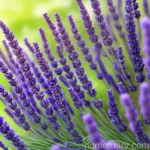
The ‘Royal Velvet’ Lavender showcases a captivating display of vibrant purple flower spikes rising above the compact, aromatic foliage. Its slender, linear leaves emerge as a silvery-green color, contributing to the overall appeal of the plant. The flowers, adored by pollinators, exude a sweet, floral scent that lingers in the air, making it a cherished addition to gardens and natural landscapes.
Fragrance
Among its various attributes, the delightful fragrance of the ‘Royal Velvet’ Lavender is particularly enchanting. The distinct aroma, often described as floral with herbal undertones, has made it a sought-after choice for essential oil extraction, perfumery, and aromatherapy.
Culinary and Medicinal Uses
Aside from its ornamental value, Lavandula angustifolia ‘Royal Velvet’ is revered for its culinary and medicinal properties. Its flowers and foliage are used in culinary preparations, adding a fragrant and slightly sweet flavor to dishes and beverages. In traditional medicine, lavender is known for its calming and soothing properties, making it a popular ingredient in herbal remedies and wellness products.
Key Takeaways – Lavandula angustifolia ‘Royal Velvet’ (Lavender)
- Appearance: Compact, bushy perennial with deep violet flowers and silvery-green foliage.
- Fragrance: Exudes a sweet floral scent with herbal undertones, highly valued for aromatherapy and perfumery.
- Culinary and Medicinal Uses: Suitable for culinary applications and reputed for its calming and soothing properties in traditional medicine.
Culture
Cultivating Lavandula angustifolia ‘Royal Velvet’ requires an understanding of its specific cultural needs, encompassing factors such as water, sunlight, soil, and fertilization. Additionally, proper pruning, propagation, and container gardening techniques are essential for maintaining the plant’s health and vitality.
Uses
The ‘Royal Velvet’ Lavender is a versatile plant with numerous applications, including:
– Ornamental use in gardens and landscapes.
– Essential oil extraction for perfumery and aromatherapy.
– Culinary purposes, such as flavoring in desserts and beverages.
– Medicinal formulations and herbal remedies for its calming properties.
Water
Sufficient but well-drained soil moisture is crucial for the optimal growth and development of Lavandula angustifolia ‘Royal Velvet’. Although lavender is known for its drought tolerance, consistent moisture levels, especially during the establishment phase, are vital. However, waterlogged conditions should be avoided to prevent root rot and other moisture-related issues.
Sunlight
As a sun-loving plant, Lavandula angustifolia ‘Royal Velvet’ thrives in full sunlight. It requires a minimum of 6-8 hours of direct sunlight daily to ensure vigorous growth, abundant flowering, and an intensified fragrance.
Fertilizer
In general, lavender, including Lavandula angustifolia ‘Royal Velvet’, does not demand high levels of fertility. Excessive fertilization can lead to excessive foliage at the expense of flowers and compromise the plant’s natural aroma. However, a balanced, low-nitrogen fertilizer applied sparingly in early spring can support healthy growth without encouraging excessive vegetative development.
Soil
The soil preferences of Lavandula angustifolia ‘Royal Velvet’ align with its Mediterranean origins, necessitating well-drained, slightly alkaline soil. To enhance soil structure and drainage, amending heavy or clay soils with sand or perlite can be beneficial. Furthermore, maintaining slightly elevated soil pH levels within the range of 6.7-7.3 can promote overall plant health and vigor.
Pruning
Pruning plays a pivotal role in maintaining the compact form, stimulating new growth, and prolonging the flowering period of Lavandula angustifolia ‘Royal Velvet’. Post-bloom pruning, typically conducted in late summer or early fall, helps prevent woodiness and encourages a bushy, rejuvenated appearance.
Propagation
The propagation of Lavandula angustifolia ‘Royal Velvet’ can be achieved through various methods, including seed sowing, hardwood cuttings, and division. Each technique offers a distinct set of advantages and considerations, enabling enthusiasts and horticulturists to propagate the plant effectively based on the available resources and expertise.
Container Popularity
Due to its compact growth habit and ornamental allure, Lavandula angustifolia ‘Royal Velvet’ is well-suited for container gardening. Whether as a standalone specimen or as part of a mixed container arrangement, this lavender variety adds a touch of elegance to patios, balconies, and other outdoor living spaces.
Container Common Diseases
Container-grown Lavandula angustifolia ‘Royal Velvet’ may be susceptible to specific diseases commonly associated with soilborne pathogens, root rot, and inadequate drainage. Moreover, fungal diseases such as powdery mildew can manifest in high-humidity conditions, necessitating proactive measures to protect the plant’s health and vigor.
Disease Diagnosis
Timely identification of common diseases in containerized Lavandula angustifolia ‘Royal Velvet’ is essential for implementing targeted management strategies. Visual symptoms, such as wilting, leaf discoloration, or powdery fungal growth, can serve as indicators of potential disease issues, prompting prompt intervention and suitable treatment.
Common Pests
While relatively resistant to pest infestations, Lavandula angustifolia ‘Royal Velvet’ may attract certain pests, including aphids, spider mites, and thrips. Regular monitoring, preventive measures, and organic pest control methods are instrumental in minimizing pest populations and preserving the plant’s vitality.
Botanist’s Tips
- Select a well-drained location or amend the soil to ensure proper drainage.
- Avoid excessive fertilizer application, especially high-nitrogen formulas, to prevent excessive foliage growth.
- Regular deadheading after flowering promotes prolonged bloom periods and maintains a tidy appearance.
- Monitor containerized plants for soil moisture and ensure adequate drainage to prevent waterlogging.
- Implement organic mulching to conserve soil moisture and moderate temperature fluctuations around the root zone.
Fun Facts
- Lavender has been utilized for centuries for its aromatic, culinary, and medicinal properties.
- The name “lavender” originates from the Latin word “lavare,” meaning “to wash,” reflecting its historical use in bathing and cleansing rituals.
- Lavender’s association with relaxation and stress relief has contributed to its widespread use in aromatherapy and wellness products.
Links to External Resources
- Royal Velvet Lavender – Plant Profile
- Cultivating Lavandula angustifolia ‘Royal Velvet’
- Medicinal and Culinary Uses of Lavender
In conclusion, Lavandula angustifolia ‘Royal Velvet’ stands as a captivating representation of the extensive allure and utility of lavender plants. Its remarkable fragrant blooms, coupled with its culinary and medicinal significance, solidify its irreplaceable position in horticulture and herbalism. Whether adorning gardens, serving as a therapeutic agent, or enriching culinary experiences, this lavender variety continues to captivate and inspire plant enthusiasts and practitioners alike.