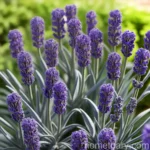
Lavandula angustifolia ‘Betty’s Blue’ (Lavender): A Comprehensive Guide
Lavandula angustifolia ‘Betty’s Blue’ is a stunning herbaceous perennial that belongs to the Lamiaceae family and is renowned for its fragrant, aromatic flowers. This variety of lavender is adored by gardeners and horticulturists alike, not only for its aesthetic appeal but also for its versatile uses, ranging from culinary to medicinal. In this comprehensive guide, we will explore every aspect of Lavandula angustifolia ‘Betty’s Blue’ – from its cultural requirements and growth habits to its potential uses and the challenges it may face. Let’s dive into the enchanting world of lavender and discover the beauty and utility of this remarkable plant.
Key Takeaways
Lavandula angustifolia ‘Betty’s Blue’ (Lavender) is a captivating perennial herb that offers an array of practical and aesthetic benefits. Below are the key takeaways of this guide:
- Cultural Requirements: Understanding the specific requirements of Lavandula angustifolia ‘Betty’s Blue’ for successful growth and development.
- Uses: Exploring the diverse uses of Lavandula angustifolia ‘Betty’s Blue’, including medicinal, culinary, and aromatic applications.
- Challenges: Identifying potential challenges such as diseases and pests that may affect the health of Lavandula angustifolia ‘Betty’s Blue’.
- Propagation and Pruning: Learning about effective propagation techniques and proper pruning methods for maintaining the vitality of the plant.
- Container Gardening: Exploring the potential of growing Lavandula angustifolia ‘Betty’s Blue’ in containers and the associated considerations.
- Botanist’s Tips: Gaining insights and practical tips from botanists for successfully cultivating and caring for Lavandula angustifolia ‘Betty’s Blue’.
- Fun Facts: Discovering interesting and lesser-known facts about Lavandula angustifolia ‘Betty’s Blue’ that add depth to its appeal.
What is Lavandula angustifolia ‘Betty’s Blue’ (Lavender)?
Lavandula angustifolia, commonly known as English lavender, true lavender, or narrow-leaved lavender, is a species of flowering plant in the mint family (Lamiaceae). Lavandula angustifolia ‘Betty’s Blue’ is a variety of this species and is cherished for its compact growth habit, vibrant flowers, and delightful fragrance. As with many lavender varieties, ‘Betty’s Blue’ is renowned for its versatile uses, including ornamental, culinary, medicinal, and aromatic applications.
Culture
Understanding the cultural requirements of Lavandula angustifolia ‘Betty’s Blue’ is essential for ensuring its optimal growth and overall health. The following factors play a crucial role in the successful cultivation of this enchanting lavender variety:
-
Water: Lavandula angustifolia ‘Betty’s Blue’ thrives in well-drained soil and is relatively drought-tolerant once established. While it requires regular watering during its initial establishment phase, it is important to avoid waterlogged conditions, which can lead to root rot. Once mature, the plant is resilient to dry spells and is well-suited to xeriscaping and water-wise gardening practices.
-
Sunlight: Adequate sunlight is essential for the healthy growth and prolific flowering of Lavandula angustifolia ‘Betty’s Blue’. It thrives in full sun exposure, which typically translates to at least 6-8 hours of direct sunlight per day. Insufficient sunlight can result in leggy growth and diminished flower production.
-
Fertilizer: Lavandula angustifolia ‘Betty’s Blue’ generally does not require heavy fertilization. In fact, excessive nitrogen can lead to lush foliage at the expense of floral abundance and fragrance. A balanced, low-nitrogen fertilizer applied sparingly in the spring can support healthy growth without promoting excessive vegetative development.
-
Soil: Well-drained, alkaline to slightly acidic soil is ideal for Lavandula angustifolia ‘Betty’s Blue’. The plant thrives in lean, rocky, or sandy soils with good drainage. Heavy or water-retentive soils should be amended with organic matter or horticultural grit to enhance drainage and prevent waterlogging.
Uses
Lavandula angustifolia ‘Betty’s Blue’ is a multifaceted plant with a wide range of practical and decorative applications. Its diverse uses include the following:
-
Medicinal: Lavender has long been valued for its medicinal properties. Lavandula angustifolia ‘Betty’s Blue’ yields essential oil with calming, stress-relieving, and antiseptic properties. It is used in aromatherapy, herbal remedies, and skincare formulations.
-
Culinary: The fragrant flowers of Lavandula angustifolia ‘Betty’s Blue’ can be used to impart a delicate, floral flavor to sweet and savory dishes. From lavender-infused desserts and beverages to herbal seasoning blends, it adds a unique and aromatic dimension to culinary creations.
-
Aromatic: The captivating scent of Lavandula angustifolia ‘Betty’s Blue’ makes it a popular choice for scented sachets, potpourri, and home fragrance products. Its aromatic qualities also make it a valuable addition to perfumery and body care products.
-
Ornamental: As an ornamental plant, Lavandula angustifolia ‘Betty’s Blue’ contributes beauty and fragrance to gardens, landscapes, and floral arrangements. Its compact growth habit and profusion of lavender-blue flowers make it a delightful addition to borders, cottage gardens, and pollinator-friendly landscapes.
Water
Careful management of irrigation is crucial for the well-being of Lavandula angustifolia ‘Betty’s Blue’. Understanding the plant’s water needs and implementing appropriate watering practices are essential for preventing stress and promoting healthy growth.
Watering Guidelines for Lavandula angustifolia ‘Betty’s Blue’
-
Establishment Phase: Newly planted Lavandula angustifolia ‘Betty’s Blue’ should be watered regularly to support the development of a robust root system. This typically involves providing consistent moisture while avoiding oversaturation.
-
Mature Plants: Once established, Lavandula angustifolia ‘Betty’s Blue’ exhibits good drought tolerance. Watering deeply but infrequently is generally recommended, allowing the soil to dry out slightly between watering intervals.
-
Avoid Waterlogging: Soggy or waterlogged soil can lead to root rot and other detrimental conditions. Ensuring proper drainage and allowing excess water to escape is crucial for preventing water-related issues.
Sunlight
Adequate sunlight is a non-negotiable requirement for the successful cultivation of Lavandula angustifolia ‘Betty’s Blue’. Providing the plant with the right amount of sunlight promotes robust growth, abundant flowering, and enhanced aromatic qualities.
Sun Exposure for Lavandula angustifolia ‘Betty’s Blue’
-
Full Sun: Lavandula angustifolia ‘Betty’s Blue’ thrives in full sun conditions, which typically equate to at least 6-8 hours of direct sunlight per day. Positioning the plant in a sunny, open location is essential for maximizing its growth potential.
-
Importance of Sunlight: Insufficient sunlight can lead to reduced flowering, weak growth, and diminished fragrance in Lavandula angustifolia ‘Betty’s Blue’. Ensuring that the plant receives ample sunlight is crucial for unlocking its full ornamental and aromatic potential.
-
Sun-Related Considerations: In regions with intense summer heat, providing some afternoon shade or partial shading during the hottest part of the day can be beneficial for preventing stress and heat-related damage.
Fertilizer
Applying fertilizer to Lavandula angustifolia ‘Betty’s Blue’ should be approached with care and restraint to avoid stimulating excessive vegetative growth at the expense of floral abundance.
Fertilization Recommendations for Lavandula angustifolia ‘Betty’s Blue’
-
Moderate Approach: Lavandula angustifolia ‘Betty’s Blue’ generally thrives in lean, well-drained soils and does not demand heavy fertilization. A balanced, low-nitrogen fertilizer applied sparingly in the spring can suffice to support its growth and development.
-
Avoid Excess Nitrogen: Excessive nitrogen can lead to lush foliage but may diminish the plant’s flowering capacity and aromatic qualities. Using a fertilizer with a lower nitrogen content and applying it modestly is advisable for promoting balanced growth.
-
Organic Options: Organic fertilizers, such as compost, well-rotted manure, or organic blends specifically formulated for flowering plants, can provide a gentle and sustainable source of nutrients for Lavandula angustifolia ‘Betty’s Blue’.
Soil
The soil composition and structure play a pivotal role in the successful cultivation of Lavandula angustifolia ‘Betty’s Blue’. Understanding the plant’s soil preferences and implementing appropriate soil management practices are crucial for promoting its well-being and longevity.
Ideal Soil Conditions for Lavandula angustifolia ‘Betty’s Blue’
-
Drainage: Lavandula angustifolia ‘Betty’s Blue’ thrives in well-drained soil and is highly intolerant of waterlogged conditions. Ensuring good drainage is essential for preventing root rot and other moisture-related issues.
-
Alkaline to Slightly Acidic pH: Lavandula angustifolia ‘Betty’s Blue’ prefers soil with a slightly alkaline to neutral pH ranging from 6.7 to 7.3. While it can tolerate slightly acidic conditions, excessively acidic soils should be amended to achieve a more suitable pH level.
-
Soil Texture: Lean, rocky, sandy, or gravelly soils with good drainage are well-suited for Lavandula angustifolia ‘Betty’s Blue’. Amending heavy or clay soils with organic matter, horticultural grit, or coarse sand can improve drainage and enhance the soil structure.
Pruning
Proper pruning is essential for maintaining the vigor, shape, and flowering capacity of Lavandula angustifolia ‘Betty’s Blue’. Understanding the principles of pruning and applying appropriate techniques at the right times are crucial for promoting the plant’s health and aesthetics.
Pruning Practices for Lavandula angustifolia ‘Betty’s Blue’
-
Spring Pruning: In early spring, it is advisable to lightly prune Lavandula angustifolia ‘Betty’s Blue’ to remove any dead or damaged stems, as well as to shape the plant for the upcoming growing season.
-
Deadheading: Regular deadheading, which involves the removal of spent flower spikes, can encourage prolonged blooming and prevent the plant from diverting energy into seed production.
-
Post-Flowering Pruning: After the main flowering period, a light pruning can help maintain the plant’s compact form and encourage the development of new growth, which may result in a second flush of flowers.
-
Avoid Overzealous Pruning: Overpruning Lavandula angustifolia ‘Betty’s Blue’ can lead to stress, reduced flowering, and diminished vigor. It is essential to exercise restraint and to focus on selective, targeted pruning for optimal results.
Propagation
The propagation of Lavandula angustifolia ‘Betty’s Blue’ allows gardeners to expand their lavender collection and to rejuvenate existing plants. Understanding effective propagation techniques and choosing the right methods for the desired outcomes are crucial for successful propagation.
Propagation Methods for Lavandula angustifolia ‘Betty’s Blue’
-
Seed Propagation: Growing Lavandula angustifolia ‘Betty’s Blue’ from seeds is a viable but time-consuming method. Sowing seeds indoors in early spring and providing suitable germination conditions can yield new plants for the garden.
-
Cutting Propagation: Propagating Lavandula angustifolia ‘Betty’s Blue’ from stem cuttings is a popular and efficient method for obtaining genetically identical clones. Taking semi-hardwood cuttings in late spring or early summer and providing the right growing conditions can result in successful propagation.
-
Division: Dividing mature clumps of Lavandula angustifolia ‘Betty’s Blue’ allows for the rejuvenation of older plants and the creation of new individual specimens. Dividing the plant in early spring or early autumn can promote healthy growth and vigor.
-
Rooting Hormone: When propagating through stem cuttings, applying a rooting hormone to the cut ends may enhance the root development and overall success rate of the propagation process.
Container Popularity
The allure of container gardening with Lavandula angustifolia ‘Betty’s Blue’ lies in its adaptability to confined spaces, its ornamental value, and its potential to impart fragrance and beauty to patios, balconies, and outdoor living areas.
Advantages of Growing Lavandula angustifolia ‘Betty’s Blue’ in Containers
-
Space Optimization: Container gardening allows individuals with limited space to enjoy the beauty and fragrance of Lavandula angustifolia ‘Betty’s Blue’ on patios, decks, or balconies.
-
Portability: Containers provide the flexibility to move Lavandula angustifolia ‘Betty’s Blue’ to different locations for optimal sunlight exposure or aesthetic arrangements.
-
Seasonal Displays: Containers can be used to create seasonal displays of Lavandula angustifolia ‘Betty’s Blue’, with the option to swap out plantings or decorative elements as per the changing seasons.
-
Gift Ideas: Lavandula angustifolia ‘Betty’s Blue’ in containers makes for delightful and thoughtful gifts, offering recipients a portable and fragrant addition to their living spaces.
Common Diseases
While Lavandula angustifolia ‘Betty’s Blue’ is generally a resilient and low-maintenance plant, it can be susceptible to certain diseases, primarily those related to fungal pathogens and environmental stressors.
Common Diseases Affecting Lavandula angustifolia ‘Betty’s Blue’
-
Fungal Diseases: Lavender may be prone to fungal diseases such as root rot (caused by Phytophthora and other soil-borne pathogens), Botrytis (gray mold), and various leaf spot diseases under conditions of excessive moisture and poor airflow.
-
Environmental Stress: Heat stress, waterlogged soil, and prolonged periods of high humidity can lead to stress-related disorders in Lavandula angustifolia ‘Betty’s Blue’, including wilting, leaf browning, and general decline.
-
Preventative Measures: Preventing excessive moisture, promoting good airflow, and providing optimal cultural conditions can help minimize the risk of diseases and environmental stress affecting Lavandula angustifolia ‘Betty’s Blue’.
Disease Diagnosis
Diagnosing diseases in Lavandula angustifolia ‘Betty’s Blue’ involves a systematic assessment of symptoms, environmental conditions, and cultural practices to identify the underlying causes and to implement targeted management strategies.
Identifying and Addressing Diseases in Lavandula angustifolia ‘Betty’s Blue’
-
Symptom Recognition: Observing symptoms such as leaf spots, wilting, discoloration, and unusual growth patterns can provide valuable clues for disease diagnosis.
-
Environmental Factors: Evaluating the prevailing environmental conditions, including temperature, humidity, and soil moisture levels, can help pinpoint stress-related issues impacting the health of Lavandula angustifolia ‘Betty’s Blue’.
-
Cultural Practices: Reviewing watering routines, soil management, and associated practices can reveal potential discrepancies that may contribute to disease development in Lavandula angustifolia ‘Betty’s Blue’.
-
Consulting Experts: Seeking advice from horticultural professionals, plant pathologists, or local extension services can aid in accurate disease diagnosis and the implementation of effective management strategies.
Common Pests
Lavandula angustifolia ‘Betty’s Blue’ may encounter various pests that can impact its foliage, flowers, and overall vitality. Understanding the common pests and employing suitable control measures are essential for mitigating potential damage.
Pests Affecting Lavandula angustifolia ‘Betty’s Blue’
-
Aphids: These small, sap-feeding insects can cluster on the tender shoots and flower buds of Lavandula angustifolia ‘Betty’s Blue’, leading to distorted growth and the secretion of honeydew.
-
Spider Mites: Infestations of spider mites can cause visible stippling and webbing on the leaves of Lavandula angustifolia ‘Betty’s Blue’, leading to a decline in vigor and aesthetic quality.
-
Whiteflies: These tiny, white-winged insects can congregate on the undersides of leaves, sucking out plant sap and potentially transmitting viral diseases to Lavandula angustifolia ‘Betty’s Blue’.
-
Control Methods: Employing physical removal, insecticidal soaps, neem oil, or other eco-friendly control measures can help manage and reduce pest populations on Lavandula angustifolia ‘Betty’s Blue’.
Botanist’s Tips
Glean practical insights and tips from experienced botanists regarding the successful cultivation and care of Lavandula angustifolia ‘Betty’s Blue’.
Botanist-Approved Tips for Growing Lavandula angustifolia ‘Betty’s Blue’
-
Drainage: Emphasize the importance of well-drained soil and the avoidance of waterlogging to promote the health and longevity of Lavandula angustifolia ‘Betty’s Blue’.
-
Sunlight: Highlight the significance of providing ample sunlight to Lavandula angustifolia ‘Betty’s Blue’ for robust growth, abundant flowering, and enhanced aromatic qualities.
-
Pruning: Stress the value of proper pruning practices in maintaining the shape, vigor, and flowering capacity of Lavandula angustifolia ‘Betty’s Blue’.
-
Cultural Practices: Encourage adherence to sound cultural practices, including judicious watering, suitable soil amendments, and appropriate fertilization for the well-being of Lavandula angustifolia ‘Betty’s Blue’.
-
Diagnosis and Management: Provide guidance on disease and pest recognition, as well as the implementation of proactive measures for addressing potential issues in Lavandula angustifolia ‘Betty’s Blue’.
Fun Facts
Uncover intriguing and delightful facts about Lavandula angustifolia ‘Betty’s Blue’ that add depth to its appeal and allure.
Engaging Facts About Lavandula angustifolia ‘Betty’s Blue’
- Aromatherapy: The essential oil extracted from Lavandula angustifolia ‘Betty’s Blue’ is prized for its calming and stress-relieving properties in aromatherapy and relaxation practices.
- Medicinal History: Lavender, including the ‘Betty’s Blue’ variety, has a rich history of medicinal use, dating back to ancient civilizations, where it was employed for various ailments and therapeutic applications.
- Pollinator Attraction: The fragrant flowers of Lavandula angustifolia ‘Betty’s Blue’ are highly attractive to pollinators, especially bees and butterflies, contributing to the vibrancy and biodiversity of the garden.
- Culinary Delights: The delicate floral flavor of Lavandula angustifolia ‘Betty’s Blue’ flowers lends itself to an array of culinary creations, including desserts, teas, and savory dishes, adding a unique and aromatic twist to