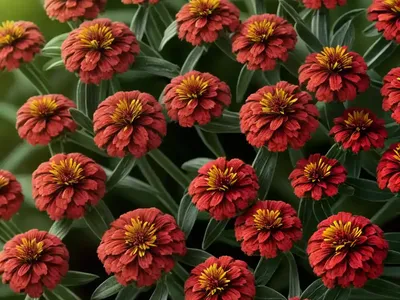
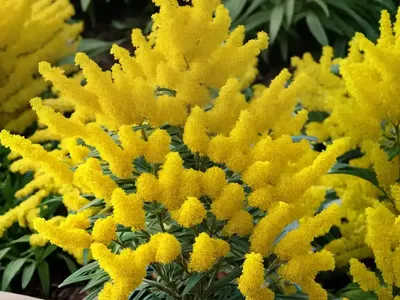
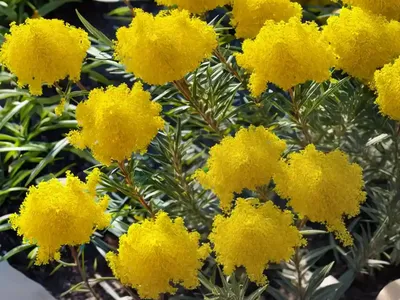
Ligularia ‘King Kong’ (Leopard Plant)
As a dedicated plant scientist, I am thrilled to share a comprehensive guide on Ligularia ‘King Kong’, commonly known as Leopard Plant. This remarkable.
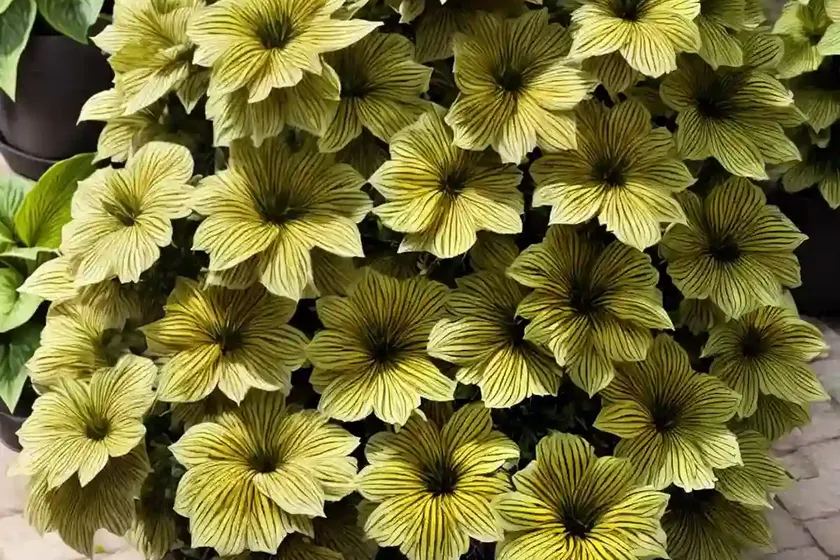
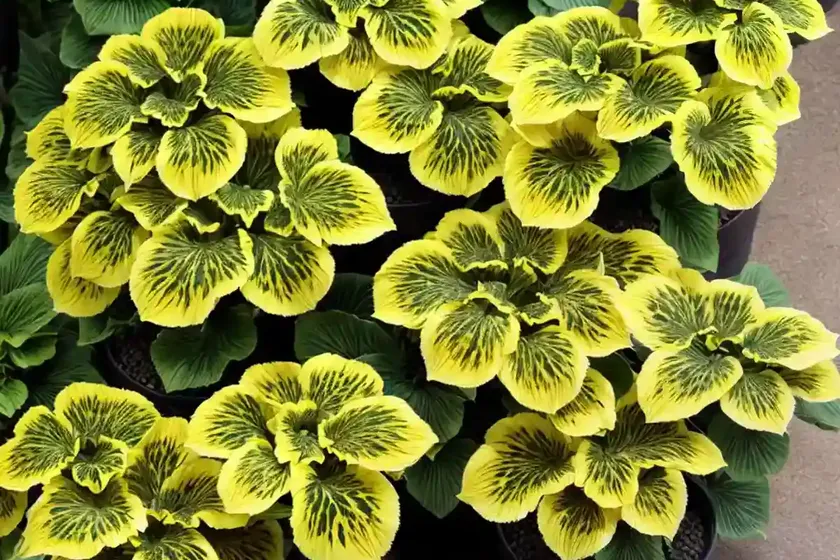
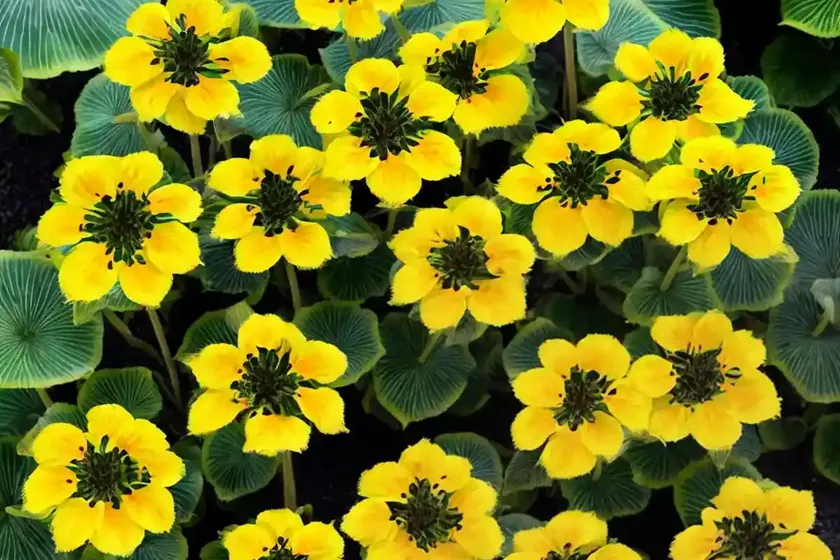
As a dedicated plant scientist, I am thrilled to share a comprehensive guide on Ligularia ‘King Kong’, commonly known as Leopard Plant. This remarkable plant has garnered significant attention for its stunning foliage and unique characteristics. In this guide, we will delve into various aspects of Ligularia ‘King Kong’, including its culture, uses, maintenance, and essential tips for ensuring its optimal growth. Whether you are a seasoned gardener or a novice enthusiast, this detailed guide will equip you with the knowledge to cultivate and appreciate the beauty of this extraordinary plant.
What is Ligularia ‘King Kong’?
Ligularia ‘King Kong’, also referred to as Leopard Plant, is a striking perennial known for its bold foliage and captivating presence in garden landscapes. Belonging to the Asteraceae family, this species is native to East Asia, particularly Japan and Korea. The plant’s botanical name, Ligularia, is derived from the Latin word “ligula,” which means “little tongue,” in reference to the shape of its flower ligules.
Key Takeaways – Ligularia ‘King Kong’ (Leopard Plant)
Before delving into the specifics of Ligularia ‘King Kong’, let’s take a moment to highlight some key takeaways that will provide a comprehensive overview of this exceptional plant.
- Common Name: Leopard Plant, Ligularia ‘King Kong’
- Botanical Name: Ligularia ‘King Kong’
- Plant Type: Perennial
- Foliage: Bold, glossy, leathery
- Flowering Period: Late summer to early fall
- Height: 3-4 feet
- Spread: 2-3 feet
- Hardiness Zones: 4-8
- Sunlight: Partial shade to full shade
- Watering Needs: Moist, well-drained soil
- Soil pH: Neutral to slightly acidic
- Maintenance: Moderate to high
- Uses: Borders, woodland gardens, water features
With these key takeaways in mind, let’s explore the various aspects of Ligularia ‘King Kong’, from its cultural preferences to its unique features and care requirements.
Culture
Cultivating Ligularia ‘King Kong’ requires an understanding of its specific cultural needs, from sunlight and water requirements to soil preferences and maintenance tasks. By comprehensively understanding its cultural requirements, gardeners can ensure that this remarkable plant thrives and flourishes.
Uses
Ligularia ‘King Kong’ serves as an exceptional addition to a variety of garden settings, adding a unique touch to the landscape with its captivating foliage and late-season blooms. Some common uses of this plant include:
- Borders: Its bold foliage and tall presence make it an excellent option for border plantings, where it can create a striking backdrop for smaller perennials or annuals.
- Woodland Gardens: The preference for partial to full shade makes it an ideal choice for woodland or shade gardens, where its large, glossy leaves can add a dynamic visual element.
- Water Features: Given its affinity for moist soil, Ligularia ‘King Kong’ thrives in proximity to water features such as ponds or streams, adding a lush, tropical aesthetic to the surroundings.
Understanding the various uses of Ligularia ‘King Kong’ paves the way for strategic placement within garden designs, accentuating its unique characteristics and visual appeal.
Water
Water is a crucial element in the cultivation of Ligularia ‘King Kong’, as the plant demonstrates a preference for consistently moist soil. Inadequate moisture can lead to stress and diminished growth, highlighting the importance of attentive watering practices.
- Moisture Requirements: Ligularia ‘King Kong’ thrives in consistently moist soil. While it is essential to provide ample moisture, it’s equally crucial to ensure proper drainage to prevent waterlogging, which can lead to root rot and other issues.
Sunlight
Understanding the sunlight preferences of Ligularia ‘King Kong’ is pivotal to its successful cultivation, as it exhibits a strong preference for partial to full shade, particularly in regions with warmer climates.
- Sunlight Preferences: Ligularia ‘King Kong’ thrives in partial to full shade, making it an ideal candidate for woodland gardens or shaded areas of the landscape. In regions with intense sun exposure, providing ample shade is essential to prevent leaf scorch and stress.
Fertilizer
Fertilization plays a significant role in promoting the vigorous growth and overall health of Ligularia ‘King Kong’. Understanding the appropriate fertilization practices is essential for maximizing its ornamental value and ensuring its long-term vitality.
- Fertilization Schedule: Incorporating a balanced, slow-release fertilizer in early spring can provide the necessary nutrients for robust growth and blooming. Additionally, applying a layer of organic mulch around the base of the plant can contribute to moisture retention and gradual nutrient release.
Soil
The soil composition and quality directly impact the overall health and vitality of Ligularia ‘King Kong’. Understanding its soil preferences enables gardeners to create an optimal growing environment for this exceptional plant.
- Soil Type: Ligularia ‘King Kong’ thrives in rich, well-drained soil with a high organic matter content. A loamy or sandy soil texture with good moisture retention is ideal for promoting healthy root development and sustained growth.
- pH Requirements: The plant exhibits a preference for slightly acidic to neutral soil pH, ranging from 6.0 to 7.0. Maintaining an appropriate pH level is crucial for facilitating nutrient uptake and mitigating potential nutrient deficiencies.
Pruning
Pruning is an essential aspect of Ligularia ‘King Kong’ maintenance, contributing to optimal growth, aesthetic appeal, and disease prevention. By implementing appropriate pruning practices, gardeners can ensure the plant’s overall vigor and longevity.
- Pruning Guidelines: Regular removal of spent blooms and damaged foliage can encourage continuous blooming and prevent the accumulation of debris, which can attract pests and diseases. Additionally, a light pruning in early spring can promote a tidy growth habit and enhance the plant’s visual appeal.
Propagation
Propagating Ligularia ‘King Kong’ allows for the expansion of its presence in the landscape and provides an opportunity to share its beauty with fellow gardening enthusiasts. Understanding the propagation methods and best practices is essential for successful reproduction of this remarkable plant.
- Propagation Techniques: Ligularia ‘King Kong’ can be propagated through division or seed sowing. Division is a common and effective method, typically carried out in early spring or early fall to coincide with the plant’s natural growth cycle. Dividing mature clumps enables the creation of new plants, each with the potential to thrive in suitable growing conditions.
Container Popularity
Ligularia ‘King Kong’ has gained popularity as a container plant, offering a captivating foliage display and unique aesthetic appeal in various container gardening settings. Its striking presence, combined with its adaptable nature, makes it an excellent choice for container cultivation.
- Container Selection: When choosing a container for Ligularia ‘King Kong’, opt for a sizable pot with adequate drainage holes to facilitate proper moisture management and root aeration. The container should comfortably accommodate the plant’s mature size while allowing room for root expansion.
Common Diseases
While Ligularia ‘King Kong’ is generally resilient, it may be susceptible to certain diseases under unfavorable growing conditions or environmental stressors. Familiarizing oneself with potential diseases and their associated symptoms is crucial for prompt identification and effective management.
Disease Diagnosis
Timely diagnosis of potential diseases is instrumental in initiating appropriate treatment measures and minimizing the impact on the plant’s health and vitality. Common diseases that may affect Ligularia ‘King Kong’ include:
- Leaf Spot: Symptoms include the development of dark, water-soaked lesions on the foliage, often accompanied by yellowing or browning of affected areas. Fungal pathogens are typically responsible for leaf spot, and prompt intervention with fungicidal treatments may be necessary to prevent further spread.
- Powdery Mildew: The presence of powdery, white patches on the leaves and stems indicates the onset of powdery mildew, a fungal disease that thrives in humid conditions. Implementing cultural practices such as adequate air circulation and reducing humidity levels can mitigate the risk of powdery mildew development.
Common Pests
Ligularia ‘King Kong’ may occasionally encounter pest pressures, necessitating vigilant monitoring and intervention to safeguard its well-being. Familiarizing oneself with potential pests and their characteristic behaviors is instrumental in implementing targeted control measures.
Botanist’s Tips
As a plant scientist deeply passionate about Ligularia ‘King Kong’, I offer the following tips to ensure the successful cultivation and appreciation of this exceptional perennial:
- Ample Moisture: Consistently monitoring and maintaining proper soil moisture is crucial to the plant’s vitality, especially during periods of intense heat or prolonged dry spells.
- Appropriate Shade: Providing adequate shade, particularly in regions with intense sunlight, is essential to prevent leaf scorch and maintain the plant’s overall health.
- Vigilant Monitoring: Regularly inspecting the plant for signs of diseases, pests, or cultural issues allows for timely intervention and mitigates potential risks to its well-being.
Fun Facts
To further enrich your knowledge and appreciation of Ligularia ‘King Kong’, here are some captivating fun facts about this extraordinary plant:
- Habitat Diversity: In its native habitats, Ligularia ‘King Kong’ is commonly found in moist, forested areas, highlighting its inherent affinity for shaded, woodland environments.
- Pollinator Attraction: The striking blooms of Ligularia ‘King Kong attract pollinators such as bees and butterflies, contributing to the ecological diversity and vibrancy of garden landscapes.
- Foliage Aesthetics: The large, leathery leaves of Ligularia ‘King Kong’ create a dramatic visual impact, particularly in shaded settings, where they add depth and textural interest to the garden.
Links to External Resources
To further expand your understanding and appreciation of Ligularia ‘King Kong’, I recommend exploring the following external resources:
- Royal Horticultural Society – Ligularia
- Missouri Botanical Garden – Ligularia stenocephala ‘The Rocket’
- Fine Gardening – Ligularia Dentata ‘Britt-Marie Crawford’
With a deeper understanding of Ligularia ‘King Kong’ and its cultural preferences, maintenance requirements, and unique attributes, you are well-equipped to embark on a rewarding journey of cultivating and nurturing this exceptional perennial. Embrace the beauty of Leopard Plant as it flourishes in your garden, adding a touch of bold elegance and captivating allure to your outdoor sanctuary.