Lathyrus Odoratus ‘White Frills’ (Sweet Pea)
Lathyrus odoratus ‘White Frills’, commonly known as Sweet Pea, is a beautiful flowering plant that is widely adored for its delicate appearance and sweet.
Introduction to Lathyrus odoratus ‘White Frills’
Lathyrus odoratus ‘White Frills’, commonly known as Sweet Pea, is a beautiful flowering plant that is widely adored for its delicate appearance and sweet fragrance. This article will provide a comprehensive overview of this plant, covering its description, characteristics, cultivation, care, propagation, and much more.
What is Lathyrus odoratus ‘White Frills’?
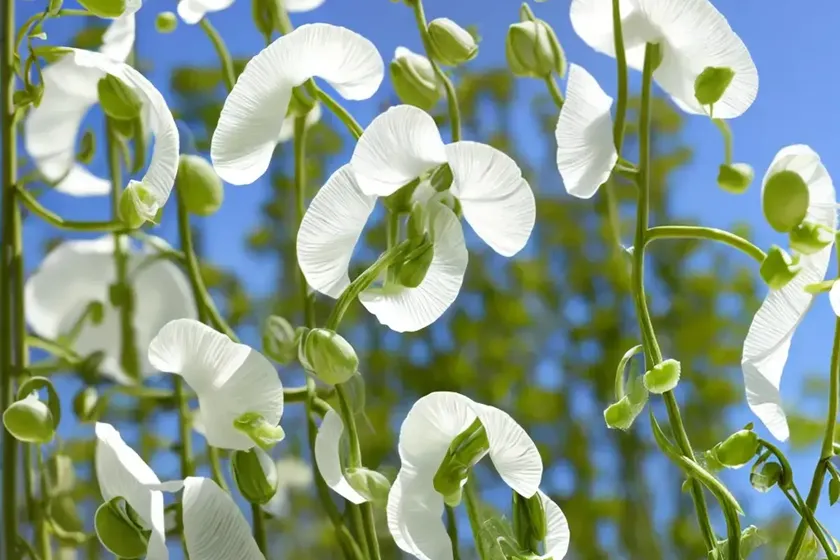
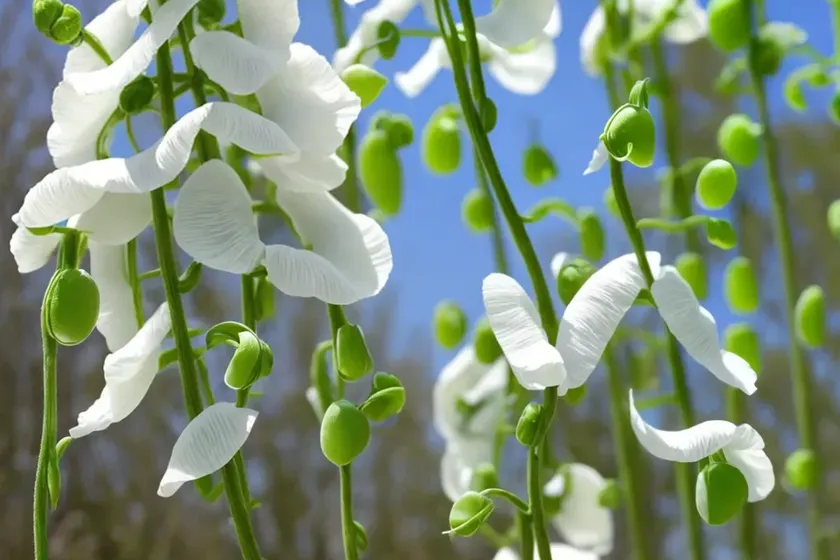
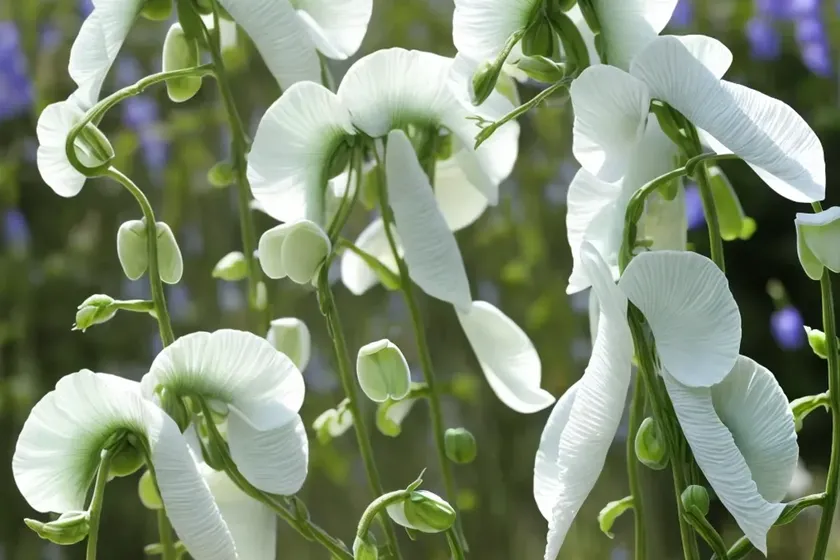
Lathyrus odoratus ‘White Frills’ is a member of the Lathyrus genus and belongs to the Fabaceae family. This plant is characterized by its charming white frilly flowers and lovely fragrance. It is a popular choice for gardeners and flower enthusiasts due to its stunning blooms and enchanting aroma.
Key Takeaways – Lathyrus odoratus ‘White Frills’ (Sweet Pea)
Before we delve into the specific details about the cultivation and care of Lathyrus odoratus ‘White Frills’, let’s take a look at some key takeaways:
- Description: The plant features delicate white frilly flowers and has a sweet fragrance.
- Characteristics: It is known for its charming appearance and delightful scent.
- Growing Lathyrus odoratus ‘White Frills’: Understanding the ideal conditions for successful cultivation.
- Care: Knowing how to properly care for the Sweet Pea ‘White Frills’.
- Planting Guide: Guidelines for planting Lathyrus odoratus ‘White Frills’.
- Varieties: Exploring different varieties of Sweet Pea ‘White Frills’.
- Bloom Time: Understanding the blooming period of Lathyrus odoratus ‘White Frills’.
- Pruning: Essential information regarding the pruning of Sweet Pea ‘White Frills’.
- Propagation: Methods for propagating Lathyrus odoratus ‘White Frills’.
- Seed Saving: Understanding the process of saving seeds from Sweet Pea ‘White Frills’.
These key takeaways will serve as the framework for our exploration of Lathyrus odoratus ‘White Frills’ and will guide us through various aspects of its cultivation and maintenance.
Culture
Uses
The Lathyrus odoratus ‘White Frills’ (Sweet Pea) is primarily cultivated for ornamental purposes. Its enchanting flowers make it a delightful addition to gardens, where it can be used to add charm and fragrance to the surroundings. Additionally, its cut flowers are often utilized in floral arrangements to bring a touch of elegance and freshness to indoor spaces.
Water
Proper watering is crucial for the healthy growth and development of Lathyrus odoratus ‘White Frills’. The plant prefers consistently moist soil, especially during the flowering period. However, it is essential to avoid waterlogged conditions, as excessive moisture can lead to root rot and other detrimental issues. Regular monitoring of soil moisture and adjusting the watering frequency as per the plant’s needs is key to ensuring its well-being.
Sunlight
Sweet Pea ‘White Frills’ thrives in full sunlight or partial shade. When planted in a location with ample sunlight, the plant tends to produce more vibrant blooms and maintains a robust growth pattern. However, it can also tolerate partial shade, making it a versatile choice for various garden settings. Ensuring adequate sunlight exposure is imperative for achieving optimal flowering and overall vitality of the plant.
Fertilizer
Appropriate fertilization is essential for providing Lathyrus odoratus ‘White Frills’ with the nutrients it needs to flourish. A balanced, slow-release fertilizer can be applied during the growing season to support the plant’s growth and blooming capacity. It is advisable to choose a fertilizer specifically formulated for flowering plants to promote abundant and healthy blossoms. Care should be taken to follow the recommended application rates and schedules to prevent over-fertilization, which can negatively impact the plant.
Soil
The preference for well-draining, fertile soil is a defining characteristic of Lathyrus odoratus ‘White Frills’. The plant thrives in soil with good drainage properties, as it helps prevent waterlogging and related issues. A loamy soil type enriched with organic matter is highly suitable for cultivating Sweet Pea ‘White Frills’, as it provides an ideal foundation for robust root development and overall plant health. Regularly amending the soil with compost or organic material can further enhance its quality, creating a favorable environment for the plant.
Pruning
Pruning plays a significant role in maintaining the health and appearance of Lathyrus odoratus ‘White Frills’. Regular removal of spent flowers not only keeps the plant looking tidy but also encourages continuous blooming. Additionally, pruning promotes better air circulation and reduces the risk of disease and pest infestations. Trimming back any unruly growth and maintaining a well-shaped plant structure are also essential aspects of proper pruning practices.
Propagation
The propagation of Sweet Pea ‘White Frills’ can be achieved through various methods, including seed propagation and stem cuttings. Seeds can be collected from mature pods and sown in suitable growing conditions to establish new plants. Stem cuttings can also be utilized to propagate the plant, especially during the growing season when the stems are actively growing. By selecting healthy and vigorous stems, the success rate of propagation through cuttings can be significantly enhanced.
Container Popularity
Lathyrus odoratus ‘White Frills’ is a popular choice for container gardening due to its compact growth habit and captivating flowers. The plant’s suitability for containers makes it an excellent option for individuals with limited garden space or those looking to adorn patios, balconies, or other outdoor areas with its beauty. When selecting a container for Sweet Pea ‘White Frills’, it is important to choose one with adequate drainage holes to prevent waterlogging and ensure proper soil aeration.
Common Diseases
Like all plants, Lathyrus odoratus ‘White Frills’ is susceptible to certain diseases that can affect its health and vigor. Common diseases that may impact this plant include powdery mildew, root rot, and botrytis. It is essential for gardeners to be vigilant and promptly address any signs of disease, as early intervention can prevent the spread of the condition and minimize damage to the plant.
Disease Diagnosis
Accurately diagnosing diseases in Sweet Pea ‘White Frills’ is crucial for implementing effective management strategies. Careful observation of the plant for symptoms such as powdery white patches on leaves (indicative of powdery mildew), discolored or decaying roots (signs of root rot), and the presence of gray mold (a characteristic of botrytis) can aid in diagnosing specific diseases. Seeking guidance from experienced gardeners or plant healthcare professionals can also be valuable in identifying and addressing diseases.
Common Pests
Pests can pose a threat to the well-being of Lathyrus odoratus ‘White Frills’, with aphids, thrips, and spider mites being common adversaries. These pests can cause damage to the plant by feeding on its tissues and sap, leading to stunted growth, distorted foliage, and reduced flowering. Implementing preventive measures and regularly inspecting the plant for pest infestations are essential for early pest detection and effective pest management.
Botanist’s Tips
pH Level
Maintaining a slightly acidic to neutral soil pH level (around 6.0 to 7.0) is beneficial for the optimal growth of Lathyrus odoratus ‘White Frills’. Periodic soil testing and adjustments can help ensure that the plant’s nutritional needs are met and that it can uptake essential nutrients efficiently.
Mulching
Applying a layer of organic mulch around the base of Sweet Pea ‘White Frills’ can offer several benefits, such as moisture retention, weed suppression, and soil insulation. Organic mulches like straw, wood chips, or shredded leaves can be used to create a favorable microclimate around the plant, contributing to its overall health and vigor.
Watering Practices
Watering the plant at the base, avoiding wetting the foliage, can help prevent moisture-related diseases and maintain a healthy growing environment. Additionally, providing consistent moisture while avoiding excess water is crucial for promoting robust growth and flowering in Lathyrus odoratus ‘White Frills’.
Support Structures
As the plant exhibits a trailing habit and tends to climb as it grows, providing suitable support structures, such as trellises or lattice, can help guide its growth and prevent tangling. Supporting the plant as it grows upward can enhance its aesthetic appeal and prevent sprawling.
Regular Inspection
Frequently inspecting the plant for signs of disease, pest infestations, or nutrient deficiencies can aid in addressing potential issues promptly. Timely intervention and proactive care can contribute to the plant’s overall well-being and longevity.
Fun Facts
- The name “Lathyrus” is derived from the Greek word “lathyros,” which refers to a type of pea.
- Sweet Pea ‘White Frills’ is often associated with sentiments of appreciation and delicate pleasure, making it a popular choice for gifts and floral bouquets.
- In the language of flowers, Sweet Pea symbolizes blissful pleasure and gratitude, adding a deeper layer of meaning to its charming blooms.
- Selective breeding has resulted in a wide array of attractive color variations in Sweet Pea flowers, ranging from pastel hues to vibrant shades, further enhancing its ornamental appeal.
Links to External Resources
For further information on Lathyrus odoratus ‘White Frills’ (Sweet Pea), explore the following external resources:
- Royal Horticultural Society – Growing Sweet Peas
- University of Missouri Extension – Soil pH and Plant Nutrients
- Integrated Pest Management – Pest Identification and Management
- American Society for the Prevention of Cruelty to Animals – List of Plants Toxic to Pets
This concludes our in-depth exploration of Lathyrus odoratus ‘White Frills’ (Sweet Pea). By understanding its cultivation, care requirements, and unique characteristics, we can cultivate and appreciate this delightful plant to its fullest potential. Whether adorning gardens, containers, or indoor spaces, the charm and fragrance of Sweet Pea ‘White Frills’ continue to captivate and inspire.


