Lathyrus Odoratus ‘America’ (Sweet Pea)
Lathyrus odoratus ‘America’, commonly known as the Sweet Pea, is a delightful and fragrant flowering plant that has captured the hearts of gardeners and.
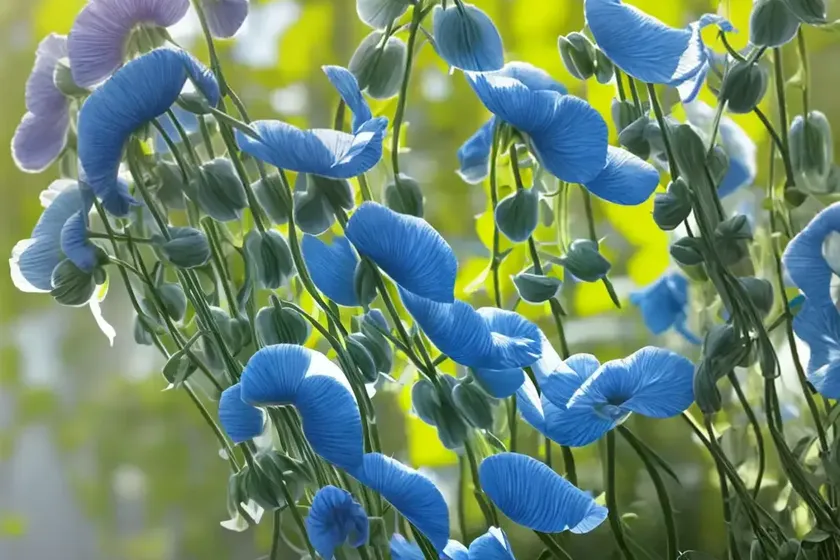
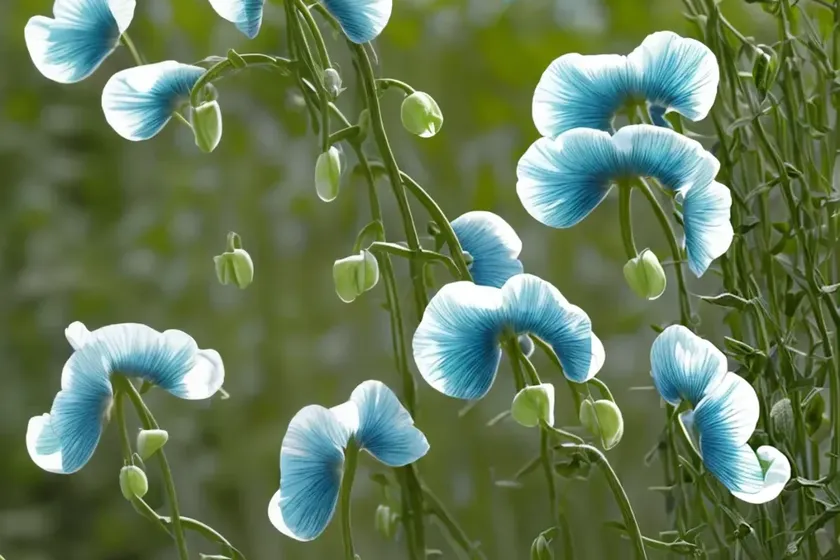
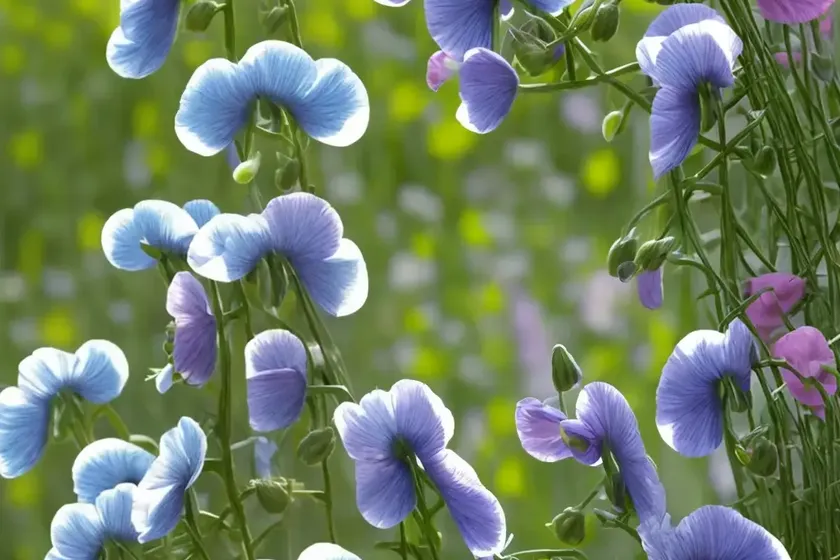
Lathyrus odoratus ‘America’, commonly known as the Sweet Pea, is a delightful and fragrant flowering plant that has captured the hearts of gardeners and plant enthusiasts for centuries. Its charming appearance and enchanting fragrance make it a beloved addition to gardens, providing a burst of vibrant colors and a sweet scent that lingers in the air. In this comprehensive guide, we will delve into the fascinating world of Lathyrus odoratus ‘America’, exploring its culture, uses, care requirements, common diseases, and much more. Whether you are a seasoned gardener or a novice plant lover, this guide will provide valuable insights into the cultivation and appreciation of this beloved plant.
What is Lathyrus odoratus ‘America’ (Sweet Pea)?
Lathyrus odoratus ‘America’, commonly known as Sweet Pea, is a flowering plant that belongs to the Fabaceae family. It is renowned for its delicate, butterfly-like flowers that bloom in an array of enchanting colors, ranging from soft pastels to vibrant hues. The Sweet Pea is celebrated for its intoxicating fragrance, which adds a delightful aroma to gardens and floral arrangements. Native to Sicily, Cyprus, and southern Italy, the Sweet Pea has captivated plant enthusiasts worldwide and holds a cherished place in the world of ornamental horticulture.
Key Takeaways – Lathyrus odoratus ‘America’ (Sweet Pea)
Before delving into the intricate details of Lathyrus odoratus ‘America’, let’s explore some key takeaways about this delightful plant:
- Common Name: Sweet Pea
- Scientific Name: Lathyrus odoratus ‘America’
- Family: Fabaceae
- Fragrance: Known for its captivating and sweet fragrance
- Flower Colors: Available in a wide range of colors, including pink, purple, blue, red, and white
- Cultivation: Widely grown for ornamental purposes in gardens, containers, and floral arrangements
Now that we have a general overview of Lathyrus odoratus ‘America’, let’s delve deeper into its culture, uses, and care requirements.
Culture
Uses
Lathyrus odoratus ‘America’ is primarily cultivated for its ornamental value. Its charming flowers and sweet fragrance make it a popular choice for embellishing gardens, enhancing floral displays, and adding a touch of elegance to outdoor spaces. The flowers of the Sweet Pea are also suitable for cutting, making them a favorite for creating stunning floral arrangements and bouquets.
Water
Proper watering is essential for the healthy growth and blooming of Lathyrus odoratus ‘America’. This plant thrives in moist, well-drained soil and benefits from regular watering, especially during dry periods. However, it is important to avoid overwatering, as excessive moisture can lead to root rot and other potential issues. A balance must be maintained to keep the soil consistently moist but not waterlogged.
Sunlight
Lathyrus odoratus ‘America’ flourishes in partial to full sunlight. It is essential to provide the plant with adequate sunlight to promote robust growth and prolific blooming. When grown in a garden setting, choosing a location with ample sunlight exposure is crucial for the development of healthy and vibrant Sweet Pea plants.
Fertilizer
Fertilizing Sweet Peas can enhance their growth and blooming capabilities. A balanced, all-purpose fertilizer can be applied during the growing season to provide the necessary nutrients for healthy development. It is advisable to follow the instructions on the fertilizer package and apply it as per the recommended dilution and frequency to prevent over-fertilization.
Soil
Lathyrus odoratus ‘America’ thrives in well-drained, fertile soil with a slightly acidic to neutral pH. Incorporating organic matter into the soil can improve its texture and nutrient content, creating an ideal growing environment for the Sweet Pea. Additionally, ensuring good soil aeration and drainage can help prevent waterlogging, which can be detrimental to the plant’s health.
Pruning
Pruning plays a vital role in maintaining the health and appearance of Lathyrus odoratus ‘America’. Regular deadheading of spent flowers can encourage continuous blooming and prevent the plant from expending energy on seed production. Additionally, removing any yellowing or diseased foliage can help enhance the plant’s overall vigor and appearance.
Propagation
Sweet Peas can be propagated from seeds, making them relatively easy to propagate for new plantings. The seeds can be sown directly into the ground or started indoors in containers before transplanting them into the garden. Ensuring proper soil moisture and favorable growing conditions can aid in successful seed germination and establishment.
Container Popularity
Lathyrus odoratus ‘America’ is well-suited for container gardening, making it an excellent choice for individuals with limited gardening space or those looking to add a touch of beauty to patios, balconies, and other small outdoor areas. When grown in containers, the Sweet Pea’s cascading foliage and charming flowers can create a captivating display, adding a touch of natural elegance to urban environments and outdoor living spaces.
Common Diseases and Pest Management
Common Diseases
Sweet Peas are susceptible to certain diseases that can affect their overall health and vitality. Some common diseases that may afflict Lathyrus odoratus ‘America’ include:
- Powdery Mildew: A fungal disease that manifests as a white powdery coating on the foliage, leading to reduced photosynthesis and overall plant vigor.
- Botrytis Blight: This fungal disease can cause browning and wilting of the flowers and foliage, often resulting from excessive moisture and poor air circulation.
- Root Rot: Overly wet or poorly drained soil can contribute to root rot, which presents as yellowing, wilting, and decline in the plant’s health.
Disease Diagnosis
Identifying and diagnosing diseases in Lathyrus odoratus ‘America’ is crucial for implementing timely and effective management strategies. Regular inspection of the plant for unusual symptoms, discoloration, or changes in growth patterns can aid in the early detection of potential diseases. Additionally, consulting with local gardening experts or plant pathologists can help determine the specific disease affecting the plant and guide effective treatment approaches.
Common Pests
While Sweet Peas are relatively resistant to pests, they can still fall prey to certain common garden pests. Some pests that may pose a threat to Lathyrus odoratus ‘America’ include:
- Aphids: These small, sap-sucking insects can cluster on the plant’s tender new growth, causing distortion and stunted growth.
- Spider Mites: These tiny arachnids can infest the foliage, leading to webbing, stippling, and overall decline in plant health.
- Slugs and Snails: These mollusks can feed on the tender leaves and flowers of Sweet Peas, causing visible damage and compromising the plant’s aesthetic appeal.
Botanist’s Tips for Growing Lathyrus odoratus ‘America’
To ensure the successful cultivation of Lathyrus odoratus ‘America’, following these botanist’s tips can be highly beneficial:
- Choose a well-drained, fertile soil with a slightly acidic to neutral pH for optimal growth.
- Provide the plant with adequate sunlight exposure to promote healthy foliage and prolific flowering.
- Implement regular watering practices to maintain consistent soil moisture without overwatering.
- Incorporate organic matter into the soil to enhance its structure and nutrient content.
- Monitor the plant for signs of diseases and pests, taking proactive measures to address any issues promptly.
- Consider incorporating trellises or other support structures to guide the growth of climbing varieties of Sweet Peas.
Fun Facts about Lathyrus odoratus ‘America’
- Sweet Peas are known for their captivating fragrance, which has made them a popular choice for perfumes and scented products.
- The vibrant flowers of Lathyrus odoratus ‘America’ can attract butterflies, hummingbirds, and other pollinators to the garden, contributing to its ecological value.
- The Sweet Pea has a rich and storied history, with its cultivation dating back to the 17th century, making it a cherished heirloom plant with enduring popularity.
Links to External Resources
For further information on Lathyrus odoratus ‘America’ and related topics, consider exploring the following external resources:
- Royal Horticultural Society – Sweet Peas: Planting
- University of Florida IFAS Extension – Sweet Peas for the Home Garden
- American Society for the Prevention of Cruelty to Animals – Toxic and Non-Toxic Plants: Sweet Pea
- National Gardening Association – Growing Sweet Peas
- BBC Gardening Guides – How to grow sweet peas
In conclusion, Lathyrus odoratus ‘America’ (Sweet Pea) stands as a timeless favorite in the world of ornamental horticulture, captivating gardeners with its exquisite flowers and delightful fragrance. By understanding its culture, care requirements, and unique characteristics, plant enthusiasts can cultivate thriving Sweet Pea plants, adding a touch of elegance and natural beauty to their outdoor spaces. Whether grown in gardens, containers, or used in floral arrangements, the Sweet Pea continues to enchant with its timeless allure, making it a cherished addition to any plant lover’s collection.


