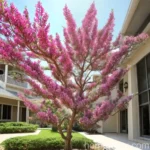
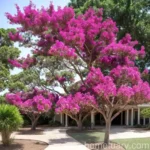
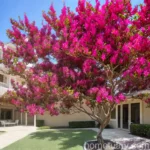
Lagerstroemia ‘Coral Magic’ (Crape Myrtle): The Exquisite Ornamental Plant
What is Lagerstroemia ‘Coral Magic’ (Crape Myrtle)?
Lagerstroemia, commonly known as Crape Myrtle, is a genus of around 50 species of deciduous trees and shrubs renowned for their stunning, long-lasting summer blooms and attractive exfoliating bark. Among its numerous cultivars, ‘Coral Magic’ stands out as a noteworthy variety that has gained popularity due to its exquisite floral display and excellent landscape attributes. With its compact size, beautiful foliage, and vibrant blooms, Lagerstroemia ‘Coral Magic’ has captured the hearts of gardeners and landscapers alike.

Key Takeaways – Lagerstroemia ‘Coral Magic’ (Crape Myrtle)
Before delving into the specifics of Lagerstroemia ‘Coral Magic,’ let’s explore the key takeaways of this captivating plant.
Culture
- Scientific Name: Lagerstroemia ‘Coral Magic’
- Common Name: Crape Myrtle ‘Coral Magic’
- Plant Type: Deciduous tree or shrub
- Mature Height: 10-12 feet
- Mature Spread: 8-10 feet
- Bloom Time: Summer
- Flower Color: Coral pink
- Foliage Color: Green, changing to shades of orange and red in fall
Uses
Lagerstroemia ‘Coral Magic’ finds myriad uses in landscapes, including:
- Accent plant
- Hedge
- Container plant
- Specimen plant
Water
- Watering Needs: Moderate; drought-tolerant once established
- Soil Moisture: Well-drained
Sunlight
- Sun Exposure: Full sun to partial shade
Fertilizer
- Fertilization: Benefits from annual fertilization in spring
Soil
- Soil Type: Well-drained, fertile soil
- Soil pH: Slightly acidic to neutral (pH 5.0-6.5)
Pruning
- Pruning Requirements: Minimal; primarily for shaping and removing dead wood
- Pruning Time: Late winter to early spring
- Pruning Cautions: Avoid excessive pruning to prevent reducing flower production
Propagation
- Propagation Methods: Softwood cuttings
Container Popularity
- Suitable for growing in containers, particularly in smaller varieties
Container Common Diseases
- Potential for root rot in poorly-draining containers
Disease Diagnosis
- Moniliasis (Powdery mildew)
- Cercospora leaf spot
- Downy mildew
Common Pests
- Scale insects
- Aphids
- Spider mites
- Powdery mildew
- Cercospora leaf spot
Botanist’s Tips
- Provide well-drained soil to prevent waterlogged conditions
- Avoid planting too deep, as it can lead to stem rot
- Prune broken or crossing branches to improve airflow
- Regularly monitor and manage pests and diseases
Fun Facts
- The Lagerstroemia genus is named after Swedish merchant Magnus von Lagerström, a benefactor of botany
- Crape Myrtle is the official state shrub of Texas
Now that we have a general overview of Lagerstroemia ‘Coral Magic’ and its characteristics, let’s explore each aspect in more detail.
Water
Lagerstroemia ‘Coral Magic’ thrives in moderately moist, well-drained soil. While it appreciates regular watering, it exhibits considerable drought tolerance once established. Watering deeply on a regular basis during its initial establishment phase aids in developing a robust root system, increasing its resilience during dry periods. It is important to avoid waterlogged conditions, which can lead to root rot and other detrimental soil-borne diseases.
Sunlight
One of the key factors contributing to the exceptional floral display of Lagerstroemia ‘Coral Magic’ is its preference for full sun. Placing it in a location where it receives at least 6-8 hours of direct sunlight per day promotes healthy growth and abundant flowering. While it can tolerate partial shade, abundant sunlight is crucial for the plant to achieve its full blooming potential.
Fertilizer
Annual fertilization in early spring contributes to the optimal growth and flowering of Lagerstroemia ‘Coral Magic.’ A balanced, slow-release fertilizer formulated for flowering plants or specifically for Crape Myrtles is recommended. Application rates should follow the guidelines provided on the fertilizer packaging, and it is advisable to refrain from over-fertilization, as excessive nitrogen can encourage vegetative growth at the expense of flowering.
Soil
Lagerstroemia ‘Coral Magic’ thrives in well-drained, fertile soil with a slightly acidic to neutral pH range of 5.0-6.5. When planting, it is beneficial to amend the soil with organic matter such as compost or peat moss to improve its structure and fertility. Additionally, maintaining a layer of organic mulch around the base of the plant aids in moisture retention and contributes to the overall health of the soil ecosystem.
Pruning
Pruning requirements for Lagerstroemia ‘Coral Magic’ are minimal, primarily focusing on shaping the plant and removing dead or damaged wood. Late winter to early spring is the optimal time for pruning, allowing for the formation of new growth and flower buds. It is important to exercise caution when pruning to avoid excessive removal of branches, as this can lead to diminished flower production. Regularly removing broken, weak, or crossing branches contributes to the plant’s overall vigor and aesthetic appeal.
Propagation
Softwood cuttings offer a reliable method for propagating Lagerstroemia ‘Coral Magic.’ Typically performed in early summer, this technique involves taking 4-6 inch cuttings from new growth and planting them in a well-draining propagation medium. Providing consistent moisture and a warm, protected environment facilitates the rooting process, resulting in new plants with genetic characteristics identical to the parent plant.
Container Popularity
Lagerstroemia ‘Coral Magic’ is well-suited for container cultivation, particularly in smaller varieties that accommodate limited space. When growing in containers, it is essential to select a well-draining potting mix and ensure adequate drainage to prevent waterlogging, which can compromise the plant’s health. Container-grown Crape Myrtles can be positioned on patios, balconies, or other outdoor living areas, adding vibrant color and ornamental appeal to the space.
Container Common Diseases
While container cultivation offers numerous benefits, it is essential to remain attentive to potential issues that may arise. One common concern for plants grown in containers is the risk of root rot in poorly-draining pots. Selecting appropriately sized containers with sufficient drainage holes and employing a suitable potting mix contributes to the overall health and vitality of container-grown Lagerstroemia ‘Coral Magic.’
Continued vigilance for signs of stress, disease, or pest infestations is crucial when maintaining plants in containers. Regularly assessing the plant’s overall condition, including foliage appearance, soil moisture, and pest activity, enables proactive management to address any emerging concerns promptly.
Disease Diagnosis
Like many ornamental plants, Lagerstroemia ‘Coral Magic’ is susceptible to certain diseases, including:
Moniliasis (Powdery Mildew)
Powdery mildew, caused by fungal pathogens, can manifest as a white, powdery coating on the leaves and young shoots of Crape Myrtles. This disease thrives in warm, humid conditions and can impact the aesthetic appeal and overall health of the plant. Fungicidal treatments and environmental modifications, such as improving airflow and reducing humidity, aid in managing and preventing powdery mildew.
Cercospora Leaf Spot
Cercospora leaf spot, caused by the fungal pathogen Cercospora, appears as dark, irregularly shaped spots on the foliage of Crape Myrtles. As the disease progresses, the spots may enlarge and coalesce, leading to decreased photosynthetic capacity and potential defoliation. Implementing cultural practices, such as proper sanitation and avoiding overhead watering, contributes to disease prevention. Additionally, fungicidal treatments may be warranted in severe cases.
Downy Mildew
Downy mildew, caused by various oomycete pathogens, can affect the foliage of Lagerstroemia ‘Coral Magic,’ leading to the development of yellow, angular lesions on the leaves. Over time, the affected tissues may become necrotic, potentially impacting the plant’s overall vigor. Managing downy mildew involves maintaining proper air circulation and utilizing fungicidal treatments if warranted by the severity of the infection.
Common Pests
In addition to diseases, Lagerstroemia ‘Coral Magic’ may encounter various pests that can impact its health and appearance. Being familiar with common pests and understanding their management is essential for maintaining the plant’s vitality. Some prevalent pests that may affect Crape Myrtles include:
Scale Insects
Scale insects, characterized by their protective waxy covering, can infest the stems and foliage of Lagerstroemia ‘Coral Magic.’ These sap-feeding pests can lead to reduced vigor, yellowing of leaves, and the development of sooty mold. Implementing horticultural oils or insecticidal soaps at the appropriate timing aids in managing scale insect populations.
Aphids
Aphids, small sap-sucking insects, can congregate on the undersides of foliage, causing deformation and yellowing of leaves. They also excrete honeydew, promoting the growth of sooty mold. Natural predators, such as ladybugs and lacewings, offer biological control options for managing aphids. Additionally, applications of insecticidal soap or horticultural oils provide effective management of aphid populations.
Spider Mites
Spider mites, diminutive arachnids, can inflict damage on the foliage of Lagerstroemia ‘Coral Magic’ by piercing plant cells and withdrawing sap. The presence of spider mites often results in stippled, discolored foliage and fine webbing on the plant. Utilizing horticultural oils or insecticidal soaps, combined with practices to enhance humidity and reduce dust accumulation, assists in managing spider mite infestations.
Powdery Mildew
As discussed earlier, powdery mildew can compromise the overall health and aesthetic appeal of Lagerstroemia ‘Coral Magic.’ Implementing preventative fungicidal treatments and modifying the plant’s environment to reduce humidity and improve airflow contribute to successful management of powdery mildew.
Cercospora Leaf Spot
Cercospora leaf spot, characterized by its distinct leaf lesions, can create unsightly foliage and impact the plant’s overall health. Sanitation practices, such as removing and disposing of infected leaves, combined with appropriate fungicidal treatments, are instrumental in managing Cercospora leaf spot.
With proactive monitoring and prompt intervention, it is possible to mitigate the impact of pests and diseases on Lagerstroemia ‘Coral Magic,’ reinforcing the plant’s vitality and ornamental value.
Botanist’s Tips
In addition to the specific care requirements and interventions mentioned above, here are some additional tips to promote the health and vigor of Lagerstroemia ‘Coral Magic’:
- Provide Well-Drained Soil: Ensuring proper drainage is essential for preventing waterlogged conditions, which can compromise the root system’s health.
- Avoid Planting Too Deep: Position the plant at the appropriate depth, ensuring that the root flare is visible and not buried, which can lead to stem rot and other issues.
- Prune Wisely: Exercise caution during pruning, avoiding excessive removal of branches to preserve the plant’s natural form and maximize flower production.
- Monitor Pest and Disease Activity: Regularly inspect the plant for signs of pests and diseases, intervening promptly to prevent detrimental impacts.
- Promote Air Circulation: By spacing plants appropriately and removing any excessively dense growth, airflow is enhanced, reducing the risk of certain diseases.
Fun Facts
Beyond its remarkable ornamental attributes, learning about the cultural and historical significance of plants can deepen our appreciation for their presence in our landscapes. Here are a few fun facts about Lagerstroemia ‘Coral Magic’ and Crape Myrtles in general:
- Symbolism: In addition to their horticultural appeal, Crape Myrtles have cultural significance in some regions, symbolizing love, good luck, and longevity.
- Diversity: The Lagerstroemia genus encompasses a diverse array of species and cultivars, offering a wide range of sizes, colors, and growth habits.
- Heritage: Crape Myrtles have a storied heritage, with some cultivars tracing their origins to diverse geographical regions, contributing to their rich genetic diversity.
- Economic Impact: Beyond their aesthetic appeal, Crape Myrtles contribute to the horticultural industry and local economies through nursery production, landscaping, and tourism.
Links to External Resources
For further exploration of Lagerstroemia ‘Coral Magic’ and related topics, the following external resources provide valuable insights and guidance:
-
American Society for the Prevention of Cruelty to Animals (ASPCA) – An essential resource for learning about plants that are toxic to pets, including potential risks associated with Crape Myrtles.
-
The Crape Myrtle Trails of McKinney – A community organization dedicated to promoting the beauty and knowledge of Crape Myrtles, offering a wealth of information on Crape Myrtle cultivation and landscape uses.
-
The National Gardening Association – A hub for gardening enthusiasts, providing a wide range of articles, resources, and forums on Crape Myrtles and ornamental plant cultivation.
-
The American Horticultural Society – A respected authority on horticultural knowledge, offering publications, courses, and events that encompass diverse aspects of plant care and cultivation, including Crape Myrtles.
-
United States Department of Agriculture (USDA) Plant Hardiness Zone Map – A valuable tool for determining the suitable hardiness zones for growing Crape Myrtles and assessing their adaptability to specific regions.
-
The Morton Arboretum – A renowned botanical garden and research institution, providing comprehensive information on woody plants, including Lagerstroemia ‘Coral Magic,’ and best practices for their cultivation.
Drawing insights from these external resources enhances our understanding of Lagerstroemia ‘Coral Magic’ and its place in the larger horticultural landscape.
In conclusion, Lagerstroemia ‘Coral Magic’ epitomizes the allure of ornamental plants, combining vibrant floral beauty with enduring landscape value. Understanding its cultural requirements, growth habits, and potential challenges equips gardeners and landscapers with the knowledge needed to cultivate and appreciate this exceptional variety. By embracing the distinctive attributes and care considerations of Lagerstroemia ‘Coral Magic,’ we enrich our horticultural experiences and contribute to the visual splendor of our outdoor environments.
Whether embraced as a focal point in a garden bed, an elegant container specimen, or a vibrant component of a larger landscape composition, Lagerstroemia ‘Coral Magic’ embodies the timeless charm and enduring appeal of ornamental plants. As we cultivate and cherish this captivating variety, we perpetuate the legacy of botanical diversity and ornamental exquisiteness in our natural surroundings.
This comprehensive guide provides a detailed exploration of Lagerstroemia ‘Coral Magic’ (Crape Myrtle) and its attributes, offering insights into its cultural requirements, uses, potential challenges, and enriching trivia. By embracing the distinctive attributes and care considerations of Lagerstroemia ‘Coral Magic,’ gardeners and enthusiasts can deepen their appreciation for this captivating plant and enhance its presence in diverse landscapes.
Note: The content presented in this blog post is for informational purposes only and should not be considered as professional horticultural or botanical advice. Specific plant care and cultivation practices may vary based on regional climatic conditions, soil characteristics, and individual plant health.
Images provided courtesy of Pixabay.