Gypsophila Elegans (Annual Baby’s Breath)
Gypsophila elegans, commonly known as Annual Baby’s Breath, is an exquisite flowering plant that has gained popularity in gardens, landscapes, and floral.
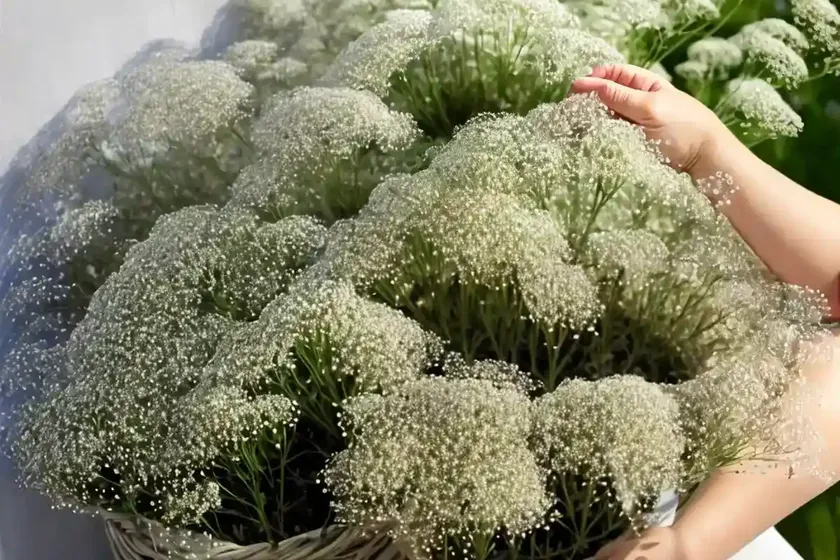
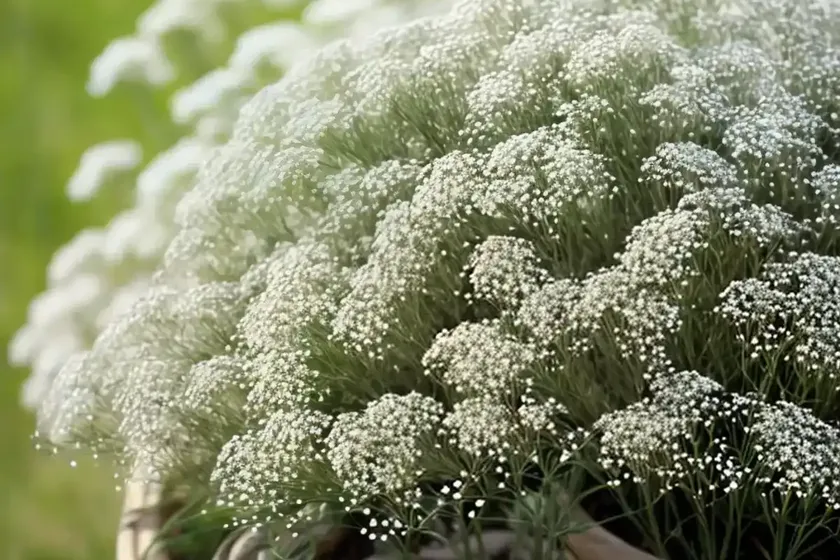
Gypsophila elegans, commonly known as Annual Baby’s Breath, is an exquisite flowering plant that has gained popularity in gardens, landscapes, and floral arrangements. As a plant scientist with a research focus on ornamental plants, I am excited to share a comprehensive guide for cultivating and caring for Gypsophila elegans. This guide covers everything from its cultural preferences and propagation methods to its uses, common diseases, and fun facts. Whether you’re a seasoned gardener or someone just starting their horticultural journey, this guide will provide valuable insights into nurturing this delicate and charming plant.
What is Gypsophila elegans (Annual Baby’s Breath)?
Before delving into the specifics of caring for Annual Baby’s Breath, it’s essential to understand the plant’s botanical characteristics and origins. Gypsophila elegans is a species of flowering plant in the family Caryophyllaceae, which is native to the Mediterranean region. It is an annual plant, meaning it completes its life cycle within a year, and is renowned for its delicate, airy clusters of small flowers.
Key Takeaways – Gypsophila elegans (Annual Baby’s Breath)
To provide a comprehensive understanding of Gypsophila elegans, let’s explore the key takeaways associated with this fascinating plant.
- Scientific Name: Gypsophila elegans
- Common Name: Annual Baby’s Breath
- Plant Type: Annual flowering plant
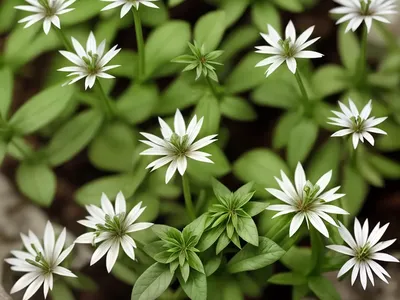
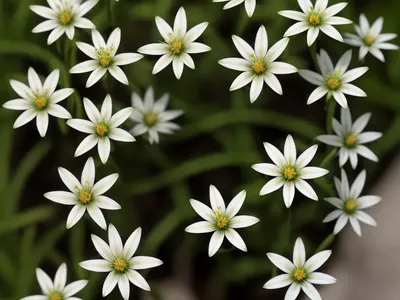
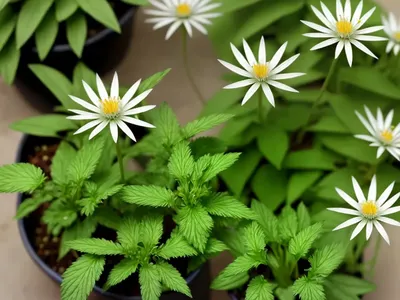
- Flower Characteristics: Clusters of small, delicate white or pink flowers
- Landscaping Uses: Borders, rock gardens, cottage gardens, floral arrangements
- Cultural Preferences: Well-drained soil, full sunlight, moderate watering
- Popularity: Widely used in cut flower arrangements and garden designs
- Propagation: Seeds
- Challenges: Susceptible to certain diseases and pests
With these key points in mind, let’s dive into the details of cultivating and caring for Gypsophila elegans.
Culture
Uses
Annual Baby’s Breath, with its ethereal and dainty appearance, serves various purposes in horticulture and floristry. Its common uses include:
- Floral Arrangements: Gypsophila elegans is a staple in floral arrangements, adding texture, volume, and a delicate touch to bouquets, centerpieces, and other floral displays.
- Garden Design: In garden landscapes, Annual Baby’s Breath is commonly used in border plantings, rock gardens, cottage gardens, and as a filler plant in mixed perennial beds.
Water
Watering Requirements
Maintaining an optimal watering regimen is critical for the health and vigor of Gypsophila elegans. Here are some essential watering tips to keep in mind:
- Moderate Moisture: While Annual Baby’s Breath appreciates consistent soil moisture, it’s important to avoid waterlogged conditions, as this can lead to root rot and other moisture-related issues.
- Checking Soil Moisture: Regularly check the moisture level of the soil around the plant. Water deeply when the top inch of the soil feels dry to the touch.
- Avoid Overhead Watering: When irrigating Annual Baby’s Breath, aim to water at the base of the plant to prevent water from accumulating on the delicate flowers and foliage.
Sunlight
Sunlight Preferences
As a sun-loving plant, Gypsophila elegans thrives in bright, full sunlight conditions. When considering its sunlight preferences:
- Full Sun Exposure: Plant Annual Baby’s Breath in a location that receives at least 6-8 hours of direct sunlight each day for optimal growth and flower production.
- Shade Tolerance: While Gypsophila elegans prefers full sun, it can tolerate some light shade, particularly in regions with intense afternoon sun or during exceptionally hot periods.
Fertilizer
Soil Nutrition
Appropriate nourishment is crucial for the development of healthy, robust foliage and prolific flowering in Gypsophila elegans. Consider the following fertilizer recommendations:
- Balanced Fertilizer: Use a balanced, all-purpose fertilizer with equal N-P-K (nitrogen, phosphorus, and potassium) proportions to provide essential nutrients for the plant’s growth.
- Application Frequency: Apply fertilizer to Annual Baby’s Breath in early spring as new growth emerges. Additionally, a supplemental application in midsummer can support continuous flowering.
- Avoid Excessive Fertilization: Over-fertilizing Gypsophila elegans can lead to excessive foliage growth at the expense of flower production. Follow the recommended application rates and avoid applying fertilizer directly to the plant’s foliage to prevent burn.
Soil
Soil Requirements
A well-drained and moderately fertile soil is ideal for cultivating Gypsophila elegans. Consider the following soil recommendations for optimal plant health:
- Well-Draining Soil: Annual Baby’s Breath flourishes in soil with good drainage, preventing water stagnation around the roots.
- Soil pH: While Gypsophila elegans is adaptable to a range of soil pH levels, a slightly acidic to neutral pH (6.0-7.0) is optimal for nutrient uptake and overall plant vitality.
- Soil Amendment: Incorporating organic matter such as compost or well-rotted manure into the soil prior to planting can enhance its structure and fertility, supporting the growth of Annual Baby’s Breath.
Pruning
Pruning Techniques
Pruning plays a vital role in shaping the growth and maintaining the appearance of Gypsophila elegans. When approaching pruning:
- Deadheading: Regularly remove spent flowers by deadheading to encourage continuous blooming and prevent self-seeding.
- Stem Trimming: Trim back any excessively long or leggy stems to promote a more compact and bushy growth habit.
- Pruning Timing: Perform pruning and deadheading throughout the growing season, focusing on removing faded flowers and shaping the plant’s overall form.
Propagation
Propagation Methods
Gypsophila elegans can be propagated through various methods, allowing for the expansion of plantings and the creation of new individuals. Consider the following propagation options:
- Seed Propagation: Annual Baby’s Breath is commonly propagated from seeds, which can be sown directly in the garden or started indoors for later transplanting.
- Division: While less commonly practiced, Gypsophila elegans can also be propagated through division, particularly with established clumps of the plant.
Container Popularity
Container Gardening with Annual Baby’s Breath
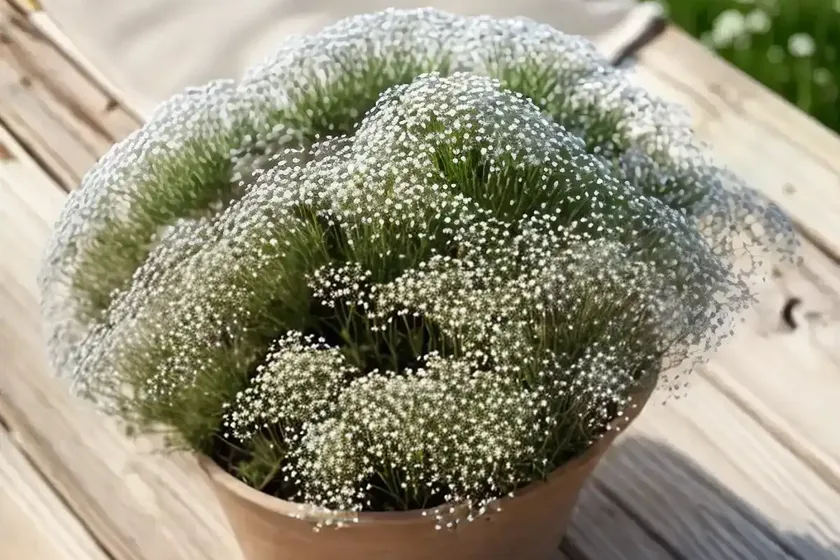
The delicate beauty of Gypsophila elegans makes it a popular choice for container gardening, offering versatility and charm in various settings. Here are some considerations for cultivating Annual Baby’s Breath in containers:
- Container Selection: Choose a container with adequate drainage holes and sufficient depth to accommodate the plant’s root system.
- Growing Medium: Use a well-draining potting mix formulated for flowering plants to provide the necessary aeration and moisture control.
- Placement: Position the container in a location that receives ample sunlight, ensuring that the plant can thrive and bloom successfully.
Common Diseases
Disease Diagnosis
While Gypsophila elegans is generally resilient, it can be susceptible to certain diseases that may impact its growth and vitality. Common diseases to watch for include:
- Powdery Mildew: Characterized by a white, powdery coating on the leaves, powdery mildew can affect Annual Baby’s Breath, particularly in humid or poorly ventilated conditions.
- Root Rot: Excessive soil moisture and poor drainage can lead to root rot, causing the plant to wilt and decline in health.
- Botrytis Blight: In damp or humid environments, botrytis blight can appear as gray mold on the foliage and flowers of Gypsophila elegans.
Common Pests
Pest Control
While Annual Baby’s Breath is relatively pest-resistant, it can occasionally face challenges from certain pests. Common pests to monitor and manage include:
- Aphids: These small, sap-feeding insects can cluster on the tender growth of Gypsophila elegans, causing distortions and stunted development.
- Spider Mites: In hot, dry conditions, spider mites may infest Annual Baby’s Breath, leading to stippled, discolored foliage and diminished plant vigor.
- Whiteflies: Whiteflies can congregate on the undersides of the plant’s leaves, sapping nutrients and causing general decline if populations become significant.
Botanist’s Tips
Tips for Successful Gypsophila elegans Cultivation
Drawing on my expertise as a plant scientist specializing in ornamental plants, here are some expert tips for cultivating and caring for Gypsophila elegans:
- Well-Drained Soil: Ensure that the soil is well-drained to prevent waterlogged conditions and maintain healthy root systems.
- Consistent Moisture: While avoiding overwatering, strive to provide consistent moisture to encourage robust growth and flowering.
- Air Circulation: Promote good air circulation around the plant to reduce the risk of foliar diseases such as powdery mildew.
- Deadheading: Regular deadheading will promote prolonged blooming and prevent the plant from redirecting energy into seed production.
Fun Facts
Intriguing Tidbits about Annual Baby’s Breath
As we explore the world of Gypsophila elegans, consider these fascinating and engaging fun facts about the plant:
- Symbolism: In the language of flowers, Baby’s Breath is often associated with purity, innocence, and everlasting love, making it a popular choice for wedding bouquets and ceremonial decorations.
- Native Range: While Gypsophila elegans is widespread as an ornamental plant, its wild relatives can be found growing in the rocky, arid landscapes of the Mediterranean region.
- Dried Flowers: When dried, the delicate flowers of Annual Baby’s Breath retain their airy appearance and can be used in dried floral arrangements, wreaths, and crafts.
Links to External Resources
For further exploration and insights into Gypsophila elegans, I recommend consulting the following resources:
- Royal Horticultural Society (RHS): Gypsophila elegans Growing Guide
- University of Florida IFAS Extension: Baby’s Breath for Cut Flowers
- Missouri Botanical Garden: Gypsophila elegans Plant Profile
I hope this comprehensive guide has provided valuable insights and practical tips for successfully cultivating Gypsophila elegans. Whether you’re captivated by its charm in floral arrangements or are considering incorporating it into your garden, the ethereal beauty of Annual Baby’s Breath adds a touch of elegance to any landscape or arrangement. Happy gardening!
In crafting this comprehensive guide to Gypsophila elegans (Annual Baby’s Breath), I have endeavored to cover a wide range of topics related to the cultivation, care, and unique characteristics of this delicate and enchanting plant. From its cultural preferences to its uses in landscaping, I trust that this guide will serve as a valuable resource for both novice and experienced gardeners seeking to enhance their horticultural knowledge and appreciation. If you have any further questions or require additional insights into the world of ornamental plants, please feel free to reach out.
References:
1. Royal Horticultural Society (RHS): Gypsophila elegans Growing Guide
2. University of Florida IFAS Extension: Baby’s Breath for Cut Flowers
3. Missouri Botanical Garden: Gypsophila elegans Plant Profile