Lady’s Mantle (Alchemilla Mollis)
As a plant scientist with a keen interest in horticulture and botany, I find immense joy in exploring the fascinating world of plants, understanding their.
As a plant scientist with a keen interest in horticulture and botany, I find immense joy in exploring the fascinating world of plants, understanding their characteristics, and contributing to their cultivation and care. In this comprehensive guide, I aim to delve into the various aspects of Lady’s Mantle (Alchemilla mollis), a plant that has captivated the interest of garden enthusiasts, herbalists, and researchers alike. This perennial herbaceous plant, known for its delicate foliage and captivating flowers, holds a special place in the world of gardening, landscaping, and traditional herbal medicine.
What is Lady’s Mantle (Alchemilla mollis)?
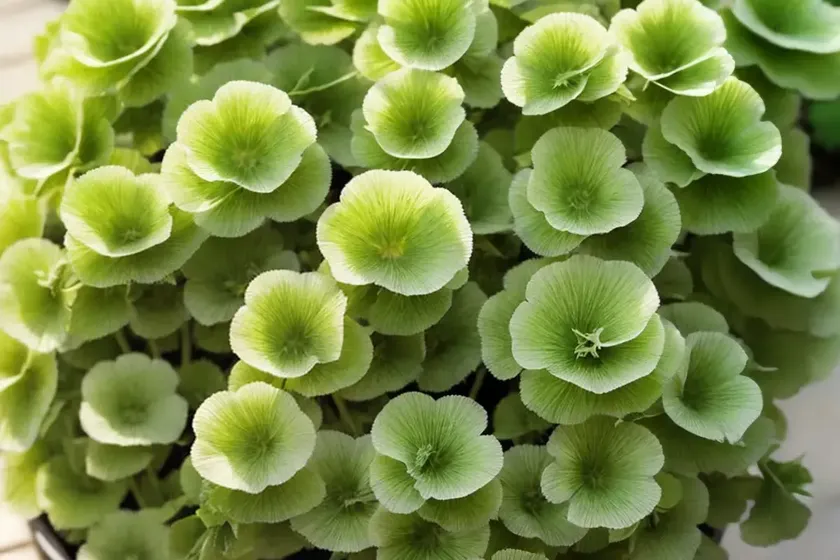
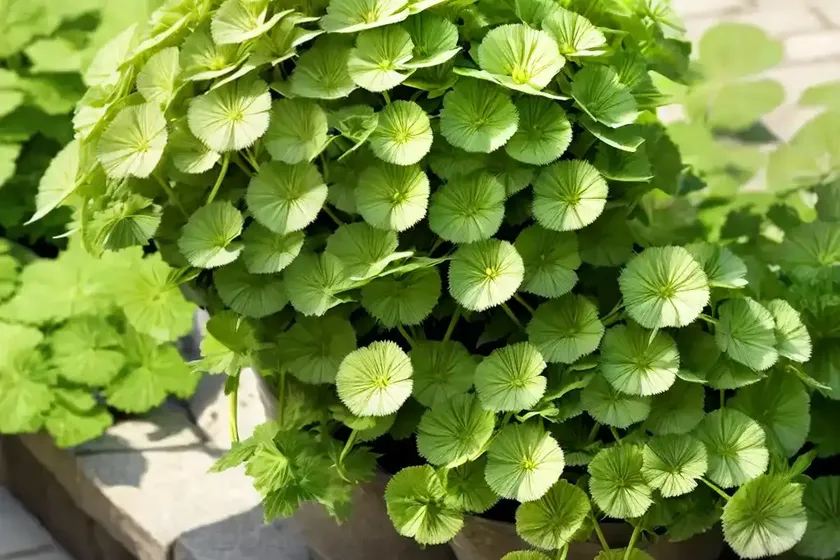
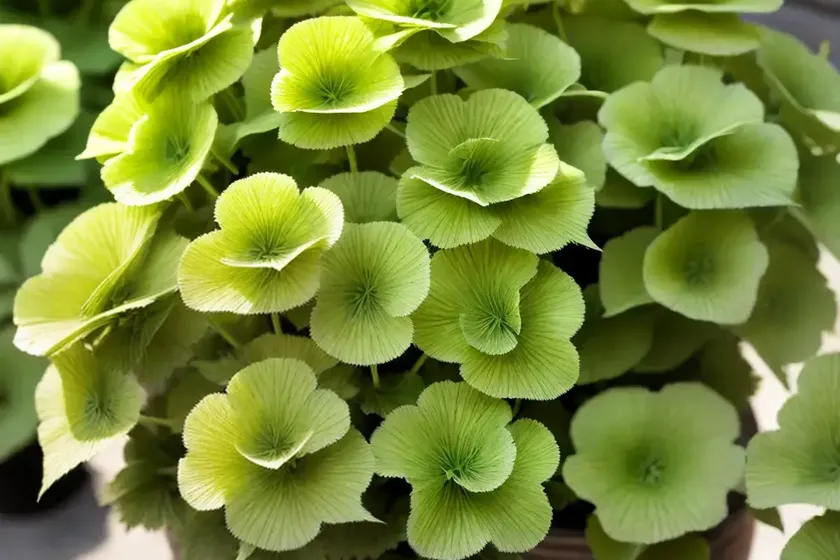
As its name suggests, Lady’s Mantle is an elegant and graceful perennial plant belonging to the Alchemilla genus. The species name “mollis” refers to the soft and velvety texture of the plant’s leaves, adding to its allure and appeal for gardeners and nature enthusiasts. Lady’s Mantle is characterized by its distinctive bluntly lobed, scalloped, and pleated leaves that collect dew drops, adding a touch of ethereal beauty to the garden in the early morning hours.
Key Takeaways – Lady’s Mantle (Alchemilla mollis)
Before we delve into the specific aspects of cultivating and caring for Lady’s Mantle, let’s highlight some key takeaways to set the stage for our in-depth exploration.
- Plant Name: Lady’s Mantle (Alchemilla mollis)
- Family: Rosaceae
- Genus: Alchemilla
- Species: Mollis
- Common Names: Lady’s Mantle, Lion’s Foot, Bear’s Foot, Nine Hooks
- Plant Type: Herbaceous perennial
- Hardiness Zones: 3-8
- Height: 12-18 inches
- Spread: 18-24 inches
- Bloom Time: Late spring to early summer
- Flower Color: Yellow-green
- Sun Exposure: Full sun to part shade
- Soil Requirements: Well-draining, fertile soil
- Watering Needs: Moderate
- Uses: Garden ornamental, herbal remedy, groundcover
Now, let’s embark on a journey to understand the nuances of cultivating and caring for Lady’s Mantle to ensure its optimal growth and aesthetic appeal.
Culture
Cultivating Lady’s Mantle involves understanding the plant’s cultural preferences, including its water, sunlight, soil, and fertilizer requirements, to create an environment conducive to its well-being.
Uses
Garden Ornamental
Lady’s Mantle is valued for its ornamental qualities, adding a touch of elegance and charm to landscapes, gardens, and borders. Its delicate foliage and dainty flowers make it a sought-after plant for creating visually appealing garden spaces.
Herbal Remedy
Beyond its ornamental value, Lady’s Mantle is also known for its traditional medicinal uses. Herbalists have long revered the plant for its purported medicinal properties, using it to prepare herbal remedies for various ailments. We’ll explore its medicinal properties in more detail in a later section.
Groundcover
The spreading nature of Lady’s Mantle makes it an excellent choice for groundcover in shaded areas of the garden. Its ability to form dense mats of foliage adds both beauty and functionality to garden spaces.
Water
Lady’s Mantle typically prefers moderate moisture levels, making it well-suited for environments with consistent, but not excessive, watering. In regions with hot summers, providing regular water is essential to support the plant’s growth and overall health.
Sunlight
Lady’s Mantle exhibits great adaptability when it comes to sunlight preferences. While it thrives in partial shade, it can also withstand full sun, particularly in cooler climates. However, in warmer regions, providing some protection from intense afternoon sun can prevent leaf scorch and maintain the plant’s vigor.
Fertilizer
When it comes to fertilizing Lady’s Mantle, a balanced, all-purpose fertilizer can be applied in the early spring to provide the necessary nutrients for robust growth and prolific flowering. Opting for a slow-release fertilizer ensures a steady supply of nutrients throughout the growing season.
Soil
Lady’s Mantle thrives in well-draining, fertile soil with a slightly acidic to neutral pH. Amending the soil with organic matter, such as compost or well-rotted manure, can enhance its texture and support the plant’s nutrient uptake.
Pruning
Pruning Lady’s Mantle serves multiple purposes, including shaping the plant, rejuvenating its growth, and preventing self-seeding in the garden. In early spring, as new growth emerges, removing any damaged or dead foliage helps maintain the plant’s overall appearance and health. Deadheading the spent flower stalks promotes the development of new blooms and prevents the plant from diverting its energy into seed production.
Propagation
Lady’s Mantle can be propagated through division or seeds, offering flexibility in expanding its presence in the garden or sharing it with other gardening enthusiasts. Dividing established clumps in the early spring enables the rejuvenation of the plant and the creation of new plantings. Additionally, collecting and sowing the seeds in the fall can lead to the emergence of new seedlings in the following growing season.
Container Popularity
The compact nature of Lady’s Mantle, coupled with its ornamental foliage and flowers, renders it well-suited for container gardening. Its ability to thrive in partially shaded areas makes it an ideal choice for adorning balconies, patios, and other outdoor spaces with limited direct sunlight.
Common Diseases
While Lady’s Mantle is generally low-maintenance, it is susceptible to certain diseases that can affect its overall health and appearance. Being aware of these potential diseases and their symptoms allows for timely intervention and effective management.
Disease Diagnosis
Powdery Mildew
Powdery mildew can manifest as a white powdery coating on the plant’s leaves, compromising their aesthetics and potentially inhibiting photosynthesis. Adequate air circulation and minimizing overhead watering can help prevent this fungal disease.
Gray Mold (Botrytis)
Gray mold, caused by the Botrytis cinerea fungus, can lead to the development of brownish-gray patches on the plant’s leaves and stems. Pruning affected plant parts and promoting good airflow can mitigate the risk of this disease.
Common Pests
While Lady’s Mantle is relatively resistant to most pests, occasional infestations may occur, warranting attention and appropriate pest management measures.
Botanist’s Tips
Companion Planting
Integrating Lady’s Mantle into garden spaces alongside compatible companion plants can enhance its visual impact and provide environmental benefits. Choosing plants with complementary growth habits and cultural requirements can create harmonious plant communities.
Fun Facts
- Lady’s Mantle has historically been associated with mystical and alchemical beliefs, contributing to its allure and symbolism in folklore and literature.
- The water-repellent capabilities of Lady’s Mantle leaves have inspired artists and photographers, capturing the mesmerizing effects of dewdrops on the plant’s foliage.
Links to External Resources
For further exploration of Lady’s Mantle and its diverse attributes, the following external resources provide valuable insights and information:
- Royal Horticultural Society – Alchemilla mollis
- University of Maryland Extension – Lady’s Mantle
- Missouri Botanical Garden – Alchemilla mollis
- North Carolina State University – Lady’s Mantle Fact Sheet
- The Herb Society – Alchemilla mollis as a Medicinal Herb
As we conclude our comprehensive guide to Lady’s Mantle (Alchemilla mollis), I hope that this exploration has sparked a newfound appreciation for this charming plant and provided valuable insights into its cultivation and care. Whether adorning garden borders, contributing to herbal remedies, or captivating the imagination with its enchanting qualities, Lady’s Mantle continues to enchant and inspire plant enthusiasts around the world.
References
The references for this article and the external links included can be found through the hyperlinks provided within the content.