Spiraea Thunbergii (Thunberg Spirea)
Plants have a profound impact on our lives, providing us with food, oxygen, and a connection to nature. As a plant scientist, I am thrilled to delve into.
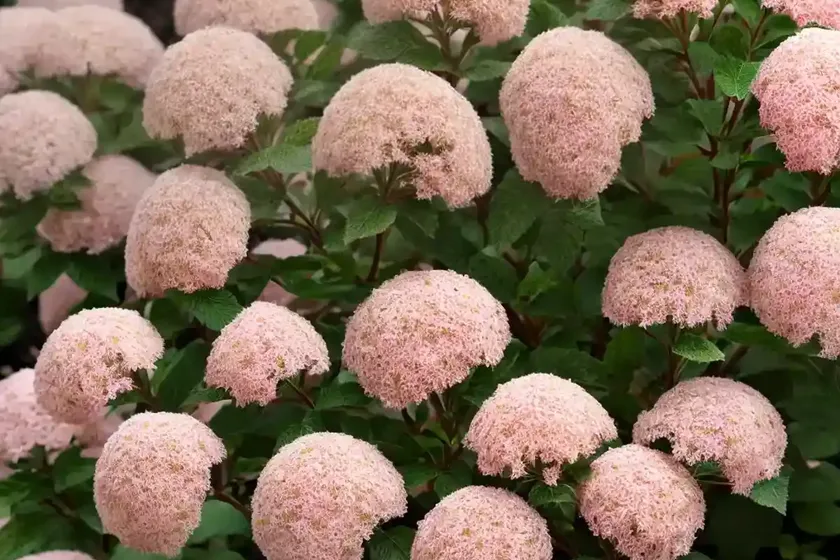
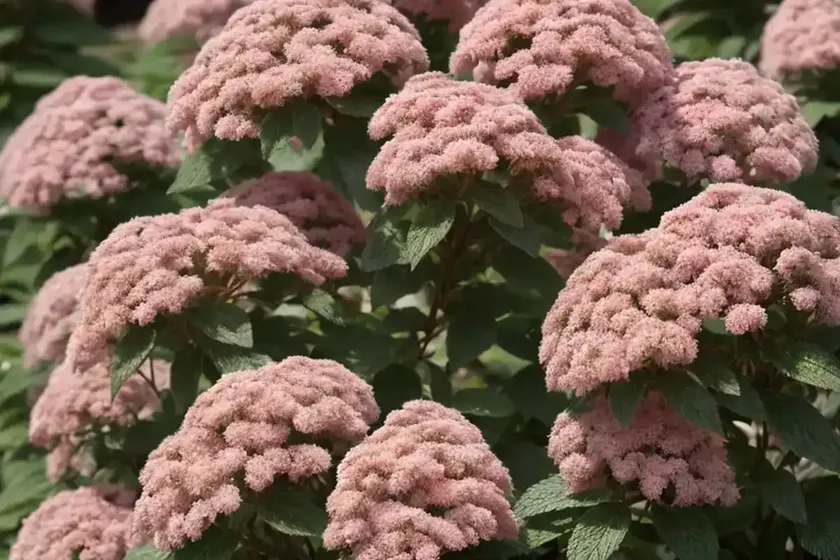
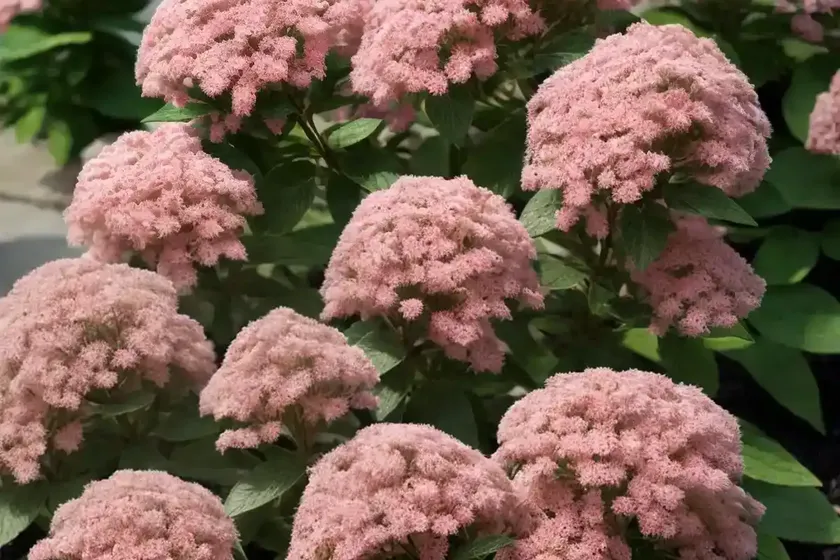
Plants have a profound impact on our lives, providing us with food, oxygen, and a connection to nature. As a plant scientist, I am thrilled to delve into the fascinating world of Spiraea thunbergii, commonly known as Thunberg Spirea. In this comprehensive guide, we will explore every aspect of this remarkable plant, from its cultivation and maintenance to its ecological significance and historical uses. Whether you are a novice gardener or a seasoned horticulturist, there is something for everyone in this deep dive into Spiraea thunbergii.
What is Spiraea thunbergii?
Spiraea thunbergii, a member of the Rosaceae family, is a deciduous shrub native to Japan, Korea, and China. This elegant plant is renowned for its graceful arching branches, abundant clusters of delicate white flowers, and vibrant foliage, making it a stunning addition to any garden or landscape. The species name “thunbergii” honors Carl Peter Thunberg, a Swedish botanist who made significant contributions to the study of Asian flora in the 18th century.
With its ornamental allure and adaptable nature, Spiraea thunbergii has captured the hearts of gardeners and landscape designers around the world. Its versatility, resilience, and aesthetic appeal have established it as a beloved species in the realm of ornamental horticulture.
In the following sections, we will delve into the key aspects of Spiraea thunbergii, covering its cultural requirements, uses, maintenance practices, and ecological significance. Let’s embark on a botanical journey that celebrates the beauty and botanical intrigue of Thunberg Spirea.
Key Takeaways – Spiraea thunbergii (Thunberg Spirea)
Before we delve into the intricacies of cultivating and caring for Spiraea thunbergii, let’s highlight some key takeaways about this captivating plant:
- Common Name: Thunberg Spirea
- Scientific Name: Spiraea thunbergii
- Family: Rosaceae
- Native Range: Japan, Korea, and China
- Growth Habit: Deciduous shrub with arching branches
- Flowering Period: Spring to early summer
- Flower Color: White
- Foliage: Bright green, transitioning to orange and bronze in the fall
- Cultural Uses: Ornamental landscaping, wildlife habitat enhancement
- Adaptability: Thrives in various soil types and climatic conditions
Now that we have a snapshot of Spiraea thunbergii’s characteristics, let’s delve deeper into its cultural requirements, uses, and maintenance guidelines.
Culture
Cultivating Spiraea thunbergii involves understanding its preferred growing conditions, including soil, sunlight, water, and fertilizer requirements. By providing an optimal environment for this species, gardeners can ensure its robust growth and abundant flowering, thereby maximizing its ornamental appeal.
Uses
Spiraea thunbergii offers a myriad of uses, ranging from ornamental landscaping to ecological enhancements. Its graceful form, charming flowers, and vibrant foliage make it a prized addition to gardens, parks, and public landscapes. Moreover, its nectar-rich blooms attract pollinators, contributing to biodiversity and ecosystem health.
Water
Like most woody shrubs, Spiraea thunbergii requires consistent moisture, especially during its establishment phase. Ample watering during dry spells and hot summers is essential to support its growth and flowering. However, it is crucial to avoid waterlogging, as excessive moisture can lead to root rot and other detrimental conditions.
Sunlight
Thriving in full sun to partial shade, Thunberg Spirea exhibits excellent adaptability to various light conditions. While it prefers full sun for optimal flowering and foliage coloration, it can tolerate partial shade, making it suitable for diverse garden settings.
Fertilizer
When it comes to fertilization, Spiraea thunbergii benefits from a balanced, slow-release fertilizer applied in early spring. This nourishes the plant as it emerges from dormancy, supporting healthy growth and abundant flowering. A comprehensive, balanced fertilizer with a formulation such as 10-10-10 can provide the essential nutrients without promoting excessive foliage at the expense of flowers.
Soil
Spiraea thunbergii thrives in well-draining, loamy soils with a slightly acidic to neutral pH range. While it adapts to various soil types, ensuring good drainage is critical to prevent waterlogged conditions that can compromise its health. Amending heavy or compacted soils with organic matter such as compost enhances both drainage and soil fertility, creating an ideal rooting environment for this species.
Pruning
Pruning plays a pivotal role in shaping the form and promoting the vitality of Spiraea thunbergii. Timely and strategic pruning helps maintain its graceful habit, rejuvenate older shrubs, and encourage robust flowering. Understanding the pruning techniques and timing is essential for maximizing the ornamental value of Thunberg Spirea.
Propagation
The propagation of Spiraea thunbergii offers plant enthusiasts the opportunity to expand their collection and share this beloved species with fellow gardeners. Whether through seeds, cuttings, or division, propagating Thunberg Spirea can be a rewarding endeavor that perpetuates its ornamental legacy.
Container Popularity
The adaptability and ornamental allure of Spiraea thunbergii make it a popular choice for container gardening. Its graceful form and vibrant blooms bring a touch of elegance to outdoor living spaces, balconies, and patios, enhancing the visual appeal of urban and suburban environments.
Common Diseases
While Spiraea thunbergii is generally resilient, it can be susceptible to certain diseases, including fungal infections and bacterial blights. Understanding the common diseases that affect this species and their diagnostic signs is crucial for implementing effective disease management strategies.
Disease Diagnosis
Accurately diagnosing diseases that affect Spiraea thunbergii is pivotal in implementing targeted management measures. By recognizing the symptoms and signs of common fungal and bacterial infections, gardeners can take proactive steps to mitigate the impact of these diseases and promote the health of Thunberg Spirea.
Common Pests
In addition to diseases, Spiraea thunbergii may encounter pests that can compromise its vitality and ornamental appeal. From aphids and spider mites to sawfly larvae, recognizing and addressing common pests is essential for preserving the health and beauty of this beloved shrub.
Botanist’s Tips
Armed with insights from botanical experts and horticultural practitioners, this section offers valuable tips and recommendations for cultivating and caring for Spiraea thunbergii. Drawing on the wisdom of botanists and plant scientists, gardeners can enhance their understanding of this species and refine their cultivation practices.
Fun Facts
To enrich our appreciation of Spiraea thunbergii, this section unveils intriguing and lesser-known facts about this remarkable plant. From its historical significance to ecological contributions, these fun facts shed light on the multifaceted nature of Thunberg Spirea.
Links to External Resources
For further exploration and research, we have curated a selection of external resources that offer in-depth information on Spiraea thunbergii. These resources encompass botanical gardens, academic publications, and reputable horticultural websites, providing a wealth of knowledge for enthusiasts keen on deepening their understanding of this captivating species.
Now, armed with a comprehensive understanding of Spiraea thunbergii, let’s embark on a journey that celebrates its cultural significance, ecological contributions, and ornamental allure. Whether you are a novice gardener or an avid plant enthusiast, there is much to discover and appreciate about Thunberg Spirea.


