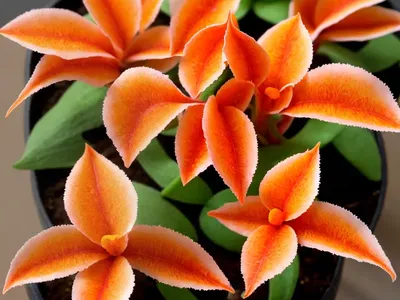
Flame Violets (Episcia Cupreata)
Flame violets (Episcia cupreata) are stunning and unique plants that have gained popularity among plant enthusiasts for their vibrant foliage and easy care.
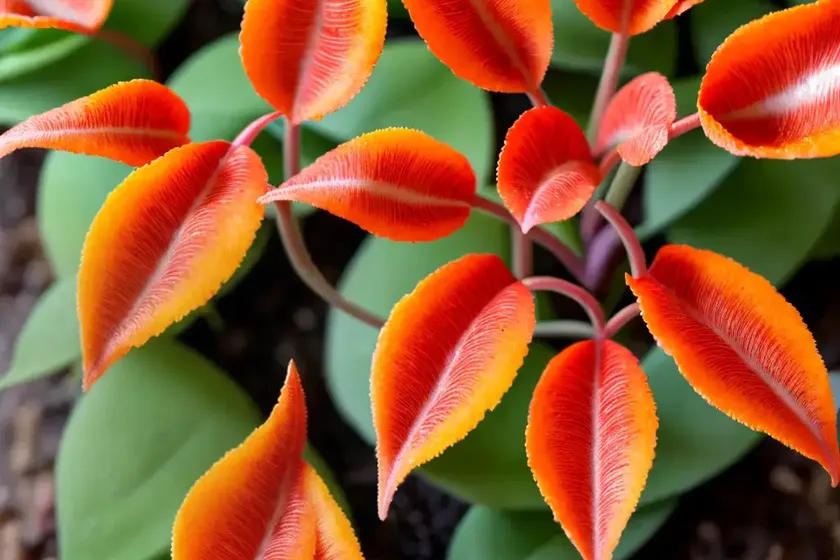
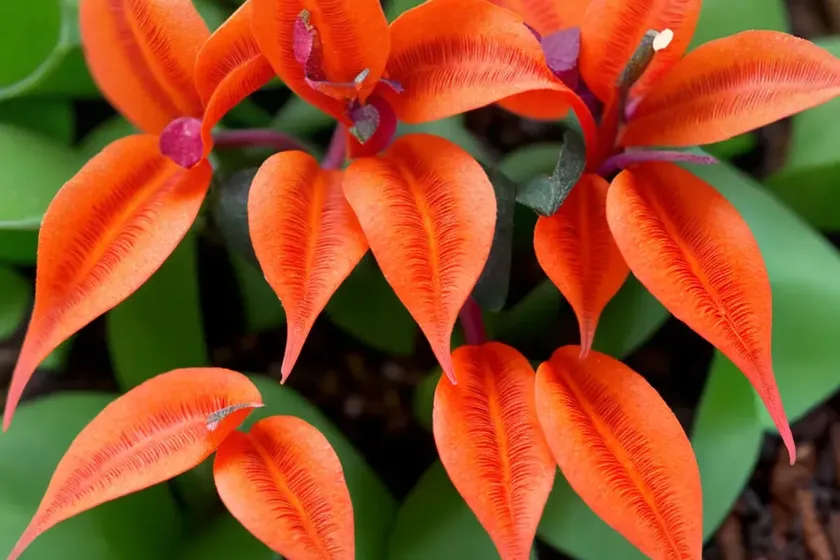
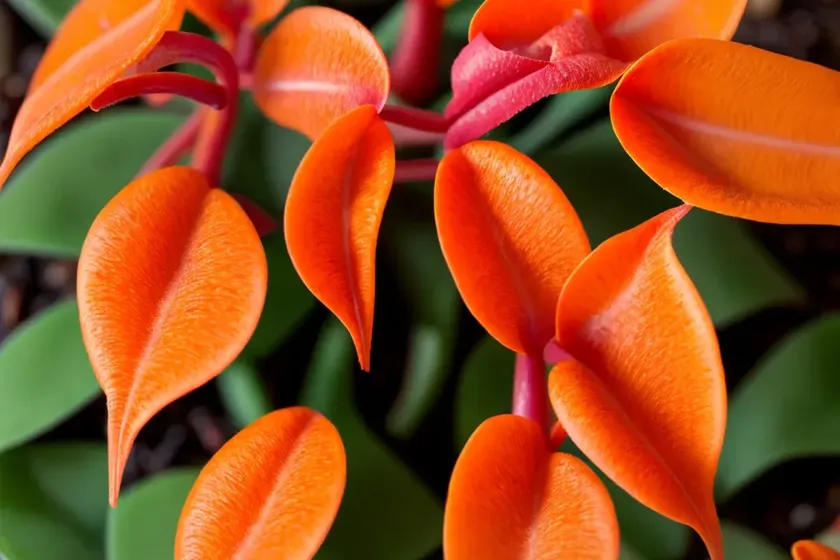
Flame violets (Episcia cupreata) are stunning and unique plants that have gained popularity among plant enthusiasts for their vibrant foliage and easy care requirements. In this comprehensive care guide, we will delve into all aspects of growing and maintaining these beautiful plants, from their cultural significance to their propagation and common pests. Whether you’re a beginner looking to add some greenery to your space or a seasoned plant parent seeking to expand your collection, this guide will provide you with all the information you need to ensure the health and vitality of your flame violets.
What is Episcia Cupreata: Flame Violets?
Episcia cupreata, commonly known as flame violets or chocolate soldiers, is a species of perennial flowering plants in the family Gesneriaceae. Native to Central and South America, particularly in regions like Brazil, Ecuador, and Venezuela, flame violets are prized for their striking, often variegated, foliage and delicate, tubular flowers. These plants are typically cultivated as ornamentals and are often grown indoors, though they can also thrive in suitable outdoor conditions.
Key Takeaways – Flame Violets (Episcia cupreata)
Before we delve into the specifics of flame violet care, let’s take a quick look at some key takeaways about these stunning plants:
- Flame Violet Care: Episcia cupreata, commonly known as flame violets, requires consistent moisture, bright indirect light, and well-draining soil. They are relatively easy to care for and can be grown successfully indoors.
- Growing Conditions: Flame violets thrive in warm, humid environments and are well-suited for indoor cultivation. They can be propagated through division and make beautiful additions to terrariums and hanging baskets.
- Variegated Foliage: One of the most distinctive features of flame violets is their variegated foliage, which comes in a range of colors and patterns, adding a vibrant touch to any indoor space.
- Low-Light Tolerance: While flame violets prefer bright, indirect light, they can also adapt to lower light conditions, making them excellent choices for spaces with limited natural light.
Now that we have an overview of the key highlights of flame violets, let’s delve deeper into the specifics of caring for these unique plants.
Culture of Flame Violets (Episcia Cupreata)
The cultural significance of flame violets extends beyond their ornamental value. These plants have garnered attention for their adaptability and aesthetic appeal, making them popular choices for indoor and outdoor cultivation. Understanding the optimal culture for flame violets is essential for promoting their growth and enhancing their visual appeal.
Uses
Flame violets are primarily cultivated for their decorative foliage and delicate flowers. With their striking color patterns and trailing growth habit, they add a vibrant touch to any space. Additionally, flame violets can be used in floral arrangements, terrariums, and hanging planters, making them versatile choices for design and landscaping projects.
Water
Proper watering is crucial for the health and well-being of flame violets. These plants prefer consistently moist but well-draining soil. It’s important to water them when the top inch of soil feels dry to the touch. Be mindful of overwatering, as excessive moisture can lead to root rot and other issues. To maintain the ideal moisture levels, consider using a self-watering pot or a saucer to provide a reservoir for the plant.
Flame Violet Watering Requirements:
- Keep the soil consistently moist, but not waterlogged.
- Water when the top inch of the soil feels dry to the touch.
- Use room temperature or tepid water to avoid shocking the roots.
- Adjust the frequency of watering based on environmental conditions and the plant’s growth stage.
Sunlight
Flame violets thrive in bright, indirect light. While they prefer ample natural light, they can also adapt to lower light conditions, making them suitable for various indoor spaces. Avoid exposing flame violets to direct sunlight, especially during the intense midday hours, as this can lead to leaf scorch and damage.
Flame Violets Sunlight Needs:
- Place flame violets near east- or west-facing windows for optimal light exposure.
- Use sheer curtains or blinds to filter intense sunlight and prevent leaf burn.
- Rotate the plant regularly to promote even growth and prevent leaning towards the light source.
- Consider supplemental grow lights for areas with limited natural light.
Fertilizer
Proper nutrition is essential for promoting healthy growth and vibrant foliage in flame violets. During the growing season, which typically spans spring and summer, it’s beneficial to fertilize the plants regularly with a balanced, water-soluble fertilizer specifically formulated for houseplants. Reduce the frequency of fertilization during the fall and winter when plant growth naturally slows down.
Flame Violet Fertilization Tips:
- Use a balanced, water-soluble fertilizer with a formulation such as 10-10-10 or 20-20-20.
- Dilute the fertilizer to half or a quarter of the recommended strength to prevent overfeeding.
- Apply the fertilizer every 2-4 weeks during the growing season.
- Flush the soil with plain water every few months to prevent fertilizer buildup and salt accumulation.
Soil
Well-draining, nutrient-rich soil is essential for supporting the growth and development of flame violets. A high-quality potting mix designed for indoor plants, such as African violet or gesneriad mix, provides the ideal balance of aeration, moisture retention, and essential nutrients. Additionally, adding perlite or orchid bark to the soil mix can enhance drainage and prevent waterlogging.
Flame Violet Soil Preferences:
- Use a well-draining, peat-based potting mix with added perlite or orchid bark.
- Ensure that the soil retains moisture without becoming waterlogged.
- Consider repotting flame violets every 1-2 years to refresh the soil and provide ample space for root growth.
- Check for compacted or dry soil, and adjust the watering frequency and soil composition as needed.
Pruning
Pruning is an integral aspect of flame violet care, as it promotes bushier growth and maintains the plant’s overall shape. Regularly removing spent or discolored leaves, as well as trimming leggy or overgrown stems, helps to improve the plant’s aesthetic appeal and encourages new growth. Use clean, sharp scissors or pruning shears to avoid damaging the delicate foliage.
Flame Violet Pruning Tips:
- Remove dead or yellowing leaves to encourage new growth and prevent disease spread.
- Trim leggy stems to promote a more compact and bushy growth habit.
- Inspect the plant regularly for signs of pests or diseases and promptly remove affected foliage.
- Sanitize pruning tools with rubbing alcohol or a diluted bleach solution between uses.
Propagation
Flame violets can be easily propagated through division, making it convenient to expand your plant collection or share cuttings with fellow gardening enthusiasts. When dividing the plant, ensure that each division has a healthy root system and several stems to support new growth. Propagation is typically best done in the spring or early summer, when the plant is actively growing.
Episcia Cupreata Propagation Steps:
- Select a healthy, mature flame violet plant for propagation.
- Gently remove the plant from its pot, being mindful of the roots.
- Carefully separate the plant into smaller sections, ensuring that each division has a portion of the root system and multiple stems.
- Plant the divisions in individual pots filled with well-draining potting mix.
- Maintain adequate moisture and provide gentle, indirect light to support the rooting and establishment of the new plants.
Container Popularity
Flame violets are highly popular container plants, valued for their compact size and ornamental foliage. They are often grown in decorative pots and planters, adding a touch of color and vibrancy to various indoor settings. Additionally, their trailing growth habit makes them suitable for hanging baskets and terrariums, further expanding their versatility.
Flame Violet Container Uses:
- Grow flame violets in decorative pots or containers to showcase their vibrant foliage.
- Consider using hanging baskets to display the trailing growth habit of flame violets.
- Create stunning terrarium displays by incorporating flame violets alongside other compatible plant species.
- Choose containers with drainage holes to ensure proper moisture management and prevent waterlogging.
Common Diseases and Pests Affecting Flame Violets
While flame violets are relatively low-maintenance plants, they can be susceptible to certain diseases and pest infestations. Understanding the common issues that may affect these plants is essential for early detection and effective intervention to prevent further damage.
Common Diseases
- Powdery Mildew: This fungal disease appears as a powdery white substance on the leaves, caused by high humidity and poor air circulation. To mitigate powdery mildew, improve air circulation and consider using a fungicidal spray as directed.
- Root Rot: Excessively moist conditions can lead to root rot, characterized by wilting, yellowing foliage and a foul odor. To prevent root rot, ensure proper drainage and avoid overwatering.
- Leaf Spot: Leaf spot appears as small, dark lesions on the foliage, often caused by overwatering or high humidity. Remove affected leaves and improve moisture management to prevent further spread.
Disease Diagnosis
Diagnosing diseases affecting flame violets requires keen observation and prompt action to prevent extensive damage. Keep a close eye on the plant for any signs of discoloration, wilting, or unusual growth patterns, and make timely adjustments to the care regimen.
Common Pests
- Spider Mites: These tiny pests thrive in dry, warm conditions and can cause stippling and webbing on the underside of the leaves. Mitigate spider mite infestations by increasing humidity and using insecticidal soaps.
- Mealybugs: Mealybugs appear as small, cottony masses on the foliage and stems, sucking sap from the plant and causing stunted growth. Remove mealybugs manually and use neem oil or insecticidal soap to control the infestation.
- Aphids: These soft-bodied insects feed on the sap of the plant, causing distorted growth and yellowing foliage. Use a strong blast of water or insecticidal spray to eliminate aphids from your flame violets.
Botanist’s Tips for Healthy Flame Violets
To ensure the optimal growth and well-being of flame violets, consider implementing the following botanist-approved tips:
- Maintain Consistent Moisture: Keep the soil consistently moist, but not waterlogged, to support healthy growth and prevent drought stress.
- Provide Adequate Light: Position flame violets in a location with bright, indirect light to promote vibrant foliage and prolific flowering.
- Monitor Humidity: Aim to maintain moderate to high humidity levels, especially in drier environments, to support the lush growth of flame violets.
- Inspect Regularly: Routinely inspect the plant for signs of pests, diseases, or nutrient deficiencies, and address any issues promptly.
- Tailor Care to Season: Adjust your care routine based on the seasonal requirements of flame violets, such as light availability and temperature changes.
Fun Facts About Flame Violets
In addition to their stunning appearance and ease of care, flame violets boast several noteworthy characteristics and quirks:
- Trailing Habit: Flame violets exhibit a charming trailing growth habit, making them ideal for cascading displays in containers or hanging planters.
- Vibrant Foliage: The foliage of flame violets comes in an array of colors and patterns, ranging from deep greens to rich purples and variegated combinations.
- Natural Habitat: In their native habitats of Central and South America, flame violets thrive in the dappled shade of forest floors, adapting well to lower light conditions.
Links to External Resources
For additional information on flame violet care, propagation, and cultivation, consider exploring the following resources:
- The Gesneriad Society: A comprehensive resource for enthusiasts of gesneriads, including flame violets and related species.
- University of Florida IFAS Extension: Detailed guidance on caring for flame violets and addressing common issues.