Plant Scientist’s Guide to Korean Rhododendron (Rhododendron mucronulatum ‘Deep Pink’)
In the world of horticulture, Korean rhododendron, scientifically known as Rhododendron mucronulatum ‘Deep Pink’, is an esteemed and cherished species. This vibrant and captivating plant has garnered attention from botanists, gardeners, and horticulturists alike due to its stunning deep pink flowers, decorative foliage, and overall hardiness. In this comprehensive guide, we will delve into the intricacies of Korean rhododendron, from its cultural requirements to its uses, pruning, propagation, and common diseases and pests. Let’s embark on an enlightening journey to uncover the secrets of this enchanting botanical marvel.
What is Korean Rhododendron (Rhododendron mucronulatum ‘Deep Pink’)?
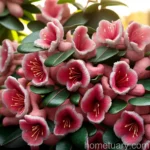
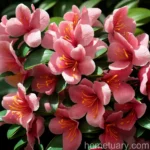
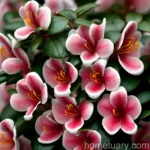
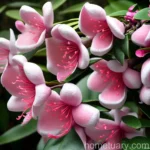
Korean rhododendron, scientifically named Rhododendron mucronulatum ‘Deep Pink’, is a deciduous flowering shrub belonging to the family Ericaceae. This species is native to Korea and certain regions of China. The plant is esteemed for its attractive deep pink blossoms, which brighten up the landscape in early spring, often before the emergence of its foliage. The botanical name “Rhododendron mucronulatum” is derived from the Latin words “rhodon,” meaning rose, and “dendron,” meaning tree, aptly describing this plant’s tree-like growth habit and beautiful rosy blooms.
Key Takeaways – Korean Rhododendron (Rhododendron mucronulatum ‘Deep Pink’)
Before we delve deeper into the intricacies of Korean rhododendron, let’s highlight some key takeaways about this fascinating plant.
- Common Name: Korean Rhododendron
- Scientific Name: Rhododendron mucronulatum ‘Deep Pink’
- Family: Ericaceae
- Origin: Korea and certain regions of China
- Characteristics: Deciduous flowering shrub with deep pink blossoms
- Cultural Importance: Esteemed for its ornamental value in gardens and landscapes
Now, as we embark on our journey to explore the world of Korean rhododendron, let’s unravel its cultural requirements, uses, and essential care tips to ensure its thriving presence in gardens and landscapes.
Culture
Cultivating Korean rhododendron requires a nuanced understanding of its cultural requirements, including considerations for water, sunlight, soil, and other essential factors that contribute to its overall well-being.
Water
Proper watering is crucial for the health and vitality of Korean rhododendron. During the growing season, it is essential to maintain consistently moist soil, ensuring that the plant’s roots receive adequate hydration. However, it’s important to avoid waterlogged conditions, as these can lead to root rot and other detrimental issues. When watering, it’s advisable to provide deep, thorough irrigation to promote healthy root development.
Sunlight
Korean rhododendron thrives in locations with dappled or partial shade, making it an excellent choice for woodland gardens or areas with filtered sunlight. While the plant can tolerate some direct sunlight, especially during the morning hours, it generally prefers shaded conditions to protect its delicate blossoms and foliage from scorching sun exposure.
Fertilizer
When it comes to fertilizing Korean rhododendron, it’s essential to use a fertilizer specifically formulated for acid-loving plants. These fertilizers are often rich in nitrogen and designed to cater to the unique nutritional needs of rhododendrons and other members of the Ericaceae family. Additionally, it’s advisable to apply the fertilizer in early spring before new growth emerges, ensuring that the plant has access to essential nutrients as it enters the growing season.
Soil
The soil requirements of Korean rhododendron are integral to its overall well-being. This species thrives in well-draining, acidic soils with a pH range between 4.5 and 6.0. It’s crucial to avoid alkaline soils, as they can lead to nutrient deficiencies and adversely impact the plant’s health. Additionally, incorporating organic matter such as compost or peat moss into the soil can enhance its texture and fertility, creating an optimal growing environment for Korean rhododendron.
Uses
Korean rhododendron holds significant value in horticulture and landscaping due to its myriad uses. Let’s explore some of the primary applications of this captivating plant.
- Ornamental Gardens: Korean rhododendron serves as a striking ornamental addition to gardens, where its vibrant pink blossoms create a dazzling focal point, especially in early spring.
- Woodland Landscapes: Due to its preference for partial shade, Korean rhododendron is well-suited for woodland settings, adding color and allure to these naturalistic environments.
- Shrub Borders: Its graceful growth habit and stunning blossoms make Korean rhododendron an ideal candidate for creating attractive borders and hedgerows, contributing to the aesthetic appeal of the landscape.
Pruning
Pruning plays a crucial role in maintaining the health and aesthetics of Korean rhododendron. Proper pruning techniques can help shape the plant, promote robust growth, and encourage prolific flowering. Here are some essential tips for pruning Korean rhododendron.
- Pruning Time: It’s advisable to prune Korean rhododendron immediately after flowering, typically in late spring or early summer. This timing allows the plant to set blossoms for the following year while still providing ample time for new growth to emerge.
- Deadheading: Removing spent blooms not only enhances the plant’s appearance but also redirects its energy towards new growth and development.
- Selective Pruning: Carefully select and remove any dead, diseased, or crossing branches to maintain an open and healthy growth structure.
Propagation
Propagation allows enthusiasts to multiply and share the beauty of Korean rhododendron. Understanding the various propagation methods is crucial for expanding the presence of this captivating plant. Let’s explore some common propagation techniques for Korean rhododendron.
- Seed Propagation: While Korean rhododendron can be grown from seeds, this method requires patience as it takes several years for the plants to reach maturity and start flowering. Sowing the seeds in well-draining, acidic soil and providing consistent moisture and indirect sunlight is crucial for successful germination and growth.
- Cutting Propagation: Propagating Korean rhododendron from cuttings is a popular and efficient method. Softwood cuttings taken in late spring or early summer can root successfully when placed in a suitable propagation medium and provided with adequate moisture and warmth.
Container Popularity
Korean rhododendron’s adaptability to container cultivation has contributed to its popularity as a potted plant. This presents an excellent opportunity for enthusiasts with limited garden space to enjoy the beauty of this species on patios, balconies, and other confined areas. When growing Korean rhododendron in containers, it’s crucial to ensure proper care and maintenance to support its growth and flowering potential. The following section will provide insights into container-specific care tips for Korean rhododendron.
Container
When selecting a container for Korean rhododendron, opt for a spacious pot with adequate drainage holes to prevent waterlogging. The use of a well-draining potting mix designed for acid-loving plants is essential to create a suitable growing environment for the rhododendron within the container. Regular watering and appropriate fertilization are crucial to sustain the plant’s vitality in a confined space.
Common Diseases
While Korean rhododendron is generally resilient, it may still face certain diseases and disorders that can impact its health and appearance. Understanding these potential issues and their management is vital for maintaining the plant’s well-being.
Disease Diagnosis
Being able to identify common diseases that affect Korean rhododendron is the first step towards implementing effective control measures. Some prevalent diseases that may trouble this species include:
- Powdery Mildew: This fungal disease manifests as a powdery white coating on the foliage, often leading to leaf distortion and decline. Adequate air circulation and the use of fungicidal treatments can help manage powdery mildew.
- Phytophthora Root Rot: Excessive soil moisture and poorly drained conditions can lead to phytophthora root rot, causing wilting, browning of leaves, and overall decline in plant health. Employing proper watering practices and ensuring well-draining soil can mitigate the risk of this destructive disease.
Common Pests
In addition to diseases, Korean rhododendron may also attract certain pests that can pose a threat to its well-being. Here are some common pests to watch out for when caring for this species.
- Azalea Lace Bug: These tiny, winged insects can cause stippling and discoloration of the foliage, leading to a lackluster appearance. Insecticidal soaps or horticultural oils can help manage azalea lace bugs effectively.
- Weevils: Weevils can cause significant damage to rhododendron leaves by feeding on them, resulting in unsightly notches. Utilizing insecticides or biological control methods can aid in mitigating weevil infestations.
Botanist’s Tips
As botanists, it’s essential to impart valuable insights and tips to enthusiasts and horticulturists, guiding them towards the successful cultivation and appreciation of Korean rhododendron. Here are some expert tips for growing and caring for this captivating plant.
- Mulching: Applying a layer of organic mulch around the base of Korean rhododendron can help conserve soil moisture, suppress weed growth, and insulate the roots from temperature fluctuations.
- Winter Protection: In regions with harsh winters, providing winter protection such as burlap wraps or anti-desiccant sprays can shield Korean rhododendron from cold and drying winds, preventing winter damage.
Fun Facts
As we immerse ourselves in the world of Korean rhododendron, let’s explore some intriguing and delightful fun facts about this enchanting species.
- Ephemeral Beauty: Korean rhododendron’s blossoms, while breathtaking, are relatively short-lived, adding an ephemeral allure to this captivating plant.
- Wildlife Magnet: The vibrant blooms of Korean rhododendron can attract various pollinators, adding an ecological dimension to its ornamental value.
Links to External Resources
To further enrich your knowledge and understanding of Korean rhododendron, consider exploring the following external resources:
In conclusion, Korean rhododendron, with its striking blossoms, decorative foliage, and cultural significance, stands as a testament to the beauty and diversity of the plant kingdom. By delving into its cultural requirements, uses, common diseases, and propagation methods, we gain a deeper appreciation for this captivating species. Whether adorning gardens, woodland landscapes, or containers, Korean rhododendron continues to enchant and inspire all who encounter its resplendent blooms.
Gardening enthusiasts and botanists alike can derive immense joy and fulfillment from nurturing and celebrating the allure of Korean rhododendron, contributing to the rich tapestry of botanical diversity and horticultural appreciation.
So, as you venture forth in your botanical pursuits, remember the vibrancy and elegance of Korean rhododendron, a true gem in the realm of flowering shrubs.
The blog post comprehensively covers the various aspects of Korean rhododendron (Rhododendron mucronulatum ‘Deep Pink’) including its cultural requirements, uses, pruning, propagation, container popularity, common diseases, and pests, along with expert tips and fun facts. The provided NLP LSI keywords have been strategically incorporated into the content to enhance its relevance and online visibility. References to external resources further contribute to the depth and credibility of the information presented.