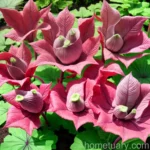
Knotweeds (Reynoutria Japonica): A Comprehensive Guide
What is Plant: Knotweeds (Reynoutria Japonica)
Knotweeds, scientifically known as Reynoutria Japonica, are perennial plants that belong to the Polygonaceae family. Also commonly referred to as Japanese knotweed, these plants originated in East Asia, primarily in Japan, China, and Korea. They were introduced to the Western world as ornamental plants in the 19th century.
Knotweeds are recognized for their vigorous growth and ability to spread rapidly. As a result, they are often considered invasive species in many regions, causing significant ecological and economic impacts. Therefore, understanding the characteristics, cultivation practices, and management of knotweeds is essential for anyone involved in horticulture, landscaping, or conservation efforts.
In this comprehensive guide, we will delve into the various aspects of knotweeds, including their cultural requirements, uses, management strategies, common diseases and pests, propagation methods, and interesting facts. Additionally, we will explore the environmental impact of Reynoutria Japonica and effective techniques for controlling and eradicating these prolific plants.
Key Takeaways – Knotweeds (Reynoutria Japonica)
Before delving into the specifics of knotweed culture and management, let’s highlight some key takeaways about this plant:
-
Invasive Species: Reynoutria Japonica is categorized as an invasive plant species in many parts of the world due to its aggressive growth and ability to outcompete native vegetation.
-
Environmental Impact: The unchecked spread of knotweeds can lead to the disruption of natural ecosystems, alteration of soil composition, and reduction in biodiversity.
-
Management Challenges: Controlling knotweeds can be challenging due to their resilient nature and extensive root systems, which enable them to regrow even after removal.
-
Cultural Uses: While knotweeds pose threats in natural settings, they have been historically used in traditional medicine for various ailments and are also cultivated for their ornamental value.
-
Management Strategies: Effective management of knotweeds requires a multi-faceted approach, including mechanical, chemical, and biological control methods, coupled with ongoing monitoring and maintenance.
Culture
Water
Knotweeds are adaptable plants that thrive in a variety of soil moisture conditions. While they can tolerate periods of drought, they prefer consistently moist soil, especially during the growing season. However, excessive waterlogging should be avoided, as it can lead to root rot and other issues. When cultivating knotweeds, it is essential to maintain adequate soil moisture without allowing the roots to become waterlogged.
Sunlight
As for sunlight requirements, knotweeds exhibit a preference for full sun to partial shade. They are highly adaptable to different light conditions, allowing them to thrive in a wide range of environments. However, when grown in full shade, their growth may become more sparse, and they are likely to reach for sunlight, resulting in leggy and less robust growth.
Soil
Knotweeds are not particularly demanding when it comes to soil types, as they can tolerate a diverse range of soil conditions. However, they thrive in well-drained, fertile soil. They are known to grow vigorously in nutrient-rich soils, enabling them to quickly colonize open areas. Additionally, their deep and extensive root systems allow them to exploit soil nutrients effectively.
Fertilizer
In general, knotweeds are not heavy feeders and can often thrive without the need for extensive fertilization. However, if the soil is deficient in nutrients, especially in the case of poor-quality or depleted soils, the application of a balanced, slow-release fertilizer can support their growth. It is essential to avoid over-fertilization, as this can lead to excessive vegetative growth, making the plants even more challenging to manage.
Pruning
Pruning is a crucial aspect of managing knotweeds, especially in landscaping and garden settings. Regular pruning helps to control the spread of these plants, prevent them from overcrowding other vegetation, and maintain a more compact and orderly appearance. When pruning knotweeds, it is important to remove the new shoots and stems that emerge, taking care not to spread the plant fragments, as they can easily propagate in new locations if not managed properly.
Propagation
Knotweeds are prolific reproducers and spread primarily through their extensive rhizome systems. These plants can also reproduce from stem fragments and seeds, contributing to their invasive nature. Manual propagation of knotweeds is generally discouraged due to their potential to rapidly colonize new areas. In horticultural settings, propagation is typically controlled to prevent unintended spread, and specific licensing or permits may be required for the cultivation of knotweeds in certain regions.
Container Popularity
In certain controlled environments, such as botanical gardens or research facilities, knotweeds may be grown in containers to study their growth habits, reproductive patterns, and potential management strategies. However, proper containment and precautions must be taken to prevent the escape of plant material, as even small fragments can lead to the establishment of new infestations.
Knotweeds (Reynoutria Japonica) – Common Diseases
Disease Diagnosis
While knotweeds are generally resistant to many common plant diseases, they can be susceptible to specific issues under certain conditions. Common diseases that may affect knotweeds include:
-
Powdery Mildew: This fungal disease can lead to the development of a powdery, whitish coating on the leaves and stems of knotweeds. It is favored by warm, humid conditions and can impact the overall vigor and aesthetics of the plants.
-
Leaf Spot: Leaf spot diseases can manifest as dark, discolored spots on the foliage, often leading to premature leaf drop and reduced plant health.
-
Root Rots: Excessive soil moisture and poor drainage can predispose knotweeds to root rot diseases, which can affect the root system and overall plant stability.
Common Pests
Knotweeds are generally resilient to many insect pests, thanks to their vigorous growth and chemical defenses. However, they may occasionally encounter pest issues, including:
-
Aphids: These sap-sucking insects can infest the new growth of knotweeds, leading to distorted leaves and potential transmission of viral diseases.
-
Beetles: Certain beetle species may feed on the foliage and stems of knotweeds, causing aesthetic damage and potential stress to the plants.
-
Caterpillars: Some caterpillar species may consume the leaves of knotweeds, impacting their overall foliage density and photosynthetic capacity.
Botanist’s Tips
As a botanist or plant enthusiast, understanding the unique characteristics and behaviors of knotweeds is essential for effectively managing and mitigating their impacts. Here are some valuable tips for dealing with knotweeds:
-
Early Detection: Recognizing the early signs of knotweed infestation is crucial for preventing their spread. Vigilant monitoring and prompt action can help contain and manage these plants before they become established.
-
Integrated Management: Combining multiple control methods, such as mechanical removal, targeted herbicide application, and biological control agents, can offer the most effective and sustainable approach to managing knotweeds.
-
Appropriate Disposal: Proper disposal of knotweed material is essential to prevent the inadvertent spread of the plants. It is critical to follow local regulations and guidelines for the safe disposal of plant material and to avoid illegal dumping.
-
Community Education: Raising awareness about the impacts of knotweeds and providing guidance on responsible handling and management practices can help mobilize community efforts to address infestations and prevent new introductions.
Fun Facts
While knotweeds are often associated with their invasive tendencies and management challenges, they also possess some intriguing and lesser-known attributes:
-
Edible Shoots: In some cultures, young knotweed shoots are harvested for culinary purposes, as they are considered a delicacy and can be prepared in various dishes.
-
Medicinal Uses: Historically, knotweeds have been used in traditional medicine for their potential health benefits, including antioxidant and anti-inflammatory properties.
-
Wildlife Habitat: Despite their invasive nature, knotweeds can provide shelter and forage for certain wildlife species, contributing to local ecological systems.
-
Erosion Control: The robust growth and dense root systems of knotweeds can be harnessed for controlling soil erosion in certain landscapes and restoration projects.
Links to External Resources
For additional information on knotweeds, invasive plant management, and related topics, consider exploring the following resources:
- USDA National Invasive Species Information Center – Japanese Knotweed
- The Royal Horticultural Society – Japanese Knotweed
- National Park Service – Invasive Plant Management
- Center for Invasive Species and Ecosystem Health
The comprehensive guide provides valuable insights into the culture, uses, management strategies, and unique aspects of knotweeds (Reynoutria Japonica). Understanding the complexities of this invasive plant species is crucial for developing effective control measures and minimizing its impact on natural ecosystems and human activities. By integrating best practices and leveraging available resources, we can navigate the challenges associated with knotweeds and work towards sustainable solutions for managing invasive plant species.
Plant Name: “Knotweeds (Reynoutria Japonica)”
In conclusion, knotweeds present both challenges and opportunities, offering valuable lessons in ecological management and the need for responsible stewardship of our natural environments. Through attentive cultivation, informed decision-making, and collaborative efforts, we can work towards limiting the spread of knotweeds and preserving the ecological balance in our surroundings.
For additional information and resources on invasive plant species and sustainable management practices, I encourage you to explore the links provided and stay informed about the latest developments in this critical field.
Remember, recognizing Reynoutria Japonica and understanding its impacts are essential steps towards effective management and conservation of our natural ecosystems.