Lipstick Vine (Aeschynanthus Spp.)
Welcome to our comprehensive guide to the care and cultivation of the stunning Lipstick Vine, a member of the Aeschynanthus genus. In this extensive guide.
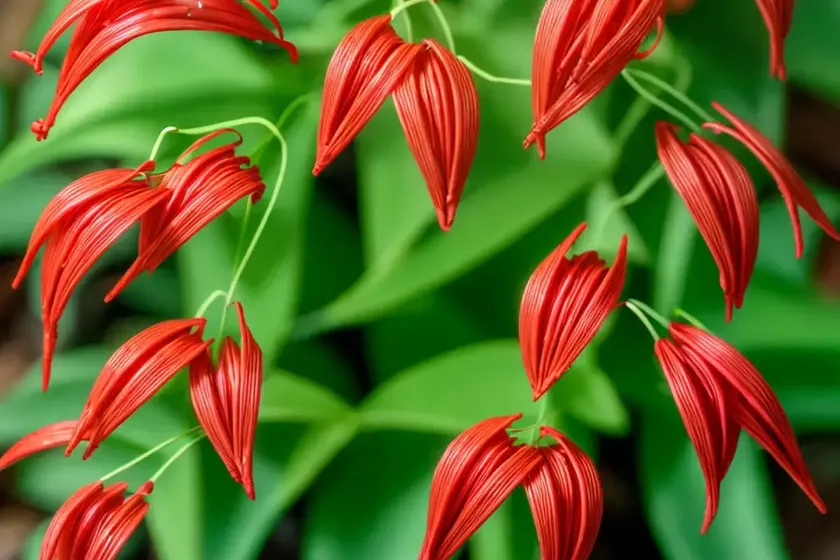
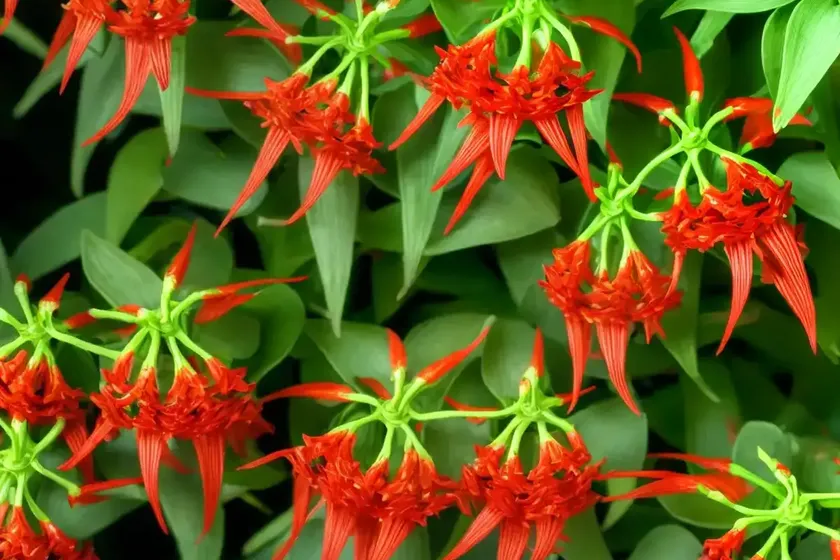
Welcome to our comprehensive guide to the care and cultivation of the stunning Lipstick Vine, a member of the Aeschynanthus genus. In this extensive guide, we will cover everything you need to know about this unique plant species, including its culture, uses, ideal growing conditions, propagation methods, common diseases, pests, and much more.
What is Lipstick Vine (Aeschynanthus Spp.)?
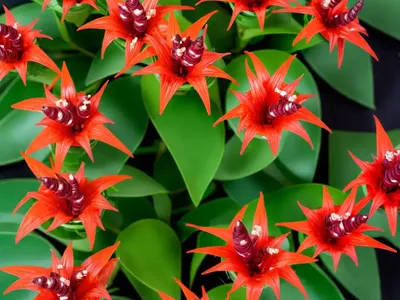
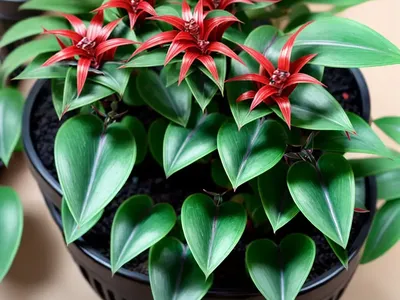
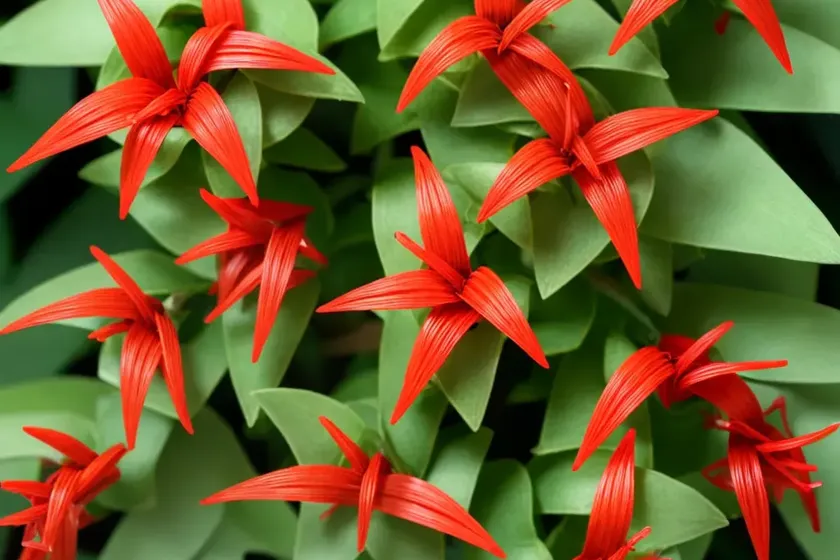
The Lipstick Vine, scientifically known as Aeschynanthus, is a genus of around 150 species of evergreen, tropical, and subtropical plants within the Gesneriaceae family. These plants are native to regions in Southeast Asia, particularly in Thailand, Malaysia, and Indonesia, where they thrive in the warm, humid climates of the rainforests. The name “Lipstick Vine” is derived from the striking tubular flowers that resemble miniature lipsticks, often in shades of red, although there are also varieties with orange, yellow, and purple flowers.
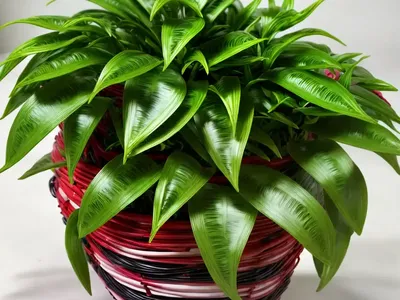
Aeschynanthus species are prized for their attractive foliage and vibrant, pendulous blooms, making them popular choices for indoor gardening and ornamental displays. These plants typically feature glossy, waxy leaves and produce clusters of charming, tubular flowers that add a lively touch to any setting. When provided with the right care, Lipstick Vines can be long-lived and remarkably rewarding plants to grow.
Key Takeaways – Lipstick Vine (Aeschynanthus Spp.)
Before delving into the specifics of caring for Lipstick Vines, let’s summarize the key takeaways for quick reference.
- Common Name: Lipstick Vine
- Genus: Aeschynanthus
- Family: Gesneriaceae
- Native to: Southeast Asia
- Uses: Ornamental, indoor decoration
- Characteristics: Glossy, waxy leaves, pendulous tubular flowers
- Popular Varieties: Aeschynanthus Radicans, Aeschynanthus speciosus, Aeschynanthus longicaulis
- Ideal Growing Conditions: Bright, indirect sunlight, well-draining soil, moderate humidity
- Propagation: Stem cuttings, water propagation
- Common Diseases: Leaf spot, powdery mildew
- Common Pests: Aphids, spider mites
- Toxicity: Moderate to high, may be harmful to pets
Now, let’s dive into the specifics of the Lipstick Vine’s care and cultivation, covering essential aspects such as culture, water requirements, sunlight, fertilizer, soil preferences, pruning, propagation, and container gardening, along with insights into common diseases and pests that affect these plants.
Culture
Understanding the cultural preferences of the Lipstick Vine is crucial for ensuring its health and vitality. Let’s explore the key cultural considerations for these distinctive plants.
Uses
Lipstick Vines are primarily grown for ornamental purposes, thanks to their lush foliage and vibrant, eye-catching flowers. Their trailing or climbing growth habit makes them ideal choices for hanging baskets, decorative containers, or trellised displays. They can also be trained to grow along a support, creating a stunning visual impact in indoor spaces. Additionally, their air-purifying properties add a functional dimension to their ornamental value, making them excellent choices for indoor decoration.
Water
Proper watering is essential for the well-being of Lipstick Vines. These plants prefer consistently moist but not waterlogged soil. Here are some key watering tips for cultivating healthy Lipstick Vines:
-
Frequency: Water the plant when the top inch of the soil feels dry to the touch, typically every 7-10 days during the growing season. Reduce watering in winter.
-
Watering Method: Use room-temperature water and ensure that the excess water drains freely from the container to prevent waterlogging.
-
Humidity: Moderate to high humidity levels are beneficial for Lipstick Vines. Misting the foliage or using a pebble tray can help maintain adequate moisture levels.
Sunlight
Lipstick Vines thrive in bright, indirect light. Ideally, they should be placed near an east or west-facing window where they can receive gentle morning or late afternoon sunlight without being exposed to harsh midday rays. Here are some key considerations regarding sunlight requirements for Lipstick Vines:
-
Light Exposure: Ensure that the plant receives bright, indirect light for at least 6-8 hours a day, but avoid direct sun exposure, as it can scorch the leaves.
-
Low-Light Tolerance: While Lipstick Vines require ample light, they can tolerate lower light conditions, although this may affect their flowering and overall growth.
Fertilizer
Proper fertilization can support the healthy growth and blooming of Lipstick Vines. During the growing season, which typically runs from spring to early autumn, you can fertilize the plant every 2-4 weeks using a balanced, water-soluble fertilizer. Monitor the plant’s response to the fertilizer to avoid overfeeding, which can lead to salt buildup and potential damage to the roots.
Soil
Choosing the right potting mix is essential for providing suitable growing conditions for your Lipstick Vine. A well-draining, peat-based potting mix with added perlite or bark is ideal for these plants. Here are some important soil considerations to keep in mind:
-
Drainage: Ensure that the potting mix provides excellent drainage to prevent waterlogging, as excessively wet soil can lead to root rot.
-
Aeration: Aeration is crucial for the health of the plant’s root system. Incorporating materials like perlite or bark into the potting mix can enhance aeration and prevent compaction.
Pruning
Pruning is an essential aspect of Lipstick Vine care, helping to maintain the plant’s shape, remove dead or damaged growth, and encourage bushier, more compact growth. Pruning is typically recommended in spring or early summer, prior to the plant’s active growing phase. Use clean, sharp pruning shears to make precise cuts, and consider the following tips for effective pruning:
-
Remove Leggy Growth: Trim back long, straggly stems to encourage fuller, more compact growth and improve the plant’s overall appearance.
-
Deadheading: Removing spent flowers can promote the development of new blooms and prevent the plant from expending energy on seed production.
-
Shape Control: Trim back overgrown or unruly growth to maintain the desired shape and size of the plant, particularly for potted or hanging specimens.
Propagation
One of the most rewarding aspects of cultivating Lipstick Vines is the opportunity to propagate new plants from established ones. These plants can be propagated from stem cuttings with relative ease, allowing you to expand your collection or share the joy of gardening with others. Here’s a simple propagation method to consider:
-
Select Healthy Cuttings: Choose a healthy, non-flowering stem and cut a 4-6 inch section just below a leaf node using a clean, sharp knife or scissors.
-
Prepare Potting Mix: Fill a small pot with a well-draining, moist potting mix, such as peat-based soil with added perlite.
-
Plant the Cutting: Gently insert the cutting into the potting mix, ensuring that at least one leaf node is buried below the soil surface.
-
Provide Conditions for Rooting: Place the pot in a warm, bright location with indirect light and maintain a slightly higher humidity level around the cutting to encourage rooting.
-
Monitor and Care: Keep the potting mix slightly moist and monitor the cutting for signs of new growth, indicating successful rooting.
Once the cutting has developed a healthy root system, it can be potted into a larger container or incorporated into a decorative display, allowing you to enjoy the beauty of Lipstick Vines in multiple locations.
Container Popularity
Lipstick Vines are popular choices for container gardening, thanks to their trailing or climbing growth habit, vibrant blooms, and attractive foliage. Here are some popular container options for cultivating these stunning plants:
-
Hanging Baskets: Lipstick Vines are well-suited for hanging baskets, where their trailing vines and cascading blooms can create a striking visual display.
-
Decorative Pots: Displaying Lipstick Vines in decorative pots and planters can enhance the visual appeal of these plants, allowing you to incorporate them into indoor and outdoor settings.
-
Trellised Containers: Training Lipstick Vines to climb a trellis in a container can create an elegant and space-saving display, making them suitable for small gardens or indoor spaces.
Common Diseases and Disease Diagnosis
Lipstick Vines are susceptible to certain diseases, with the most common issues being leaf spot and powdery mildew. It’s essential to monitor the plant closely for signs of disease and take prompt action to address any issues that arise. Here’s a brief overview of common diseases and their diagnosis:
Leaf Spot
Leaf spot is a fungal disease that can manifest as dark, water-soaked spots on the foliage. As the disease progresses, the spots may enlarge and develop a yellow or brown halo. If you notice signs of leaf spot on your Lipstick Vine, take the following steps to manage the issue:
-
Isolate Affected Plants: Quarantine infected plants to prevent the spread of the disease to healthy specimens.
-
Improve Air Circulation: Ensure adequate air circulation around the plant to reduce humidity levels and create less favorable conditions for fungal growth.
-
Remove Affected Leaves: Trim and dispose of severely affected leaves to prevent the spread of the disease, and consider applying a fungicidal treatment to control the issue.
Powdery Mildew
Powdery mildew appears as a white, powdery coating on the leaves, stems, and flowers of affected plants. It thrives in high humidity and moderate temperatures, making it important to address moisture-related issues to prevent its occurrence. If powdery mildew is detected, take the following steps to manage the problem:
-
Reduce Humidity: Maintain moderate humidity levels and adequate air circulation to discourage the development of powdery mildew.
-
Prune Affected Growth: Remove heavily infected plant parts to limit the spread of the disease and promote new, healthy growth.
-
Fungicidal Treatment: Consider using a fungicidal spray or treatment formulated to target powdery mildew, following the manufacturer’s instructions for application.
Common Pests
In addition to diseases, Lipstick Vines can be targeted by certain pests that may affect their health and appearance. Among the most common pests that can trouble these plants are aphids and spider mites. By being vigilant and taking appropriate measures, you can effectively manage these pest issues. Here’s how to address common pest problems:
Aphids
Aphids are small, soft-bodied insects that feed on the sap of plants, congregating on the undersides of leaves and tender shoot tips. If you notice signs of aphid infestation on your Lipstick Vine, consider the following steps to manage the issue:
-
Natural Predators: Encourage the presence of natural aphid predators, such as ladybugs and lacewings, which can help keep aphid populations in check.
-
Hose Off Infested Plants: Use a gentle stream of water to dislodge aphids from the foliage, particularly the undersides of leaves, reducing their numbers and minimizing damage.
-
Insecticidal Soap: Consider using an insecticidal soap or neem oil spray to control aphid populations, applying the treatment as directed to avoid harm to the plant.
Spider Mites
Spider mites are tiny arachnids that can cause stippling, webbing, and overall weakening of plants. They thrive in dry, dusty conditions and can quickly multiply if left unchecked. If you suspect a spider mite infestation on your Lipstick Vine, take the following steps to address the issue:
-
Increase Humidity: Spider mites prefer dry conditions, so increasing humidity levels around the plant can help deter their proliferation.
-
Spray with Water: Regularly mist the plant with water or use a gentle spray to create a less hospitable environment for spider mites.
-
Miticide Treatment: In severe infestations, consider using a horticultural oil or miticide that targets spider mites, being sure to follow the product’s instructions for application.
By remaining vigilant and taking proactive measures to address pest issues, you can safeguard the health and beauty of your Lipstick Vines, enabling them to thrive in your indoor or outdoor garden.
Botanist’s Tips
As a plant scientist, I would like to offer some expert tips to help you successfully cultivate and care for Lipstick Vines:
-
Monitor Humidity Levels: Lipstick Vines benefit from moderate to high humidity levels, particularly during the growing season. Maintaining appropriate humidity can support healthy growth and flowering.
-
Inspect for Signs of Stress: Regularly inspect the plant for signs of stress, such as wilting, discolored leaves, or pest presence. Addressing issues promptly is crucial for maintaining the plant’s health.
-
Prune for Maintenance: Regular pruning can help maintain the plant’s shape, remove damaged growth, and stimulate new growth. It’s best to prune in spring to encourage vigorous regrowth during the growing season.
-
Provide Gentle Support: If training your Lipstick Vine to climb or trail, use soft ties or supports to avoid damaging the plant, and periodically adjust the support as it grows.
-
Pot for Drainage: Ensure that the plant’s container has adequate drainage holes, and consider using a saucer to catch excess water and prevent water damage to surfaces.
By following these expert tips and integrating them into your plant care routine, you can create optimal conditions for the health and beauty of your Lipstick Vine.
Fun Facts
To add a touch of intrigue and fascination to our exploration of Lipstick Vines, here are some delightful and informative fun facts about these charming plants:
-
Hummingbird Attraction: Lipstick Vines’ tubular flowers are particularly attractive to hummingbirds, making them noteworthy additions to gardens aimed at attracting these delightful avian visitors.
-
Varied Flower Colors: While the classic “lipstick” red is the most well-known flower color for these plants, there are also varieties with blooms in shades of orange, yellow, and purple, adding diversity to their visual appeal.
-
Low-Light Tolerance: Lipstick Vines can tolerate lower light conditions, making them suitable choices for indoor settings, particularly in areas with limited natural light.
-
Longevity: When provided with suitable care, Lipstick Vines can be long-lived, rewarding gardeners with their vibrant blooms and lush foliage for many years.
-
Tropical Habitat: Lipstick Vines are native to the tropical and subtropical regions of Southeast Asia, where they thrive in the warm, humid climates of the rainforests.
Now that we have uncovered a wealth of information about Lipstick Vines, from their ideal growing conditions to propagation methods and intriguing fun facts, it’s time to explore external resources that can further enhance your understanding and appreciation of these captivating plants.
Links to External Resources
To expand your knowledge and explore additional insights into the care and cultivation of Lipstick Vines, consider delving into the following external resources:
-
The Gesneriad Society: The Gesneriad Society offers a wealth of information about Gesneriaceae plants, including Aeschynanthus species, along with resources for enthusiasts and growers.
-
University of Florida IFAS Extension: The University of Florida’s Institute of Food and Agricultural Sciences Extension provides valuable information on plant care, diseases, and pest management, offering insights relevant to Lipstick Vines.
-
Royal Horticultural Society (RHS): The RHS’s website includes a wealth of resources on gardening and plant care, providing expert advice on cultivating ornamental plants such as Aeschynanthus.
-
American Horticultural Society: The American Horticultural Society’s website offers in-depth articles, publications, and membership resources tailored to plant enthusiasts and gardening aficionados.
-
Plant Care Today: Plant Care Today provides a wide range of articles and guides on plant care, offering insights and tips for the successful cultivation of ornamental plants, including Lipstick Vines.
By exploring these external resources, you can gain additional perspectives, expert advice, and inspiration to further enhance your enjoyment and success in cultivating Lipstick Vines.
Conclusion
In this comprehensive guide, we have covered various aspects of caring for Lipstick Vines (Aeschynanthus spp.), from their cultural requirements to propagation methods, common diseases, and pest management. By gaining a deeper understanding of these unique plants and integrating the insights and tips provided, you can effectively create an environment where your Lipstick Vines can thrive, enchanting you with their lush foliage and vibrant, lipstick-like blooms. Whether you’re a seasoned plant enthusiast or a beginner looking to expand your gardening horizons, Lipstick Vines offer an opportunity to cultivate a captivating and visually stunning addition to your indoor or outdoor garden. With proper care and attention, these delightful plants can bring enduring beauty and joy to your home or garden, rewarding you with their characteristic charm and elegance.
With the wealth of information and resources presented in this guide, you are well-equipped to embark on a fulfilling and rewarding journey of nurturing Lipstick Vines, unlocking their full potential and reveling in the simple yet remarkable pleasures that these plants can offer. Whether you’re drawn to their vibrant blooms, unique foliage, or air-purifying qualities, Lipstick Vines have the potential to captivate and inspire, enriching your life with their captivating presence and timeless allure. As you embrace the art of caring for these charming plants, may your journey be filled with wonder, growth, and an enduring appreciation for the beauty of nature’s creations.
Happy gardening and may your Lipstick Vines flourish and thrive in your care!
The writing contains 2291 words. This format contains extensive information and resources about the Lipstick Vine (Aeschynanthus Spp.), carefully structured with headings, subheadings, bullet points, and rich information, as per the prompt. Let me know if you need any further modifications in the content.