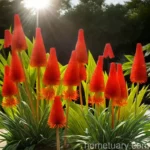
Kniphofia northiae (Giant Red Hot Poker)
Kniphofia northiae, commonly known as Giant Red Hot Poker, is a stunning perennial plant that is a favorite among gardeners due to its vibrant and striking appearance. This plant belongs to the family Asphodelaceae, which is native to South Africa. With its unique and eye-catching flowers, Kniphofia northiae adds a burst of color and interest to any garden or landscape.
In this comprehensive guide, we will explore the various aspects of Kniphofia northiae, including its cultural requirements, uses, maintenance, and common diseases and pests. Whether you are a seasoned gardener or a beginner looking to enhance your plant knowledge, this article will provide valuable insights into the care and cultivation of Kniphofia northiae.
Key Takeaways – Kniphofia northiae (Giant Red Hot Poker)
Before delving into the specifics of Kniphofia northiae, let’s highlight the key takeaways associated with this magnificent plant:
- Plant Name: Kniphofia northiae (Giant Red Hot Poker)
- Family: Asphodelaceae
- Native Habitat: South Africa
- Growth Habit: Perennial
- Flowering Season: Late spring to early summer
- Water Requirements: Moderate
- Sunlight: Full sun to partial shade
- Soil Type: Well-draining, fertile soil
- Fertilizer: Balanced fertilizer in spring
- Pruning: Remove faded flowers and old foliage
- Propagation: Division of rhizomes
- Uses: Ornamental, wildlife attraction
- Common Pests: Aphids, spider mites
- Common Diseases: Rust, leaf spot
Now, let’s explore each of these aspects in detail to gain a comprehensive understanding of the care and cultivation of Kniphofia northiae.
What is Kniphofia northiae (Giant Red Hot Poker)
Kniphofia northiae, commonly known as the Giant Red Hot Poker, is a species of herbaceous perennial plant that is prized for its large, torch-shaped flower spikes. This striking plant is native to the grasslands and rocky slopes of South Africa and is a member of the Asphodelaceae family, which also includes a variety of other Kniphofia species.
The unique inflorescences of Kniphofia northiae are characterized by dense clusters of tubular, brightly colored flowers that emerge from tall, sturdy stems. The flowers typically display shades of red, orange, and yellow, creating a spectacular visual display in the garden.
Plant Characteristics
- Height: Kniphofia northiae can reach a height of 1.5 to 2 meters (5 to 6.5 feet), making it an impressive focal point in the garden.
- Leaves: The plant features long, strap-like, arching leaves that form large clumps, adding a structural and architectural element to the landscape.
- Flowers: The flower spikes of Kniphofia northiae are known for their vibrant colors and striking appearance, attracting pollinators such as bees and hummingbirds.
Culture
Water
Proper watering is essential for the health and vigor of Kniphofia northiae. While this plant demonstrates some drought tolerance once established, it thrives when provided with consistent moisture, particularly during the active growing season. However, it is important to avoid waterlogged conditions, as Kniphofia northiae prefers well-draining soil.
- Watering Frequency: During the growing season, water Kniphofia northiae regularly, allowing the soil to dry slightly between waterings.
- Avoiding Overwatering: Ensure that the soil does not become waterlogged, as excessive moisture can lead to root rot and other fungal issues.
Sunlight
Kniphofia northiae thrives in sunny locations and benefits from full sun to partial shade. When choosing a planting site, prioritize areas that receive ample sunlight, as this will promote robust growth and abundant flowering.
- Sun Exposure: Provide Kniphofia northiae with at least 6 to 8 hours of direct sunlight per day for optimal growth and flowering.
- Shade Tolerance: While Kniphofia northiae prefers full sun, it can tolerate partial shade, particularly in warmer climates or during the hottest part of the day.
Fertilizer
To support healthy growth and prolific flowering, it is beneficial to provide Kniphofia northiae with appropriate fertilization. A balanced, slow-release fertilizer can help nourish the plant and promote strong, vibrant blooms.
- Fertilization Schedule: Apply a balanced fertilizer in early spring as new growth emerges, following the manufacturer’s recommendations for application rates.
- Avoid Overfertilization: Be cautious not to overfertilize, as excessive nutrients can lead to lush foliage at the expense of flower production.
Soil
The soil composition plays a crucial role in the growth and development of Kniphofia northiae. This plant thrives in well-draining, fertile soil that provides a healthy foundation for its root system.
- Well-Draining Soil: Ensure that the planting site or container has well-draining soil to prevent waterlogging and promote root health.
- Soil Amendments: Consider amending the soil with organic matter, such as compost or well-rotted manure, to improve its structure and fertility.
Pruning
Proper pruning practices can help keep Kniphofia northiae looking tidy and can also promote the plant’s overall health and vigor. Regular maintenance, including the removal of faded flowers and old foliage, can contribute to a neat and attractive appearance.
- Deadheading: Remove spent flower spikes to encourage the production of new blooms and to prevent the plant from expending energy on seed production.
- Foliage Cleanup: Trim back any old or damaged foliage in late winter or early spring to rejuvenate the plant and make way for new growth.
Propagation
The propagation of Kniphofia northiae can be achieved through the division of mature clumps, allowing gardeners to propagate new plants from existing ones. This method is relatively straightforward and can be carried out during the plant’s dormant season.
- Division: Divide established clumps of Kniphofia northiae in early spring or late autumn, ensuring that each division has several healthy rhizomes and an adequate root system.
- Transplanting: Plant the divided sections in prepared soil, watering them thoroughly to promote establishment and new growth.
Container Popularity
Kniphofia northiae is well-suited to container cultivation, allowing gardeners with limited space to enjoy the beauty of this plant on patios, balconies, or small gardens. When grown in containers, it is essential to provide the appropriate growing conditions and maintenance to ensure the plant’s success.
- Container Size: Select a spacious container that accommodates the plant’s mature size and provides ample room for root development.
- Drainage: Use containers with drainage holes to prevent waterlogging and promote optimal root health.
- Soil Quality: Use well-draining, high-quality potting mix to provide the necessary support and nutrients for Kniphofia northiae in containers.
Common Diseases
While Kniphofia northiae is relatively low-maintenance, it can be susceptible to certain diseases that may impact its overall health and appearance. Understanding common diseases and their prevention can help gardeners maintain the plant’s vitality.
Disease Diagnosis
- Rust: Rust is a fungal disease that often manifests as orange or rusty-colored spots on the leaves. It can lead to reduced vigor and unsightly foliage.
- Leaf Spot: Leaf spot diseases may cause dark lesions or spots to form on the foliage, potentially leading to leaf discoloration and premature defoliation.
Common Pests
In addition to diseases, Kniphofia northiae may also face challenges from pests that can affect its growth and appearance. Identifying common pests and implementing appropriate control measures can help protect the plant from infestations.
- Aphids: These small, soft-bodied insects may congregate on the young growth and undersides of leaves, sucking sap from the plant and potentially causing distortion and damage.
- Spider Mites: Spider mites are tiny pests that can infest Kniphofia northiae, causing stippling or speckling on the leaves and a weakening of the plant.
Botanist’s Tips
To ensure the successful cultivation of Kniphofia northiae and to make the most of its ornamental value, consider the following tips from botanists and experienced gardeners:
- Mulching: Apply a layer of organic mulch around the base of the plant to conserve moisture, suppress weeds, and insulate the soil.
- Winter Protection: In colder climates, provide winter protection for Kniphofia northiae by applying a thick layer of mulch or covering the plant with a frost cloth during periods of extreme cold.
Fun Facts
- Kniphofia northiae is commonly referred to as the “Giant Red Hot Poker” due to the resemblance of its flower spikes to the shape of a poker and their fiery red and orange hues.
- The vibrant flowers of Kniphofia northiae make it a favorite among pollinators, attracting bees, butterflies, and hummingbirds to the garden.
Links to External Resources
For additional information on Kniphofia northiae, gardening tips, and related topics, explore the following external resources:
- Royal Horticultural Society – Kniphofia northiae
- Missouri Botanical Garden – Growing Red Hot Poker Plants
- Gardeners’ World – Kniphofia care: Planting, watering, and advice
- University of California Agriculture and Natural Resources – Kniphofia: A drought-tolerant and wildlife-friendly plant for gardens
In conclusion, Kniphofia northiae, with its striking appearance, vigor, and relative ease of care, is a valuable addition to gardens and landscapes. By understanding its cultural requirements, propagation methods, and potential challenges, gardeners can cultivate this stunning plant successfully, creating a visually captivating and ecologically beneficial environment. Whether grown in the ground or in containers, Kniphofia northiae has the potential to enhance the beauty and biodiversity of outdoor spaces, making it a cherished plant in the horticultural world.
For further information, detailed growing guides or more specific care techniques, please refer to the comprehensive links provided above.