Heliotropium Arborescens (Heliotrope)
Plants play a crucial role in the environment and in our lives. Their diversity and profound impact on ecosystems and human health make them a fascinating.
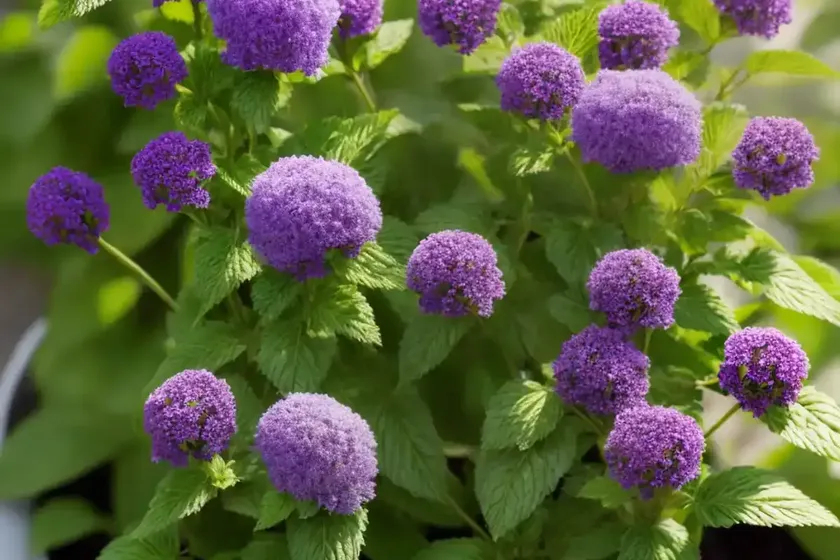
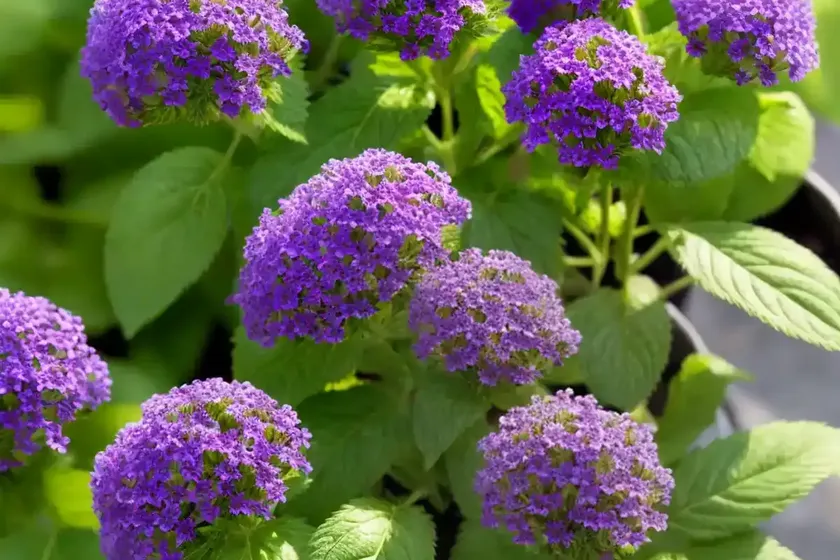
Plants play a crucial role in the environment and in our lives. Their diversity and profound impact on ecosystems and human health make them a fascinating subject of study. In this comprehensive guide, we will delve into the intricacies of Heliotropium arborescens, commonly known as Heliotrope. We will explore its cultural requirements, medicinal uses, landscaping potential, propagation, and much more. Whether you are a gardening enthusiast or a professional horticulturist, this guide will equip you with the knowledge needed to cultivate and appreciate this captivating plant.
What is Heliotropium arborescens?
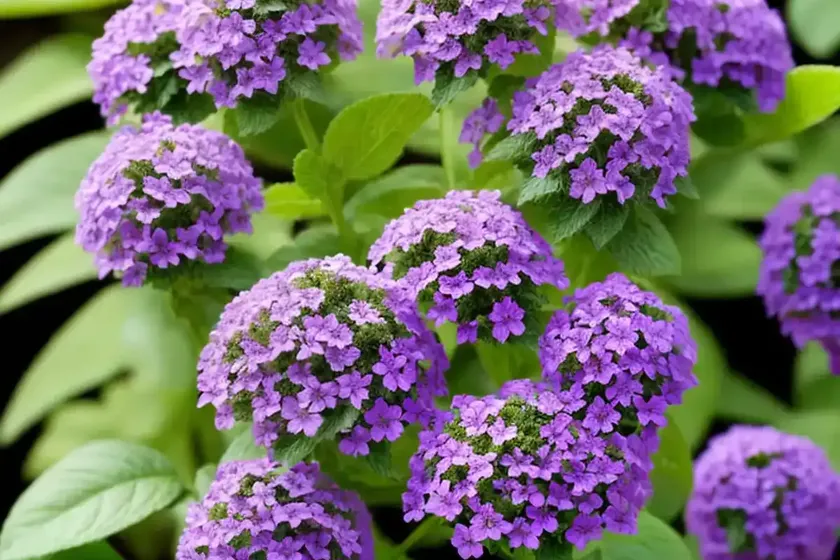
Heliotropium arborescens, commonly referred to as Heliotrope, is a species of flowering plant in the borage family, Boraginaceae. Native to Peru, this evergreen shrub is renowned for its fragrant, vibrant blooms and luscious green foliage. It is a popular choice for gardens, landscapes, and containers due to its ornamental appeal and aromatic qualities.
Plant Characteristics
- Scientific Name: Heliotropium arborescens
- Common Names: Garden heliotrope, cherry pie plant
- Family: Boraginaceae
- Native Habitat: Peru
- Plant Type: Perennial shrub
- Foliage: Deep green, veined leaves
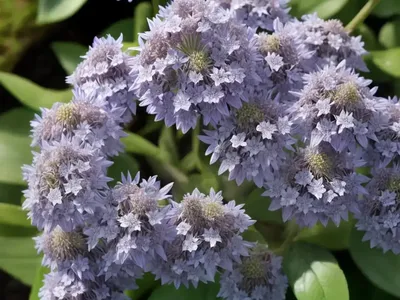
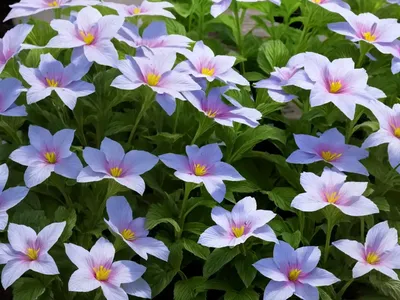
- Flowers: Clusters of small, fragrant, purple or blue flowers
- Fragrance: Sweet, vanilla-like scent
Heliotropium arborescens is highly valued for its attractive blooms, delightful fragrance, and adaptability, making it a cherished addition to diverse garden settings.
Key Takeaways – Heliotropium arborescens (Heliotrope)
Before we delve into the intricacies of caring for Heliotropium arborescens, let’s highlight the key takeaways of this remarkable plant.
Cultivation
Heliotropium arborescens thrives in warm climates and well-drained soil. It requires adequate sunlight and regular watering to support healthy growth and prolific flowering. This plant can be cultivated in the ground or in containers, offering versatile landscaping and gardening options.
Medicinal Uses
Beyond its ornamental value, Heliotropium arborescens has been historically employed in herbal remedies. Its leaves and flowers have been utilized in traditional medicine for their purported healing properties, adding a medicinal dimension to its allure.
Fragrance and Aesthetic Appeal
The sweet, vanilla-like fragrance of Heliotropium arborescens enhances its appeal, making it a desirable feature in fragrance gardens and outdoor spaces. Its vibrant, aromatic blooms contribute to its role as a visual and olfactory delight.
Wildlife Attraction
Heliotropium arborescens serves as a pollinator attractant, drawing beneficial insects and contributing to the biodiversity of gardens. Its nectar-rich flowers provide essential nourishment for pollinators, fostering a thriving ecosystem.
Landscape Design
With its compact size, vibrant flowers, and fragrance, Heliotropium arborescens is an asset in landscape design. It can be used in borders, mixed plantings, and as a focal point, adding visual interest and sensory delight to garden compositions.
With these key takeaways as our guide, let’s explore in detail the optimal conditions and practices for nurturing Heliotropium arborescens.
Cultivation of Heliotropium arborescens
Successful cultivation of Heliotropium arborescens hinges on understanding and catering to its specific cultural requirements. From water and sunlight preferences to soil composition, strategic cultivation practices are essential for supporting the health and vitality of this beloved plant.
Water
Appropriate watering is pivotal in maintaining the health and vigor of Heliotropium arborescens. While it appreciates moist soil, it is crucial to strike a balance to prevent waterlogging, which can lead to root rot.
Watering Guidelines:
- Frequency: Water deeply when the top inch of soil is dry, typically every 7-10 days, adjusting based on environmental conditions.
- Consistency: Aim for consistent moisture without waterlogged conditions.
- Mulching: Apply a layer of organic mulch around the base of the plant to retain soil moisture and regulate temperature.
Sunlight
Heliotropium arborescens thrives in locations with ample sunlight, benefiting from full to partial sun exposure. Providing adequate sunlight is instrumental in promoting robust flowering and compact growth.
Sunlight Requirements:
- Ideal Exposure: Full sun to partial shade, with a minimum of 4-6 hours of direct sunlight daily.
- Considerations: While tolerant of partial shade, abundant sunlight is conducive to optimal blooming and overall plant health.
Soil
The choice of soil directly impacts the growth and performance of Heliotropium arborescens. Well-drained, nutrient-rich soil lays the foundation for healthy root development and abundant flowering.
Soil Composition:
- Texture: Well-draining, loamy soil with good aeration is favorable.
- pH Level: Slightly acidic to neutral soil pH (6.0-7.0) is well-suited for Heliotropium arborescens.
- Amendments: Incorporate organic matter such as compost to enhance soil structure and fertility.
Fertilizer
Strategic fertilization supports the nutritional needs of Heliotropium arborescens, nourishing its growth and flowering potential. Application of a balanced, slow-release fertilizer ensures the availability of essential nutrients over an extended period.
Fertilization Recommendations:
- Timing: Apply a balanced, slow-release fertilizer once in early spring and again in midsummer.
- NPK Ratio: Utilize a fertilizer with a balanced NPK ratio, such as 10-10-10 or 20-20-20, to provide a comprehensive nutrient blend.
- Application Method: Distribute the fertilizer evenly around the plant, following manufacturer guidelines regarding dosage.
Pruning
Pruning plays a pivotal role in shaping the growth habit of Heliotropium arborescens and fostering prolific flowering. Regular maintenance pruning and deadheading promote compact growth and continuous blooming.
Pruning Guidelines:
- Deadheading: Remove spent flowers promptly to stimulate the production of new blooms.
- Size Control: Prune for size management and to maintain a tidy growth habit.
Propagation of Heliotropium arborescens
Propagation techniques enable the expansion of Heliotropium arborescens populations, offering opportunities to propagate favored cultivars and multiply the presence of this captivating plant. Propagation can be achieved through several methods, each with its distinct advantages and considerations.
Propagation Methods:
- Seed Propagation: Sowing seeds indoors or directly in the garden provides an efficient means of propagating Heliotropium arborescens. Start seeds in a well-draining planting medium, ensuring sufficient warmth and moisture for germination.
- Cutting Propagation: Stem cuttings offer a reliable method for generating genetic replicas of the parent plant. Select healthy, non-flowering shoots for cutting, and provide appropriate rooting conditions to facilitate establishment.
- Division: Dividing the root clumps of mature Heliotropium arborescens plants enables the creation of new specimens. Dividing during the dormant season promotes successful establishment.
Propagation presents an avenue for expanding the presence of Heliotropium arborescens and diversifying its horticultural representations.
Growing Heliotropium arborescens in Containers
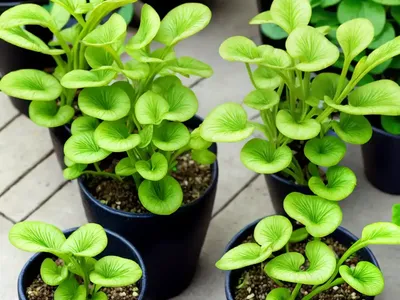
The versatility of Heliotropium arborescens extends to container cultivation, offering a dynamic approach to incorporating this plant into various settings. Container cultivation grants flexibility in placement and facilitates the cultivation of Heliotropium arborescens in spaces with limited ground access.
Container Considerations:
- Container Size: Select a container with adequate depth and diameter to accommodate the root system and promote stability.
- Drainage: Ensure the presence of drainage holes to prevent water accumulation and root suffocation.
- Potting Mix: Utilize a well-draining potting mix designed for flowering plants to support healthy growth.
Cultivating Heliotropium arborescens in containers harmonizes ornamental and spatial considerations, facilitating its incorporation into diverse environments.
Popularity of Heliotropium arborescens
Heliotropium arborescens enjoys widespread popularity due to its enchanting blooms, sweet fragrance, and adaptability in garden and landscape settings. Its charm is encapsulated in its dazzling floral displays, captivating fragrance, and ornamental versatility, contributing to its enduring appeal among gardening enthusiasts.
Common Diseases of Heliotropium arborescens
As with any plant, Heliotropium arborescens is susceptible to certain diseases that can impact its health and vigor. Recognizing common diseases, their symptoms, and management strategies is pivotal in safeguarding the well-being of this cherished plant.
Disease Diagnosis:
- Powdery Mildew: Characterized by powdery, white fungal growth on leaves, stems, and flowers. Fungal infection compromises plant vitality and aesthetic appeal.
- Leaf Spot: Manifests as circular lesions on foliage, with varying degrees of discoloration and necrosis. Leaf spot diminishes the overall vigor of the plant and reduces its ornamental value.
- Root Rot: Excessive soil moisture can lead to root rot, resulting in wilting, yellowing foliage, and overall decline.
Disease Management and Prevention:
- Cultural Care: Optimize cultural practices, including proper watering, good air circulation, and sanitation.
- Fungicidal Treatment: Employ fungicidal sprays to mitigate fungal diseases, following application guidelines and safety precautions.
- Early Intervention: Promptly address disease symptoms to prevent their escalation and detrimental effects on the plant.
Vigilance and proactive disease management strategies are imperative in maintaining the health and longevity of Heliotropium arborescens.
Common Pests Affecting Heliotropium arborescens
Pest infestations can compromise the well-being and ornamental value of Heliotropium arborescens, necessitating meticulous monitoring and intervention to mitigate their impact.
Pest Identification:
- Aphids: Small, soft-bodied insects that congregate on the undersides of leaves, sapping plant vigor and excreting honeydew.
- Spider Mites: Minuscule pests that infest the undersides of leaves, causing stippling and weakening the plant through sap extraction.
- Whiteflies: Small, white insects that congregate on foliage, leading to wilting and reduced vigor.
Pest Control Measures:
- Natural Predators: Encourage the presence of beneficial insects that prey on pests, such as ladybugs and lacewings.
- Horticultural Oils: Apply horticultural oils to suffocate and deter pests, effectively managing infestations.
- Insecticidal Soaps: Utilize insecticidal soaps to target pests while minimizing impact on beneficial organisms.
Strategic pest control measures preserve the vitality and visual appeal of Heliotropium arborescens, ensuring its resilience against pest pressure.
Botanist’s Tips for Successful Heliotropium arborescens Care
To foster optimal growth and flowering of Heliotropium arborescens, adhering to expert-recommended care practices is paramount.
Botanist’s Recommendations:
- Consistent Monitoring: Regularly assess the plant for signs of stress, disease, or pest activity, intervening as needed.
- Adequate Air Circulation: Promote proper air movement around the plant to mitigate fungal diseases and create favorable growing conditions.
- Integrated Pest Management: Embrace a holistic approach to pest management, integrating cultural, biological, and targeted chemical strategies for comprehensive pest control.
By assimilating these botanist-endorsed tips into your Heliotropium arborescens care regimen, you can elevate the health and beauty of this cherished plant.
Fun Facts About Heliotropium arborescens
- Did you know that the name “Heliotrope” is derived from the Greek words “helios” (sun) and “tropos” (to turn), alluding to the plant’s characteristic of following the sun?
- In traditional medicine, Heliotropium arborescens has been utilized for its alleged diuretic, febrifuge, and vulnerary properties, underscoring its historical medicinal significance.
- The fragrance of Heliotropium arborescens is revered in the perfume industry, contributing a sweet, floral note to fragrance compositions.
These captivating facts add depth to the fascination and appreciation for Heliotropium arborescens, enhancing its allure beyond its ornamental and aromatic attributes.
Links to External Resources
Explore additional insights and perspectives on Heliotropium arborescens through reputable external resources:
- Royal Horticultural Society – Heliotropium arborescens
- Missouri Botanical Garden – Heliotropium arborescens
- University of Florida – Heliotrope, Heliotropium arborescens L.
These resources provide valuable perspectives, research findings, and horticultural recommendations related to Heliotropium arborescens, enriching your understanding of this captivating plant.
Heliotropium arborescens, with its ornamental allure, fragrant blooms, and historical significance, occupies a cherished place in the realm of horticulture and botanical appreciation. By comprehensively addressing its cultural needs, medicinal potential, landscaping applications, and propagation techniques, this ultimate guide aims to deepen your connection with this captivating plant and empower you with the knowledge to cultivate it with skill and appreciation.
With its enchanting blooms and sweet fragrance, Heliotropium arborescens beckons us into a world of sensory delight and horticultural fascination, encapsulating the beauty and complexity of the botanical realm.
Keywords: Heliotropium arborescens benefits, Heliotropium arborescens care, Heliotropium arborescens cultivation, Heliotropium arborescens characteristics, Heliotropium arborescens medicinal uses, Heliotropium arborescens landscaping, Heliotropium arborescens varieties, Heliotropium arborescens pruning, Heliotropium arborescens soil requirements, Heliotropium arborescens propagation, Heliotropium arborescens fragrance, Heliotropium arborescens flowering time, Heliotropium arborescens sun exposure, Heliotropium arborescens water needs, Heliotropium arborescens pest control, Heliotropium arborescens temperature tolerance, Heliotropium arborescens drought resistance, Heliotropium arborescens soil pH, Heliotropium arborescens pruning techniques, Heliotropium arborescens container gardening, Heliotropium arborescens companion plants, Heliotropium arborescens landscape design, Heliotropium arborescens pollinators, Heliotropium arborescens seed saving, Heliotropium arborescens garden uses, Heliotropium arborescens common names, Heliotropium arborescens herbal remedies, Heliotropium arborescens history, Heliotropium arborescens folklore, Heliotropium arborescens ethnobotanical uses, Heliotropium arborescens traditional medicine, Heliotropium arborescens ornamental features, Heliotropium arborescens seasonality, Heliotropium arborescens wildlife attraction, Heliotropium arborescens water conservation, Heliotropium arborescens fragrance garden, Heliotropium arborescens garden design ideas, Heliotropium arborescens plant family, Heliotropium arborescens plant taxonomy, Heliotropium arborescens horticultural uses, Heliotropium arborescens natural remedies, Heliotropium arborescens sustainable gardening, Heliotropium arborescens native habitat, Heliotropium arborescens garden planning, Heliotropium arborescens organic gardening, Heliotropium arborescens garden maintenance, Heliotropium arborescens soil enrichment, Heliotropium arborescens blog, Heliotropium arborescens gardening tips, Heliotropium arborescens plant profile