Helleborus ‘Blushing Bridesmaid’ (Hellebore): The Perfect Shade Garden Addition
As a plant scientist and horticultural enthusiast, I am constantly amazed by the beauty and diversity of plant species. The Helleborus ‘Blushing Bridesmaid’, commonly known as Hellebore, is a charming and elegant perennial that has captivated the hearts of gardeners and plant enthusiasts around the world.
In this comprehensive guide, we will delve into the world of the Helleborus ‘Blushing Bridesmaid’ (Hellebore), exploring its description, characteristics, growing conditions, care guidelines, common uses in landscaping, and much more. Whether you are a seasoned gardener or a novice plant lover, this article aims to provide you with all the essential information needed to cultivate and enjoy the breathtaking beauty of the Helleborus ‘Blushing Bridesmaid’ in your own garden.
What is Helleborus ‘Blushing Bridesmaid’?
Helleborus ‘Blushing Bridesmaid’ is a stunning and versatile perennial plant that belongs to the Ranunculaceae family. It is a member of the Helleborus genus, which comprises approximately 20 species of herbaceous or evergreen perennial flowering plants. The ‘Blushing Bridesmaid’ variety is celebrated for its exquisite, nodding blooms and attractive foliage, making it a coveted addition to shade gardens and woodland landscapes.
Helleborus ‘Blushing Bridesmaid’ Description
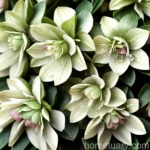
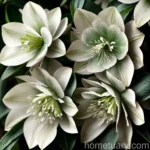
The Helleborus ‘Blushing Bridesmaid’ features outward-facing, cup-shaped flowers that are adorned with delicate shades of pink and cream, creating a romantic and ethereal aesthetic. The blooms are elegantly held above leathery, deep green foliage, providing a striking contrast and visual interest. This variety typically blooms in late winter to early spring, offering a much-needed burst of color during the cooler months.
Hellebore ‘Blushing Bridesmaid’ Characteristics
The key characteristics of the Helleborus ‘Blushing Bridesmaid’ include:
- Flower Color: Soft pink and cream tones
- Foliage Type: Leathery, evergreen foliage
- Blooming Season: Late winter to early spring
- Growth Habit: Clumping, herbaceous perennial
- Mature Size: Typically reaches a height of 18-24 inches (45-60 cm) and a spread of 24-30 inches (60-75 cm)
- Hardiness Zones: Ideally suited for USDA hardiness zones 4-9
Now that we have familiarized ourselves with the captivating beauty of the Helleborus ‘Blushing Bridesmaid’, let’s explore the essential aspects of successfully cultivating and caring for this enchanting perennial.
Key Takeaways – Helleborus ‘Blushing Bridesmaid’ (Hellebore)
Before we delve into the specifics of growing and caring for the Helleborus ‘Blushing Bridesmaid’, let’s provide an overview of the essential takeaways related to this stunning plant variety.
Culture
- Plant Type: Herbaceous perennial
- Landscape Uses: Shade gardens, woodland landscapes, borders, and containers
- Companion Plants: Trillium, Hosta, Pulmonaria, and Ferns
- Propagation Methods: Division and seeds
- Deer Resistance: Known for its deer-resistant qualities
Uses
- Landscape Appeal: Adds elegance and color to shaded areas
- Cut Flowers: Ideal for creating charming and long-lasting floral arrangements
- Medicinal Uses: Historically used in herbal medicine (caution is advised – parts of the plant can be toxic if ingested)
Considering the brief overview of the Helleborus ‘Blushing Bridesmaid’, we can now start exploring the specific requirements for successfully growing and caring for this exquisite perennial.
Growing Helleborus ‘Blushing Bridesmaid’
Successfully growing the Helleborus ‘Blushing Bridesmaid’ requires a thorough understanding of its preferred conditions, planting techniques, and ongoing care. Let’s unravel the essential guidelines for cultivating this enchanting plant.
Best Conditions for Helleborus ‘Blushing Bridesmaid’
- Light: Partial to full shade; dappled sunlight is also well-tolerated
- Soil Type: Well-draining, fertile soil with a slightly acidic to neutral pH
- Moisture: Consistent moisture is important, but the soil should not become waterlogged
- Temperature: Thrives in cool to moderate temperatures; can tolerate brief periods of frost
- Hardiness Zones: Ideally suited for USDA hardiness zones 4-9
Hellebore ‘Blushing Bridesmaid’ Planting Tips
- Timing: Plant in early spring or early fall to allow the roots to establish before the onset of extreme temperatures
- Location: Choose a shaded or partially shaded area in the garden, such as beneath deciduous trees or on the north side of structures
- Soil Preparation: Amend the planting area with organic matter to enrich the soil and improve drainage
Helleborus ‘Blushing Bridesmaid’ Propagation Methods
- Division: Divide mature clumps in early spring or late summer to early fall
- Seeds: Collect ripe seeds and sow them in containers in late spring; germination may take several months
Hellebore ‘Blushing Bridesmaid’ Bloom Time
The ‘Blushing Bridesmaid’ variety typically graces the garden with its delicate blooms from late winter to early spring, providing a welcome burst of color during the transition from winter to spring.
Care Guide for Hellebore ‘Blushing Bridesmaid’
Ensuring the optimal care and maintenance of the Helleborus ‘Blushing Bridesmaid’ is essential for fostering healthy growth, abundant blooms, and long-term vitality. Let’s explore the key elements of caring for this exquisite perennial.
Water
Maintaining consistent moisture is crucial for the Helleborus ‘Blushing Bridesmaid’, especially during periods of active growth and blooming. However, it is important to avoid waterlogged conditions, as this can lead to root rot and other detrimental issues. To ensure appropriate hydration:
- Irrigation: Water deeply and infrequently, allowing the soil to partially dry out between waterings
- Mulching: Apply a layer of organic mulch around the base of the plant to help retain soil moisture and regulate temperature
Sunlight
Thriving in shaded environments, the Helleborus ‘Blushing Bridesmaid’ is well-adapted to partial to full shade conditions. When selecting an ideal planting location, prioritize areas that receive dappled sunlight or gentle morning sun, while being shielded from the intense afternoon rays.
Fertilizer
To promote healthy growth and prolific flowering, consider the following guidelines for fertilizing the Helleborus ‘Blushing Bridesmaid’:
- Timing: Apply a balanced, slow-release fertilizer in early spring, just before new growth emerges
- Application Rate: Follow the manufacturer’s recommendations for dosage and frequency
- Mulching: Incorporate organic mulch or compost into the soil annually to enhance fertility and support nutrient availability
Soil
The Helleborus ‘Blushing Bridesmaid’ thrives in well-draining, humus-rich soil with a slightly acidic to neutral pH. Before planting or transplanting, it is advisable to assess the soil’s composition and make suitable amendments to create a favorable growing environment.
Pruning
Pruning is an essential aspect of the Helleborus ‘Blushing Bridesmaid’ maintenance regimen, contributing to tidiness, vigor, and enhanced blooming. Here are the primary pruning tasks to consider:
- Old Foliage Removal: Trim back old, weathered leaves in late winter to early spring to make way for new growth and showcase the emerging blooms
- Seed Head Removal: Deadhead spent flowers to prevent self-seeding and redirect energy towards vegetative growth and future blooms
- Spring Clean-up: Tidy up the plant’s appearance in early spring by removing any remaining debris and tidying the overall foliage
Container Popularity
The Helleborus ‘Blushing Bridesmaid’ is increasingly popular as a container plant, adding elegance and color to shaded patios, balconies, and outdoor living spaces. When cultivating this perennial in containers, be mindful of the following recommendations:
- Container Type: Select a well-draining container with adequate drainage holes
- Potting Mix: Utilize a high-quality, well-aerated potting mix that offers moisture retention and good drainage
- Positioning: Place the container in a shaded or partially shaded area, protecting it from the harsh midday sun
Common Diseases
Effective disease management is crucial for maintaining the health and vitality of the Helleborus ‘Blushing Bridesmaid’. While this variety is relatively resistant to diseases, it is still important to be vigilant and promptly address any potential issues. Here are notable diseases that may affect Hellebores:
Disease Diagnosis
- Black Death of Hellebores: Caused by the fungus Microsphaeropsis hellebori, this disease results in black, disfigured foliage and can lead to the death of the plant. It is often associated with overly wet and warm conditions.
- Leaf Spot: Various fungal pathogens can cause leaf spot, resulting in dark, rounded lesions on the foliage. Providing ample air circulation and minimizing leaf wetness can help prevent this issue.
Common Pests
While Hellebores are generally resistant to pest infestations, they may occasionally encounter certain pests that can compromise their health and appearance. Understanding the potential pests and implementing proactive measures is crucial for maintaining the plant’s vigor.
Botanist’s Tips
- Fungal Diseases: Ensure good air circulation and avoid wet foliage to minimize the risk of fungal diseases
- Deer Resistance: Capitalize on the Helleborus ‘Blushing Bridesmaid’s natural deer resistance, making it a valuable addition to landscapes prone to deer browsing
- Cut Flowers: Harvest blooms for floral arrangements once they have fully opened; sear the stem ends in hot water for a few seconds before arranging to enhance longevity
Fun Facts
- The Helleborus genus, to which the ‘Blushing Bridesmaid’ variety belongs, derives its name from the Greek words “hellein” (to injure) and “bora” (food), alluding to the plant’s toxic properties
- Hellebores are often referred to as “Lenten Roses” due to their propensity to bloom around the Lenten season
Links to External Resources
To further explore the captivating world of Helleborus ‘Blushing Bridesmaid’ and deepen your knowledge of this remarkable perennial, consider delving into the following resources:
- Royal Horticultural Society (RHS) – Helleborus: https://www.rhs.org.uk/plants/search-results?s=hellebore
- American Society for the Prevention of Cruelty to Animals (ASPCA) – Hellebore: https://www.aspca.org/pet-care/animal-poison-control/toxic-and-non-toxic-plants/hellebore
- University of Minnesota Extension – Growing Hellebores: https://extension.umn.edu/flowers/growing-hellebores
- Missouri Botanical Garden – Helleborus ‘Blushing Bridesmaid’ Profile: https://www.missouribotanicalgarden.org/PlantFinder/PlantFinderDetails.aspx?kempercode=b362
- American Horticultural Society – Gardening Resources: https://ahsgardening.org/gardening-resources/
To fuel your passion for horticulture and delve deeper into the captivating world of Helleborus ‘Blushing Bridesmaid’, these resources offer valuable insights and expert guidance.
In conclusion, the Helleborus ‘Blushing Bridesmaid’ stands as a testament to the remarkable beauty and resilience of nature. Its delicate blooms, enchanting foliage, and adaptability to shaded environments make it an invaluable addition to any garden or landscape. By embracing the cultivation and care guidelines outlined in this comprehensive guide, you can foster the growth of healthy, flourishing Helleborus ‘Blushing Bridesmaid’ specimens, enriching your outdoor spaces with timeless elegance and natural charm.
Whether you are drawn to its romantic blooms, intrigued by its cultural significance, or simply captivated by its unique allure, the Helleborus ‘Blushing Bridesmaid’ undoubtedly holds a special place in the realm of botanical wonders.
The article provides an in-depth exploration of the Helleborus ‘Blushing Bridesmaid’ (Hellebore), incorporating key details related to its description, growing conditions, care guidelines, uses in landscaping, and external resources for further exploration. The content is presented in markdown format and includes headings, bullet points, and external links as per the provided instructions.