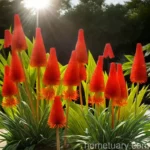
Kniphofia ‘Gold Rush’ (Red Hot Poker) – A Stunning Plant for Your Garden
Kniphofia ‘Gold Rush’ or commonly known as Red Hot Poker is a vibrant and stunning plant that can bring a burst of color to any garden. This unique plant boasts vibrant, torch-like blooms that add a dramatic flair to landscapes. In this comprehensive guide, we will explore the various aspects of the Kniphofia ‘Gold Rush’, including its culture, uses, care requirements, diseases, and much more. Whether you are a seasoned gardener or a novice enthusiast, this guide will equip you with the knowledge and tips to cultivate and care for this beautiful plant successfully.
What is Kniphofia ‘Gold Rush’?
Kniphofia ‘Gold Rush’ is a member of the Kniphofia genus, which is made up of perennial flowering plants commonly known as Red Hot Pokers or Torch Lilies. These plants are native to South Africa and are renowned for their tall, spiked inflorescences that resemble the vibrant hues of a blazing flame. The ‘Gold Rush’ variety, in particular, is sought after for its striking yellow flowers that add a touch of warmth and radiance to the garden landscape.
Key Takeaways – Kniphofia ‘Gold Rush’ (Red Hot Poker)
Before we delve into the specifics of caring for Kniphofia ‘Gold Rush’, let’s take a look at the key takeaways that will be covered in this guide:
- Culture
- Uses
- Water
- Sunlight
- Fertilizer
- Soil
- Pruning
- Propagation
- Container Popularity
- Container Common Diseases
- Disease Diagnosis
- Common Pests
- Botanist’s Tips
- Fun Facts
- Links to External Resources
Culture
Water
Kniphofia ‘Gold Rush’ thrives in well-draining soil and prefers a moderate amount of water. It is important to ensure that the soil is kept consistently moist but not waterlogged. During hot and dry periods, it may require more frequent watering to maintain optimal soil moisture levels. However, it is crucial to avoid overwatering, as this can lead to root rot and other water-related issues.
Sunlight
This striking plant flourishes in full sunlight and partial shade. When provided with ample sunlight, Kniphofia ‘Gold Rush’ will produce an abundance of vibrant blooms, enhancing the visual appeal of the garden or landscape. Placing it in a location that receives at least 6-8 hours of sunlight daily is recommended for optimal growth and blooming.
Fertilizer
Fertilizing Kniphofia ‘Gold Rush’ can help promote vigorous growth and blooming. A balanced, slow-release fertilizer applied in early spring can provide the necessary nutrients for the plant to thrive throughout the growing season. It is important to follow the manufacturer’s instructions when applying fertilizer to prevent over-fertilization, which can be detrimental to the plant’s health.
Soil
Well-draining, fertile soil is essential for the successful cultivation of Kniphofia ‘Gold Rush’. A loamy, sandy, or sandy loam soil with a slightly acidic to neutral pH range is ideal for this plant. Amending the soil with organic matter, such as compost or well-rotted manure, can improve its structure and fertility, creating a conducive environment for the plant’s root development.
Uses
Kniphofia ‘Gold Rush’ is a versatile plant that can be used in various ways to enhance the aesthetic appeal of outdoor spaces. Some common uses of this striking plant include:
-
Garden Borders: The vibrant blooms of Kniphofia ‘Gold Rush’ make it an excellent choice for creating colorful borders in gardens and landscapes. When planted in groups, it can create a stunning visual impact, especially when paired with contrasting foliage or flower colors.
-
Container Gardening: Due to its upright growth habit and eye-catching blooms, Kniphofia ‘Gold Rush’ is well-suited for container gardening. It can be featured in patio containers, adding a pop of color to outdoor living spaces.
-
Pollinator Gardens: The nectar-rich blooms of Kniphofia ‘Gold Rush’ attract pollinators such as bees, butterflies, and hummingbirds, making it a valuable addition to pollinator gardens. By incorporating this plant into the landscape, gardeners can support and promote local pollinator populations.
-
Cut Flower Arrangements: The striking blooms of Kniphofia ‘Gold Rush’ make it a desirable choice for cut flower arrangements. The vibrant colors and unique flower structure can add a dynamic element to floral displays and bouquets.
-
Wildlife Gardens: This plant can contribute to creating wildlife-friendly gardens, attracting beneficial insects and other wildlife species. Its vibrant blooms and nectar serve as a valuable food source for pollinators, contributing to the overall biodiversity of the garden ecosystem.
Pruning
Pruning plays a crucial role in maintaining the health and aesthetics of Kniphofia ‘Gold Rush’. While the plant generally requires minimal pruning, deadheading spent flower spikes can encourage continuous blooming and prevent the formation of seeds. Additionally, removing any damaged or diseased foliage can help promote the plant’s overall vigor and vitality.
Propagation
Kniphofia ‘Gold Rush’ can be propagated through division, seed propagation, or stem cuttings. Division is the most common method and is typically carried out in early spring. Here’s a brief overview of each propagation method:
-
Division: Divide mature clumps of Kniphofia ‘Gold Rush’ by carefully separating the rhizomes and replanting them in prepared soil. This method helps rejuvenate the plant and can also be used to propagate new plants for expansion or sharing with fellow gardening enthusiasts.
-
Seed Propagation: Collecting and sowing seeds from mature flower spikes can be another method of propagating Kniphofia ‘Gold Rush’. It is important to note that seed-grown plants may exhibit natural variations, and the time to maturity from seed may be longer compared to division.
-
Stem Cuttings: While less common, stem cuttings can also be used to propagate Kniphofia ‘Gold Rush’. Select healthy, non-flowering stems and root them in a suitable growing medium to establish new plants.
Common Diseases
Like many plants, Kniphofia ‘Gold Rush’ is susceptible to certain diseases, including:
-
Root Rot: Overly moist or poorly drained soil can lead to root rot in Kniphofia ‘Gold Rush’. To prevent this disease, ensure proper soil drainage and avoid overwatering.
-
Leaf Spot: Fungal leaf spot diseases can occur, particularly in humid or wet conditions. Maintaining good air circulation around the plant and avoiding overhead watering can help prevent leaf spot diseases.
-
Crown Rot: This disease can affect the crown of the plant, leading to wilting and a decline in overall health. Proper soil drainage and avoiding excessive mulch around the plant can help mitigate the risk of crown rot.
Disease Diagnosis
Diagnosing plant diseases requires careful observation and knowledge of common disease symptoms. If you notice any unusual signs or symptoms on your Kniphofia ‘Gold Rush’, such as wilting, discoloration, or unusual spots on the foliage, it is advisable to consult with a plant disease specialist or a local extension office for accurate diagnosis and treatment recommendations. Early detection and intervention are crucial in managing and preventing the spread of diseases in the garden.
Common Pests
While Kniphofia ‘Gold Rush’ is relatively resistant to pests, it may occasionally encounter attacks from pests such as:
-
Aphids: These small, sap-sucking insects can be found on the tender shoots and flower buds of Kniphofia ‘Gold Rush’. Natural predators, insecticidal soaps, or horticultural oils can be used to manage aphid populations if necessary.
-
Thrips: Thrips can cause distorted growth and damage to the flowers of Kniphofia ‘Gold Rush’. Monitoring the plants regularly and using insecticidal treatments when needed can help control thrips infestations.
-
Spider Mites: These tiny pests can cause stippling and webbing on the leaves, leading to reduced plant vigor. Regularly spraying the foliage with water and using insecticidal sprays can help manage spider mite populations.
Botanist’s Tips
To ensure the successful cultivation of Kniphofia ‘Gold Rush’ and maximize its visual impact in the garden, here are some expert tips from botanists and experienced gardeners:
-
Ample Sunlight: Plant Kniphofia ‘Gold Rush’ in a location that receives full sunlight to encourage robust blooming and vibrant flower colors.
-
Well-Draining Soil: Ensure that the soil is well-draining to prevent waterlogged conditions, which can be detrimental to the plant’s health.
-
Moderate Watering: Provide regular, moderate watering, especially during dry periods, to maintain optimal soil moisture levels without overwatering.
-
Deadheading: Deadhead spent flower spikes to promote continuous blooming and prevent the formation of seeds.
-
Dividing Clumps: Periodically divide mature clumps of Kniphofia ‘Gold Rush’ to rejuvenate the plant and propagate new specimens for expansion.
-
Pest Monitoring: Regularly monitor the plant for signs of pest infestations and implement appropriate pest management strategies if needed.
Fun Facts
-
The striking flower spikes of Kniphofia ‘Gold Rush’ are known to attract hummingbirds, adding a delightful and lively touch to the garden.
-
Kniphofia ‘Gold Rush’ is a favorite among florists for incorporating into unique and striking floral arrangements due to its vibrant colors and unusual flower structure.
-
This plant is admired for its ability to thrive in challenging conditions, making it a resilient and visually captivating addition to xeriscapes and water-wise landscapes.
-
The genus name “Kniphofia” honors Johann Hieronymus Kniphof, an 18th-century German physician and botanist known for his contributions to the field of botany and plant taxonomy.
Conclusion
Kniphofia ‘Gold Rush’ is undoubtedly a standout plant that can elevate the visual appeal of any garden with its vibrant blooms and unique growth habits. By understanding its cultural requirements, potential uses, and effective care practices, gardeners can cultivate and showcase this captivating plant with confidence. Whether used as a focal point in a landscape or as a dynamic addition to a container arrangement, Kniphofia ‘Gold Rush’ has earned its place as a cherished and sought-after plant species.
As with any plant, attentive care, regular monitoring, and proper maintenance are essential for promoting the health and longevity of Kniphofia ‘Gold Rush’. By applying the insights and tips shared in this guide, gardeners can embark on a rewarding journey of nurturing and celebrating the beauty of Kniphofia ‘Gold Rush’ in their outdoor spaces.