Iris Brevicaulis (Zigzag Iris)
Iris brevicaulis, commonly known as Zigzag Iris, is a species of iris native to North America. This striking plant is known for its unique blooming pattern.
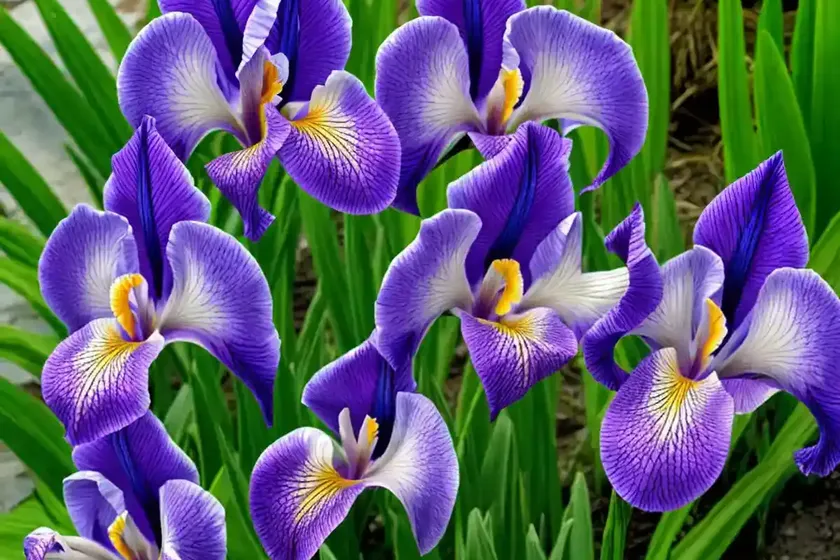
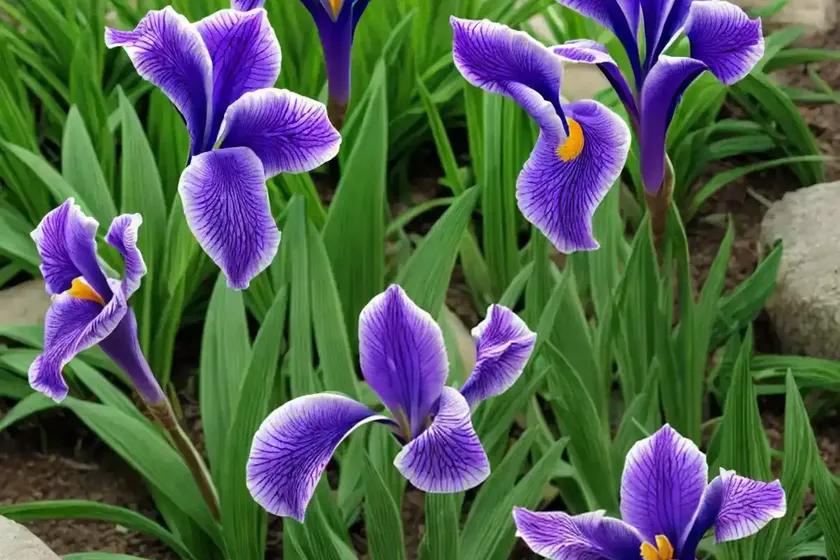
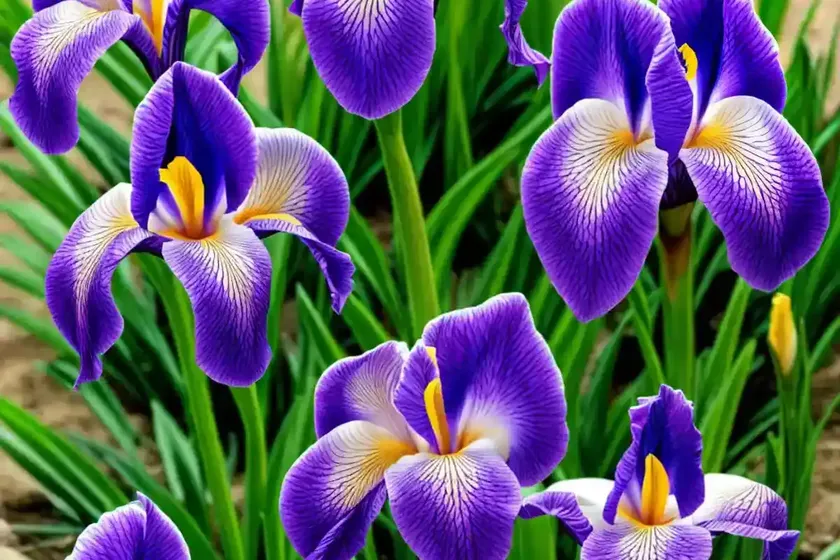
Iris brevicaulis, commonly known as Zigzag Iris, is a species of iris native to North America. This striking plant is known for its unique blooming pattern and is a popular choice for gardeners looking to add a touch of elegance to their landscapes. In this blog post, we will explore the various aspects of Iris brevicaulis, including its cultural requirements, uses, common diseases, and much more. Whether you are an experienced gardener or a novice plant enthusiast, there is always something new to learn about this fascinating species.
What is Iris brevicaulis (Zigzag Iris)?
Iris brevicaulis is a perennial herbaceous plant belonging to the genus Iris and the family Iridaceae. It is a native plant to North America, specifically found in regions such as the Southeastern United States. The name “brevicaulis” is derived from Latin, with “brevis” meaning short and “caulis” meaning stem, referring to the short stem of the plant.
The Zigzag Iris is characterized by its distinctive zigzagging stems, from which it derives its common name. This unique feature sets it apart from other iris species and makes it a desirable addition to gardens and natural landscapes. The plant produces striking flowers with showy petals that come in various shades of blue and purple, adding a vibrant splash of color to the surroundings.
Key Takeaways – Iris brevicaulis (Zigzag Iris)
Before delving into the specifics of growing and caring for Iris brevicaulis, let’s take a quick look at the key takeaways about this fascinating plant.
- Scientific Name: Iris brevicaulis
- Common Name: Zigzag Iris
- Family: Iridaceae
- Native Habitat: Southeastern United States
- Distinctive Feature: Zigzagging stems
- Flower Color: Blue and purple
- Growth Habit: Perennial herbaceous plant
Now, let’s explore the various aspects of cultivating and caring for Iris brevicaulis in more detail.
Culture
Understanding the cultural requirements of Iris brevicaulis is essential for successfully growing and maintaining this plant. Proper cultural practices contribute to the overall health and vigor of the plant, leading to bountiful blooms and lush foliage.
Uses
The Zigzag Iris serves multiple purposes in both natural and cultivated environments. Here are some common uses of Iris brevicaulis:
- Garden Ornament: The showy flowers and unique appearance of Zigzag Iris make it a popular choice for ornamental gardens and landscapes.
- Natural Landscapes: In its native habitat, Iris brevicaulis contributes to the biodiversity and aesthetics of natural wetland and woodland environments.
- Pollinator Attraction: The nectar-rich flowers of the plant attract pollinators such as bees and butterflies, supporting ecosystem health.
Water
Iris brevicaulis has moderate water needs, and it thrives in consistently moist soil. Adequate water supply is essential, especially during the plant’s active growing season and flowering period. However, it is equally important to ensure proper drainage to prevent waterlogging, which can lead to root rot and other issues.
Sunlight
When it comes to sunlight requirements, Iris brevicaulis prefers partial to full sun conditions. Providing the plant with at least 6 hours of sunlight per day promotes healthy growth and vibrant blooms. In hotter climates, providing some shade during the peak of the day can help prevent heat stress and maintain the plant’s vigor.
Fertilizer
Iris brevicaulis benefits from a balanced, slow-release fertilizer applied in early spring as new growth emerges. A fertilizer with an NPK ratio of 10-10-10 or similar composition provides the essential nutrients for healthy foliage and robust flowering. It is important to follow the manufacturer’s instructions regarding application rates to avoid overfertilization.
Soil
The ideal soil for Iris brevicaulis is well-draining, slightly acidic to neutral, and rich in organic matter. A loamy soil type is preferred, providing the right balance of drainage and moisture retention. Prior to planting, amending the soil with compost or well-rotted organic matter can improve its texture and fertility, creating a favorable environment for the plant’s roots.
Pruning
Pruning is an important aspect of maintaining the health and appearance of Iris brevicaulis. Deadheading spent flowers not only tidies up the plant but also encourages additional blooms. Additionally, removing any damaged or diseased foliage helps prevent the spread of diseases and promotes overall plant vigor. Pruning should be carried out after the blooming period has ended.
Propagation
Iris brevicaulis can be propagated through division, which involves separating and replanting the rhizomes. The best time to divide the plant is in late summer or early fall, allowing ample time for the divided segments to establish themselves before the onset of winter. Proper division techniques and suitable environmental conditions can significantly increase the success rate of propagation.
Container Popularity
While Iris brevicaulis is commonly grown in garden beds and natural landscapes, it can also thrive in containers. Its striking appearance and manageable size make it a popular choice for container gardening, allowing individuals with limited garden space to enjoy the beauty of this unique iris species.
Common Diseases
Like all plants, Iris brevicaulis is susceptible to certain diseases that can affect its health and vigor. Understanding the common diseases and their symptoms is crucial for timely intervention and effective management.
Disease Diagnosis
Some of the common diseases that may affect Iris brevicaulis include:
- Leaf Spot: Characterized by the appearance of dark, water-soaked spots on the foliage, often leading to premature leaf drop and reduced plant vigor.
- Root Rot: Caused by fungal pathogens, root rot can lead to wilting, yellowing foliage, and eventual plant death if left unchecked.
- Bacterial Blight: Manifests as water-soaked lesions on leaves and stems, posing a risk to overall plant health.
Common Pests
In addition to diseases, certain pests can pose a threat to the well-being of Iris brevicaulis. Vigilance and prompt action are key to preventing pest infestations from causing significant damage.
Botanist’s Tips
Here are some expert tips for growing and caring for Iris brevicaulis:
- Mulching: Applying a layer of organic mulch around the base of the plant helps maintain soil moisture and suppress weed growth.
- Regular Inspections: Periodically inspecting the plant for signs of diseases, pests, and nutrient deficiencies allows for early intervention and prevents potential issues from escalating.
- Winter Protection: In regions with harsh winters, providing a layer of mulch or straw around the base of the plant can offer protection from extreme temperatures and frost.
Fun Facts
- The species name “brevicaulis” refers to the short stem of the plant, distinguishing it from other iris species with longer stems.
- Iris brevicaulis is an important food source for native bees and other pollinators, contributing to ecosystem diversity.
Links to External Resources
For further information on Iris brevicaulis, you may find the following resources helpful:
- The American Iris Society – A comprehensive source of information on various iris species, including Iris brevicaulis.
- United States Department of Agriculture (USDA) Plants Database – Provides detailed botanical information and distribution maps for Iris brevicaulis.
By understanding and implementing the guidelines for cultivation and care outlined in this article, you can enhance the beauty of your garden or landscape with the graceful presence of Iris brevicaulis. Whether you are drawn to its unique zigzagging stems, vibrant blooms, or its ecological significance, this native North American iris is a captivating addition to any natural or cultivated setting.


