Watermelon (Citrullus Lanatus)
Watermelon (Citrullus lanatus) is a popular and refreshing fruit that is enjoyed by people of all ages, especially during the hot summer months. Known for.
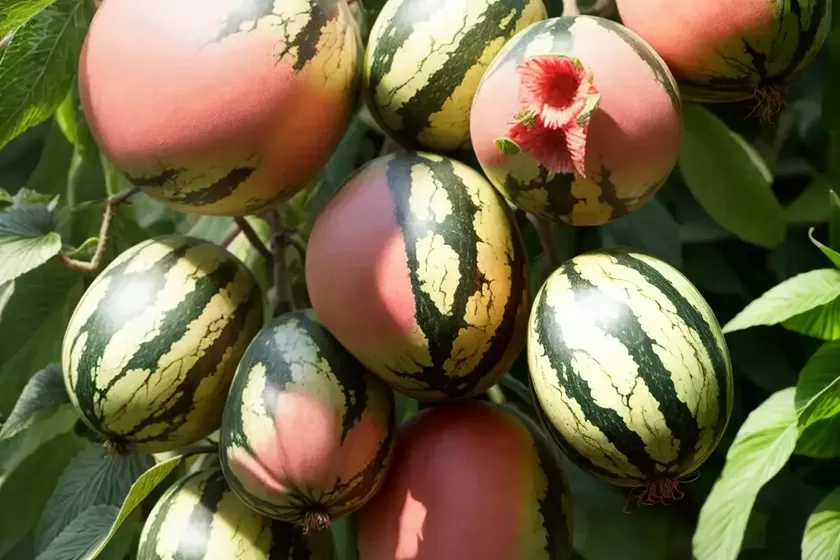
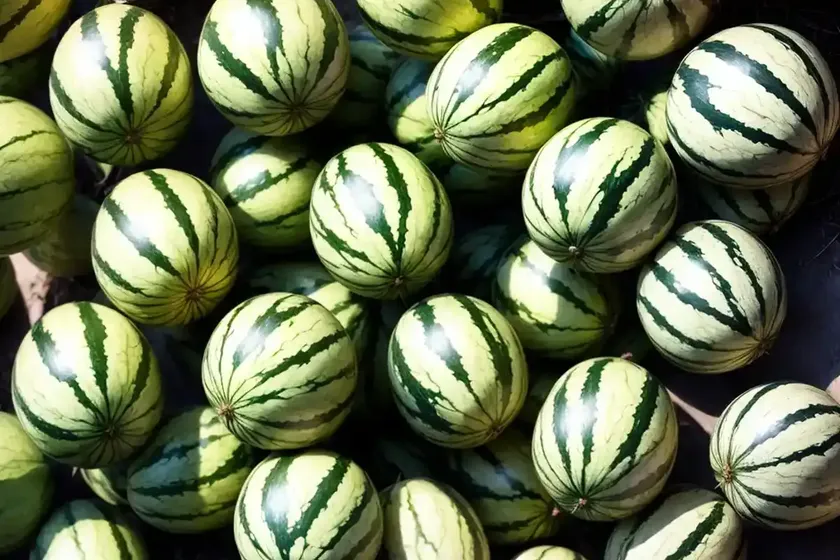
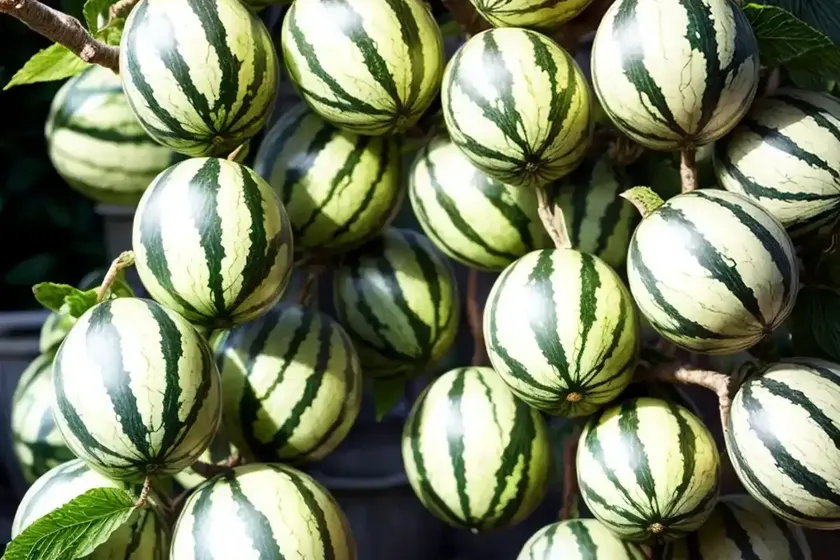
Watermelon (Citrullus lanatus) is a popular and refreshing fruit that is enjoyed by people of all ages, especially during the hot summer months. Known for its juicy and sweet flesh, watermelon is not only a delicious snack but also a versatile ingredient in many culinary preparations. In addition to its culinary appeal, watermelon also has several health benefits, making it a sought-after fruit for a balanced and nutritious diet. Beyond its fruit, the watermelon plant itself has its own unique characteristics and requirements, making it an interesting subject for plant enthusiasts and gardeners.
In this comprehensive guide, we will delve into the various aspects of watermelon, from its cultural significance and uses to its growth requirements, common diseases, and tips for successful cultivation. Whether you are a seasoned gardener or a novice plant enthusiast, this guide aims to provide you with valuable insights into the world of watermelon cultivation and care.
What is Watermelon (Citrullus lanatus)?
Watermelon, scientifically known as Citrullus lanatus, belongs to the Cucurbitaceae family, which also includes cucumbers, pumpkins, and squash. It is a sprawling vine plant with large, lobed leaves and yellow flowers. The fruit of the watermelon plant is a type of pepo, a berry with a thick rind and fleshy center. Internally, the flesh of the fruit can vary in color from pink, red, yellow, or white, depending on the variety.
Key Takeaways – Watermelon (Citrullus lanatus)
Before we delve deeper into the various aspects of watermelon cultivation and care, let’s take a brief look at the key takeaways regarding this popular fruit.
- Watermelon Varieties: Watermelon comes in various sizes, shapes, and colors, with different varieties offering unique flavors and textures.
- Health Benefits of Watermelon: Beyond its delicious taste, watermelon is a nutritious fruit that offers several health benefits, including hydration, antioxidants, and vitamins.
- Growing Watermelon at Home: With the right conditions and care, watermelon can be successfully grown at home, whether in a garden or containers.
- Watermelon Cultivation Tips: Successful watermelon cultivation requires attention to factors such as water, sunlight, soil, and pest control.
- Watermelon Plant Diseases and Treatment: Like any plant, watermelon is susceptible to certain diseases, and understanding how to identify and treat them is essential for a successful harvest.
- Companion Plants for Watermelon: Pairing watermelon with compatible companion plants can help in pest control and overall garden health.
Now that we have an overview of the key takeaways, let’s explore the various aspects of watermelon, ranging from its cultural significance to its specific growth requirements and potential challenges in cultivation.
Culture
Watermelon has a rich cultural significance in various parts of the world, often associated with summer, picnics, and refreshing treats. In many regions, watermelon is a symbol of abundance and is prominently featured in festivals and celebrations. This section will highlight the cultural significance of watermelon and its diverse uses beyond its culinary appeal.
Uses
Culinary Uses
One of the primary uses of watermelon is, of course, its consumption as a fresh fruit. The juicy and sweet flesh of watermelon is a popular summer treat, often enjoyed on its own or as part of fruit salads and desserts. In addition to its use as a fresh fruit, watermelon is also a versatile ingredient in various culinary preparations. Its mild and refreshing flavor makes it suitable for use in salads, smoothies, sorbets, and even savory dishes.
Beverage Making
Watermelon juice and beverages are popular refreshments, especially during the hot summer months. From freshly squeezed juice to blended drinks and cocktails, the natural sweetness and high water content of watermelon make it an excellent base for a wide range of beverages.
Pickling
In some cultures, watermelon rind is pickled and used as a tangy and crunchy ingredient in savory dishes. The pickled rind can be a unique addition to salads, relishes, and side dishes, offering a contrast to its sweet and juicy flesh.
Seeds
Watermelon seeds, once dried and roasted, are a nutritious snack and are also used in certain culinary preparations. They can be sprinkled over salads, added to trail mixes, or used as a crunchy topping for various dishes.
Water
Watermelon has a high water content, making it an excellent hydrating fruit. In many cultures, it is considered a symbol of refreshment and is often consumed to quench thirst and combat the heat, especially during the summer months.
Sunlight
Watermelon plants require plenty of sunlight to thrive and produce healthy fruits. Ideally, they should receive at least 6 to 8 hours of direct sunlight daily. Adequate sunlight influences the growth, sweetness, and overall quality of the fruit.
Fertilizer
When cultivating watermelon, it is essential to provide the plants with the necessary nutrients for healthy growth and fruit development. A balanced fertilizer, high in nitrogen and potassium but lower in phosphorus, can support the vigorous growth of watermelon vines and aid in fruit production. It’s important to follow the specific fertilizer recommendations for watermelon to avoid imbalances that may affect fruit quality.
Soil
Watermelon thrives in well-draining, fertile soil with a slightly acidic to neutral pH level. Loose and loamy soil is ideal for watermelon cultivation, allowing for good root development and efficient water drainage. Amending the soil with organic matter, such as compost, can improve its texture and fertility, creating an optimal environment for watermelon vines to flourish.
Pruning
Pruning watermelon plants is essential to promote healthy growth and higher fruit yield. Regular pruning helps to manage the vine’s growth, restrict excessive foliage, and improve air circulation, reducing the risk of diseases. Additionally, removing unwanted shoots and leaves redirects the plant’s energy toward fruit production, resulting in larger and sweeter watermelons.
Propagation
Watermelon plants can be propagated from seeds, making it accessible for home gardeners to start their own watermelon plants. While direct seeding in the garden is a common method, starting seeds indoors and later transplanting the seedlings can also be a successful approach, particularly in regions with shorter growing seasons.
Container Popularity
Watermelon can be grown in containers, making it accessible for gardeners with limited space or those looking for a more manageable gardening experience. Selecting a suitable container and providing proper support for the vines are essential considerations when cultivating watermelon in containers.
Common Diseases
Like all plants, watermelon is susceptible to certain diseases that can impact its growth and fruit production. Understanding the common diseases affecting watermelon plants, their symptoms, and management strategies is crucial for maintaining healthy crops. Below are some of the most prevalent diseases that watermelon plants may encounter:
Disease Diagnosis
The diagnosis of diseases in watermelon plants involves careful observation of the plant’s symptoms, including changes in foliage, stems, and fruits. Common diagnostic techniques include visual inspection for lesions, wilting, discoloration, and deformities, as well as the presence of pests or pathogens. In some cases, laboratory testing or professional assistance may be required for accurate disease identification.
Common Diseases
Powdery Mildew
Powdery mildew is a fungal disease that manifests as a white, powdery coating on the leaves, stems, and fruits of watermelon plants. It thrives in warm, humid conditions and can hinder photosynthesis, leading to stunted growth and reduced fruit quality. To control powdery mildew, it is essential to maintain proper air circulation, reduce humidity levels, and apply appropriate fungicidal treatments when necessary.
Anthracnose
Anthracnose is a fungal disease that causes dark, sunken lesions on watermelon fruits and can result in their premature rotting. It can also affect the plant’s foliage, causing leaf spots and defoliation. Disease management strategies for anthracnose include practicing crop rotation, using disease-resistant varieties, and applying fungicides preventively.
Fusarium Wilt
Fusarium wilt is a soil-borne disease caused by the Fusarium fungus, leading to wilting, yellowing, and eventual death of watermelon plants. The disease can persist in the soil for extended periods, making prevention and management crucial, including the use of resistant varieties and maintaining proper soil health.
Gummy Stem Blight
Gummy stem blight is a fungal disease that affects the vines, stems, and fruit of watermelon plants, causing dark lesions, wilt, and fruit rot. Controlling gummy stem blight involves implementing sanitation practices, using disease-free seeds, and applying fungicidal treatments as needed.
Common Pests
Watermelon plants are also susceptible to various pests that can compromise their health and reduce fruit quality. Managing pest infestations requires vigilance and the application of appropriate control measures. The following are some of the common pests that may affect watermelon plants:
Common Pests
Aphids
Aphids are small, soft-bodied insects that can congregate on the undersides of watermelon leaves, feeding on plant sap and secreting honeydew, which can attract mold. In addition to causing direct damage, aphids can also transmit viral diseases. Control measures include the introduction of natural predators, such as ladybugs, and the application of insecticidal soaps.
Spider Mites
Spider mites are tiny arachnids that feed on the sap of watermelon plants, causing stippling and discoloration of the foliage. Infestations can lead to reduced plant vigor and fruit yield. Mitigating spider mite infestations involves maintaining proper humidity levels, using predatory mites, and applying horticultural oils or insecticidal sprays.
Whiteflies
Whiteflies are small, moth-like insects that congregate on the undersides of watermelon leaves, causing stippling, yellowing, and wilting. They can also transmit viral diseases and produce honeydew, attracting ants and promoting sooty mold growth. Effective management of whiteflies includes using reflective mulches, introducing natural enemies, and applying insecticidal treatments when necessary.
Botanist’s Tips
To ensure the successful cultivation and care of watermelon plants, it is essential to consider various botanical tips and best practices. Incorporating these recommendations can help optimize the growth, health, and fruit production of watermelon plants. Here are some valuable botanist’s tips for cultivating watermelon:
- Optimal Growing Conditions: Provide watermelon plants with plenty of sunlight, well-draining soil, and regular watering to support healthy growth and fruit development.
- Pest Monitoring: Regularly inspect watermelon plants for signs of pests and take prompt action to control infestations, minimizing damage to the plants.
- Cultural Practices: Implement proper cultural practices, such as pruning, trellising, and fertilizing, to maximize the yield and quality of watermelon fruits.
- Disease Prevention: Practice preventive measures, including crop rotation, sanitation, and the use of disease-resistant varieties, to reduce the risk of diseases affecting watermelon plants.
Fun Facts
Watermelon is not only a delicious and refreshing fruit, but it also has some interesting and surprising characteristics. Exploring these fun facts can provide a deeper appreciation for the unique traits and cultural significance of watermelon. Here are some fun facts about watermelon:
- Citrulline Content: Watermelon is a natural source of citrulline, an amino acid that may have various health benefits, including potential impacts on heart health and exercise performance.
- Watermelon Weight Records: Watermelons can grow to impressive sizes, with some setting records for their weight, often showcased at agricultural fairs and festivals.
- Seedless Watermelons: Seedless varieties of watermelon are specially bred to produce fruits without mature seeds, providing a convenient and fuss-free eating experience.
- National Watermelon Day: August 3rd is celebrated as National Watermelon Day in the United States, honoring this beloved fruit and its cultural significance.
Links to External Resources
To further explore the world of watermelon cultivation, care, and research, the following links to external resources are valuable references for plant enthusiasts and gardeners:
- Watermelon Varieties – National Watermelon Promotion Board
- Citrullus lanatus Facts – Missouri Botanical Garden
- Watermelon Nutrition Facts – USDA
- Growing Watermelon at Home – University of Florida IFAS Extension
- Watermelon Plant Diseases and Treatment – Clemson University Cooperative Extension
- Companion Plants for Watermelon – University of California Agriculture and Natural Resources
In conclusion, watermelon (Citrullus lanatus) represents not only a delightful and nutritious fruit but also a fascinating plant with its own unique requirements and characteristics. By understanding the cultural significance, growth requirements, and potential challenges associated with watermelon cultivation, plant enthusiasts and gardeners can enrich their knowledge and experience in nurturing this beloved summertime staple.
As we celebrate the flavors and traditions associated with watermelon, let’s also appreciate the botanical marvel of this vine plant and its role in gardens, cuisines, and cultural festivities across the globe.
I hope you find this comprehensive guide to watermelon cultivation and care insightful and informative. Whether you are a seasoned gardener or a curious plant enthusiast, there is always something new to discover about the wonderful world of plants. If you have any questions or would like to delve deeper into specific aspects of watermelon cultivation, feel free to explore the provided external resources or engage in further discussions with fellow plant enthusiasts. Happy gardening!