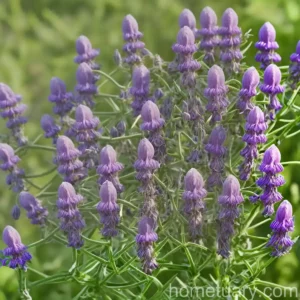
Plant Scientist Blog: All About Spring Vetch (Lathyrus vernus)
Welcome to the plant scientist blog, where we explore the fascinating world of plant biology, cultivation, and horticulture. In this edition, we will delve into the captivating plant known as spring vetch, scientifically referred to as Lathyrus vernus. Throughout this blog, we will examine the various aspects surrounding this beautiful plant, including its cultural attributes, uses, care requirements, and much more.
So, without further ado, let’s venture into the realm of spring vetch and unravel the wonders it has to offer.
What is Spring Vetch (Lathyrus vernus)?
First and foremost, let’s delve into the foundational understanding of spring vetch, also known by its scientific name Lathyrus vernus. Spring vetch is a perennial herbaceous plant belonging to the Fabaceae family, which is characterized by its vibrant and delicate flowers that grace the landscape in early spring.
Lathyrus vernus is native to various regions across Europe, including the United Kingdom, where it thrives in diverse habitats, from woodland edges to grassy meadows. Its natural habitat not only showcases its adaptability but also offers insights into the conditions in which it prospers.
This enchanting plant is treasured for its ornamental value, attracting pollinators with its blossoms and contributing to the aesthetic appeal of gardens and landscapes. With its climbing habit and elegant foliage, spring vetch epitomizes natural beauty and is a favorite among gardening enthusiasts and horticulturists.
Key Takeaways – Spring Vetch (Lathyrus vernus)
Before we delve deeper into the intricacies of spring vetch, let’s outline some key takeaways about this delightful plant.
- Scientific Name: Lathyrus vernus
- Common Name: Spring Vetch
- Family: Fabaceae
- Habit: Climbing perennia
Here, we will explore in detail the various aspects of spring vetch, including its cultural attributes, uses, and essential care tips for nurturing this exquisite plant.
Culture
Water
The water requirements for spring vetch are relatively moderate. It thrives in well-drained soils and benefits from regular watering, especially during the early stages of growth and establishment. Once established, spring vetch displays a degree of drought tolerance, although consistent moisture is preferred to support prolific flowering and healthy foliage.
Sunlight
Spring vetch flourishes in partial to full sunlight. It is important to provide the plant with adequate sunlight to promote robust growth and an abundance of flowers. In regions with intense summers, partial shade during the peak of the day can be beneficial in preventing stress and maintaining the plant’s vigor.
Fertilizer
When it comes to fertilizer, spring vetch appreciates a balanced, all-purpose fertilizer applied in the early spring to support its initial growth and development. Additionally, a light application of organic matter or compost around the base of the plant can fortify the soil and provide essential nutrients for sustained growth and flowering.
Soil
Spring vetch thrives in well-drained, fertile soils with a neutral to slightly acidic pH. Loamy or sandy soils with good drainage are ideal for this plant, ensuring that excess moisture does not accumulate around the roots. Adequate soil preparation and amendment facilitate the establishment of robust and healthy spring vetch plants.
Pruning
Pruning spring vetch is primarily focused on removing spent flowers to encourage prolonged blooming and maintaining an attractive appearance. Additionally, the removal of any dead or damaged foliage supports the overall health of the plant. Pruning can be performed periodically throughout the growing season to manage the plant’s growth and shape.
Propagation
Spring vetch can be propagated through several methods, including seed propagation and division. Seeds can be sown directly in the garden or started indoors before the last frost date. Division of established plants can also be carried out in the early spring, with the separated sections being replanted to expand the population of spring vetch within the garden.
Container Popularity
While spring vetch is primarily grown in garden borders and naturalized areas, it also holds appeal as a container plant. Its climbing habit can be showcased in containers with adequate support, adding vertical interest to patios, balconies, and other outdoor spaces. Container-grown spring vetch requires attention to watering and support for its climbing stems.
Common Diseases
Spring vetch is generally resilient to major disease issues, particularly when grown in favorable conditions. However, there are certain diseases that can impact its health, including:
- Powdery Mildew: A fungal infection that can appear as a powdery white coating on the leaves, impacting the plant’s vigor and aesthetics.
- Anthracnose: This fungal disease can cause dark, sunken lesions on the stems and foliage, potentially leading to wilting and decline.
Disease Diagnosis
Prompt diagnosis of diseases affecting spring vetch is essential for implementing effective control measures. Careful observation of the plant’s foliage, stems, and overall vigor can provide valuable insights into the presence of diseases. Additionally, seeking professional assistance or utilizing diagnostic resources can aid in accurately identifying and addressing any disease concerns.
Common Pests
Spring vetch is generally resistant to severe pest infestations, but it can still be vulnerable to certain pests, including:
- Aphids: These small, sap-sucking insects can cluster on the plant’s tender growth, potentially causing distortion and stunted development.
- Leaf Miners: These pests can leave visible trails and damage on the foliage, impacting the plant’s aesthetics and vitality.
Botanist’s Tips
As a plant scientist with a passion for spring vetch, here are some valuable tips for cultivating and enjoying this exquisite plant:
- Support Climbing Stems: Provide adequate support for the climbing stems of spring vetch to allow them to showcase their natural beauty in the garden.
- Deadhead Spent Flowers: Regular deadheading encourages continuous blooming and maintains the plant’s visual appeal. It also prevents the formation of seeds, redirecting the plant’s energy into new growth and flowering.
- Monitor for Pest and Disease: Regular monitoring of the plant’s health and visual appearance can aid in identifying and addressing any pest or disease issues early on, promoting overall vitality and resilience.
Fun Facts
Before concluding our exploration of spring vetch, let’s uncover some intriguing fun facts about this captivating plant:
- Medicinal Uses: In traditional herbal medicine, certain species within the Lathyrus genus, to which spring vetch belongs, have been utilized for their purported medicinal properties.
- Pollinator Attraction: The beautiful blossoms of spring vetch are not only visually appealing but also attract beneficial pollinators, contributing to the ecological balance in the garden and surrounding areas.
Links to External Resources
For further insights and information on spring vetch (Lathyrus vernus), explore the following external resources:
- Royal Horticultural Society – Lathyrus vernus
- Missouri Botanical Garden – Lathyrus vernus
- University of Wisconsin-Madison Extension – Growing Perennials: Lathyrus vernus
In conclusion, spring vetch (Lathyrus vernus) stands as a captivating and versatile plant that adds charm, color, and ecological value to gardens and landscapes. Its graceful flowers, climbing habit, and relatively low maintenance requirements make it a cherished addition to horticultural endeavors. As a plant scientist, I find great joy in studying and sharing the admirable attributes of plants like spring vetch, and I hope that this blog has ignited a similar appreciation in your botanical pursuits.
Thank you for joining me in this exploration of spring vetch, and may your future interactions with this remarkable plant be filled with beauty and vitality.
Disclaimer: The information provided in this blog is for educational purposes and does not substitute professional horticultural advice. Please consult local experts and resources for specific guidelines and recommendations tailored to your geographic region and gardening practices.