The Magnificent Kilimanjaro Plant (Senecio ‘kilimanjaro’)
The world of plants is diverse and rich, with thousands of species offering unique characteristics and benefits. One such remarkable plant that has captured the attention of plant enthusiasts and horticulturists alike is the Senecio ‘kilimanjaro.’ This fascinating succulent, with its striking appearance and adaptable nature, has become a favorite for gardeners, landscapers, and indoor plant enthusiasts. In this comprehensive guide, we will delve into the world of the Kilimanjaro plant, exploring its characteristics, cultivation, maintenance, and much more.
What is the Kilimanjaro Plant (Senecio ‘kilimanjaro’)?
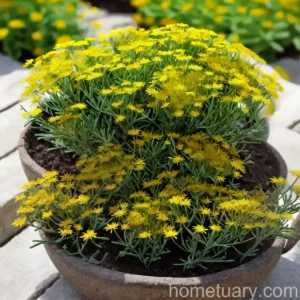
The Kilimanjaro plant, scientifically known as Senecio ‘kilimanjaro,’ is a stunning succulent that belongs to the Senecio genus. Its botanical name is derived from its place of origin and the distinctive silhouette of its leaves, which evokes the image of the majestic Mount Kilimanjaro in Tanzania. This plant is characterized by its tall, columnar growth habit, and fleshy, silver-green leaves that impart a sense of elegance and grandeur to any setting.
Key Takeaways – Kilimanjaro Plant (Senecio ‘kilimanjaro’)
Before we delve into the details of cultivating and caring for the Kilimanjaro plant, let’s take a moment to summarize its key characteristics and attributes.
- Scientific Name: Senecio ‘kilimanjaro’
- Common Name: Kilimanjaro Plant
- Appearance: Tall, columnar growth habit; fleshy, silver-green leaves
- Cultivation: Well-draining soil; moderate watering; full sun to partial shade
- Uses: Ornamental plant for gardens, landscapes, and indoor spaces
- Adaptability: Drought-tolerant; suitable for various climates
Now, let’s embark on a journey to understand the culture, uses, maintenance, and more aspects of the magnificent Kilimanjaro plant.
Culture
Understanding the cultural requirements of the Kilimanjaro plant is essential for ensuring its optimal growth and development. From its water needs to sunlight preferences, getting the culture right is key to thriving Senecio ‘kilimanjaro’ specimens.
Water
The Kilimanjaro plant, belonging to the succulent family, has adapted to arid conditions and is well-suited to drought-like environments. As such, it thrives in well-draining soil and requires infrequent watering. Overwatering can lead to root rot and other issues, so it’s crucial to let the soil dry out between waterings. During the growing season, a general rule of thumb is to water the plant thoroughly and then allow the soil to dry completely before the next watering cycle.
Sunlight
In its natural habitat, the Kilimanjaro plant enjoys abundant sunlight, and this preference carries over to its cultivation requirements. When grown outdoors, it should be placed in a location that receives full sun to partial shade. For indoor cultivation, choose a well-lit spot, such as a south-facing window, to ensure that the plant receives an adequate amount of sunlight.
Fertilizer
The Kilimanjaro plant is relatively low-maintenance when it comes to fertilization. During the growing season, which typically spans spring and summer, you can feed the plant with a balanced liquid fertilizer diluted to half its strength. However, it’s important not to over-fertilize, as this can lead to excessive foliage growth at the expense of the plant’s natural shape and form.
Soil
As with most succulents, well-draining soil is a must for the Kilimanjaro plant. A cactus or succulent mix is an excellent choice, as it provides the necessary aeration and drainage to prevent waterlogging. Alternatively, you can create a custom mix using regular potting soil, perlite, and coarse sand to achieve the desired soil texture for optimal growth.
Maintenance
Caring for the Kilimanjaro plant involves various maintenance tasks that are vital for its overall health and appearance. From pruning to propagation, here are the essential aspects of maintaining Senecio ‘kilimanjaro.’
Pruning
Pruning is not commonly required for the Kilimanjaro plant, as it naturally maintains its graceful, upright form. However, if the plant shows signs of legginess or if you wish to shape it for aesthetic reasons, you can gently prune the stems as needed. Use clean, sharp pruning shears to make precise cuts, and ensure that the plant’s overall symmetry is maintained.
Propagation
Propagating the Kilimanjaro plant is relatively straightforward and can be accomplished through stem cuttings. To propagate this succulent:
- Select a healthy stem and cut it at a 45-degree angle.
- Allow the cut end to callus over for a day or two.
- Plant the cutting in well-draining soil and water it lightly.
- Place the cutting in a warm, bright location and maintain consistent moisture until new growth emerges.
Container Popularity
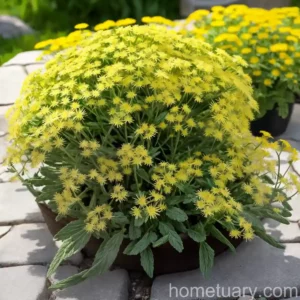
The Kilimanjaro plant’s striking appearance and low-maintenance nature make it a popular choice for container gardening. Whether grown individually or as part of a succulent arrangement, it adds a touch of elegance to outdoor and indoor spaces. When choosing a container for Senecio ‘kilimanjaro,’ opt for a well-draining pot that allows excess moisture to escape, reducing the risk of waterlogging.
Common Diseases
While the Kilimanjaro plant is relatively resistant to pests and diseases, certain issues can arise if its cultural requirements are not met. The most common diseases affecting this succulent include:
- Root Rot: Caused by overwatering or poorly draining soil.
- Powdery Mildew: Often a result of low air circulation and high humidity.
Disease Diagnosis
Diagnosing diseases in the Kilimanjaro plant involves careful observation of its growth patterns, leaf condition, and overall vigor. If you notice signs of wilting, browning, or unusual spotting, investigate the root system and inspect the foliage for any signs of powdery mildew. Addressing the underlying causes, such as adjusting watering practices or improving air circulation, is vital for preventing and treating diseases effectively.
Common Pests
The Kilimanjaro plant is relatively resistant to pests, but it can occasionally fall victim to common succulent pests such as:
- Aphids
- Scale Insects
- Spider Mites
When grown outdoors, keep an eye out for these pests and take prompt action to prevent infestations from spreading to other plants. In indoor environments, regular monitoring and mild insecticidal treatments can help keep pests at bay.
Botanist’s Tips
For those seeking to cultivate and care for the Kilimanjaro plant, here are some valuable botanist’s tips to ensure the success of their gardening endeavors:
- Cultural Consistency: Maintain consistent cultural conditions, including sunlight, watering, and soil quality, to promote healthy growth.
- Adequate Drainage: Ensure that the plant’s container or planting site provides ample drainage to prevent waterlogging.
- Monitor for Signs: Regularly observe the plant for any signs of stress, disease, or pest activity, and take proactive measures to address issues promptly.
- Occasional Feeding: While the Kilimanjaro plant does not require frequent feeding, a light fertilization during the growing season can support its overall vigor.
Fun Facts
Delving into the world of plants often yields intriguing and delightful discoveries. Here are some fun facts about the Kilimanjaro plant that showcase its unique charm and appeal:
- The Kilimanjaro plant is often likened to a “living sculpture” due to its striking silhouette and architectural form.
- In its natural habitat, this plant can reach impressive heights, echoing its namesake, Mount Kilimanjaro.
- Cultivating Senecio ‘kilimanjaro’ presents an opportunity to create stunning vertical garden designs, adding a touch of sophistication to any outdoor space.
Links to External Resources
To further expand your knowledge and appreciation of the Kilimanjaro plant, explore these external resources:
- The Royal Horticultural Society – Senecio kilimanjaro
- World of Succulents – Senecio ‘kilimanjaro’
- Gardening Know How – Senecio kilimanjaro
As we conclude our exploration of the Kilimanjaro plant, we’ve gained valuable insights into its culture, maintenance, and unique qualities. Whether adorning a garden, landscape, or indoor setting, this majestic succulent captivates with its elegant presence and adaptable nature. By following the guidance provided here, you can embark on your own journey of nurturing and cherishing the remarkable Senecio ‘kilimanjaro.’
Remember, horticulture offers an endless array of wonders, and the Kilimanjaro plant stands as a testament to the beauty and resilience found in the world of plants. As you venture forth in your gardening endeavors, may the elegance of the Kilimanjaro plant inspire a deep appreciation for the magnificence of nature’s creations.
Happy planting!