Cheddar Pink (Dianthus Gratianopolitanus)
Plants enrich our lives in ways more than one. Their vibrant colors, alluring fragrances, and versatility make them an integral part of our surroundings..
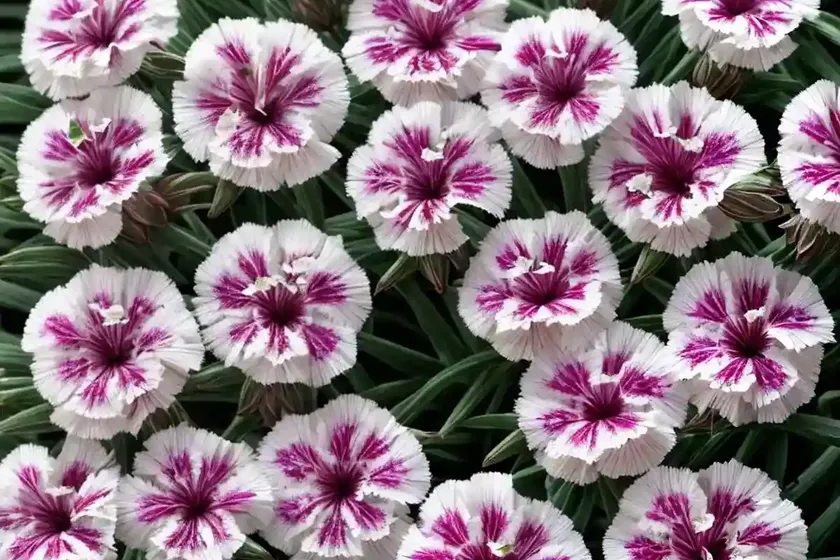
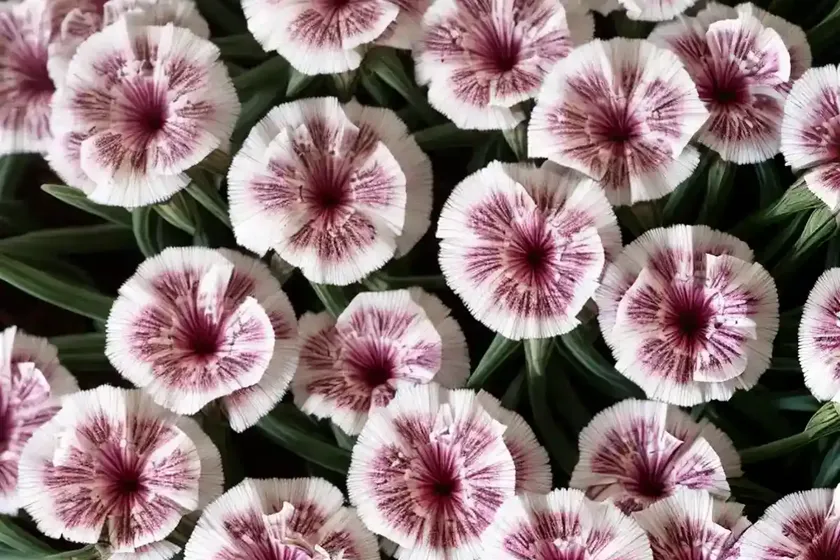
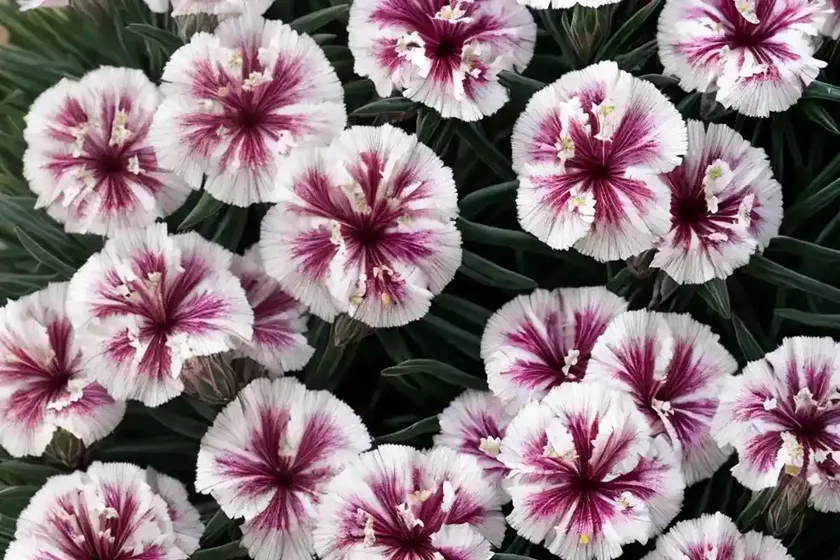
Plants enrich our lives in ways more than one. Their vibrant colors, alluring fragrances, and versatility make them an integral part of our surroundings. Among the multitude of plant species, Cheddar Pink (Dianthus Gratianopolitanus) stands out due to its captivating appearance and easy maintenance. In this comprehensive guide, we will delve into the various aspects of Cheddar Pink and explore its cultivation, care, and uses.
What is Cheddar Pink (Dianthus Gratianopolitanus)?
Cheddar Pink, scientifically known as Dianthus Gratianopolitanus, is a delightful perennial plant belonging to the Dianthus genus. It is native to parts of Europe, including the United Kingdom. Known for its charming, fringed, and strikingly vibrant pink flowers, this plant has become a favorite among gardeners and landscaping enthusiasts. Cheddar Pink is also referred to as ‘Feuerhexe’ in Germany, translating to ‘Fire Witch,’ owing to the intense coloration of its blooms.
Key Takeaways – Cheddar Pink (Dianthus Gratianopolitanus)
Before we delve into the specifics of cultivating and caring for Cheddar Pink, let’s take a look at the key takeaways associated with this beautiful plant:
- Cheddar Pink Cultivation: Understanding the optimal conditions for growing Cheddar Pink.
- Plant Characteristics: Exploring the unique attributes of Cheddar Pink that make it a standout choice.
- Care Tips: Learning about the essential care practices to ensure the well-being of Cheddar Pink.
- Variety Guide: Understanding the different varieties and cultivars of Cheddar Pink available for cultivation.
- Gardening with Cheddar Pink: Utilizing Cheddar Pink in gardens to enhance aesthetic appeal.
- Landscaping Ideas: Incorporating Cheddar Pink into landscaping for creating visually appealing outdoor spaces.
Now, let’s proceed to explore each of these key takeaways in depth.
Culture
Uses
Cheddar Pink (Dianthus Gratianopolitanus) finds versatile uses in horticulture and landscaping. Its applications include:
- Garden Borders: The vibrant blooms and evergreen foliage of Cheddar Pink make it an ideal choice for edging garden borders, adding a pop of color and texture.
- Rock Gardens: Cheddar Pink thrives in rocky and well-drained environments, making it an excellent addition to rock gardens, contributing to their visual appeal.
- Container Gardening: Due to its compact growth habit, Cheddar Pink is well-suited for container gardening, whether on patios, balconies, or as indoor plants.
- Pollinator Gardens: The nectar-rich flowers of Cheddar Pink attract pollinators, making it a valuable addition to pollinator-friendly gardens.
- Ground Cover: In areas with poor soil or limited space, Cheddar Pink can be used as a low-growing ground cover, preventing soil erosion and adding a decorative touch.
Water
Cheddar Pink exhibits moderate water requirements and is well-suited for cultivation in areas with well-drained soil and average moisture levels. Overwatering should be avoided to prevent waterlogged conditions and subsequent root rot. In contrast, prolonged drought should also be mitigated by providing supplemental watering, especially during the hot summer months.
Sunlight
When it comes to sunlight preferences, Cheddar Pink thrives in full sun conditions. It performs optimally when exposed to at least 6 hours of direct sunlight per day. Insufficient sunlight can lead to reduced flowering and overall diminished plant vigor.
Fertilizer
To support healthy growth and prolific blooming, Cheddar Pink benefits from a balanced, slow-release fertilizer applied in the early spring. A general-purpose fertilizer with equal parts of nitrogen, phosphorus, and potassium can be applied around the base of the plant, following the manufacturer’s instructions for proper application and dosage. Over-fertilization should be avoided to prevent adverse effects on the plant.
Soil
Cheddar Pink thrives in well-draining, slightly alkaline to neutral soil with a pH range of 6.0 to 7.5. The soil should be rich in organic matter and capable of retaining adequate moisture without becoming waterlogged. In areas with heavy clay soil, amending with organic compost or coarse sand can improve the soil structure and drainage, creating a favorable environment for Cheddar Pink to flourish.
Pruning
Regular deadheading and light pruning after the blooming period can promote continuous flowering and maintain the plant’s compact, tidy appearance. Removing spent flowers not only enhances the aesthetic appeal of the plant but also prevents the formation of seeds, directing the plant’s energy towards producing new blooms.
Propagation
Cheddar Pink can be propagated through various methods, including division, stem cuttings, and seed sowing.
Division:
Dividing established clumps of Cheddar Pink every few years in the early spring can rejuvenate the plant and promote healthier growth. The process involves carefully lifting the plant, separating the root mass into smaller sections, and replanting them in suitable locations.
Stem Cuttings:
Taking softwood or semi-hardwood cuttings from healthy Cheddar Pink plants and rooting them in a well-draining medium can yield new, genetically identical plants. This method allows for the propagation of specific cultivars with desirable traits.
Seed Sowing:
Cheddar Pink produces small, black seeds that can be collected from spent flower heads. Sowing these seeds in a prepared seedbed or containers in the early spring can result in the germination of new plants. The seedlings can be transplanted to their permanent locations once they have developed adequate root systems.
Container Popularity
The compact growth habit and exquisite blooms of Cheddar Pink make it a popular choice for container gardening. Its adaptability to container environments, including pots, planters, and window boxes, adds a touch of elegance to outdoor living spaces and allows individuals with limited garden space to enjoy this charming plant.
Container Common Diseases
While Cheddar Pink is relatively resistant to diseases, certain factors can contribute to the development of common fungal infections and rots, particularly in overly moist or poorly ventilated conditions. Maintaining proper air circulation, avoiding overwatering, and providing well-draining soil can help prevent the onset of these issues.
Disease Diagnosis
Common diseases that may affect Cheddar Pink include:
- Powdery Mildew: A fungal infection characterized by the development of white, powdery spots on the leaves and stems.
- Crown Rot: Usually caused by excessively wet soil and poor drainage, leading to the rotting of the crown of the plant, often resulting in wilting and stunted growth.
- Botrytis Blight: This fungal disease causes the development of brown spots and mold on the flowers and foliage, especially under prolonged wet conditions.
Common Pests
Cheddar Pink is relatively resistant to pest infestations, but certain insects may occasionally pose a threat to its well-being. These pests include:
- Aphids: These small, sap-sucking insects can cause distortion and yellowing of the leaves, affecting the overall health of the plant.
- Spider Mites: These microscopic pests can infest the foliage of Cheddar Pink, leading to the development of fine webbing and stippled discoloration on the leaves.
- Slugs and Snails: These mollusks can feed on the tender foliage and flowers of Cheddar Pink, causing unsightly damage.
Botanist’s Tips
To maximize the beauty and longevity of Cheddar Pink in cultivation, consider the following botanist’s tips:
- Mulching: Applying a layer of organic mulch around the base of Cheddar Pink can help conserve soil moisture, suppress weed growth, and regulate soil temperature, promoting optimal growing conditions.
- Companion Planting: Pairing Cheddar Pink with other low-growing, sun-loving plants, such as Sedum and Aubrieta, can create visually appealing combinations and enhance the overall aesthetic of the garden.
- Winter Protection: In regions with harsh winters, providing a layer of mulch or protective covering over Cheddar Pink can shield the plant from extreme cold and prevent frost damage.
Fun Facts
Here are a few intriguing and delightful facts about Cheddar Pink:
- Cheddar Pink is the county flower of Somerset in England, where it occurs naturally on the cliffs of Cheddar Gorge, lending to its common name.
- The genus name Dianthus is derived from the Greek words “dios” and “anthos,” which translate to “divine” and “flower,” respectively, alluding to the exquisite nature of the plant’s flowers.
- Cheddar Pink is renowned for its spicy, clove-like fragrance, adding to its allure and making it a popular choice for scented gardens.
Links to External Resources
For further information on Cheddar Pink (Dianthus Gratianopolitanus) and related topics, consider exploring the following resources:
- Royal Horticultural Society: Cheddar Pink Plant Profile
- The Morton Arboretum: Cheddar Pink Flower Symbolism
- Gardener’s World: Dianthus Foliage Characteristics
- University of Florida IFAS Extension: Dianthus Gratianopolitanus Pest Control
- Missouri Botanical Garden: Growing Dianthus in Gardens
In conclusion, Cheddar Pink (Dianthus Gratianopolitanus) holds immense horticultural value, offering a delightful combination of vibrant blooms, captivating fragrances, and ease of care. Whether incorporated into rock gardens, used as ground cover, or showcased in containers, Cheddar Pink adds a touch of beauty to outdoor spaces and brings joy to plant enthusiasts and gardeners alike. By understanding its cultivation requirements, implementing proper care practices, and appreciating its unique characteristics, one can experience the exuberance that Cheddar Pink brings to the botanical world.
Remember, the journey of cultivating Cheddar Pink extends far beyond the act of planting and nurturing; it encompasses the joy of witnessing its bloom, the satisfaction of its thriving presence, and the admiration it evokes among all who encounter it.
So, why not embark on this captivating journey with Cheddar Pink and revel in the myriad delights it has to offer?
RHS. (2021). Dianthus gratianopolitanus. Source
Mortonarb. (2021). Cheddar Pink Flower Symbolism. Source
Gardenersworld. (2021). Dianthus: Foliage Characteristics. Source
Universityoffloridaifasextension. (2021). Dianthus Gratianopolitanus Pest Control. Source
Missouribotanicalgarden. (2021). Growing Dianthus in Gardens. Source